








Introduction:Choosing the right coffee filtration equipment has a significant impact on the flavor profile of a pour over coffee. Filter paper, metal filters, and cloth filters each have unique extraction characteristics. From oil retention and acid-sweet balance to ease of cleaning and maintenance, each option delivers a different coffee experience. This article provides an in-depth analysis of the pros and cons of the three most common types of filters, helping you find the best brewing partner based on your personal preferences and brewing habits.
For a fragrant pour over coffee, besides the quality and grind size of the coffee beans, the choice of filtration equipment is key. Different filter materials not only affect the clarity of the coffee but also directly influence the expression of acidity, sweetness, and body. From the most common filter paper to the increasingly popular metal filters and cloth filters, each type of filter has its own unique features.
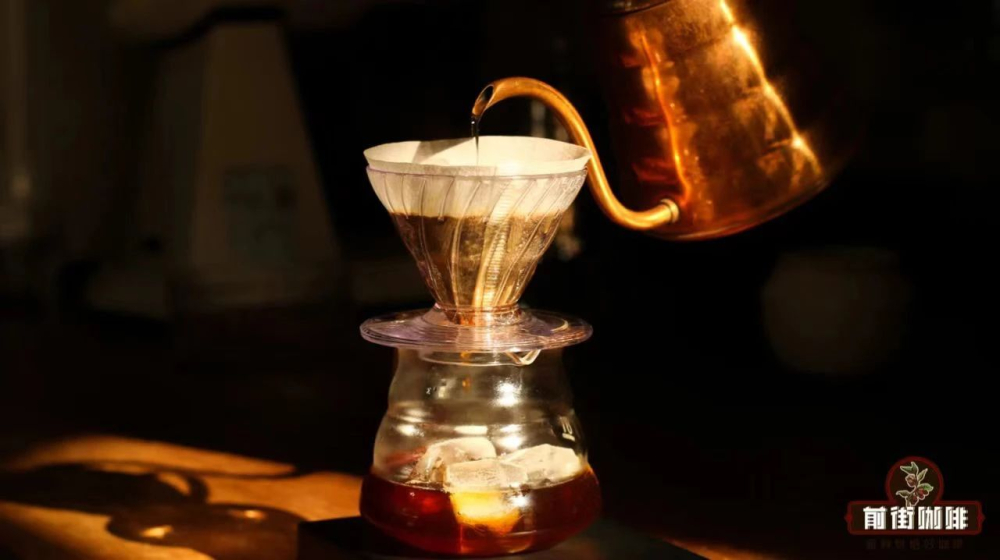
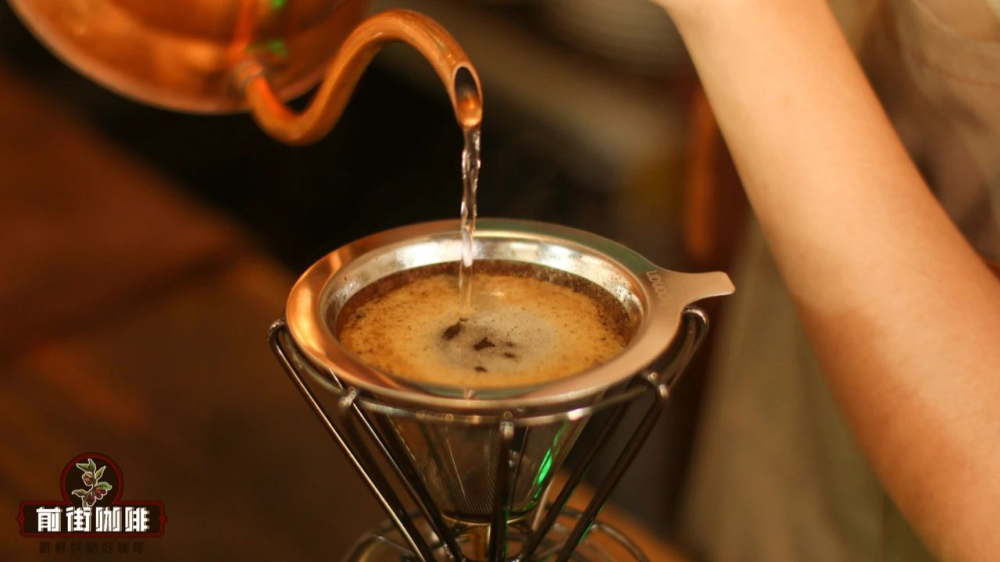
Let’s start with metal filters. The biggest characteristic of this type of filter is that it allows coffee oils to pass through smoothly, thus preserving more of the original flavors. Many pour over enthusiasts enjoy the rounder mouthfeel it delivers, which is similar to that of a French press, with a more balanced acidity and bitterness, and a more pronounced sweetness.However, it’s worth noting that metal filters generally do not filter out fine particles as effectively as filter paper. If the coffee grounds are ground too finely or are uneven in size, there can be issues with fine particle residue.
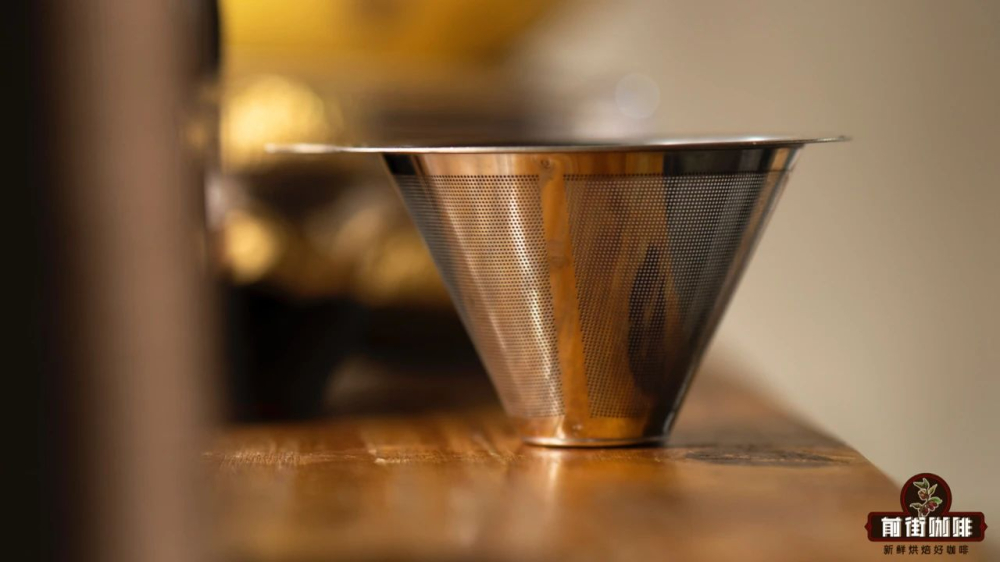
Additionally, if the flow rate design of some metal filters is not optimized, it may lead to uneven extraction, which is sometimes mistaken for the coffee being overly bitter. For flavor-focused enthusiasts who pursue distinct layers and bright acidity, metal filters may not be the first choice—especially when it comes to showcasing acidity layers across temperature changes, where filter paper usually performs better.
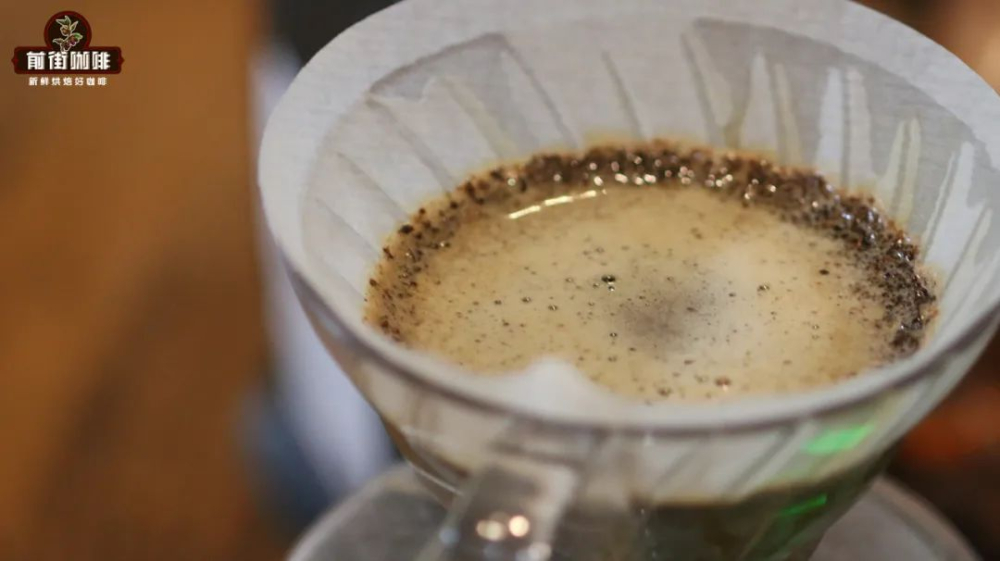
Filter paper is the most widely used filtration option on the market and is especially suitable for beginners in pour over brewing. Its greatest advantage lies in its ability to effectively filter out fine particles and oils from the coffee, resulting in a cleaner cup while highlighting high-toned flavors such as fruitiness and floral notes. Acidity is typically more vibrant, and layers are easier to perceive.
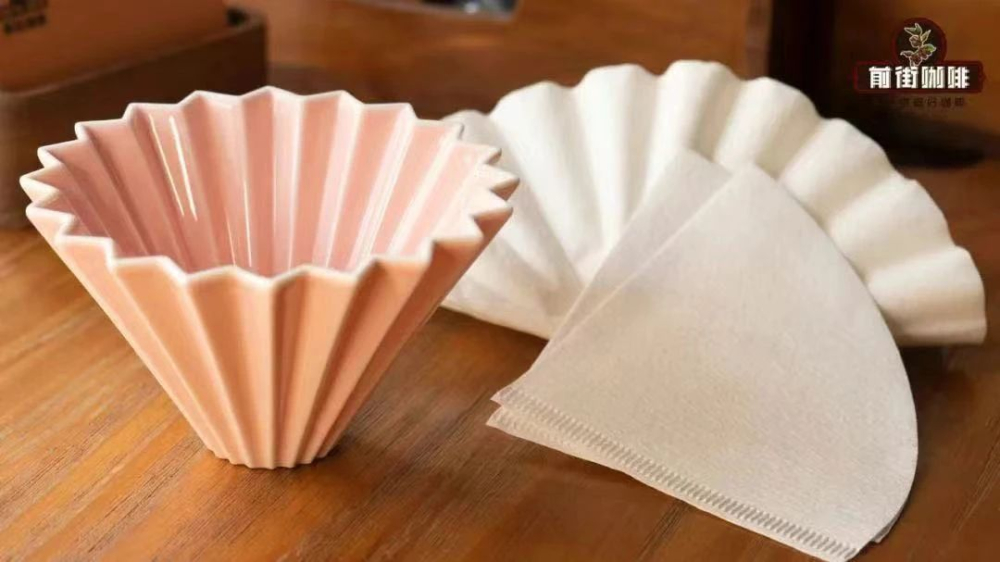
However, filter paper also filters out a significant amount of coffee oils and body, so the smooth mouthfeel of light roasts is often less pronounced compared to using metal or cloth filters. In addition, using filter paper requires a pre-brew "bloom rinse" with hot water to eliminate any potential paper taste, which also means there is a slight risk of residual paper fibers. With growing environmental awareness, the use of filter paper has also sparked much discussion regarding sustainability.
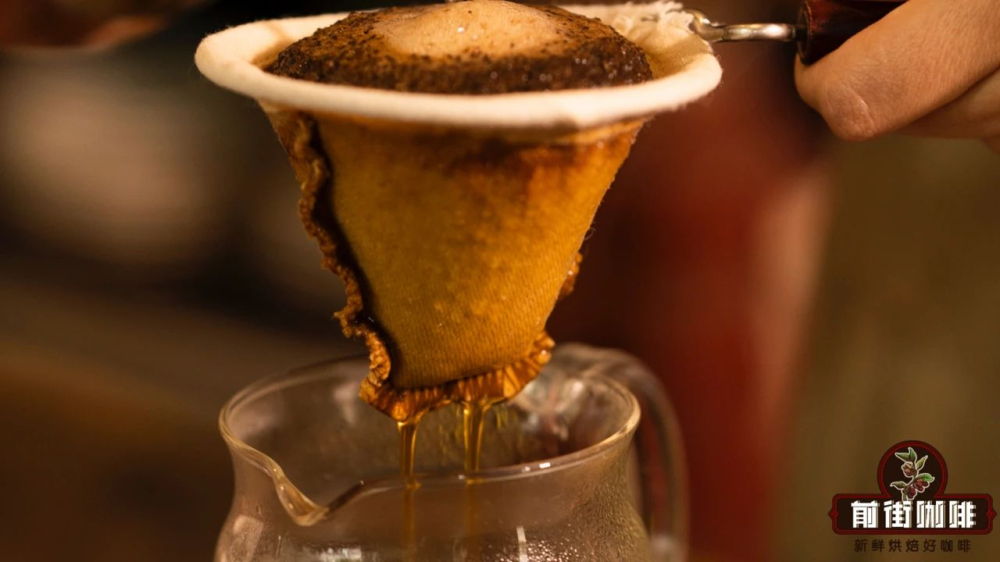
Cloth filters are reusable filtering materials, suitable for those who prefer medium to dark roasts and are looking for sweetness and a rich mouthfeel. Cloth filters retain a certain amount of oils, making the coffee feel smoother on the palate, and are often used to showcase a full-bodied and complex coffee profile. Many seasoned pour over drinkers particularly enjoy the silky texture and mellow aftertaste brought by cloth filters.
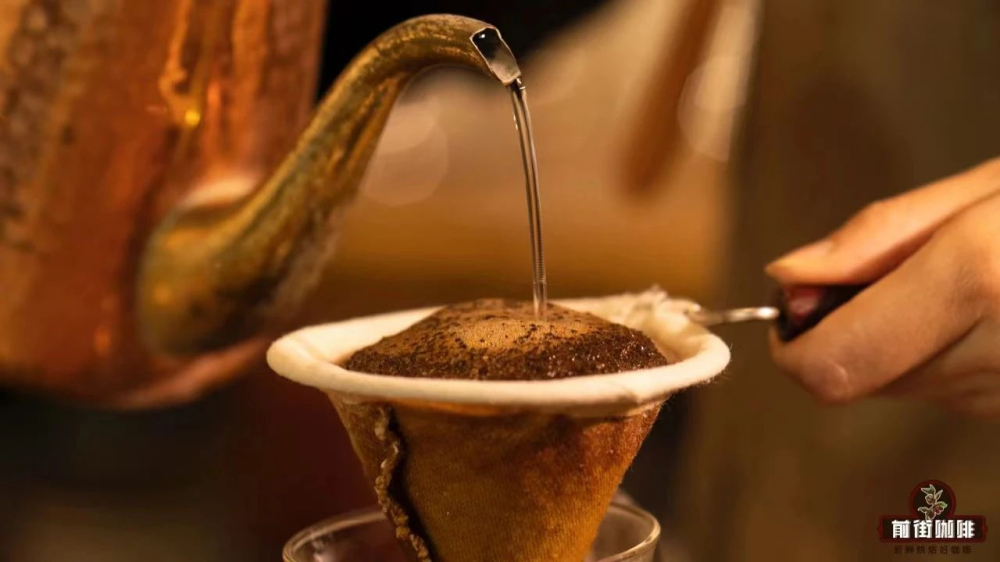
But cloth filters require relatively more meticulous maintenance. If not cleaned thoroughly, residual coffee oils can lead to off-flavors or even mold. After each use, they need to be carefully washed and dried completely. It is recommended to rinse them thoroughly with clean water after use and store them in a dry, ventilated place or seal and refrigerate them to extend their lifespan. Additionally, cloth filters also demand slightly higher brewing skills, requiring adjustments to water flow and time according to the characteristics of the cloth to fully release flavor details.

In terms of maintenance, whether it's metal filters or cloth filters, regular cleaning is key to ensuring flavor purity. It is recommended to soak the filters in hot water mixed with a small amount of baking soda to soften the oils, then gently scrub them, rinse thoroughly with clean water, and finally dry them. Metal filters can be dried and stored for later use directly.As for cloth filters, it is advised to store them in a zip-lock bag or sealed container to avoid absorbing odors from the refrigerator or developing mold due to a humid environment.
In summary, filter paper, metal filters, and cloth filters each have their suitable brewing styles and flavor profiles. Whether you’re pursuing bright, clear layers of acidity and sweetness, or you love a rich, oily, and rounded mouthfeel, understanding the characteristics of these filters will help you more precisely capture the unique charm of every cup of pour over coffee.
The above content is compiled by CoffeeHunters, a coffee news website.


