








Introduction:Want to learn about Yunnan Arabica, the representative of Chinese coffee beans? This article delves into the history, main varieties such as Catimor and Typica, and recommended pour over beans for beginners, offering an in-depth analysis of Yunnan coffee’s flavor profile and regional advantages. It also provides professional extraction parameters and hands-on insights to help you select and brew well-balanced Yunnan specialty coffee.
China’s coffee production is concentrated up to 98% in Yunnan Province. This region, bordering Myanmar, Laos, and Vietnam, has become an important base for domestic specialty coffee thanks to its unique geographical environment. As early as 1904, French missionary Father Tézenas introduced the first batch of coffee plants from Myanmar. Though on a small scale, this planted the seeds of coffee in Yunnan. It wasn’t until 1989, when a certain brand began planting the rust-resistant Catimor variety for commercial purposes, that Yunnan coffee truly moved toward industrialization and gradually developed into China’s major coffee-producing region.

Currently, Yunnan has approximately 90,000 hectares of coffee cultivation area, with an annual output of around 100,000 metric tons—almost equivalent to the total coffee production of the entire country. Although regions like Fujian and Hainan also grow coffee, due to altitude limitations, they mostly cultivate the strong-flavored Robusta, which struggles to meet the demands of the specialty coffee market or pour over enthusiasts. As a result, Yunnan coffee—with its Arabica lineage and ability to be grown at higher altitudes—naturally became the core of China’s specialty coffee development.
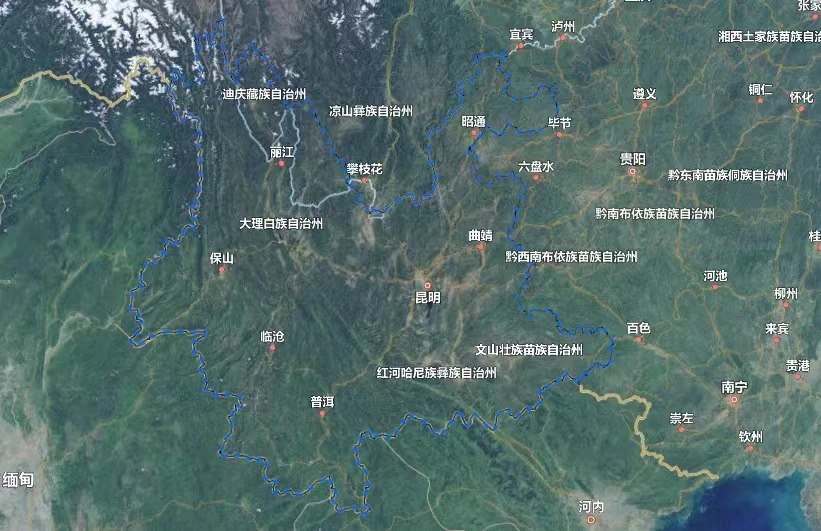
The main coffee-growing regions in Yunnan are concentrated in the southwest, including Pu’er, Baoshan, Lincang, and Xishuangbanna. These areas mostly sit at altitudes between 800 and 1,850 meters, with those above 1,000 meters offering greater flavor potential. The regions feature large diurnal temperature variations and abundant rainfall, providing ideal conditions for coffee bean growth. However, many actual planting sites only barely meet the qualifying altitude of around 1,000 meters, and improvements in both variety selection and processing methods are still needed to elevate quality.
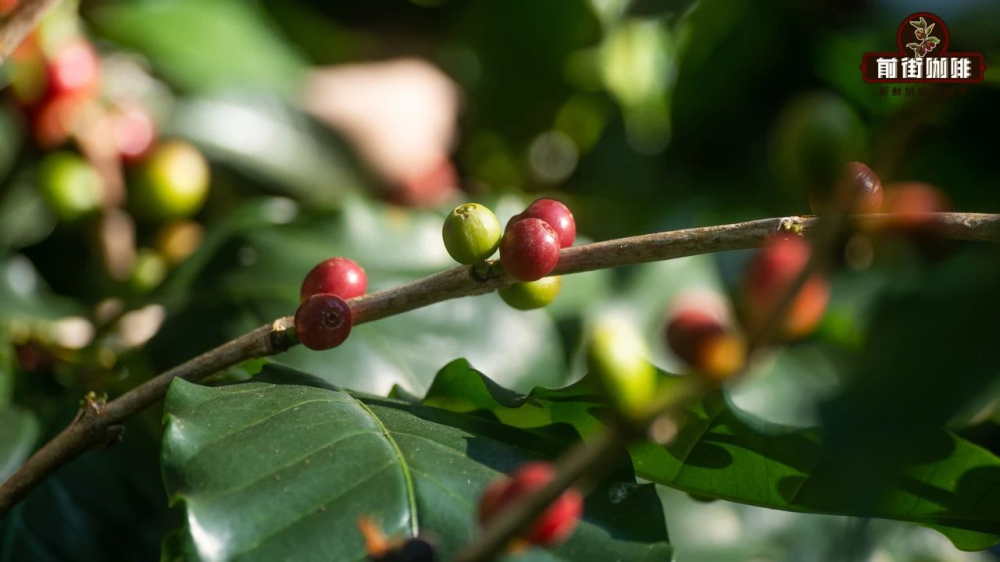
Among the Arabica varieties grown in Yunnan, Catimor is currently the dominant cultivar. It is a hybrid of Timor and Caturra, first bred in Portugal in 1959. This variety has a relatively short tree stature, dense fruiting, and relatively lenient environmental requirements, making it highly suitable for commercial mass cultivation. However, due to its genetic heritage including Robusta, it is often considered by purists to have a somewhat rougher flavor. In contrast, Typica possesses more traditional Arabica characteristics, with smaller beans—historically referred to as “small-bean coffee” due to their size—and was one of the main varieties initially introduced to Yunnan.
Although Catimor has gradually become the mainstream in Yunnan due to its ease of planting and management, commonly referred to as “Yunnan small-bean coffee,” many coffee farmers and brands continue to experiment with other varieties in pursuit of flavor breakthroughs. For instance, in Baoshan, some estates began trial planting of Geisha at altitudes of 1,400 to 1,600 meters in valleys starting in 2016. Though not yet widespread, this has opened a window for varietal diversity in Yunnan coffee.
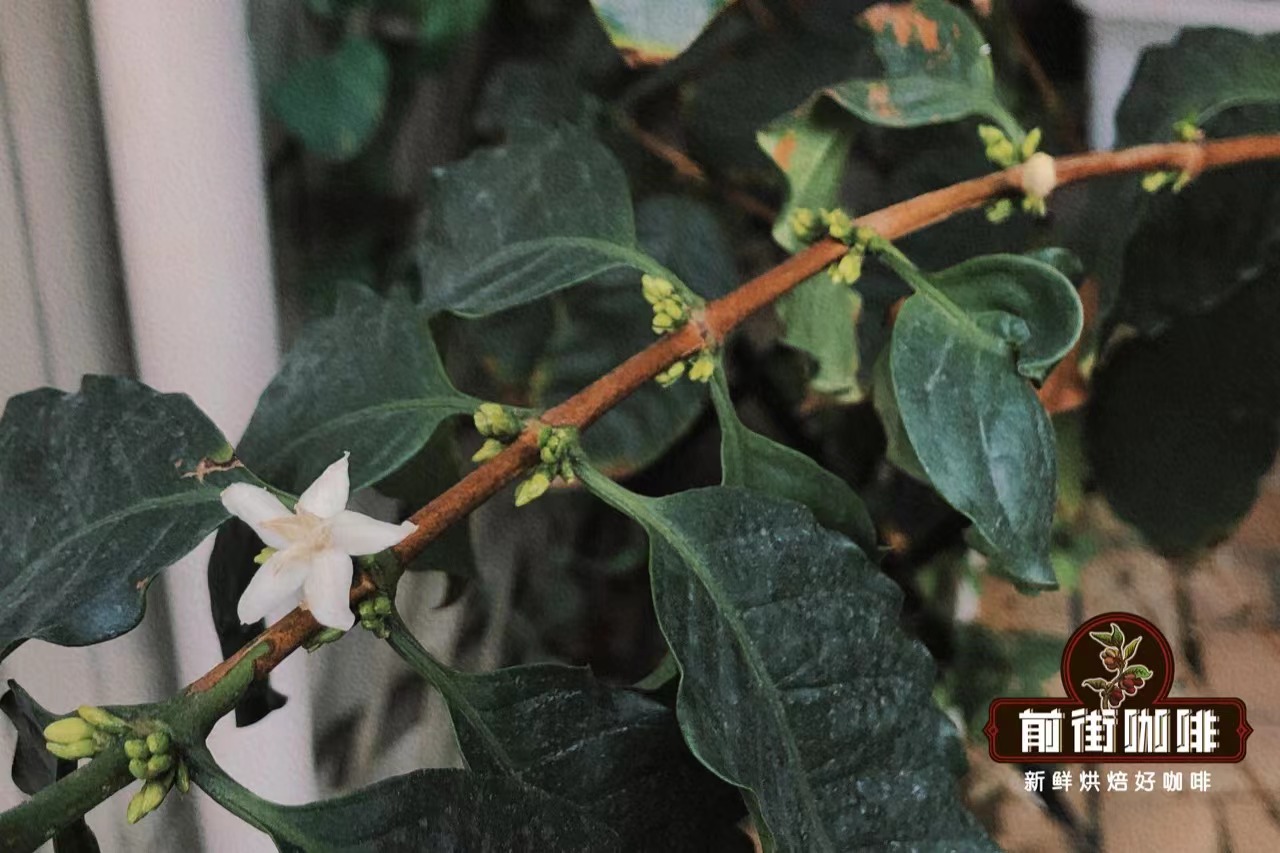
Focusing on practical purchasing and brewing experience, Typica and Catimor remain the two most worthwhile varieties for beginners to understand and try. I personally planted the first batch of Typica in Yunnan in May 2016. Compared to the more commonly grown Catimor in the area, although Typica is not as advantageous in yield or disease resistance, its flavor profile is clearer, especially when processed and roasted appropriately, allowing its unique fruit acidity and sweetness to shine through.
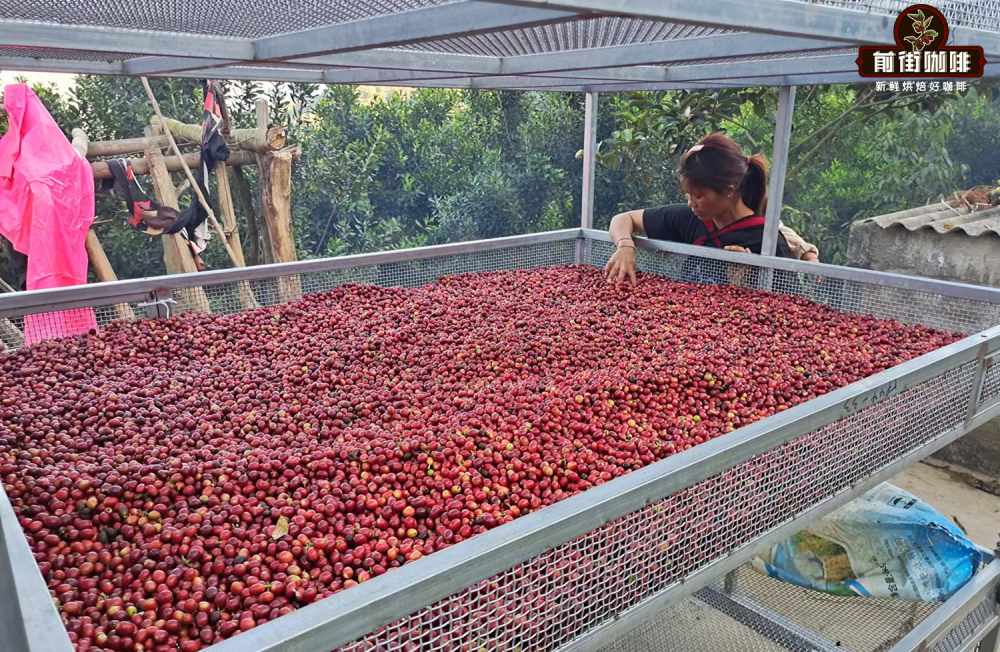
Taking real examples, Typica beans processed with the natural (sun-dried) method can retain more sugars, effectively compensating for any sweetness that might be lacking due to altitude constraints. After medium roasting, this Typica coffee, named “Brand X 2013,” exhibits a balanced flavor profile of chocolate, nuts, and dried apricots, along with a soft plum-like acidity, resulting in a rich and well-rounded cup. In contrast, typical commercial-grade Catimor tends to present a rich, nutty and chocolatey tone with less noticeable acidity, suiting those who prefer a bold and intense flavor.

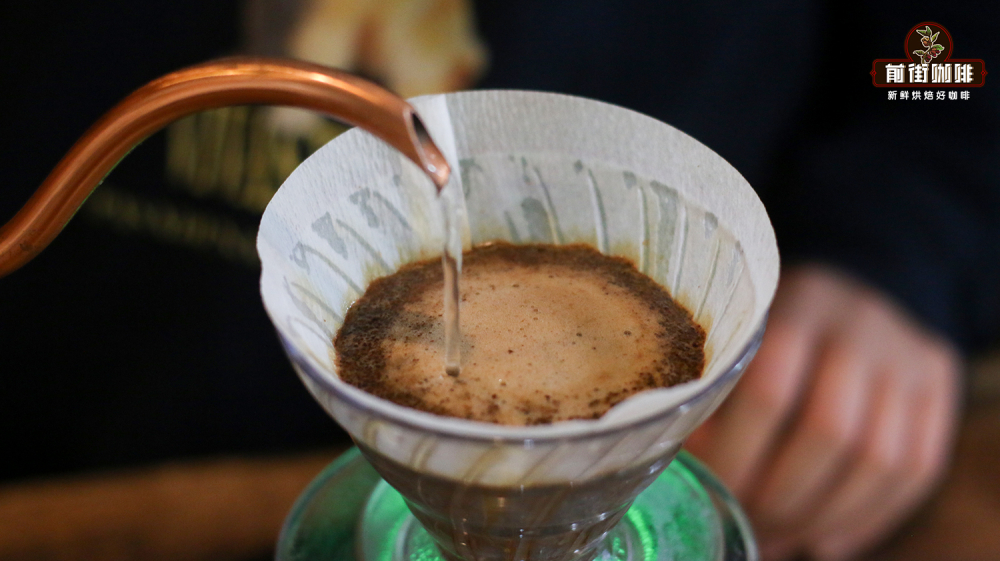
For beginners looking to try pour over, here are tested extraction parameters for reference: use a V60 filter, control water temperature at 91°C, maintain a coffee-to-water ratio of 1:15, use a coffee dose of 15 grams, and aim for a grind size where 75% of particles pass through a No. 20 Chinese sieve. For technique, start with a bloom using twice the coffee dose in water, then pour in small streams in a circular motion from the center outward up to 125 grams. After the water level drops, continue pouring until reaching the target volume, with a total extraction time of about 2 minutes. These parameters are suitable for most medium-to-high altitude coffee beans from Yunnan’s growing regions, effectively highlighting their flavor characteristics.
Overall, the strengths of Yunnan coffee lie in its fresh harvest season, short delivery cycles, and the fact that some high-altitude washed specialty beans can even exhibit berry-like flavors. Coupled with relatively affordable commercial pricing, it’s an excellent choice for beginners on a budget who want to explore single-origin coffee. However, the region still faces challenges such as limited varietal diversity, room for improvement in flavor stability, and relatively low recognition and acceptance of Yunnan beans in the domestic consumer market. With continued optimization in processing methods, cultivation standards, and brand development, Yunnan coffee has the potential to secure a place in the global specialty market.


The above content is compiled by CoffeeHunters, a coffee news website.


