







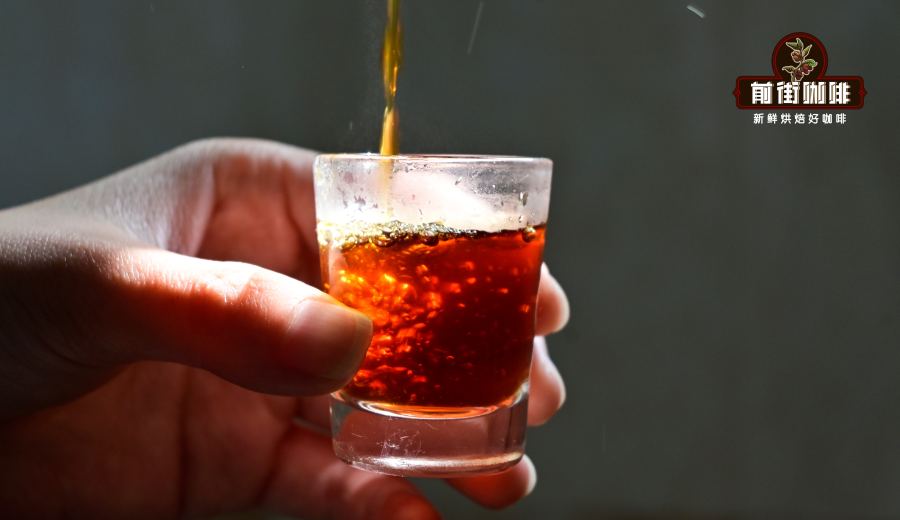
Introduction:Decaf coffee is the go-to choice for many who want to enjoy the aroma of coffee without worrying about sleep disturbances. But did you know it still contains 2%–3% caffeine? This article delves into the production principles of decaf coffee, its health benefits, and recommends specialty decaf beans suitable for pour over brewing, helping you make the right choice based on your needs.
Decaf coffee, abbreviated as Decaf in English, stands for "decaffeinated coffee." According to international standards, such coffee beans must have at least 97% of their caffeine removed. In other words, a cup of decaf espresso typically contains only 0–7 milligrams of caffeine, which is almost negligible for most people.
This process can be traced back to the early 19th century.It is said that German poet Goethe, who loved coffee but suffered from insomnia, asked his friend Runge to analyze the components of coffee beans. Around 1820, they identified caffeine as the culprit behind sleep disturbances and developed an initial separation method, marking the pioneering step in decaf coffee.
However, the technology at the time could not be applied on a large scale. It wasn’t until 1903 that German importer Ludwig Roselius discovered that soaking coffee beans in seawater significantly reduced their caffeine content, leading him to assemble a team to develop extraction techniques, thus enabling mass production of decaf coffee.
Common decaffeination methods today include water processing, organic solvents (such as ethyl acetate or dichloromethane), and supercritical carbon dioxide. These techniques involve soaking green beans in specific solutions to extract caffeine, followed by removing the solvent. The entire process is generally completed before roasting and grinding.Although decaffeinated coffee is nutritionally similar to regular coffee, some processing methods may result in a milder flavor and slight color variations.
Many people mistakenly believe that decaf coffee is "completely caffeine-free," but it actually still contains a small amount of caffeine—about 2%–3% of the original level. For example, a well-processed cup of decaf espresso may still contain trace amounts of caffeine, but for those sensitive to caffeine or looking to avoid sleep disruption, the risk is greatly reduced.
If you have trouble sleeping after consuming caffeine, consider trying high-quality decaf coffee beans. You can enjoy the aroma of coffee while avoiding the side effects of caffeine.
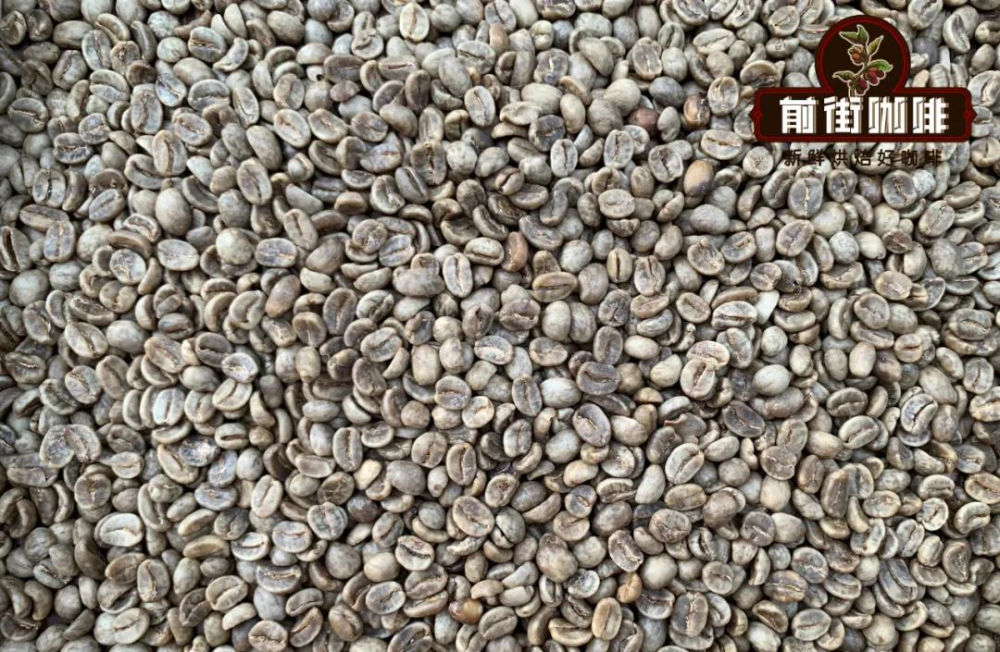
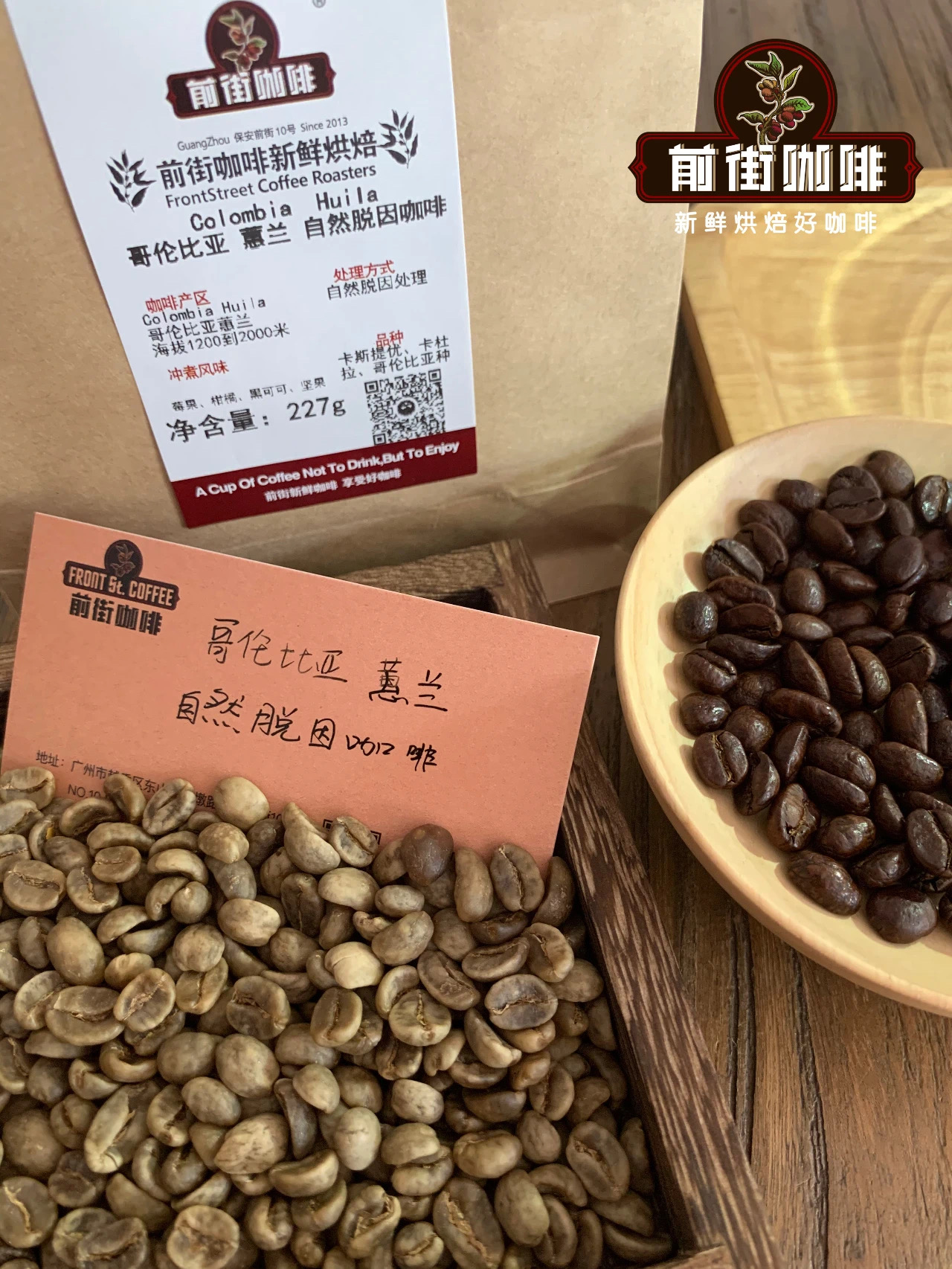
So, is decaf coffee really unpleasant? The key lies in the choice of beans.Even with the most advanced decaffeination technology, if the raw material is low-quality commercial beans, the final flavor often falls short.On the other hand, if high-quality Arabica green beans with a solid flavor foundation are used before decaffeination, even after the process, they can still exhibit rich layers and delicate tastes.
For instance, some medium to dark roasted decaf beans carry aromas of caramel, chocolate, and cocoa, with a full-bodied mouthfeel and a sweet, nutty finish. They have moderate body and are suitable not only for pour over brewing but also for extraction with a moka pot or espresso machine, delivering surprisingly impressive results.
The antioxidant capacity of decaf coffee is another noteworthy aspect. Studies show that although the decaffeination process may cause slight losses of certain antioxidants such as hydroxycinnamic acids and polyphenols, decaf coffee still retains a significant proportion of these compounds. These help combat free radicals and may reduce the risk of chronic diseases such as heart disease, cancer, and type 2 diabetes.
Additionally, a cup of decaf coffee provides small amounts of magnesium (about 2.4% of the daily recommended intake), potassium (about 4.8%), and niacin (vitamin B3, about 2.5%). Drinking 2–3 cups a day can accumulate notable nutritional benefits.
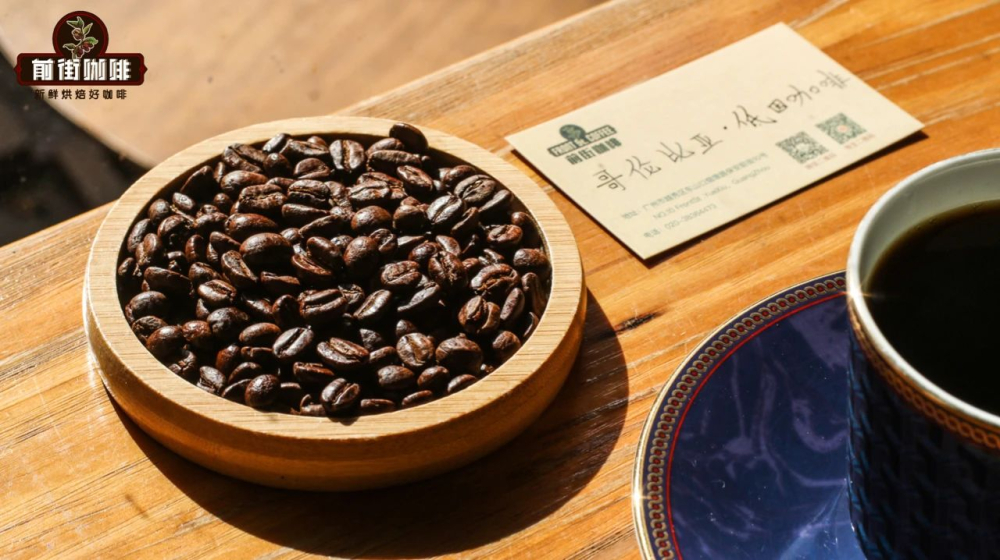
In summary, decaf coffee is not caffeine-free but has a significantly reduced caffeine content, making it a balanced choice for enjoyment and health for most people. By selecting high-quality Arabica decaf beans, you can enjoy flavors close to regular coffee while meeting your body’s needs. Whether you’re a coffee enthusiast or caffeine-sensitive, why not try some specialty decaf beans perfect for pour over brewing and embark on a new coffee journey?
The above content is compiled by CoffeeHunters, a coffee news website.


