







Introduction:From single to double espresso shots — master the core extraction parameters and flavor balance techniques of Italian coffee. This article details the standard dosage, timing, and ratio for different volumes of espresso, recommends suitable coffee bean types, and provides the golden ratio and step-by-step guide for making lattes, helping you precisely control the quality and taste of each cup.
As the cornerstone of modern coffee culture, the extraction technique of espresso directly impacts the final flavor profile. Whether crafting classic black coffee or rich milk-based drinks, understanding the correct coffee-to-water ratio and operational parameters is crucial. This article systematically outlines the preparation standards for single and double espressos, analyzes how key variables affect taste, and extends into the techniques of pairing with milk.
Key Parameter Differences Between Single and Double Espresso
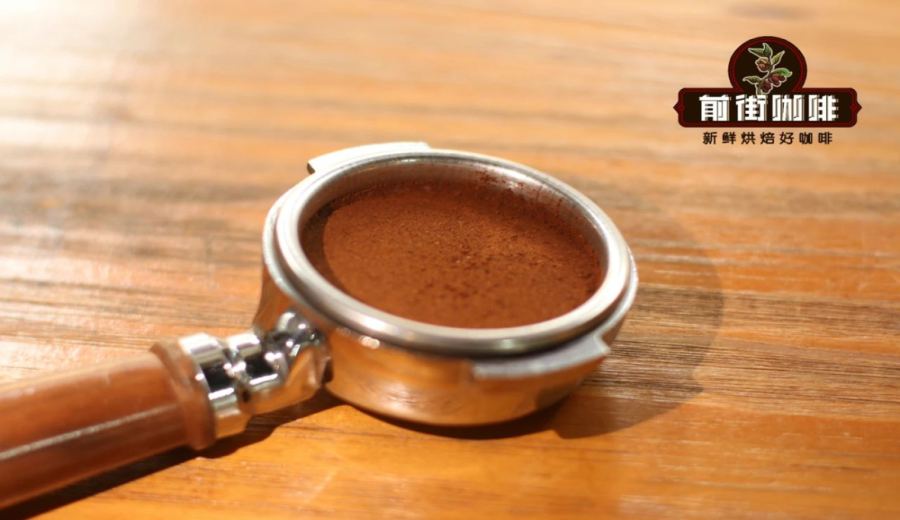
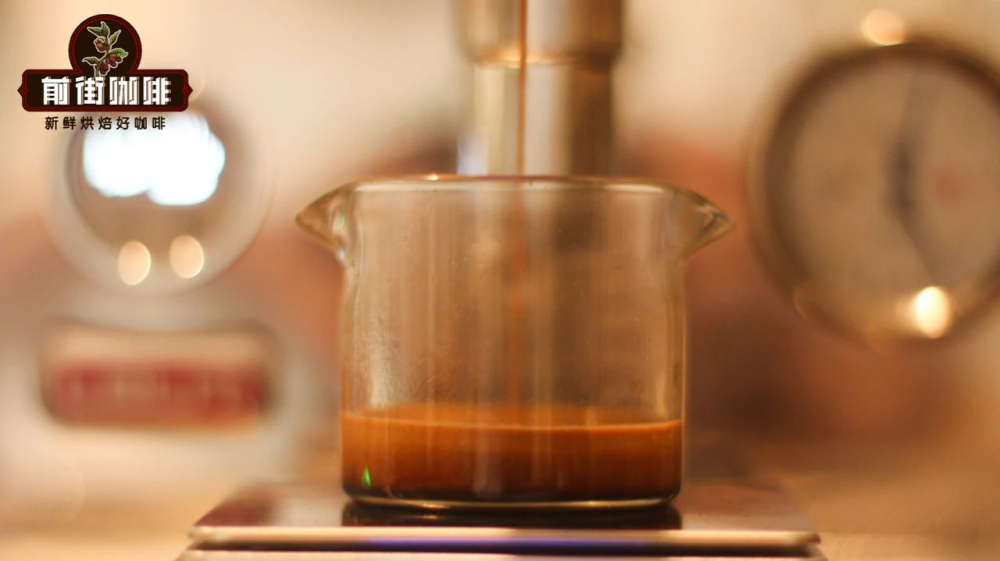
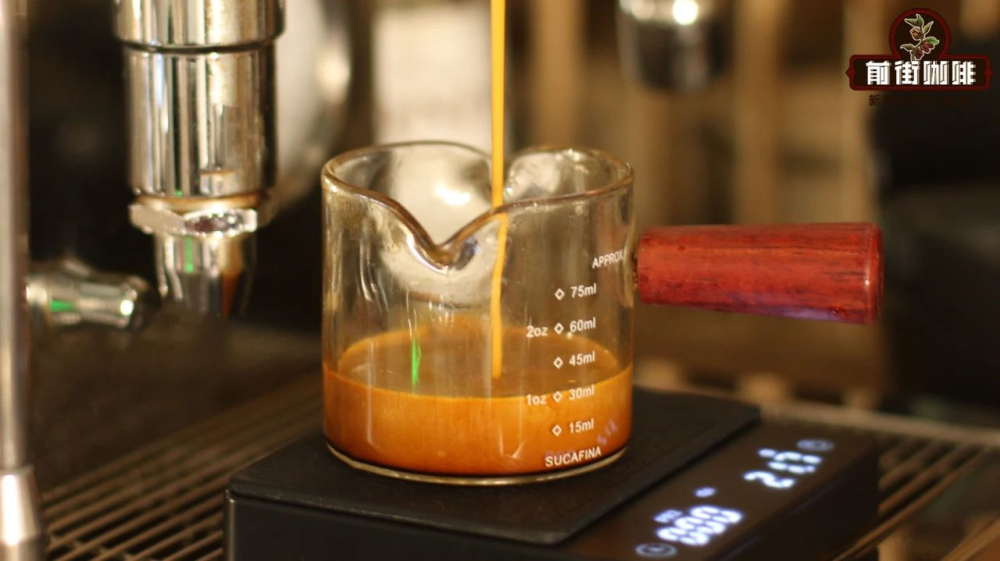
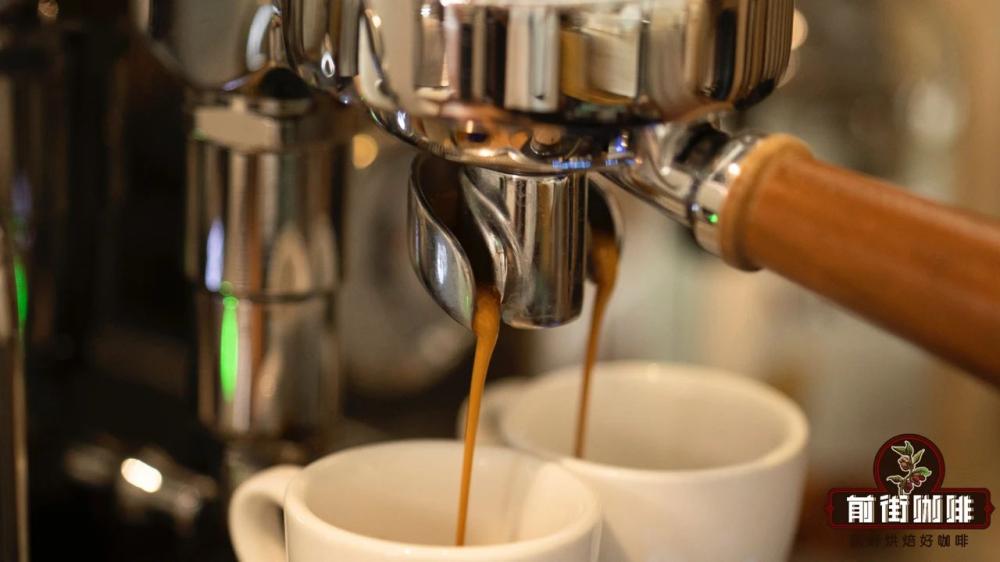
Traditional single espresso uses 8–9 grams of finely ground coffee beans, extracted under 9–10 atmospheres of pressure for 25–30 seconds, yielding 25–35 milliliters of thick coffee liquid. The ideal coffee-to-water ratio is maintained between 1:2 and 1:3.During actual operation, it’s recommended to zero out the portafilter and weigh it to ensure the coffee dosage is consistently at the portafilter’s base line.— Most single-shot portafilters have a maximum capacity of about 14 grams, but overfilling can lead to channeling. For double espresso, the coffee amount is doubled (18–20 grams), extracting 55–65 milliliters of liquid in the same time frame. This specification is especially suitable for making milk-based drinks like lattes.
Key Points on Grind Size and Equipment Adjustment
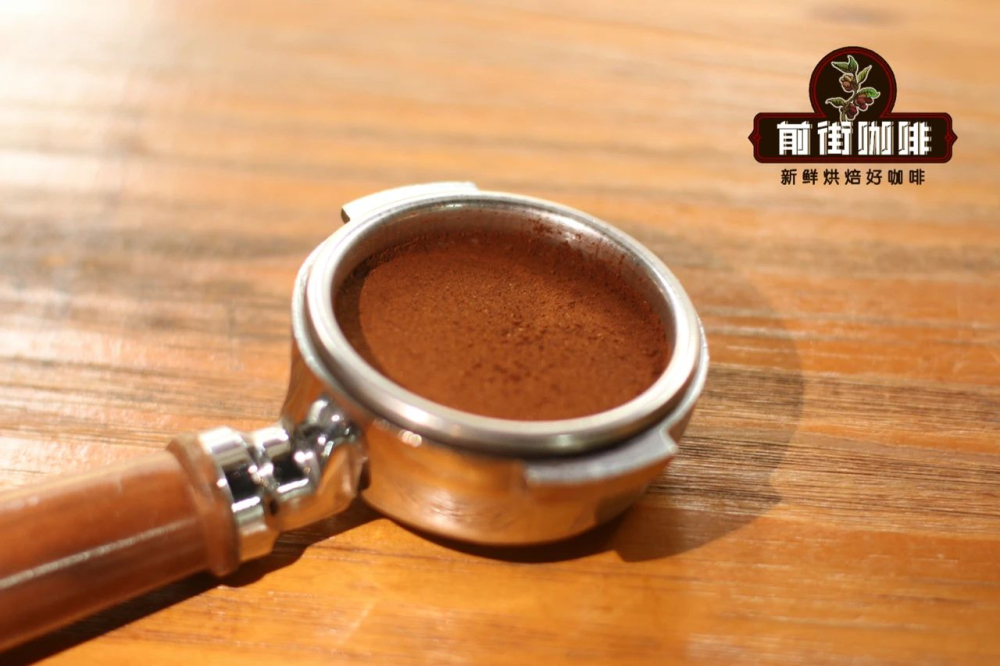
Espresso requires an extremely fine grind (close to the texture of flour), with grinder settings usually adjusted between levels 1 and 1.5.Pay attention to the extraction flow rate: if the coffee flows out as a thin, steady stream with even color, the parameters are well matched; if golden crema breaks apart or channeling occurs, slight adjustments to grind size or tamping pressure are needed.It is recommended to use an espresso machine with a pre-infusion function to improve extraction uniformity.
Coffee Bean Selection Strategy
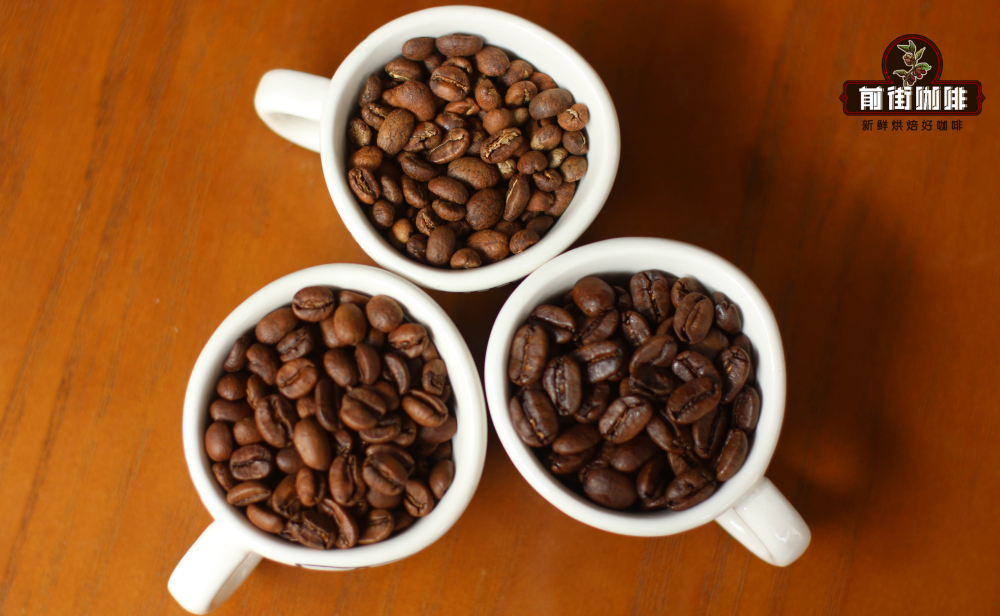
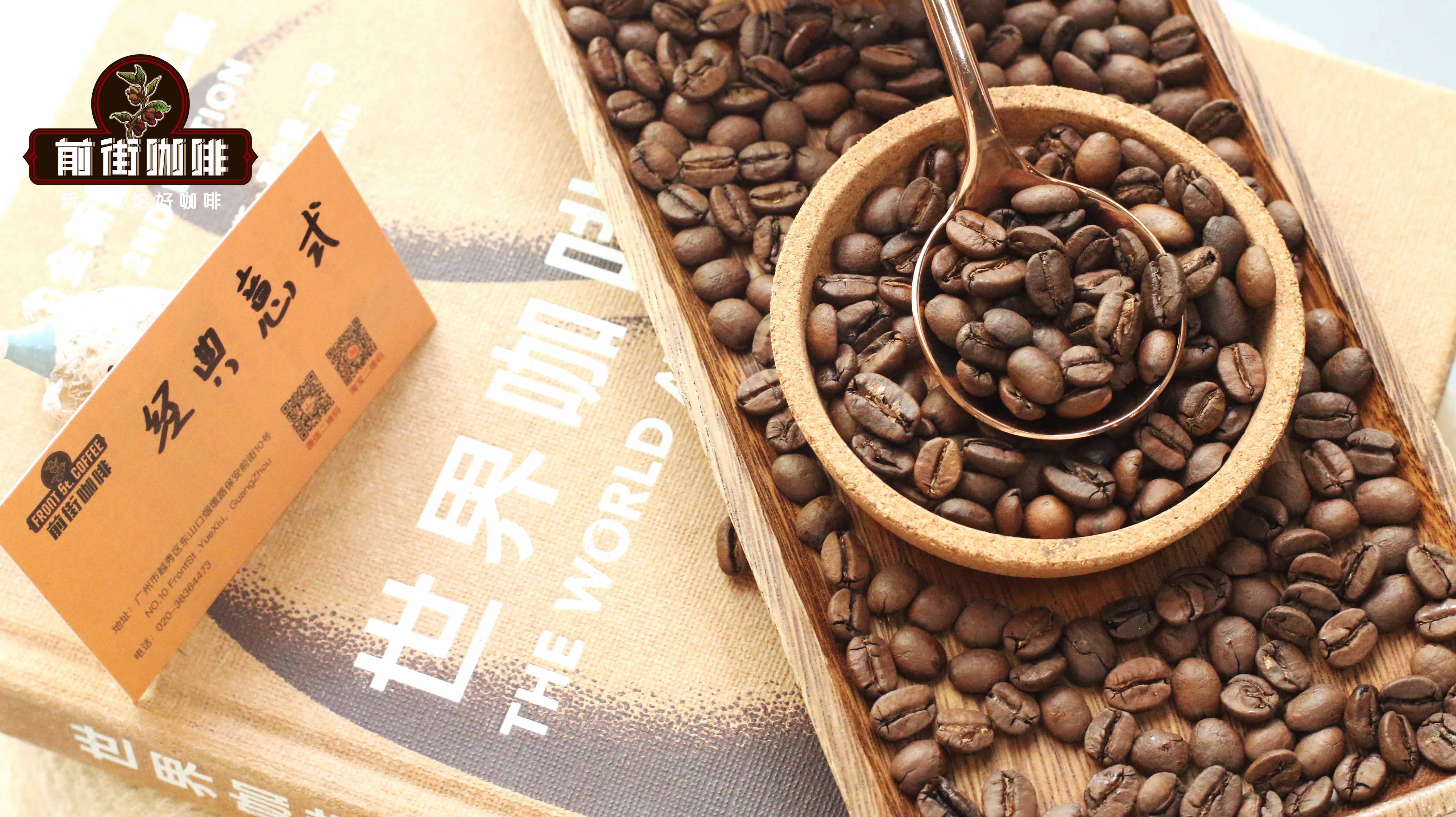
Coffee beans suitable for espresso should feature medium to dark roasting profiles; too light a roast can cause sharp acidity to be amplified by the machine’s pressure.Blended beans are recommended to balance acidity and bitterness, such as those including Brazilian beans for body, paired with Colombian or Sumatran beans to add chocolatey and caramel undert. In terms of freshness, beans roasted 7-21 days ago are most suitable for high-pressure extraction, as the release of carbon dioxide is moderate and aromatic compounds remain highly active at this stage.
. Portafilter Basket Specifications and Tamping Techniques
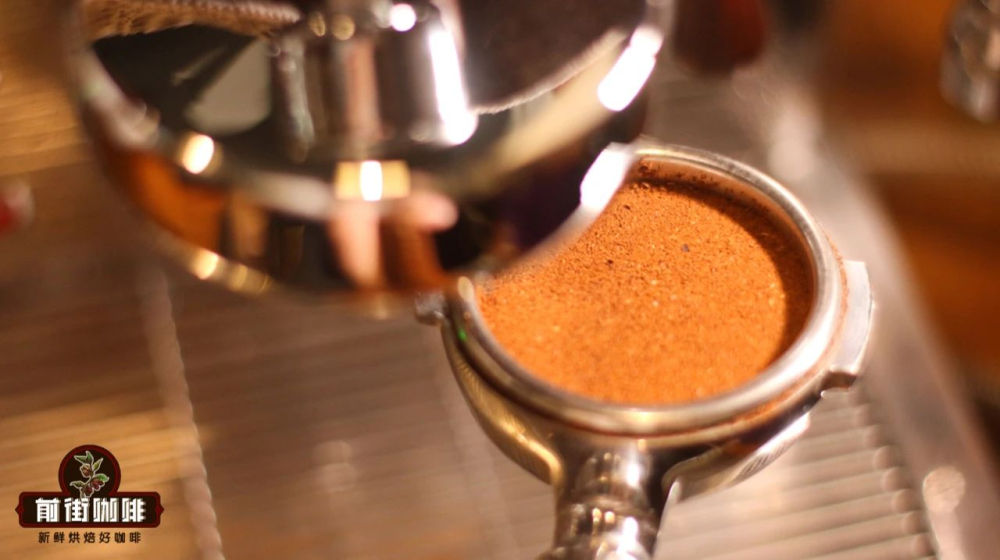
. Different brands of portafilter baskets have variations in their dose level markings. Common single-shot baskets may actually hold up to 14 grams, but it is recommended to strictly adhere to the fill line.. When dosing, evenly distribute the coffee grounds by gently tapping, then use a tamper to press vertically with a pressure of 30-40 pounds (approximately 13-18 kilograms), ensuring the surface is level without any indentations.. Regularly clean the portafilter basket to remove residual oils to avoid affecting the consistency of subsequent extractions.
. The Golden Ratio for Milk Coffee Preparation
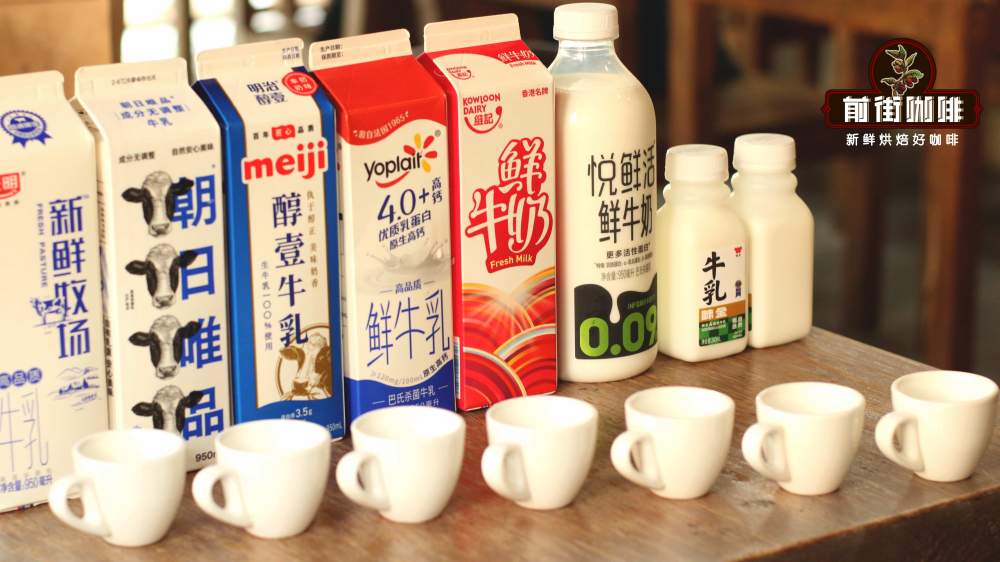
. Taking a classic latte as an example, the standard recipe is 40 grams of double espresso paired with 260 grams of steamed milk (a ratio of 1:6.5).. The milk temperature should be controlled within the range of 60-65°C; overheating can damage the protein structure, causing the foam to dissipate.. It is recommended to use chilled fresh milk with a fat content of 3.2% or higher, as its lactose crystal state is more conducive to forming fine and creamy microfoam. During the blending stage, the espresso and milk should be quickly mixed to avoid layering, which can affect the texture and flavor layers.
. Practical Workflow Optimization Suggestions
. 1. Preheat the espresso machine and serving pitcher for at least 15 minutes.
. 2. Before extraction, release boiler hot water to stabilize the temperature.
. 3. Clean the steam wand immediately after use to prevent milk residue buildup.
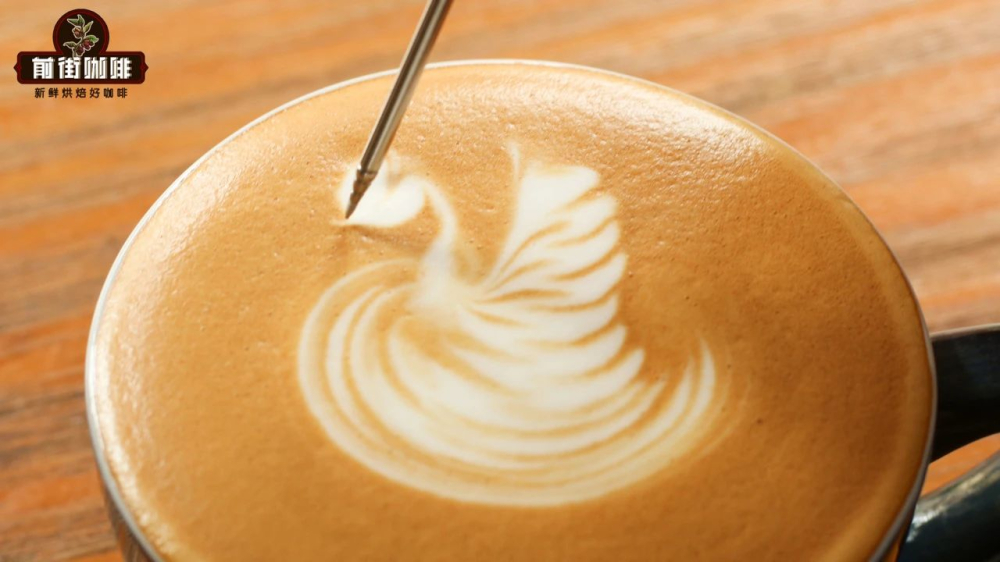
. 4. Before pouring latte art, lightly tap the bottom of the pitcher to eliminate large bubbles.
. 5. It is recommended to enjoy the finished drink within 1 minute after extraction to ensure peak flavor.


The above content is compiled by CoffeeHunters, a coffee news website.


