








Introduction:Espresso is renowned for its intense flavor and unique crema, yet its often bitter reputation deters many. This article delves into the five core flavor characteristics of Espresso, from the science behind crema formation to the selection of suitable blends, and provides a professional-level tasting guide to help you evaluate a good shot through aroma, mouthfeel, and aftertaste. It also reveals the golden brewing ratio for Americano, covering everything from extraction parameters to water-to-coffee ratios—fully addressing practical needs from beginners to advanced enthusiasts.
Many people are initially put off by the strong bitterness of Espresso upon first encounter, but this is often due to unfamiliarity with the correct tasting approach. This Italian-origin coffee beverage is not only a source of local cultural pride but also creates a distinctive concentrated flavor through high-pressure, short-time extraction (typically completed within 25–30 seconds). Early Espressos did indeed have noticeable burnt defects, but it wasn’t until the 1940s, with improvements in pressure systems, that the balanced and mellow classic flavor we know today was developed. Notably, it goes by various names in Chinese-speaking regions, including concentrated coffee, Espresso, or rich-flavor coffee—all referring to the same high-concentration coffee experience.

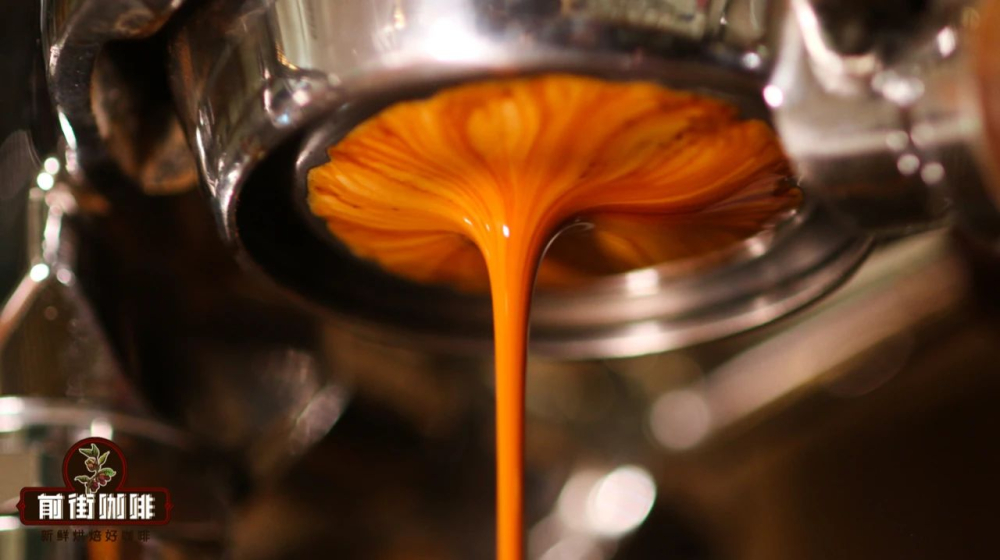
Compared to pour over coffee, which clearly showcases flavor transitions from high to low temperatures, Espresso’s concentrated nature makes its flavors more intense and immediate. With a total extraction volume of only about 30 milliliters—and the need to drink it immediately after extraction—it’s difficult for drinkers to observe temperature’s impact on flavor as they might with drip coffee. Its most distinctive feature lies in the uniqueCrema (coffee foam)—this amber-hued layer not only delivers a velvety texture but also contains a wealth of volatile aromatic compounds, making it one of the key indicators of extraction quality.
Professional baristas recommend evaluating Espresso across five dimensions: First ismouthfeel and Body (richness)—a quality shot should present a silky weightiness on the tongue; second isaroma complexity, where roast, fruit acid, and other notes should be distinctly layered; third is ⟦1Distinct flavor characteristics, such as chocolate, nuts, or citrus notes; the fourth isaftertaste persistence, where a good espresso leaves a lasting taste impression; and finally, the most crucialoverall balance, where acidity, sweetness, bitterness, and saltiness must coexist harmoniously—any overly dominant single flavor can detract from the overall experience.
The flavor profile of espresso is closely related to the degree of roast. Dark roasts (with moisture content reduced to below 11%) highlight the richness of nuts and dark chocolate, making them suitable for those who prefer a bold taste; medium-dark roasts can create a balanced flavor with caramel sweetness; while light roasts preserve more floral and fruity notes, they often struggle to withstand the intense characteristics of high-pressure extraction. In practice,it is recommended to use medium-dark to dark roast blends, with bean hardness needing to be at least 80% to withstand the 9–10 atmospheres of extraction pressure.

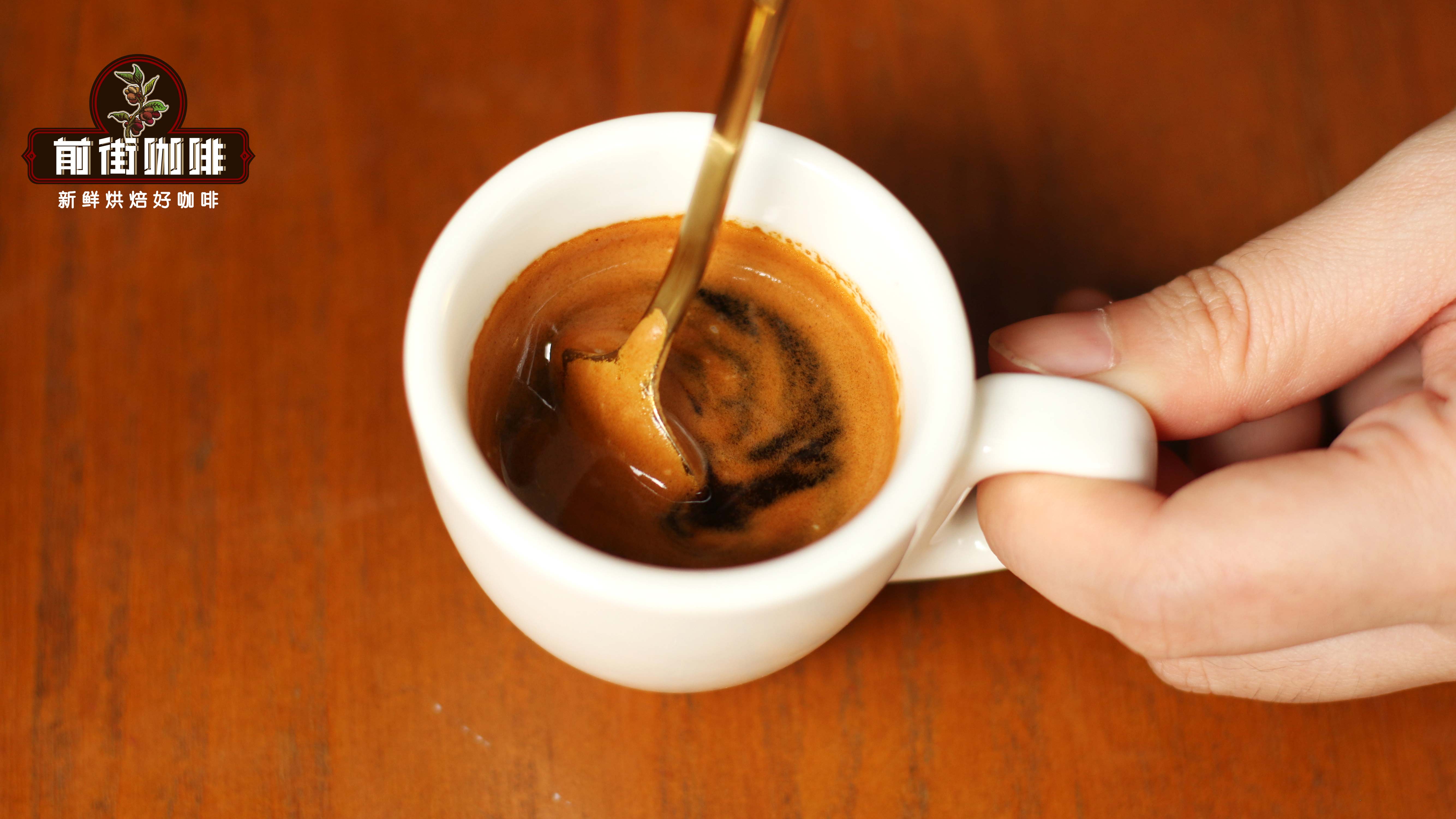
The professional evaluation process for espresso includes five key steps: first, it is advised to cleanse the palate with a sip of ice water to enhance taste sensitivity; next, you may choose to stir the coffee liquid (being careful not to let the stirring spoon touch the cup walls), blending the lighter surface layer with the thicker bottom part—this action amplifies flavor complexity; the third step involves sipping in 3–4 portions, with the first sip focusing on the creamy texture of the crema, followed by identifying acidity changes on the sides of the tongue and bitterness distribution at the back; then, exhale slowly with your mouth closed to capture the lingering aromas in the nasal passage; finally, rinse with water to verify whether the coffee’s sweetness and aftertaste are pronounced. It’s important to note thatthe ideal extraction time should be controlled between 25–30 seconds, with a coffee-to-water ratio between 1:2 and 1:2.5 (for example, 7–9 grams of coffee grounds yielding 14–22 milliliters of espresso).

Making an Americano is essentially a diluted version of espresso, but the golden ratio should be adjusted based on the context. Generally, it is recommended to usea 1:3 to 1:5 coffee-to-water ratio(for example, 30 milliliters of espresso mixed with 90–150 milliliters of hot water), with the temperature maintained at 85–92°C to avoid damaging the flavor. In practice, you can first pull a standard double shot of espresso (about 60 milliliters), then adjust the concentration with hot water according to personal preference—those who prefer a stronger taste can maintain a 1:2 ratio, while those seeking a lighter flavor can dilute it to 1:4. It should be noted thatwater should be added slowly from the centerto avoid directly hitting the crema layer and disrupting its structure.
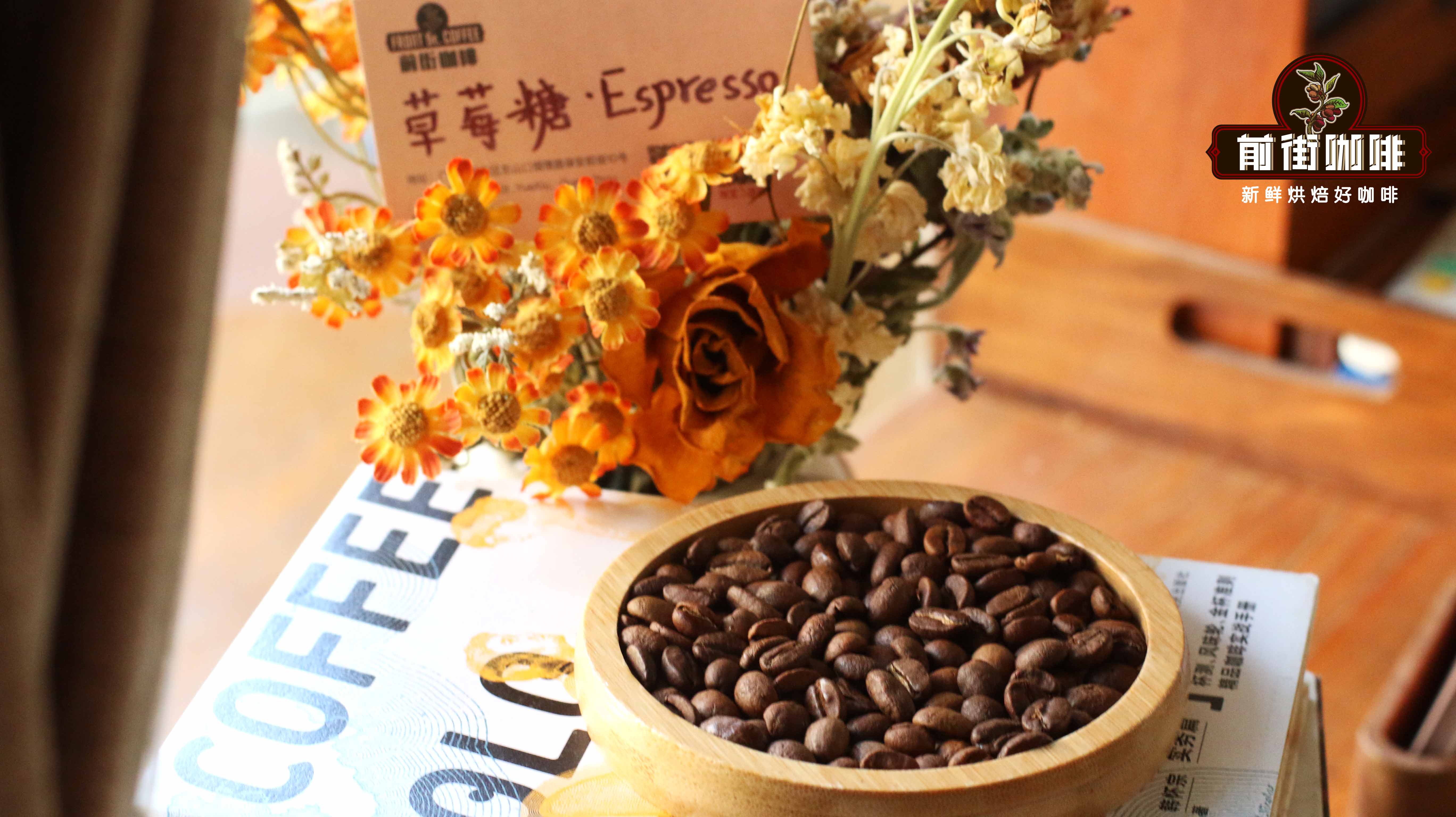
Regarding coffee bean selection, the three common typical flavor profiles on the market each have their representative blends: for those who prefer a rich chocolatey flavor, blends containing Brazilian and Colombian beans (recommended medium-dark roast) are a good choice; for those seeking a thick, creamy mouthfeel, a combination of Indonesian Mandheling and Vietnamese Robusta can create a rich texture; and for those averse to bitterness, a mix of Ethiopian Yirgacheffe and Panamanian Geisha can deliver bright berry acidity and floral notes. Regardless of the blend chosen,the coffee grind should be adjusted to a flour-like fineness(approximately 18–25 mesh sieve passing rate), and freshness is extremely critical—it is recommended to use medium-light roast beans within 7–21 days post-roast, or dark roast beans within 14–30 days post-roast.

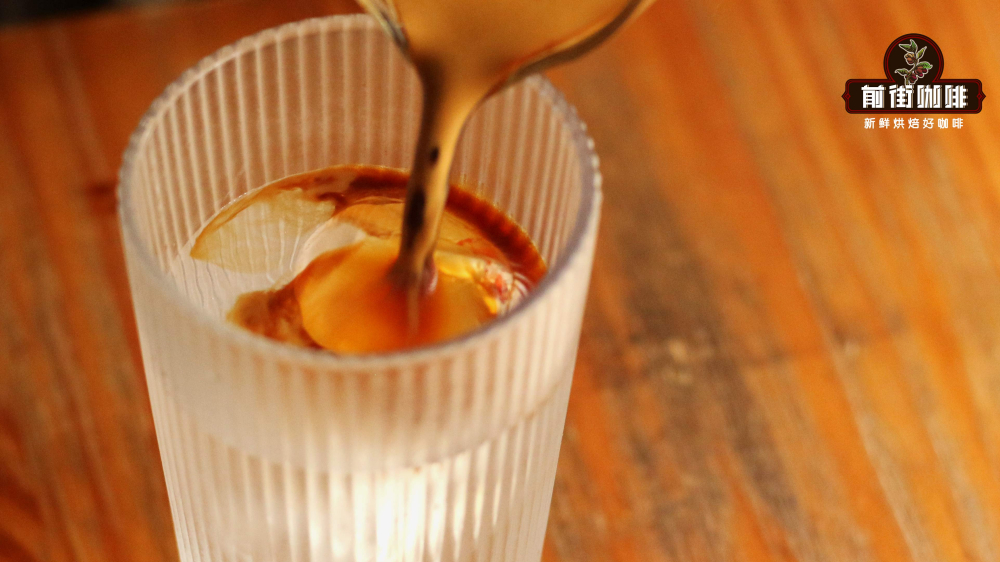
In terms of extended applications, espresso also serves as the base for many specialty coffee drinks—for example, adding steamed milk creates a latte, while combining it with microfoam milk results in a cappuccino. As a professional tip, if making an americano at home, you can usea single shot of espresso (about 30 milliliters) mixed with 150–200 milliliters of hot wateras the golden ratio—this combination retains the core flavor of the espresso while being suitable for everyday drinking. It’s especially important to consider water quality—filtered water or bottled mineral water is recommended to avoid chlorine or excessively high mineral content that could disrupt the coffee’s original flavor expression.
The above content is compiled by CoffeeHunters, a coffee news website.


