







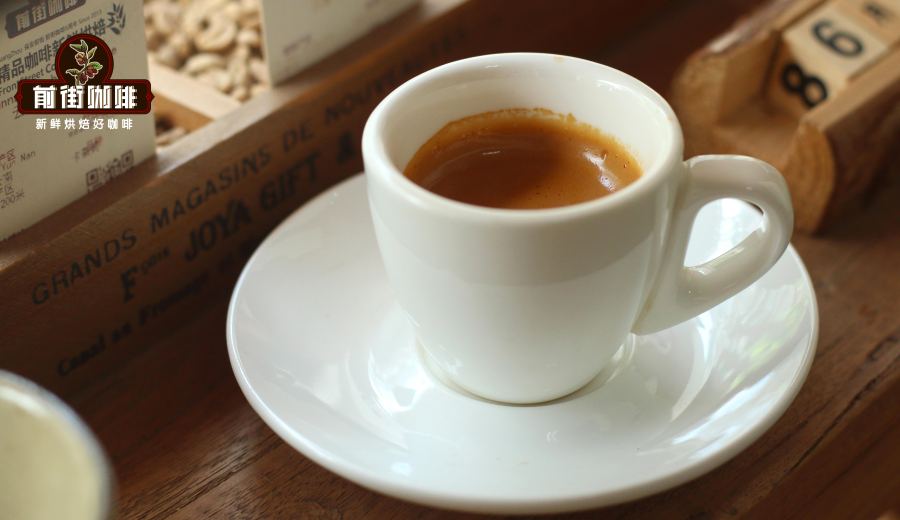
Introduction:Dive deep into the three classic types of espresso — Ristretto (short shot), Normale (standard), and Lungo (long shot) — and master their key differences in coffee-to-water ratio, extraction time, and flavor profiles. This article provides a detailed breakdown of espresso machine parameters, crema formation principles, and professional barista-level brewing steps to guide you from beginner to expert, helping you craft a richly layered, authentic espresso.
Espresso, meaning “fast” in Italian, lives up to its name — it takes just minutes from preparation to enjoyment. This highly concentrated coffee, extracted quickly under high pressure, is not only the soul base of classic drinks like lattes and cappuccinos but also represents the essence of Italian coffee culture.
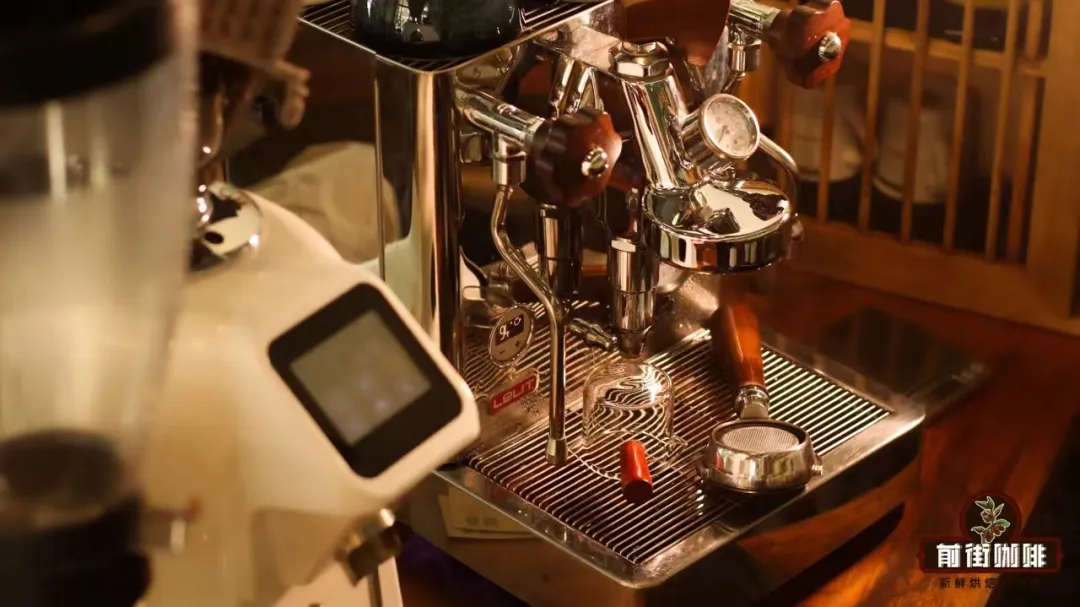
Traditional espresso is made by forcing high-pressure water through finely ground coffee beans, extracting a small amount of thick, dark coffee liquid topped with a layer of golden, fine crema. This crema is not only a visual delight but also one of the key indicators of espresso quality. As early as 1884, Italian Angelo Moriondo invented the first espresso machine, and although the technology was not yet mature, it laid the foundation for subsequent advancements. By 1948, Achille Gaggia further improved the machine by introducing a lever-operated high-pressure system, successfully bringing out the captivating crema and shaping espresso into the form we know today.
Brewing an ideal espresso requires precise control over multiple parameters, including coffee bean selection, roast level, grind size, coffee-to-water ratio, and extraction time. Generally, medium-dark to dark roast blends can deliver a richer mouthfeel and aroma, while fresh, evenly ground coffee beans are essential. The stable water pressure (typically around 9 bar) and appropriate water temperature (approximately 90–96°C) of a professional espresso machine are also indispensable.
Depending on the extraction method and coffee-to-water ratio, espresso can be divided into three main types: Ristretto (short shot), Normale (standard), and Lungo (long shot). Though all based on the same principle, these three brewing styles each have distinct characteristics in terms of flavor intensity, concentration level, and suitability for pairing with other drinks.
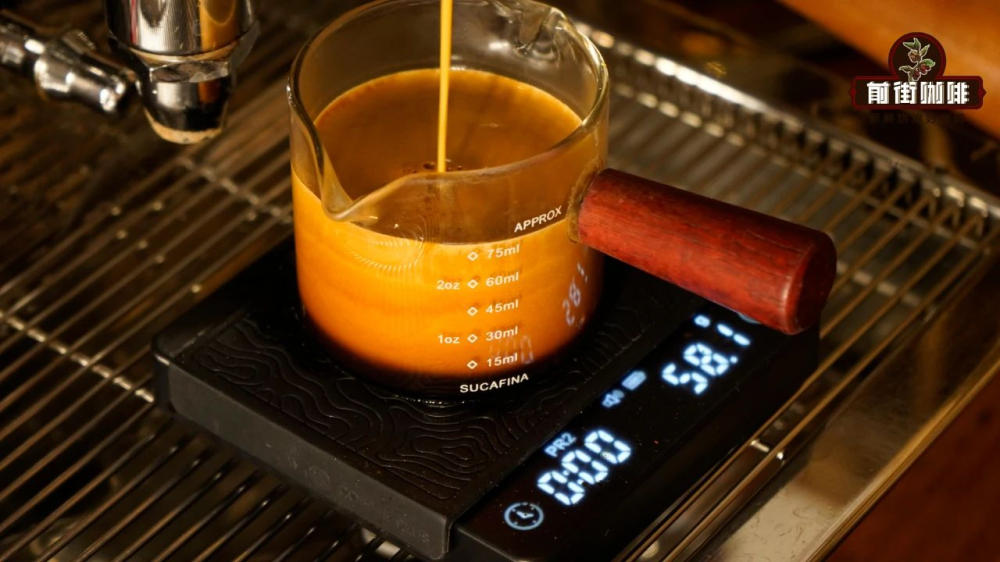
Ristretto, meaning “restricted” or “essence,” is the most intense of the three. Compared to a standard espresso, Ristretto uses the same amount of coffee grounds (e.g., 20 grams) but extracts only about 28 grams of coffee liquid, with a coffee-to-water ratio of approximately 1:1.4 and a shorter extraction time. This technique enhances the coffee’s initial flavor notes, such as bright acidity, fruity, and floral aromas, while reducing bitterness — making it a common base for premium milk-based coffees like Flat White.
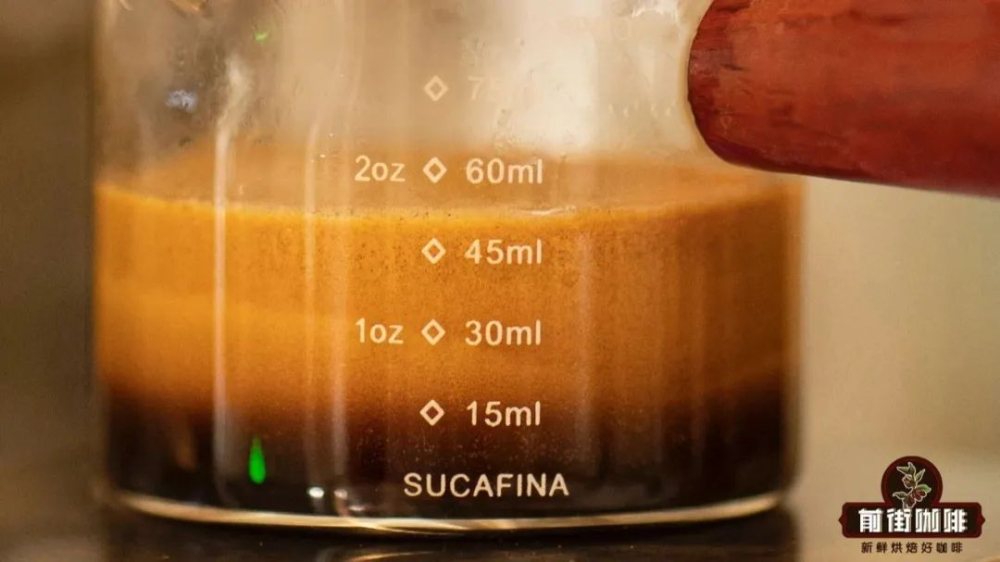
Normale refers to what we commonly call standard espresso, the most popular and widely enjoyed type. It typically uses a 1:2 coffee-to-water ratio — for example, 20 grams of coffee grounds yield 40 grams of coffee liquid, with an extraction time of around 25–30 seconds. This ratio balances the coffee’s acidity, sweetness, bitterness, and saltiness, showcasing a complete flavor profile and serving as the best option for evaluating coffee bean quality and roast style. According to the Golden Cup Standard, the extraction yield of a Normale should fall between 18%–22%, with concentration maintained within the ideal range of 8%–12%.
Lungo is the type with the largest yield and lowest concentration among the three, with “Lungo” in Italian meaning “long” or “extended.” Compared to a Normale, a Lungo uses more hot water to brew the same amount of coffee grounds, with a common coffee-to-water ratio of 1:5 (e.g., 20 grams of grounds yielding 100 grams of liquid), and extraction time may extend to over 40 seconds. Due to the longer contact time between water and coffee grounds, Lungo has a softer and smoother taste with relatively less bitterness, making it suitable for consumers who prefer a milder espresso or enjoy it straight. However, overextending the extraction time may also lead to the release of unwanted impurities, affecting the overall purity of the flavor.

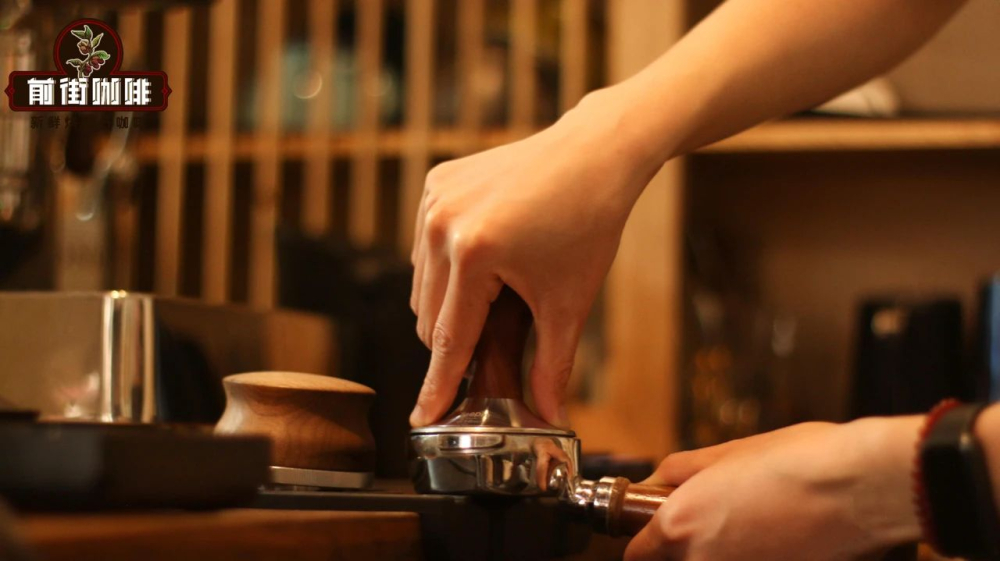
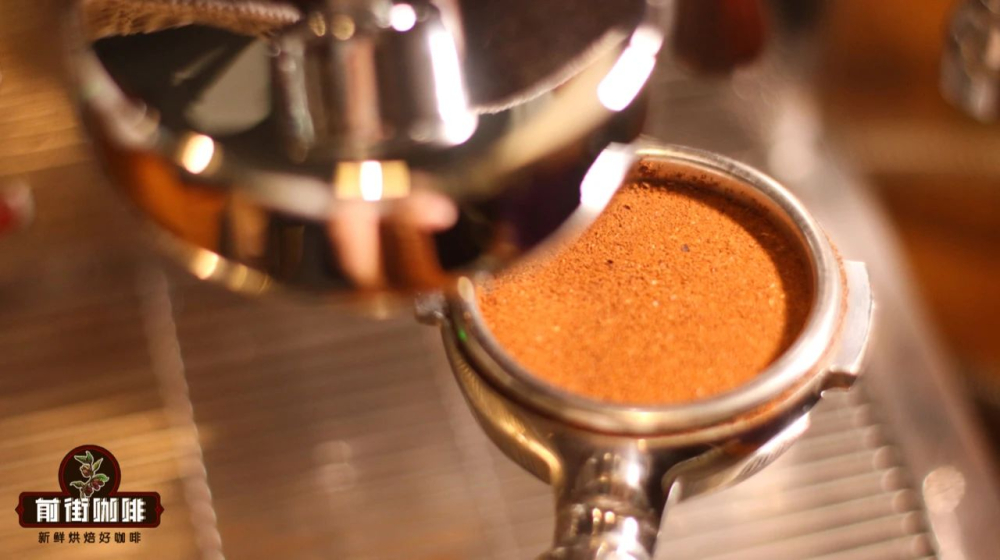
In practice, brewing a high-quality espresso depends heavily on proper steps and details. First, select freshly roasted, evenly ground coffee beans (a double-shot basket with about 18–20 grams of coffee is recommended), and ensure your grinder is properly calibrated. Next, evenly distribute the coffee grounds in the portafilter, use a distribution tool to level the surface, then apply vertical pressure with a tamper to create a compact and even coffee puck. Pre-wetting the group head helps improve extraction uniformity, after which the portafilter should be securely attached to the machine.
When starting the extraction process, closely monitor both the extraction time and the volume of liquid released. For a standard Normale, the goal is to extract 40 grams of coffee in 25–30 seconds, at a 1:2 coffee-to-water ratio. If the extraction time is too short (e.g., under
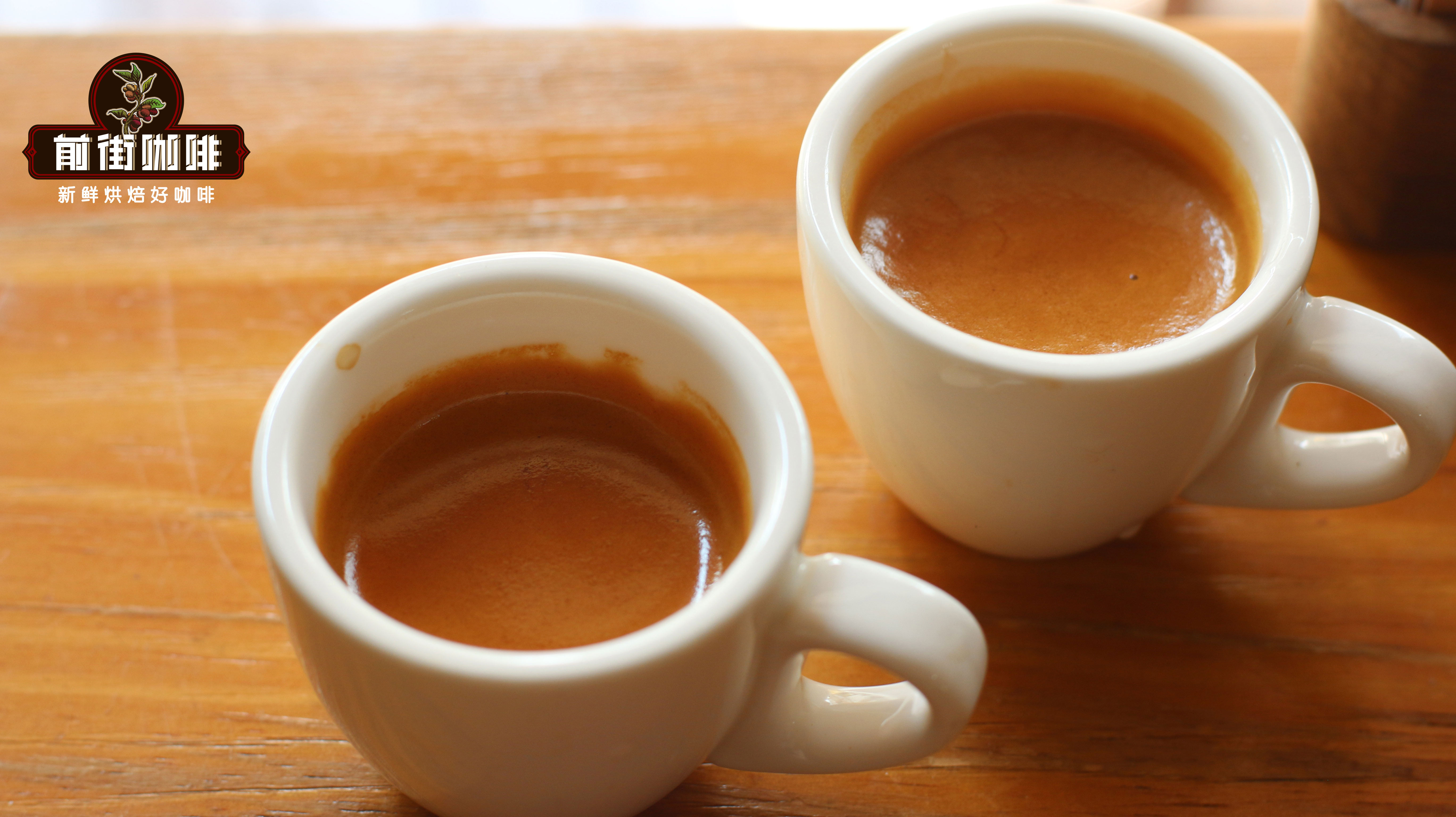
Finally, it is recommended to cleanse your palate with a sip of water right after brewing the freshly extracted Espresso. This helps reset your taste buds, allowing you to better appreciate the distinct layers of aroma and flavor in the crema and the coffee liquid. If you find the flavor too intense, you can also adjust it to your preference by adding hot water or milk to create various espresso-based variations. Whether you're focused on the pure enjoyment of a single flavor or using it as the base for creative beverages, mastering the art of Espresso extraction will allow you to experience the endless charm of Italian-style coffee.
The above content is compiled by CoffeeHunters, a coffee news website.


