







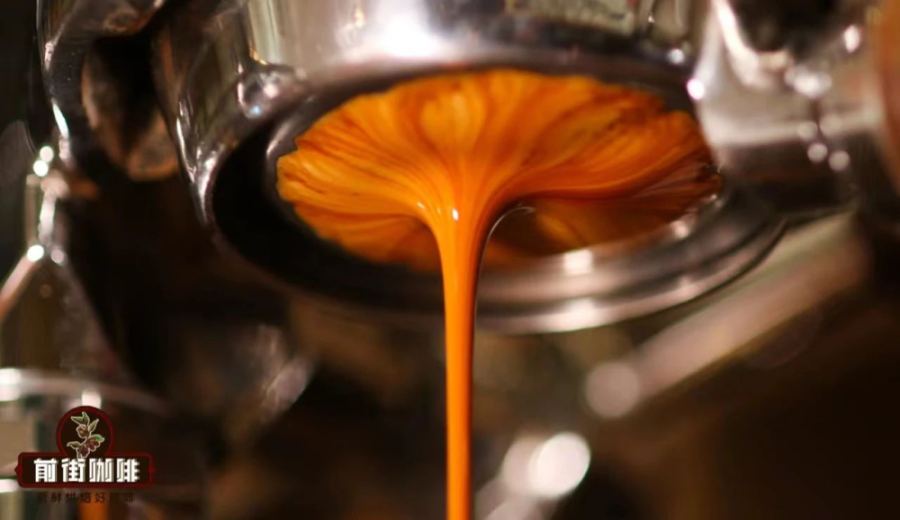
Introduction:Espresso is not just a quickly extracted black liquid; it carries the essence of Italian culinary culture and is the soul of modern cafés. This article will take you on a journey through the history of espresso, from the steam-powered coffee machines of the 19th century to the evolution of modern espresso blends, as well as offering practical advice on selecting home espresso bean blends. This way, you can find the coffee beans that best suit your flavor preferences based on different taste needs.
Espresso is renowned worldwide for its rich and bold flavor, becoming an important symbol of Italian culinary culture. This type of coffee, extracted quickly under high pressure, first gained popularity in Southern European countries such as Italy, France, and Spain, and later spread across the Americas. It even became widely loved in the United Kingdom, known as the "kingdom of black tea." Espresso is not just a beverage but also represents a certain pace of life and a social experience.

The history of coffee in Italy dates back to 1580, when coffee beans from Africa and the Middle East entered Italy through the port of Venice. However, it was initially only enjoyed by the upper class. Since coffee originated from the Middle East and Turkey, many Christian Italians once regarded it as the "devil’s drink." It wasn’t until the early 17th century that Archbishop Clement VIII personally tasted and appreciated the beverage, calling it the "drink of God," that coffee was officially “baptized” and became acceptable for Christians to enjoy.
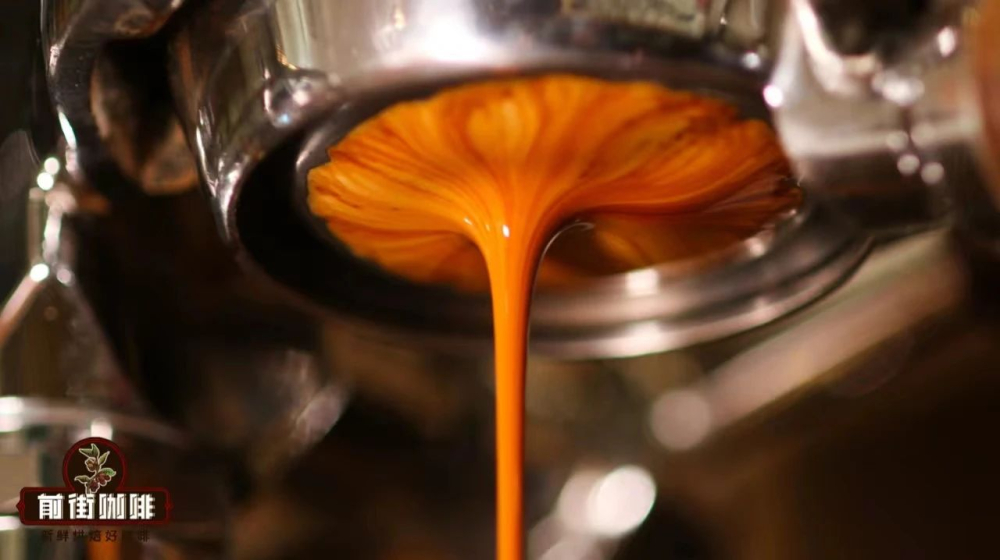
In 1645, the first café in Europe dedicated solely to selling coffee opened in Rome, marking the beginning of coffee's popularization in Italy. Over time, Italians not only developed a unique coffee culture but also played a key role in innovating coffee equipment. In the early days, people used Turkish pots to brew coffee manually. It wasn’t until the Industrial Revolution that the pursuit of efficiency led to rapid advancements in coffee machine technology.
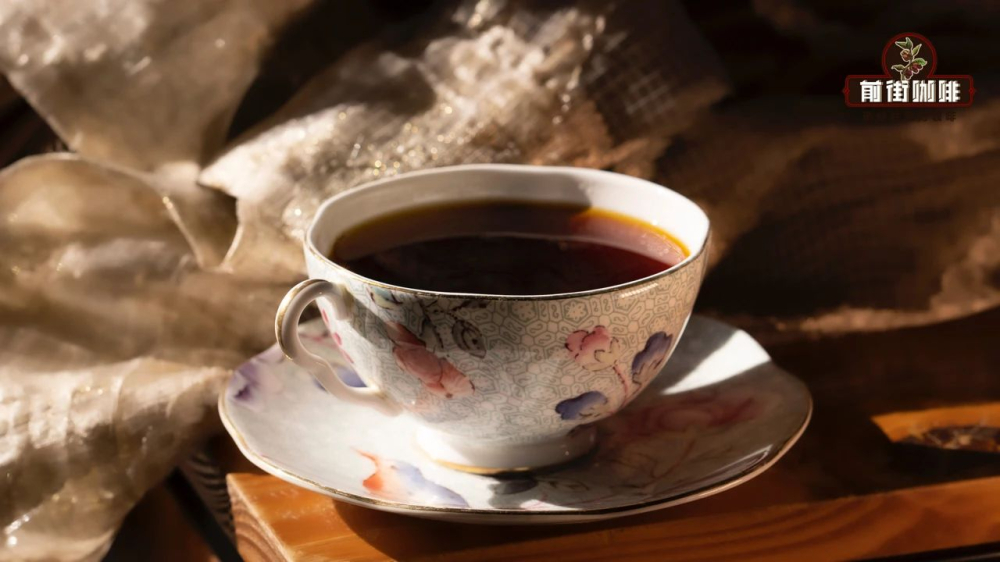
In 1884, Angelo Moriondo of Turin, Italy, obtained the patent for the first steam-powered coffee machine. However, because it relied entirely on steam heating, temperature control was difficult, often resulting in over-extracted coffee with a burnt and bitter taste. Later, the technology was improved by various individuals, gradually overcoming these issues.
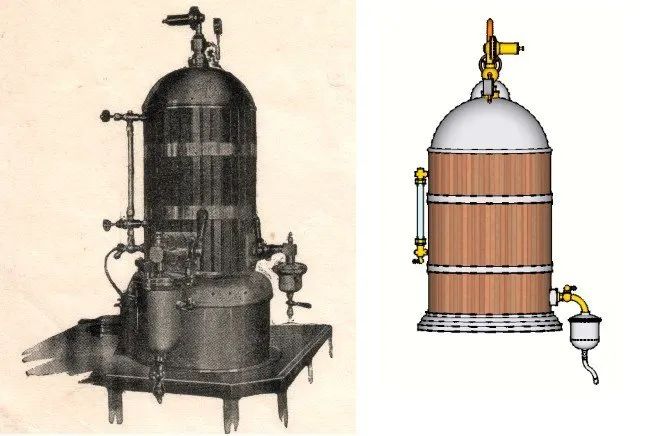
In the late 19th century, Milan-based manufacturer Luigi Bezzera improved upon the original patent and introduced the world’s first prototype of a steam-pressure coffee machine. This machine featured a detachable handle and modular assembly head, allowing for quick extraction of coffee under high pressure in a short time, significantly improving extraction efficiency and flavor consistency. With the advent of this new type of coffee machine, the term "espresso" was officially included in the Italian dictionary around 1920, defined as "concentrated coffee made using a pressurized machine or filter."
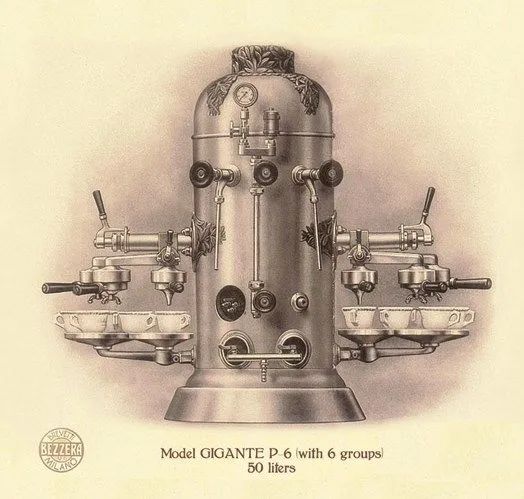
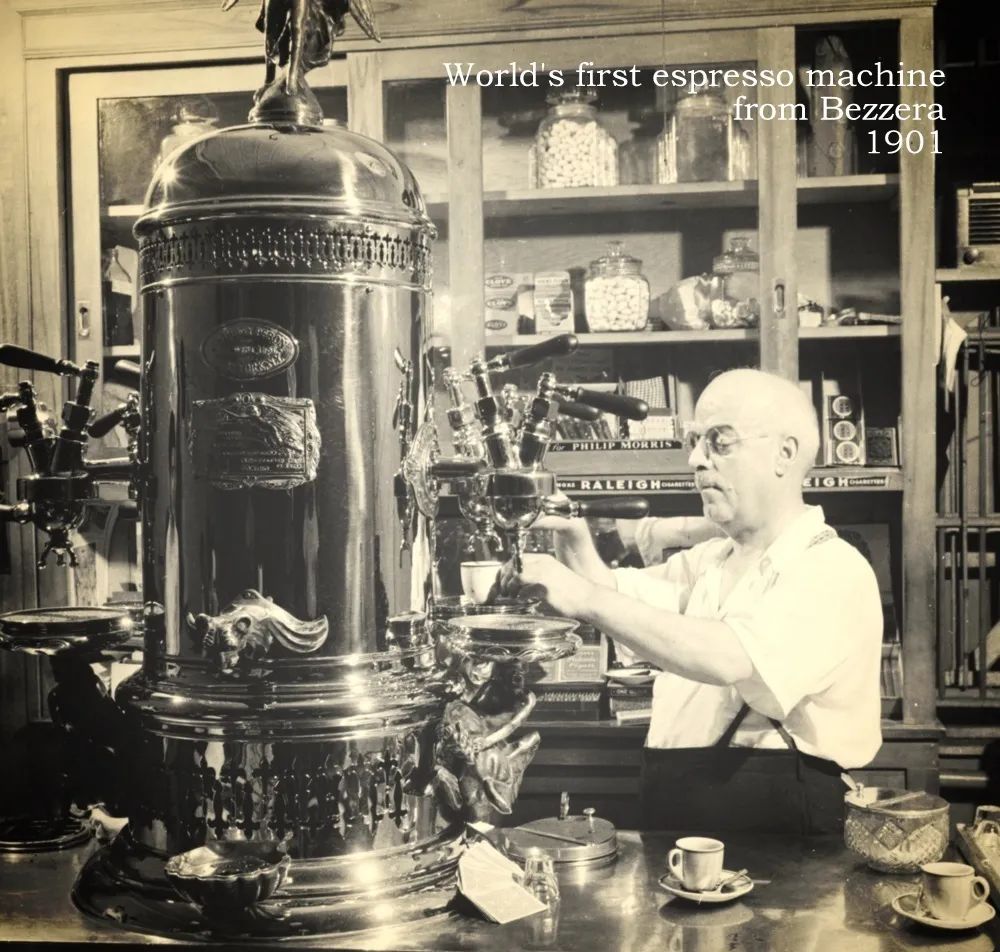
Among them, the innovation by Milan engineer Achille Gaggia in 1938 was particularly pivotal. He added a lever mechanism to the coffee machine, which increased water pressure from 1.5 bar to 9 bar. This not only successfully extracted the captivating dark brown crema on the surface of the coffee but also made the extraction volume of each cup more stable. This became the foundation of modern espresso. Since then, espresso has not only become widespread in Italy but also formed an essential basis for coffee beverages globally.
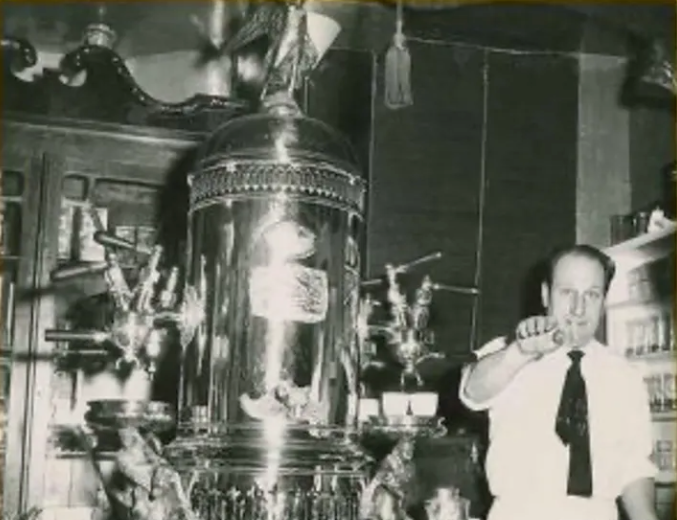
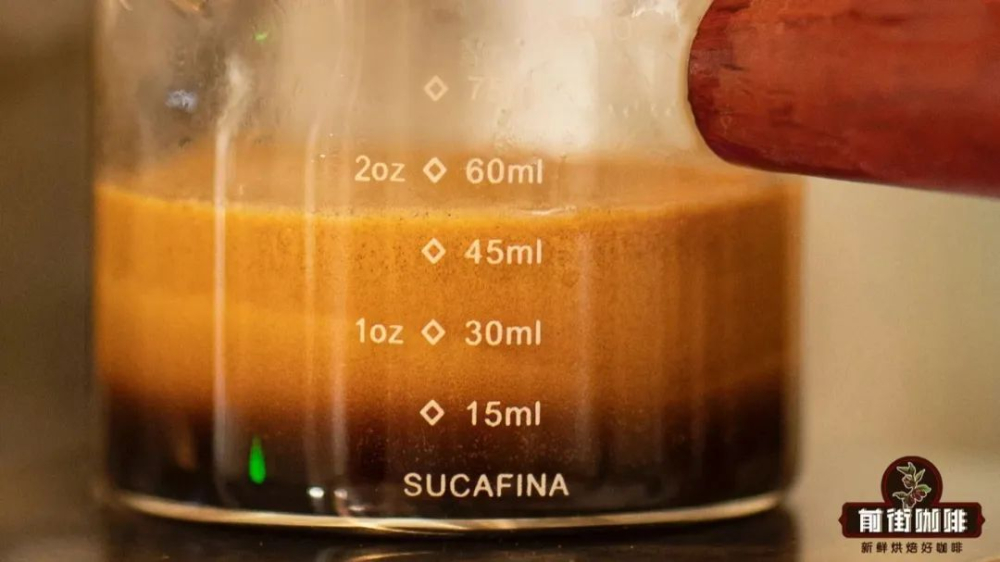
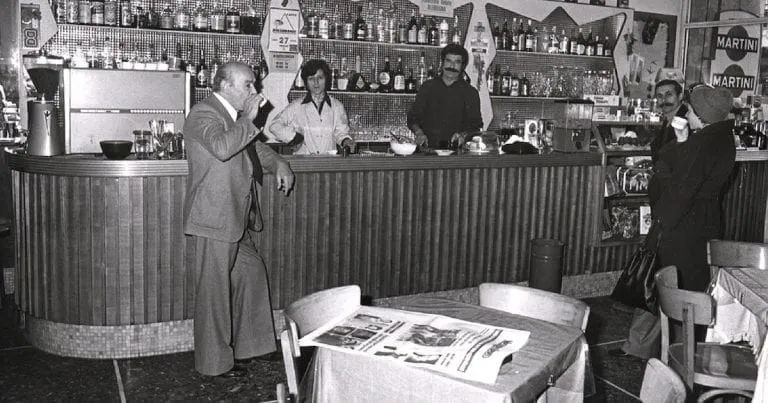
Espresso culture has deeply influenced the daily lives of Italians. In Italy, it is common for people to walk into a café and simply order a “single shot of espresso,” usually a dark roast with a strong flavor, often blended with Robusta beans to enhance the crema layer. They drink it in one go and continue with their busy day. A single espresso typically costs about 1 euro, making it an affordable everyday pleasure. For Italians, only espresso is considered the “real coffee.” They prefer a bold, rich, and slightly bitter taste, believing that coffee aids digestion rather than simply providing a caffeine boost.
If you want to replicate authentic Italian espresso flavors at home, choosing the right blend of coffee beans is crucial. Below are four common types of home espresso bean blends, including their recipes and flavor characteristics, allowing you to choose based on different budgets and taste preferences:

1. Basic Espresso Blend Coffee Beans (454g / 1 pound)
Suitable for users on a limited budget or beginners, the flavor is relatively simple, featuring mild fruit acidity, caramel sweetness, and notes of nuts and dark chocolate. The mouthfeel is smooth but overall relatively mild in expression.
Blend ratio: Yunnan beans : Brazilian beans = 3 : 7
2. Commercial Espresso Blend Coffee Beans (454g / 1 pound)
Ideal for everyday use in cafés, with a balanced flavor, featuring caramel sweetness, along with notes of nuts, cocoa, and dark chocolate. The acidity and sweetness are well-balanced, with a slightly bitter-sweet aftertaste, making it suitable for cafés aiming for consistent quality.
Blend ratio: Colombian : Brazilian : Robusta = 3 : 6 : 1
3. Premium Espresso Blend Coffee Beans (454g / 1 pound)
Features a gentle acidity, with sweet and nutty aftertastes, delivering an overall mild and non-irritating profile. The crema is moderate, suitable for daily use in general cafés.
Blend ratio: Colombian : Brazilian = 3 : 7
4. Sunflower Warm Sun Espresso Blend Coffee Beans (227g / 0.5 pound)
Characterized by distinct fruit acidity, berry aroma, and wine-like notes, with intense chocolate flavors and excellent aftertaste. It is suitable for coffee enthusiasts who enjoy unique and layered flavor profiles.
Blend ratio: Honduran Sherry : Yirgacheffe Red Cherry = 7 : 3
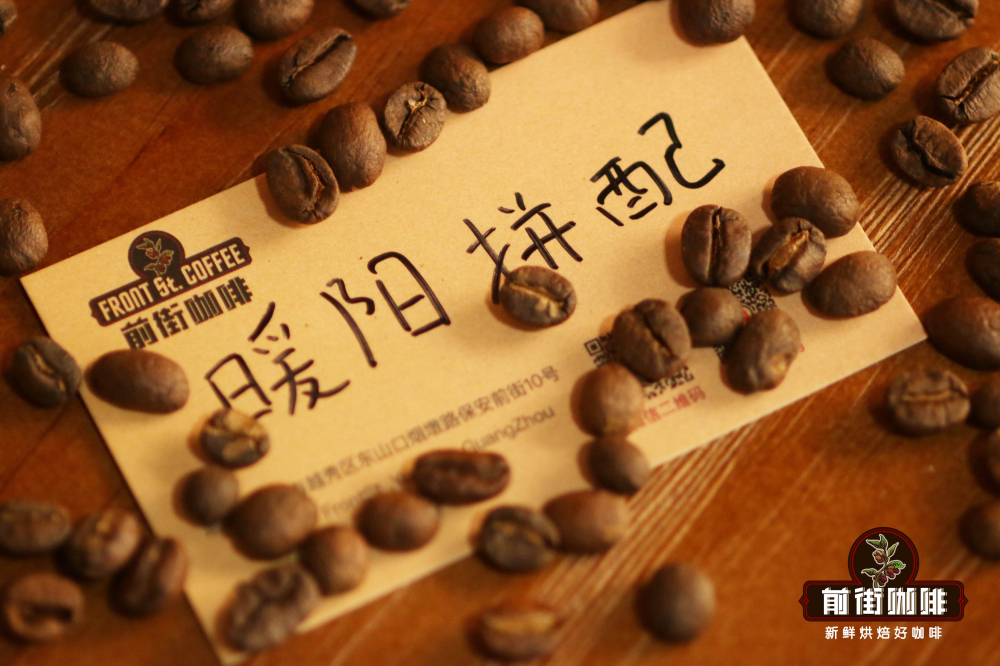
This Sunflower Warm Sun blend is currently a popular choice among many cafés for making espresso at home. Its unique and layered fermented wine and berry flavors can bring a professional-level coffee experience to your home brewing.
The above content is compiled by CoffeeHunters, a coffee news website.


