







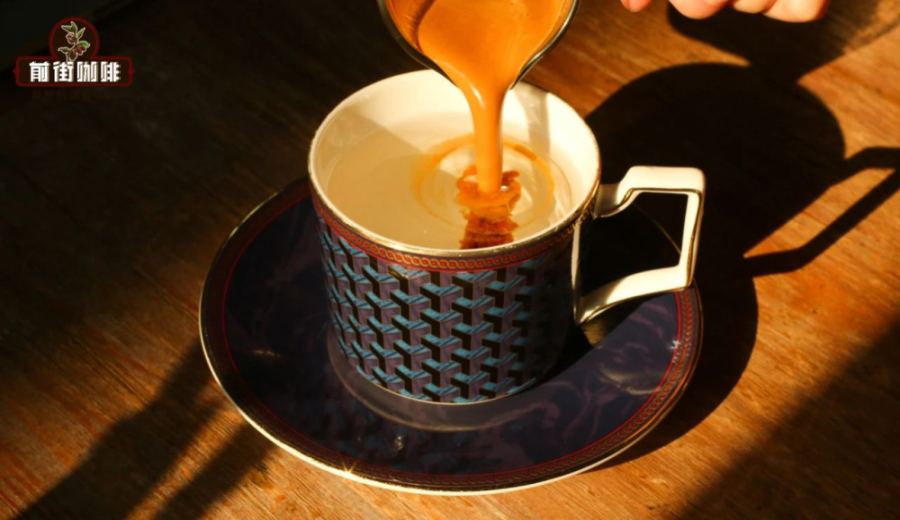
Introduction:Espresso-based drinks are staples on café menus, yet Espresso, Cappuccino, and Dirty may look similar yet each has its distinct character. This article delves into the origins, brewing parameters, and flavor differences of ten classic Italian-style coffees—from the 9-bar high-pressure-brewed concentrated base to the golden ratio of milk and coffee—helping you master the unique charm and brewing tips of each drink.
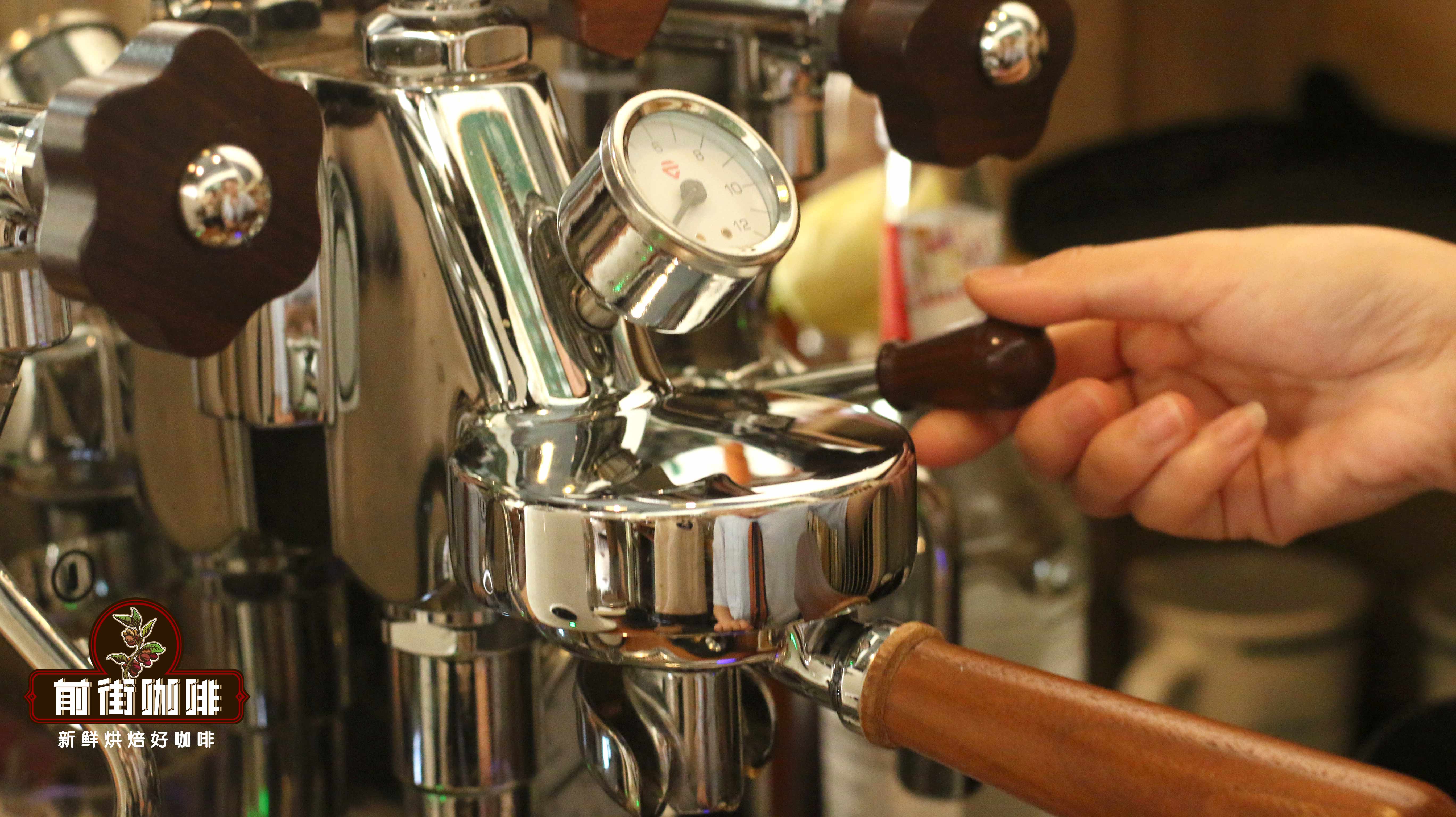
The family of Italian coffee centers around Espresso, a technique that extracts 30ml of liquid within 20–30 seconds using water at 92–94°C and 9-bar pressure, forming a golden-brown crema layer on the surface.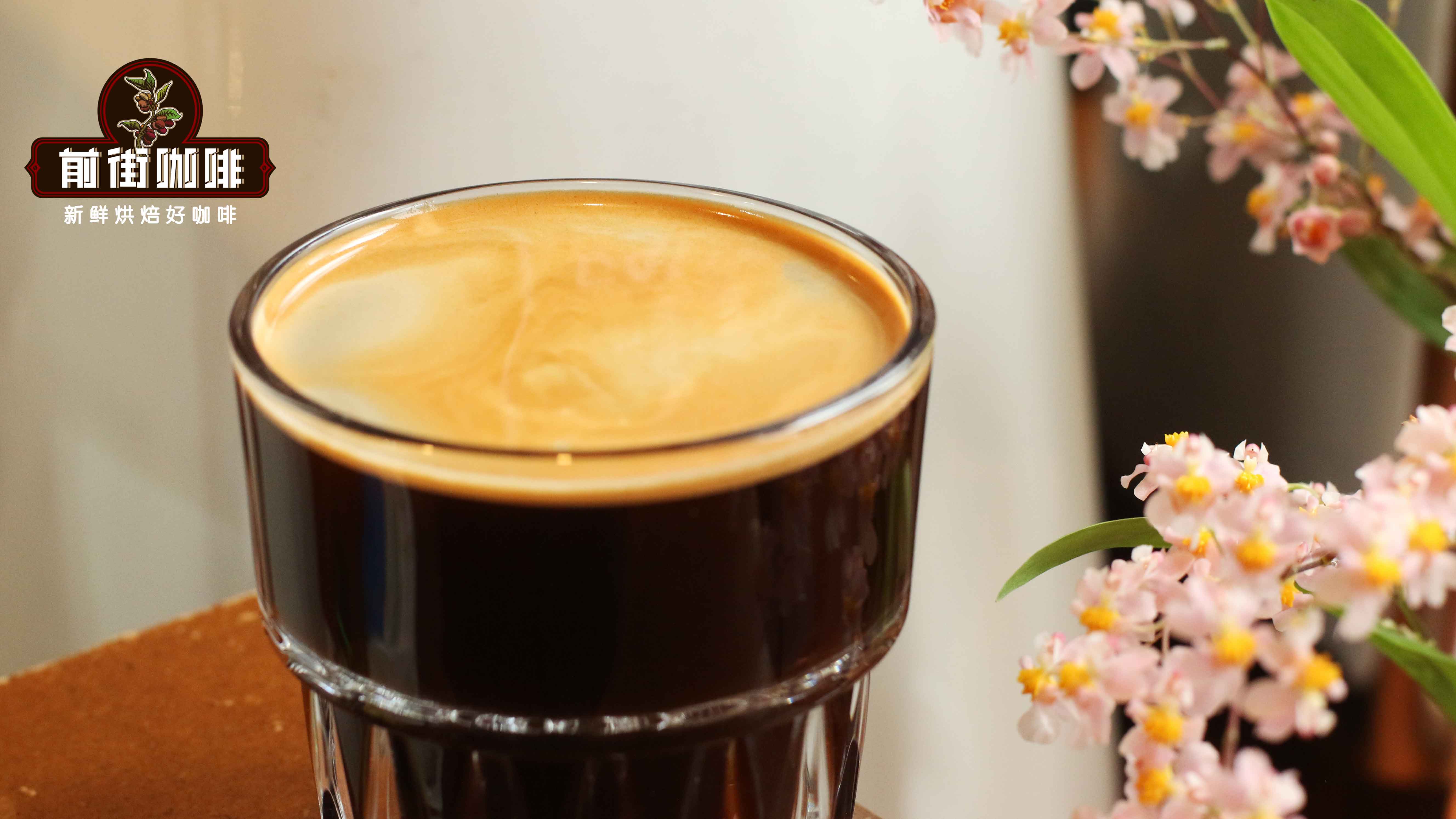 Its unique roasted aroma and rich taste become the soul base for all subsequent gourmet coffee variations.
Traditional espresso requires finely ground coffee powder, and tamping must ensure the puck density is even. It’s worth noting that different roast levels affect the color of the crema—dark roasts yield a deep brown, while medium-to-light roasts tend toward golden yellow.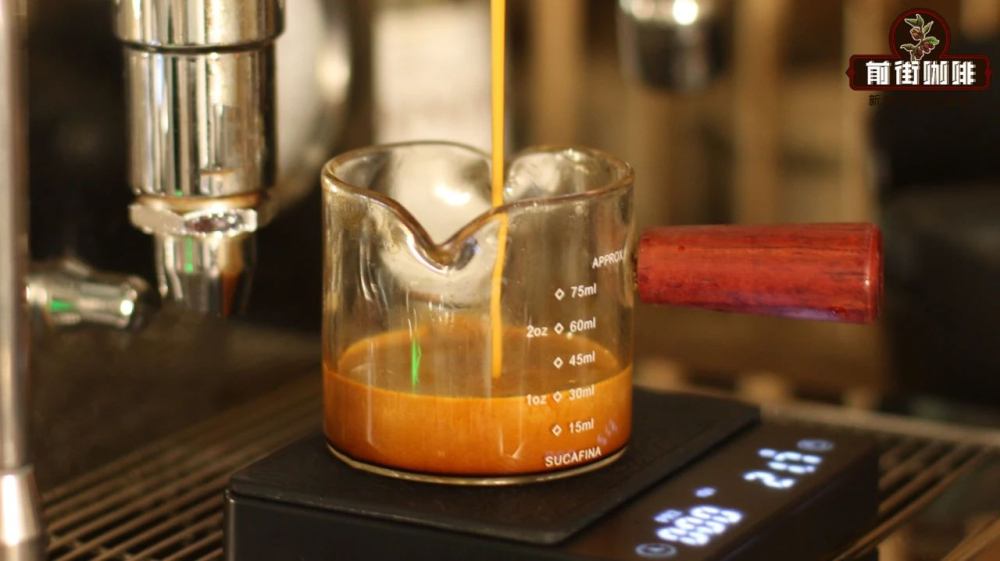 This high-pressure extraction method was first perfected by Italian baristas and has since become an international standard.
Americano is the simplest variation, made by diluting a double shot of espresso (approximately 40g of coffee grounds yielding 40ml of liquid) with hot water at a 1:4.5 ratio, resulting in a total volume of about 220ml.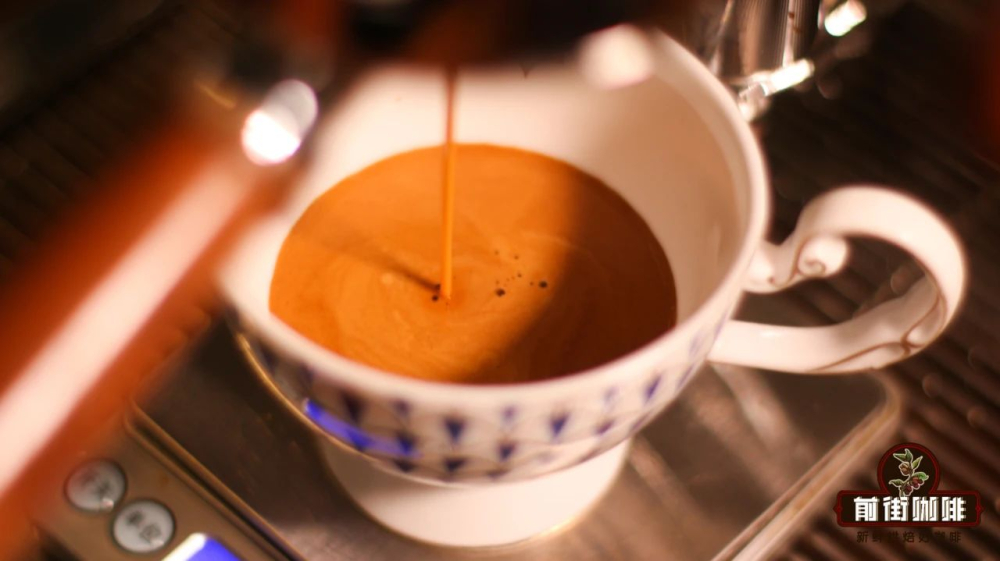 Legend has it that this method originated with American soldiers stationed in Italy during WWII, used to tone down the intense coffee flavor. It’s recommended to use freshly extracted espresso to avoid accentuating off-flavors through dilution.
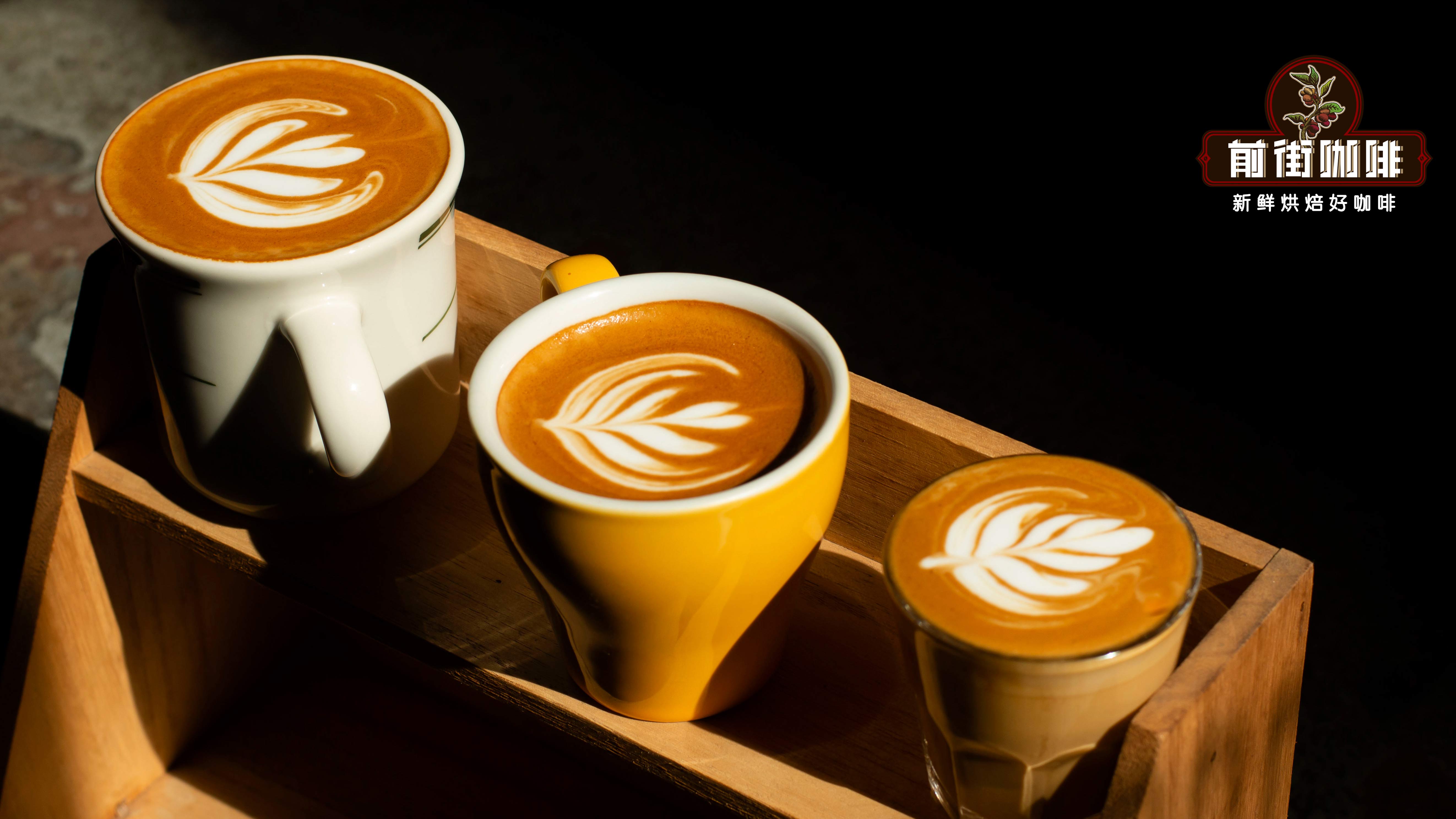
The golden ratio for a Latte (Caffe Latte) is 1:2:2—espresso, hot milk, and milk foam each taking up one-third of the volume. In practice, a double shot of espresso is often paired with 260ml of milk, with a milk foam thickness of about 1cm. When creating latte art, be sure the milk temperature does not exceed 65°C to avoid damaging the microfoam structure. This drink, originating from northern Italy, has now become one of the most popular coffee choices worldwide.
A Cappuccino strictly follows a rigorous 1:1:1 ratio. When served in a 180ml tulip cup, the espresso, steamed milk, and thick foam each occupy 60ml.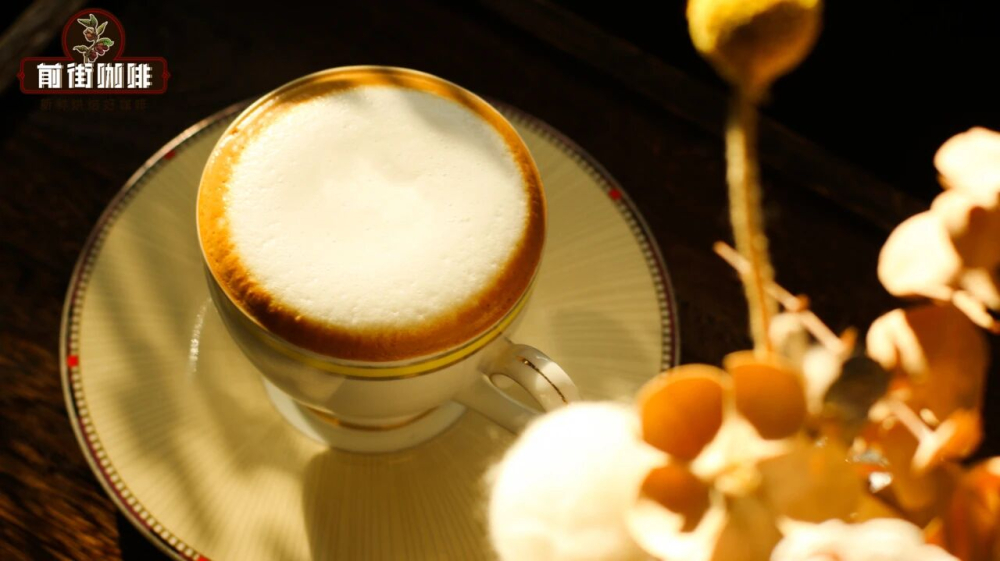 Its name comes from the brown robes of Franciscan monks, and a perfect cappuccino should show uniform three-tiered coloration. It is professionally recommended to use whole milk, which yields a denser and more supportive foam.
Macchiato literally means "marked." The traditional method involves dotting the surface of an espresso with a spoonful of fine milk foam as a mark. Modern versions may include a small amount of steamed milk but still maintain the dominant flavor of the espresso. This drink is especially suitable for enthusiasts who appreciate the original flavors of coffee.
 The white spots on the crema create a dual contrast—both visual and taste-wise.
Caramel Macchiato, though sharing the same name as the traditional macchiato, is actually a sweet drink created by Starbucks. Based on a medium cup size of 355ml, it includes 30ml of espresso, 20g of chocolate syrup, 260ml of milk, a generous amount of milk foam, and is topped with caramel sauce.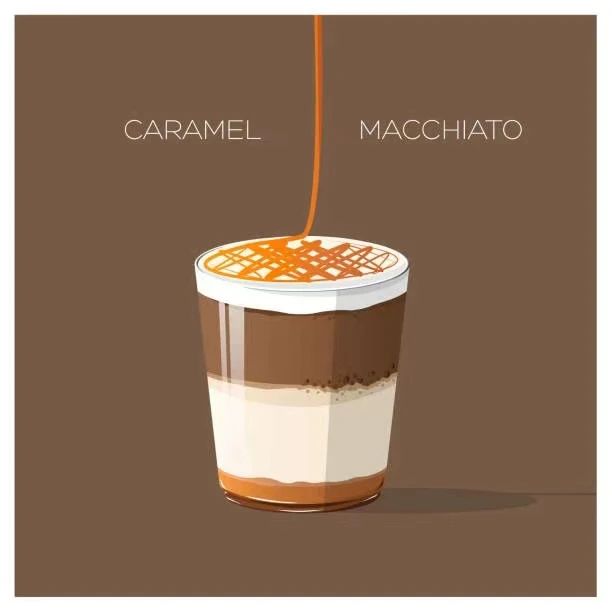 When making it, attention should be paid to the order of pouring layers; it is recommended to pour the milk first, then add the espresso to create a layered effect.
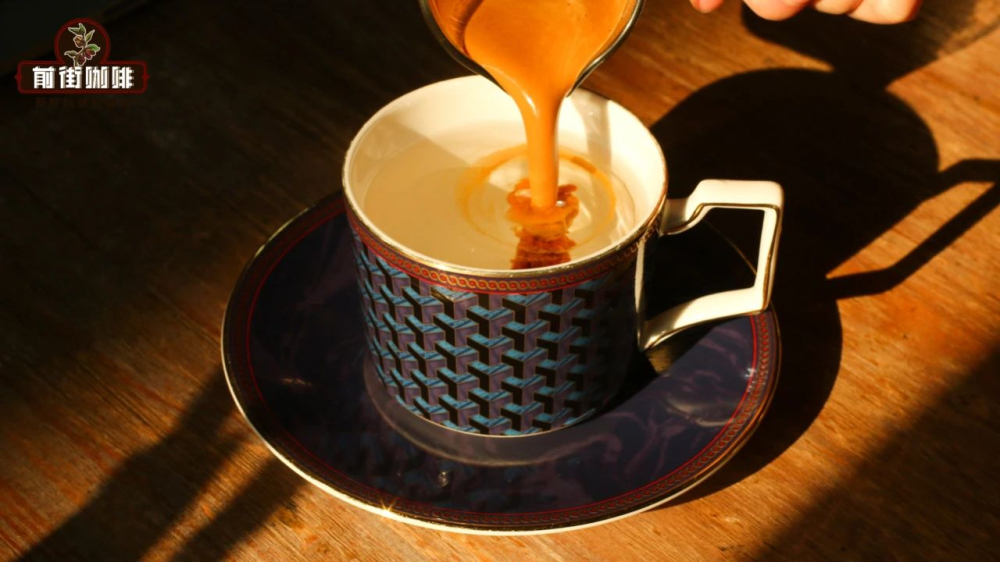
Dirty coffee is a popular iced drink creation in recent years, the key being the use of a glass cup to showcase the visual convection between hot espresso and ice-cold milk.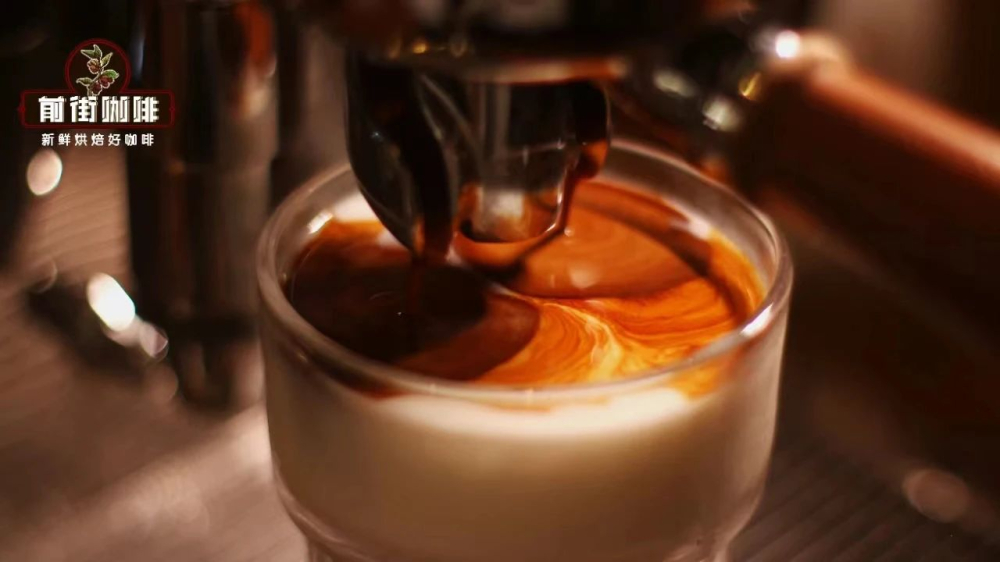 The standard method is to pre-fill the cup with 150ml of ice-cold milk, then vertically pour 40ml of hot espresso to a height of 1cm, using the temperature difference to create a gradient effect. It is not meant to be stirred, allowing you to experience the flavor transition from hot to cold.
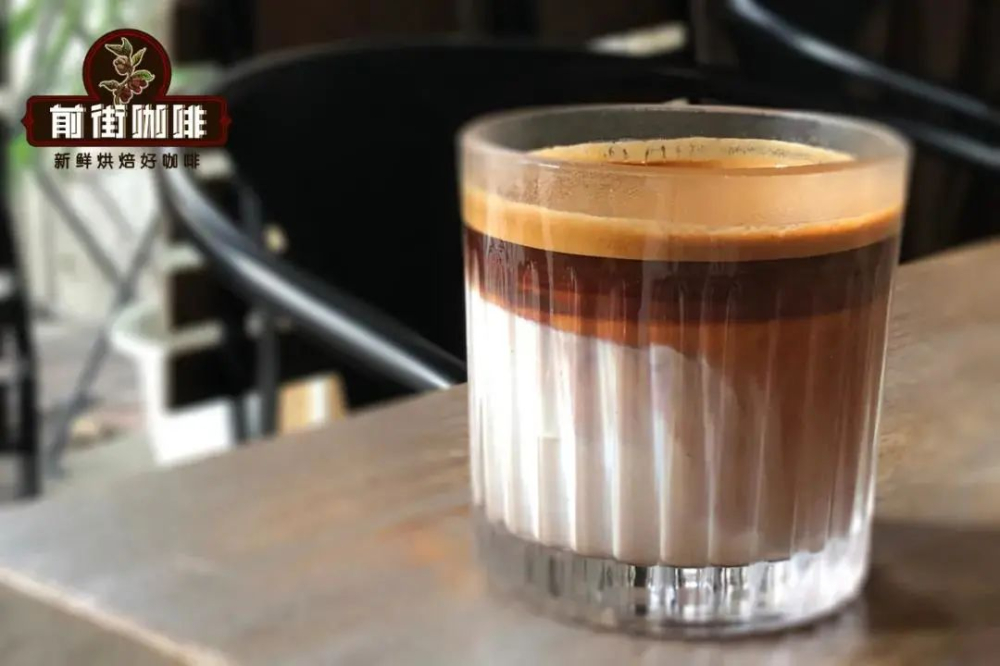 It is recommended to use a thick-bottomed glass to prevent condensation from affecting the flavor layers.

The above content is compiled by CoffeeHunters, a coffee news website.


