







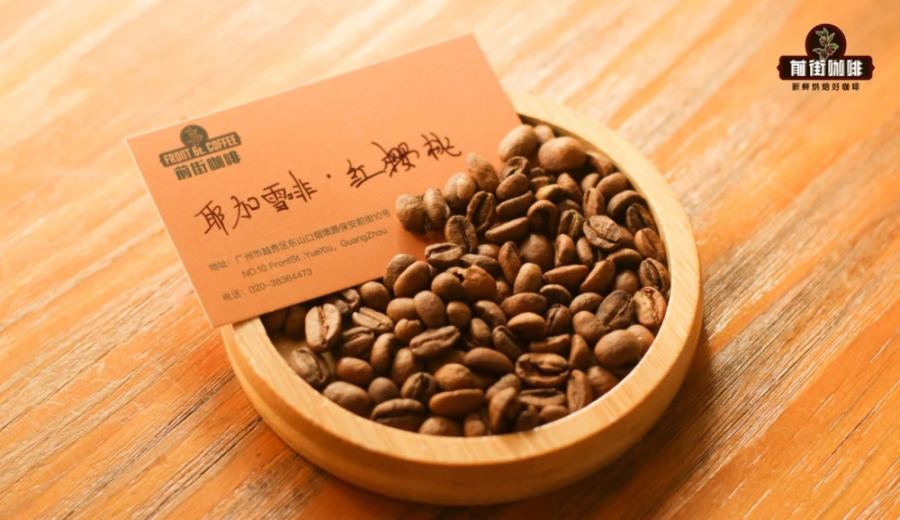
Introduction:As a classic origin beloved by specialty coffee enthusiasts worldwide, Yirgacheffe is renowned for its unique floral and fruity aromas and bright acidity. This article will delve into the origin background, variety characteristics, and processing differences of Yirgacheffe, with a focus on analyzing the flavor profile of the washed process bean "Gu Ding Ding"—ideal for pour over and cold brew. It also offers practical purchasing advice to help you select high-value Ethiopian single-origin beans.
The Geography and Regional Background of Yirgacheffe
Yirgacheffe is not a coffee variety but a well-known coffee town located in southeastern Ethiopia, part of the Southern Nations, Nationalities, and Peoples' Region. Situated between the Sidamo and Guji regions, it lies at an altitude of approximately 1,700 to 2,100 meters. Thanks to its cool and humid climate and high-altitude growing environment, this area produces coffee beans with distinct floral notes and citrus tones, securing a notable position in the global specialty coffee market.
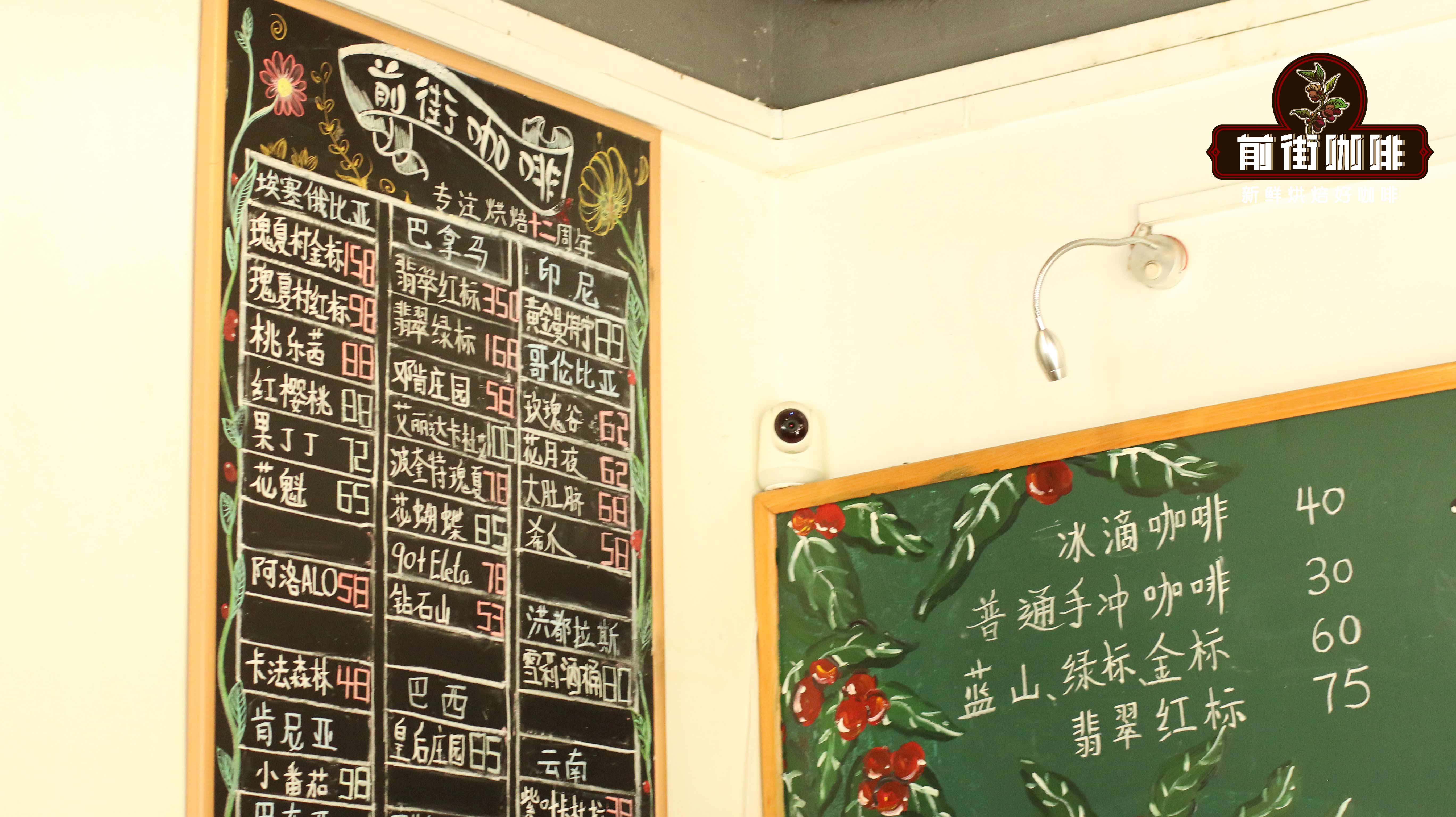
As the reputation of the region’s coffee grew, the Ethiopian government incorporated surrounding areas with similar flavor profiles into the "Yirgacheffe region," separating it from the original Sidamo region and establishing it as an independent specialty coffee-producing area. It currently falls under the jurisdiction of the Southern Nations, Nationalities, and Peoples' Region.
The Mystery of Garden-style Farming and Native Varieties
Coffee cultivation in Yirgacheffe is mostly managed traditionally by local smallholders or cooperatives, often planted in backyard gardens or intercropped with other crops. This garden-style farming approach results in limited production per household but preserves the purity of the coffee's flavor. Notably, Ethiopia possesses an exceptionally rich coffee genetic repository, but due to the complex and often naturally hybridized varieties, the government has not fully disclosed varietal information to protect genetic resources. As a result, most locally produced coffee beans are labeled as "Ethiopian Heirloom," with Yirgacheffe being a prime example.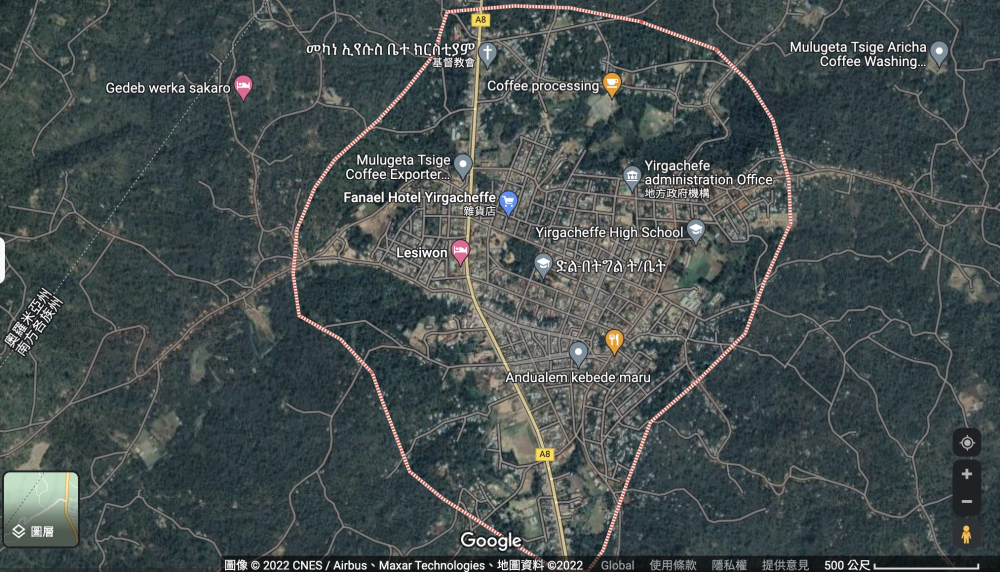
How Does Processing Method Affect Flavor?
The flavor of Yirgacheffe coffee is influenced not only by origin and variety but also significantly by the processing method. Common methods include washed and natural (sun-dried), each yielding distinctly different flavor profiles. The natural process typically utilizes African raised beds, employing controlled temperatures and extended fermentation (usually over 20 days) to impart richer sweetness and tropical fruit characteristics, appealing to those who enjoy bold fruity notes. If you prefer sweet, jam-like flavors, look for batches labeled as "natural red cherry."
In contrast, the washed process emphasizes clean, bright acidity and a tea-like mouthfeel. The process involves removing unripe cherries, stripping the pulp, fermenting to remove the mucilage, followed by washing and drying. The overall flavor is refreshing, with clear acidity and is ideal for pour over and cold brew preparation. Common flavor notes include citrus, berries, jasmine floral tones, and a delicate honey-like finish.
Practical Flavor Experience of the Gu Ding Ding Washed Bean
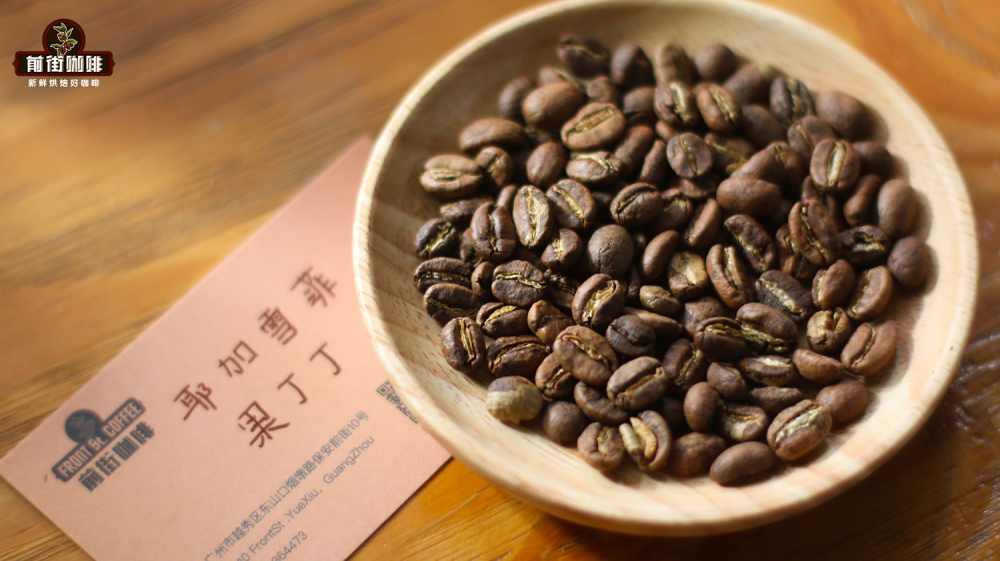
Among the many Yirgacheffe washed beans, "Gu Ding Ding" is a highly recommended entry-level choice. Originating from the Yirgacheffe region at an altitude of about 1,900 to 2,000 meters, it is processed using the traditional washed method and is of the Heirloom native variety. Cupping observations indicate that within 8 to 12 hours post-roast, the dry fragrance offers fresh notes of passionfruit, citrus, and berries. After brewing, the cup presents vibrant citrus acidity complemented by the sweetness of berries and the smoothness of a tea-like body, with a hint of honey-like gentle sweetness in the aftertaste. Overall, it has a medium-low body, with clear and layered flavors—perfect for pour over and cold brew enthusiasts who favor a clean and refreshing taste.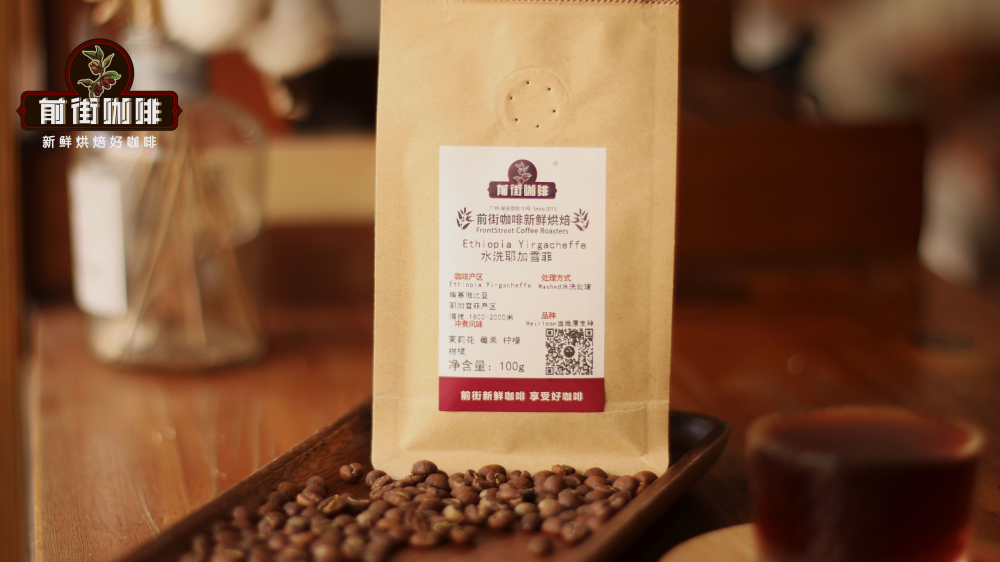
Purchasing Advice and Practical Tips
For those trying Yirgacheffe for the first time or seeking high-value single-origin beans, it is recommended to choose beans from reputable roasters and pay attention to the roast date to ensure the flavors are at their peak (typically 2 to 4 weeks post-roast). Additionally, since Yirgacheffe coffee generally features bright acidity, if you prefer lower acidity, you might try medium to dark roast versions, or adjust your brewing water temperature and grind size to soften the flavor expression.
In summary, Yirgacheffe is not just a place name—it represents the floral aromas and crisp acidity that define specialty coffee. Whether you're a beginner pour over enthusiast or a coffee lover searching for a daily brew, a quality washed bean from Yirgacheffe can offer you a bright and delightful coffee experience.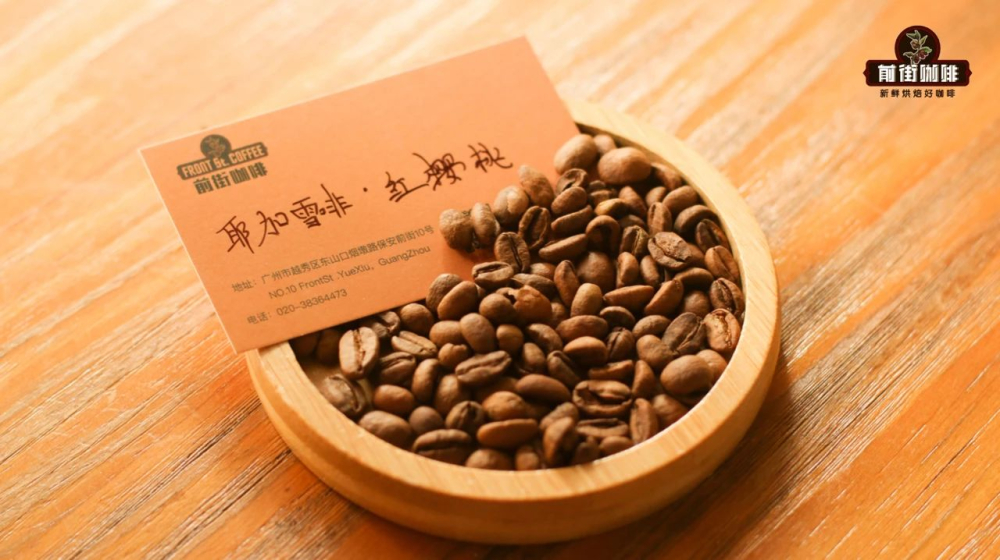
The above content is compiled by CoffeeHunters, a coffee news website.


