








Introduction:As an important coffee-growing region in China, Yunnan has been cultivating coffee since 1904. Among them, "small-bean coffee" has garnered increasing attention in recent years. This article will guide you through the origins of Yunnan small-bean coffee varieties, their distinctive flavors, and recommended single-origin beans ideal for pour over brewing—helping you become more adept at selecting and brewing coffee from bean to cup.
When it comes to coffee cultivation, many people first think of well-known regions in Africa or Central and South America. However, Yunnan, China, actually has a recorded history of coffee planting dating back to 1904. Today, Yunnan has become one of the world’s significant coffee-producing areas, and its locally grown "small-bean coffee" is gradually making a name for itself in both domestic and international coffee markets.
The so-called "small-bean coffee"refers to Arabica coffee beans that are relatively smaller in size, distinctly different from the larger-sized medium-bean Robusta (such as those grown in Hainan). Early coffee cultivation in Yunnan mainly introduced two classic purebred Arabica varieties: Typica and Bourbon.
Typica is regarded as one of the traditional high-quality varieties. The renowned Jamaican Blue Mountain coffee belongs to this variety, and its flavor profile is characterized by intense aroma, clean taste, and delicate, nuanced complexity. However, Typica also has its limitations, including relatively low yield and susceptibility to leaf rust disease. As a result, it requires more labor-intensive management, which is why it is less commonly used in large-scale commercial cultivation.

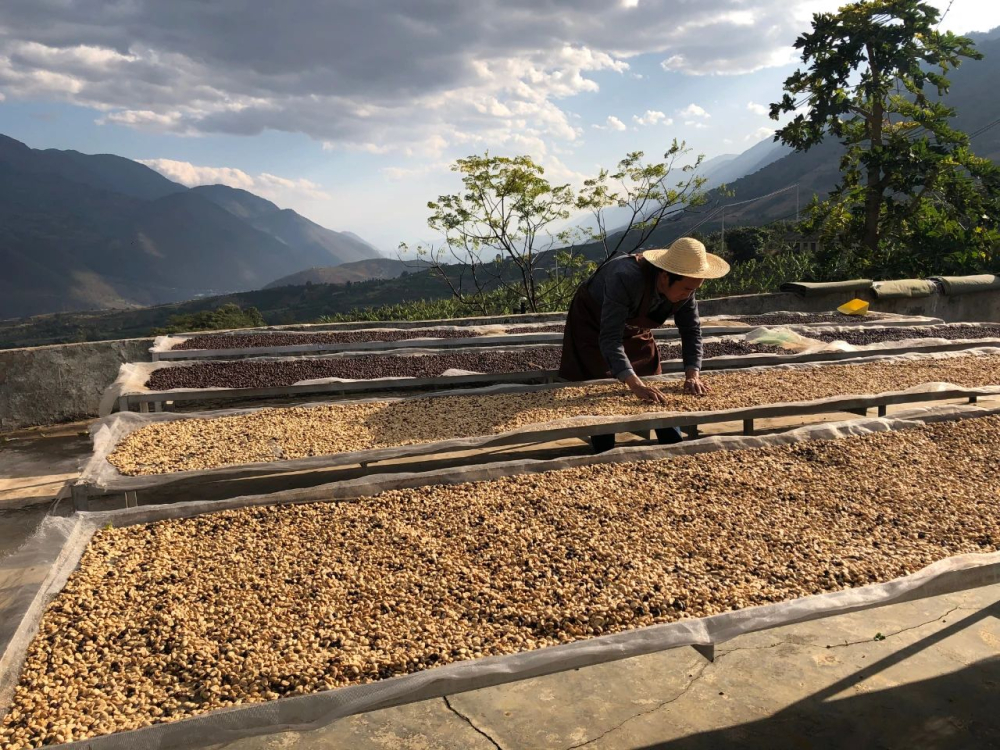
If you’d like to experience the flavor of traditional Yunnan small-bean coffee, look for coffee beans made from the Typica variety. For example, some roasters offer sun-dried Typica beans. After medium roasting, these often exhibit aromas of chocolate and toasted bread, along with tropical fruit fermentation notes and a black tea-like aftertaste, resulting in a fairly rich flavor profile.
However, for most local farmers in Yunnan, growing coffee is a means of livelihood, and varieties with low yield are difficult to sustain economically. As a result, many farmers have gradually shifted to cultivating higher-yield varieties. Especially during the 1980s, the global coffee industry was hit by a leaf rust epidemic, leading to the death of a large number of coffee trees and a sharp decline in cultivation area. Subsequently, in 1988, foreign enterprises including Nestlé entered Yunnan. In addition to providing technical and financial support, they also introduced disease-resistant and high-yield varieties such as Catimor, and promised to purchase the beans at the then-current U.S. futures price, significantly boosting farmers' willingness to grow coffee.
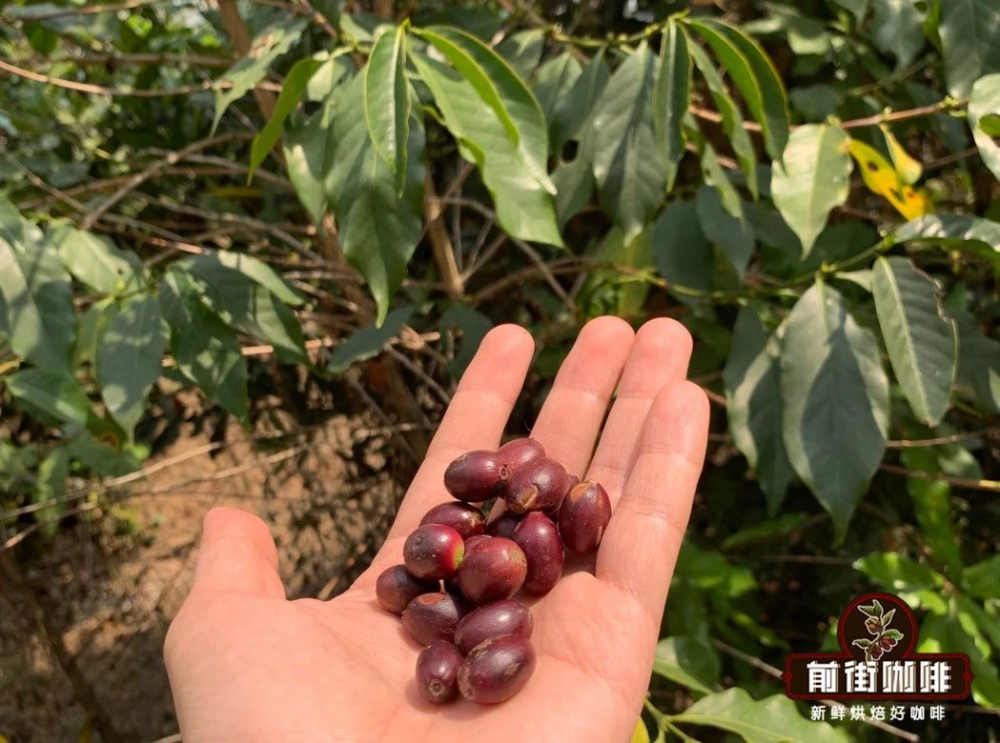
Although Catimor is classified as an Arabica variety, its genetics contain 25% Robusta lineage. The Robusta variety is naturally more resistant to disease, adaptable to low-altitude environments, with faster fruit maturation and higher yields, though it typically has a coarser flavor. In contrast, Arabica is more "picky" about its growing environment, requiring high altitudes and distinct day-night temperature variations to develop complex and rich aromas. Precisely for this reason, Catimor combines the characteristics of both, offering advantages in planting adaptability and yield, though its flavor profile tends to be more balanced and mild.
For consumers trying Yunnan small-bean coffee for the first time, it is recommended to choose Catimor variety beans that have undergone washed processing and medium roasting. These beans often feature aromas of nuts, herbs, and brown sugar, accompanied by the sweetness of melons and fruits, as well as a slight acidity reminiscent of plums. The overall taste is quite balanced, making them suitable for daily pour over brewing or as an entry-level tasting option.
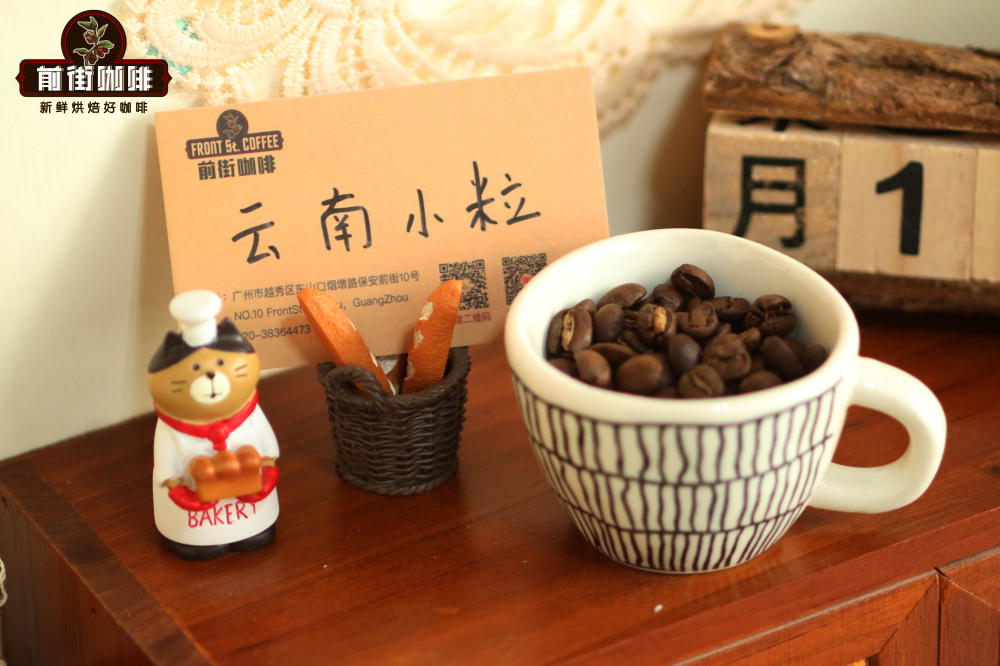
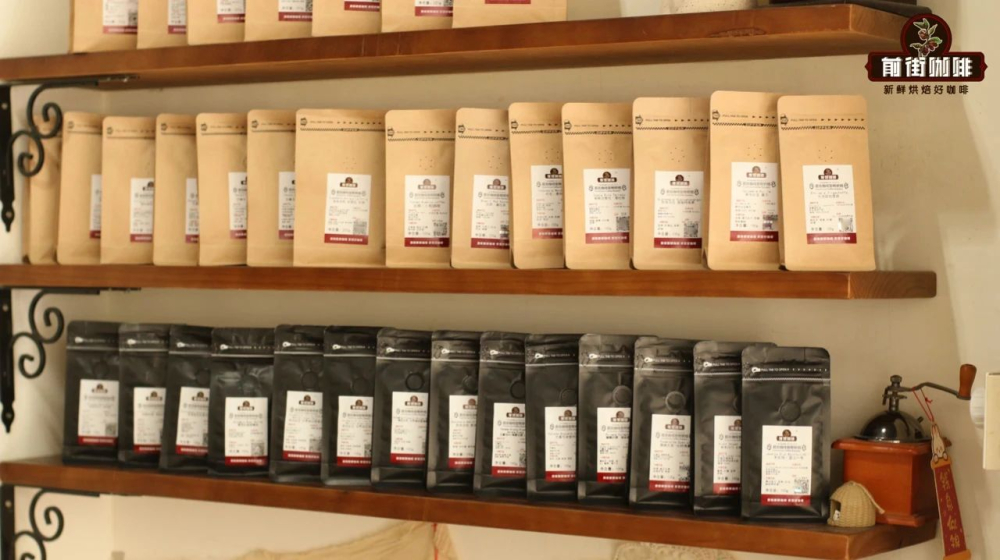
If you’re looking to buy high cost-performance Yunnan small-bean coffee beans, it is advisable to choose reputable local roasting brands. These brands typically offer coffee beans roasted within 5 days, ensuring not only stable quality but also fast shipping. Whether you’re a beginner or an advanced coffee enthusiast, you can find options that suit your needs. Additionally, physical stores often carry a variety of single-origin beans and espresso blends from different growing regions, allowing consumers to sample and compare directly.
In summary, Yunnan small-bean coffee beans—from early Typica to later Catimor—not only reflect the evolution of cultivation techniques but also demonstrate how local farmers have adapted to market demands. By understanding the characteristics of different varieties and processing methods, you can more precisely select Yunnan specialty coffee beans that suit your taste and enjoy every nuanced detail of the pour over experience.
The above content is compiled by CoffeeHunters, a coffee news website.


