








Introduction:As Ethiopia’s most iconic coffee-growing region, Yirgacheffe’s washed G1 grade beans are renowned for their bright acidity and floral notes, making them a top choice for many coffee enthusiasts starting their pour over journey. This article delves into the regional characteristics, varietal background, and processing method differences of Yirgacheffe washed beans, while also offering expert roasting recommendations and pour over parameters to help readers find the bean profile that suits their taste.
The Unique Status of the Yirgacheffe Region
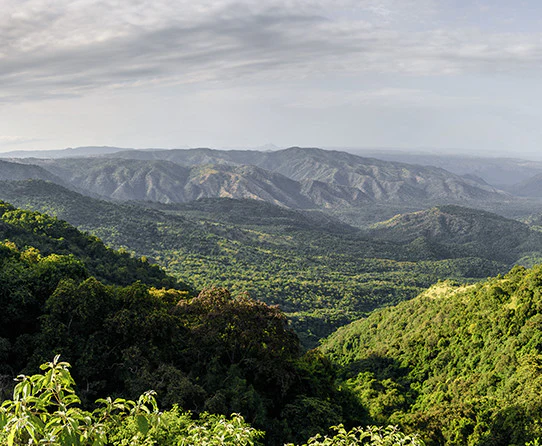
Although administratively part of Ethiopia’s Sidamo Province, Yirgacheffe became an independent specialty region in the 20th century due to its distinctive washed coffee flavors. The region generally sits at elevations around 2000 meters,with high altitude fostering bright acidity and complex aromatic layers in the beans.Following the ECX (Ethiopian Commodity Exchange)’s regional subdivision policy introduced in 2019, sub-regions such as Kochere, once grouped under the Yirgacheffe name, began selling under their own brand identities, further enriching the diversity of available regional options on the market.
The Flavor Potential of Native Varieties
The majority of coffee trees grown in Yirgacheffe belong toHeirloom native varietiesthat have not been commercially named. These varieties, having evolved over time in the region’s unique microclimates, exhibit a high degree of flavor diversity. Compared to commercially cultivated types, although heirlooms may vary in size and shape, they can express a richer spectrum of fruit and floral tones — one of the key reasons why Yirgacheffe coffee is so highly regarded.
The Flavor Divide: Washed vs Natural
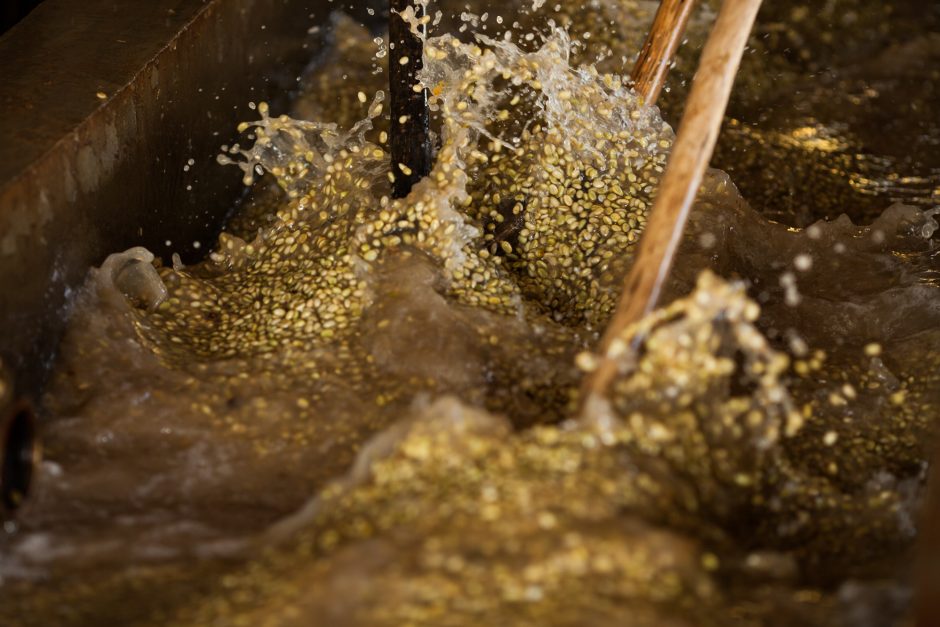
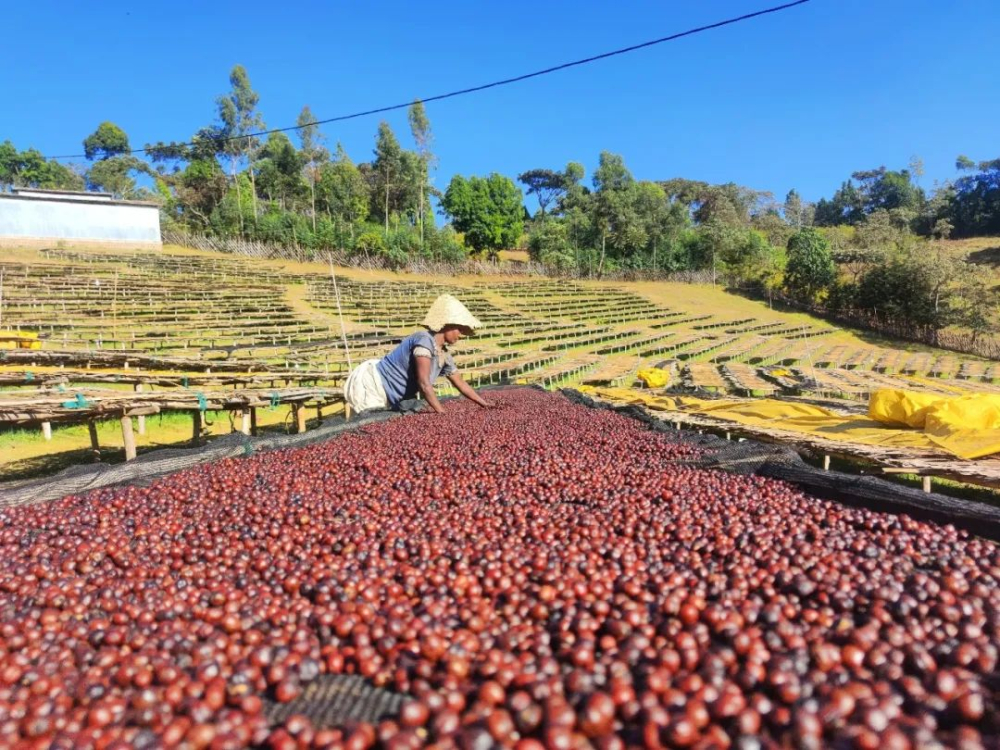
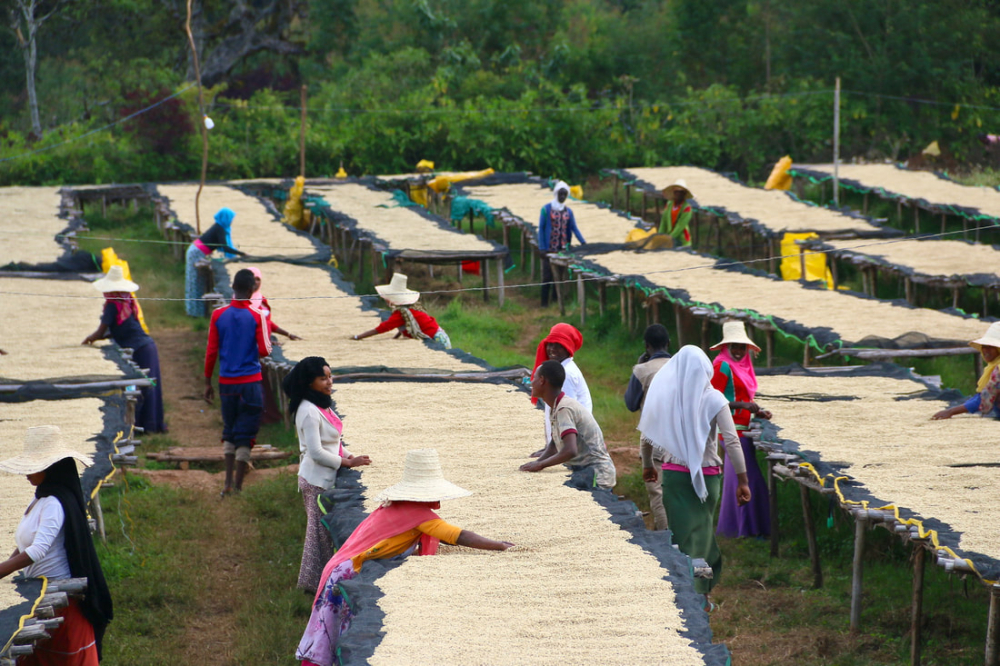
Yirgacheffe coffee primarily employs two processing methods:Washed processing highlights clean, bright acidity and citrusy notes,while natural processing preserves more berry-like sweetness and fermentation-derived fruitiness from the pulp. In washed processing, for instance, carefully selected ripe cherries are first depulped to remove skin and flesh, then fermented in water tanks to remove mucilage, and finally dried to 12% moisture content. This method results in the typicalprofile of white floral notes, lemony acidity, and green tea-like finishwith clear flavor layering.
Latest Developments in Regional Subdivision
Kochere, an important washed coffee-producing area surrounding Yirgacheffe, has gained prominence in recent years thanks to the establishment of more specialized processing facilities.The Guddina Cooperative, which split from the Wolkite Cooperative in 2012,comprises about 300 members and is known for producing washed beans with refined acidity and balanced body. This trend toward regional subdivision allows consumers to more accurately trace the origin and flavor characteristics of their coffee.
The Philosophy of Light Roasting for Flavor Preservation
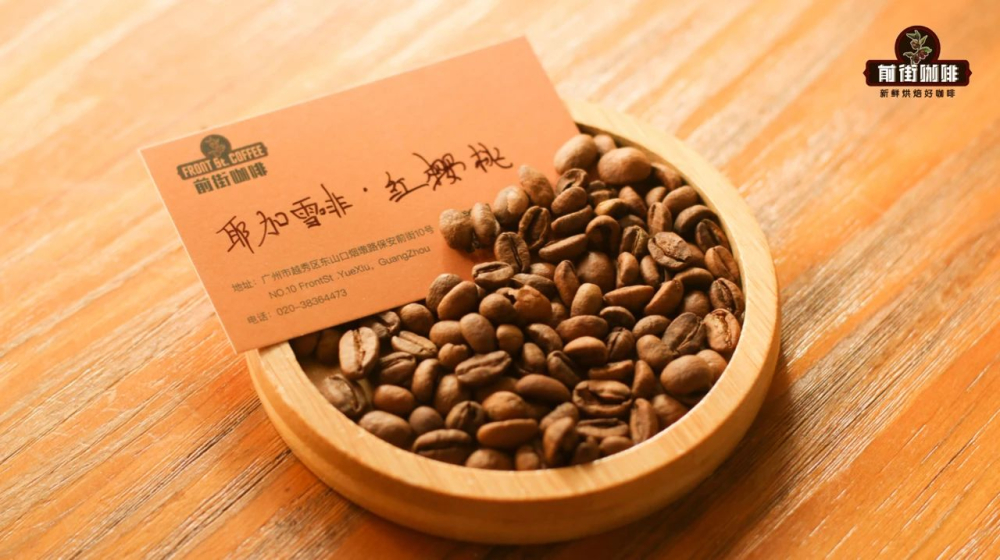
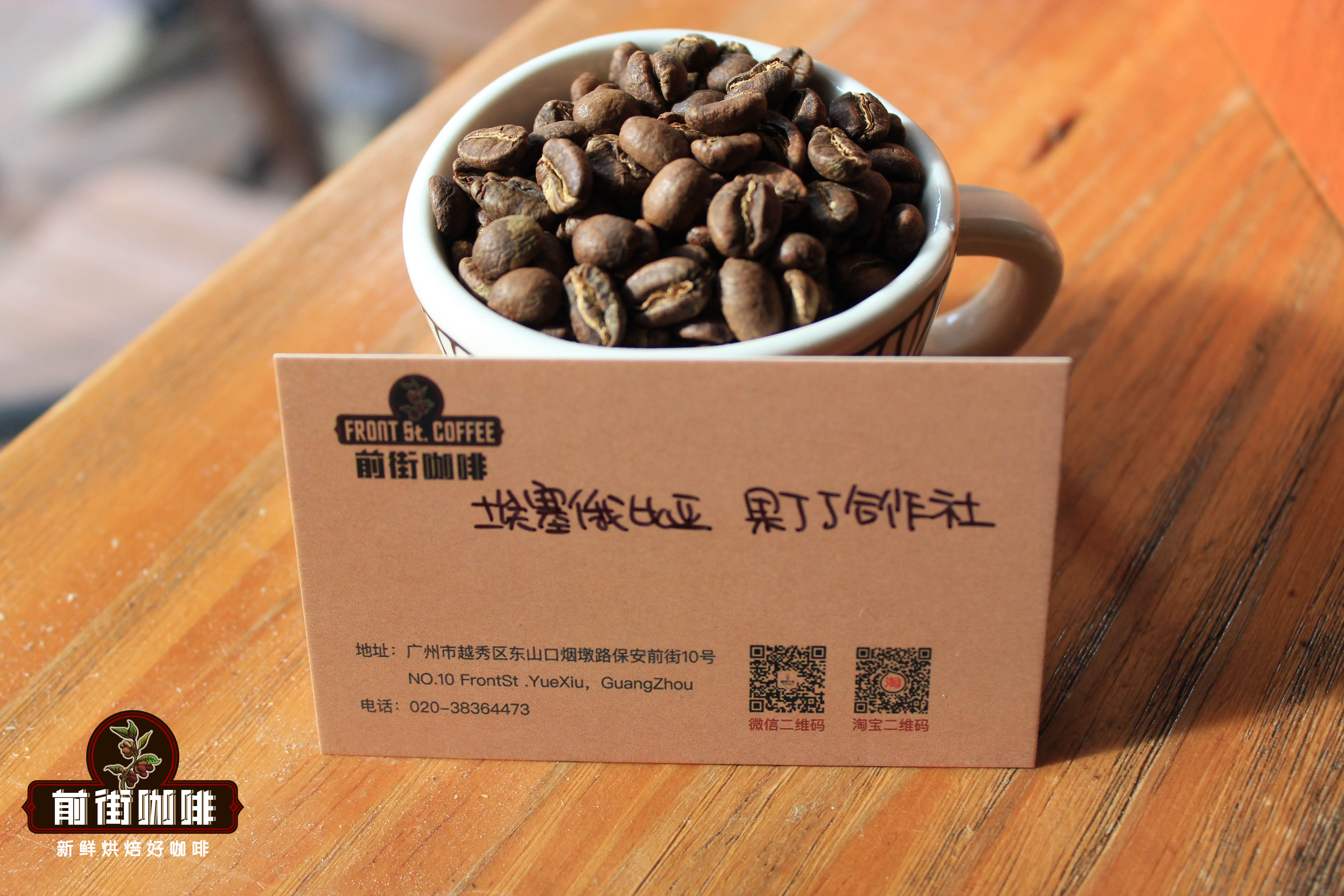
Given Yirgacheffe beans’ naturally bright acidity and fruity-floral profiles,professional roasters generally recommend light roastingto avoid compromising their delicate flavor nuances. Medium-dark roasts, while capable of highlighting caramelized sweetness, often mask the beans’ signature citrus and floral traits. The ideal roast level should retain a glossy silver skin on the bean surface while maintaining a light brown hue in the core.
Precise Control of Pour Over Parameters
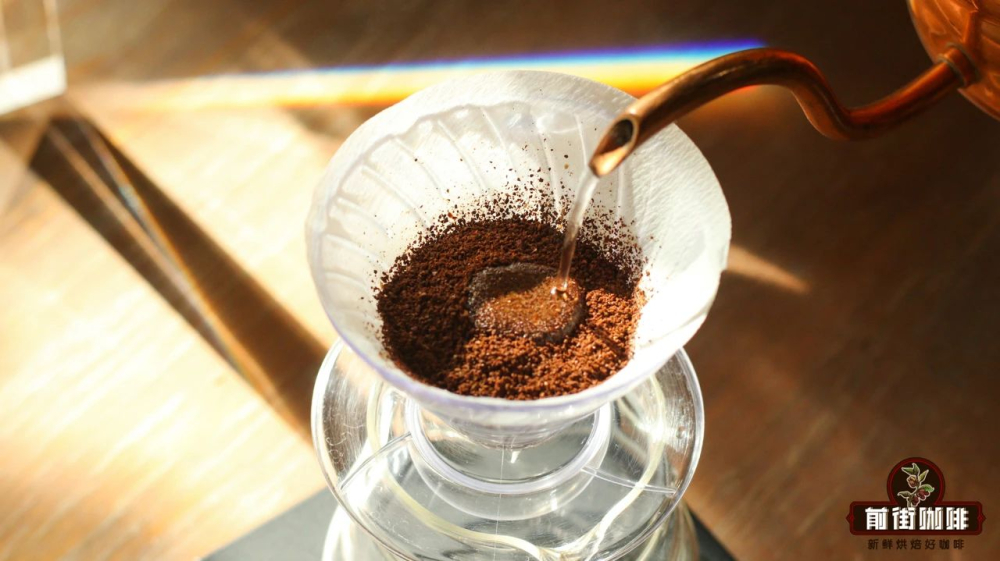
When brewing Yirgacheffe washed beans, it is recommended to use a V60 filter cone with water heated to 92–93°C,maintaining a 1:15 coffee-to-water ratio and grinding to a consistency similar to caster sugar — roughly 78% passing through a #20 sieve.A staged extraction method effectively balances acidity, sweetness, and bitterness: start with a 30-second bloom using 30 grams of water, then pour in a circular motion to reach 125 grams for the first pour; once the water level drops to the surface of the coffee bed, continue pouring to a total of 225 grams, with overall extraction time kept around 2 minutes. This parameter setup fully highlights the beans’ lemony acidity and white floral aromas.
Practical Tips for Quality Identification
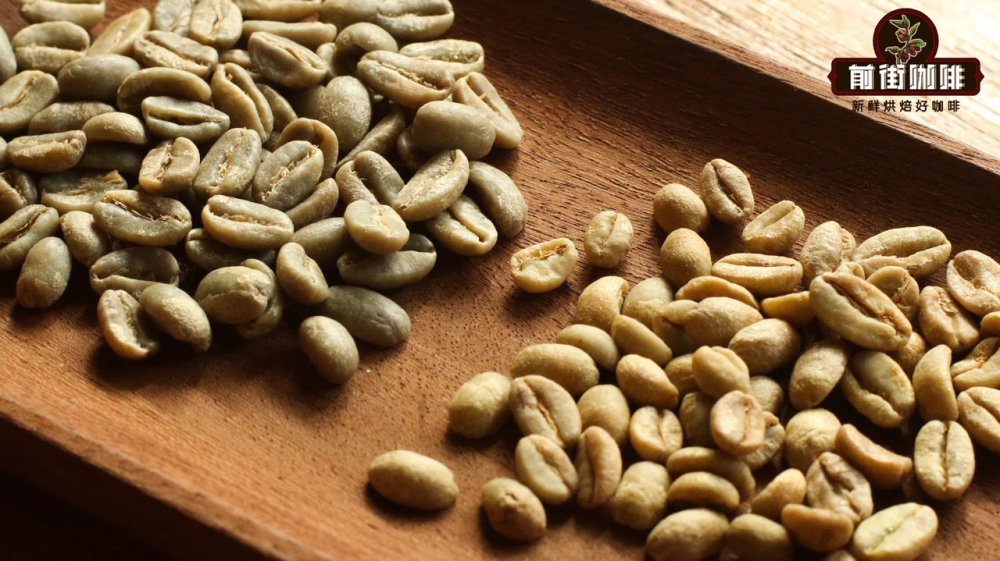
When selecting Yirgacheffe washed beans, look for a bean color ranging from emerald green to light blue — typically a sign of freshness and proper processing. After brewing, observe whether the crema is fine and exhibits an amber sheen. In terms of flavor,high-quality G1 grade beans should clearly present a three-tiered profile of lemon, jasmine, and honey.Avoid batches with pronounced smoky or woody notes, as these may indicate improper roasting or storage.
The above content is compiled by CoffeeHunters, a coffee news website.


