







Introduction:Want to explore the allure of Ethiopia’s Yirgacheffe coffee region? This article delves into why the area predominantly employs washed processing, taking you through the connection between altitude, variety, and climate — and recommending beginner-friendly light-roast pour over beans. From classic washed profiles to innovative natural processes, get the key flavor characteristics and brewing parameters in one read.
Ethiopia’s Yirgacheffe region is famed for its high altitude (1700–2100 meters) and unique microclimate. Bodies of water such as Lake Turkana provide ample humidity, and the misty valley areas remain cool and damp year-round, nurturing coffee beans with pronounced floral and fruity aromas. Although part of the Sidamo region, its exceptional quality has earned it separate recognition as a hub for specialty coffee.Areas at around 2300 meters above sea levelare especially well-suited for cultivating native Arabica varieties.
Most coffee in this region is grown by smallholders mixed with other crops in their fields, then collected and processed by cooperatives after harvest. Established in 2002, the Yirgacheffe Coffee Farmers Cooperative Union (YCFCU) brings together 28 village-level cooperatives to ensure consistent quality. Nearby smaller regions such as Wenago, Kochere, and Gelena Abaya, which share similar flavor profiles, are often grouped under the Yirgacheffe classification system.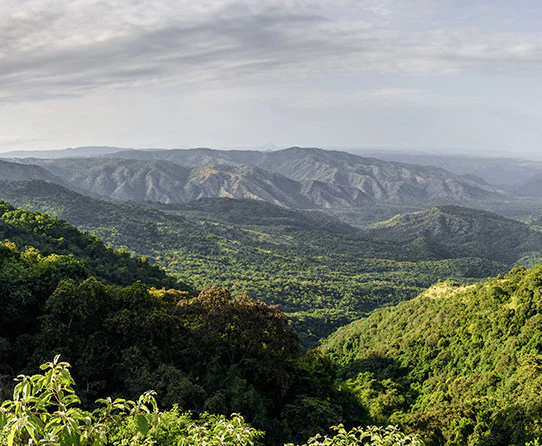
Yirgacheffe’s “Red Cherry Project,” launched in 2007 and driven by Dutch trader Trabocca BV, focuses on improving washed processing techniques in high-altitude zones. The project mandates harvesting only 100% ripe red cherries, supported by professional cupping and equipment upgrades. It limits production to small batches of 1500–3000 kilograms per batch while raising defect rate control standards.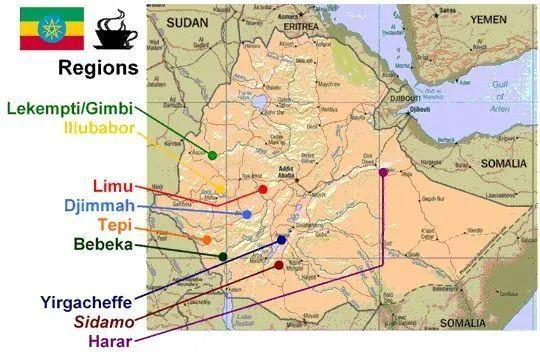
Yirgacheffe coffee beans are primarily of the Heirloom variety — a native cultivar protected by the Ethiopian government, with nearly 2000 recorded variants. Heirloom beans are known for their prominent fruitiness and genetic diversity, but due to complex classification, the market uniformly labels them as “Heirloom.”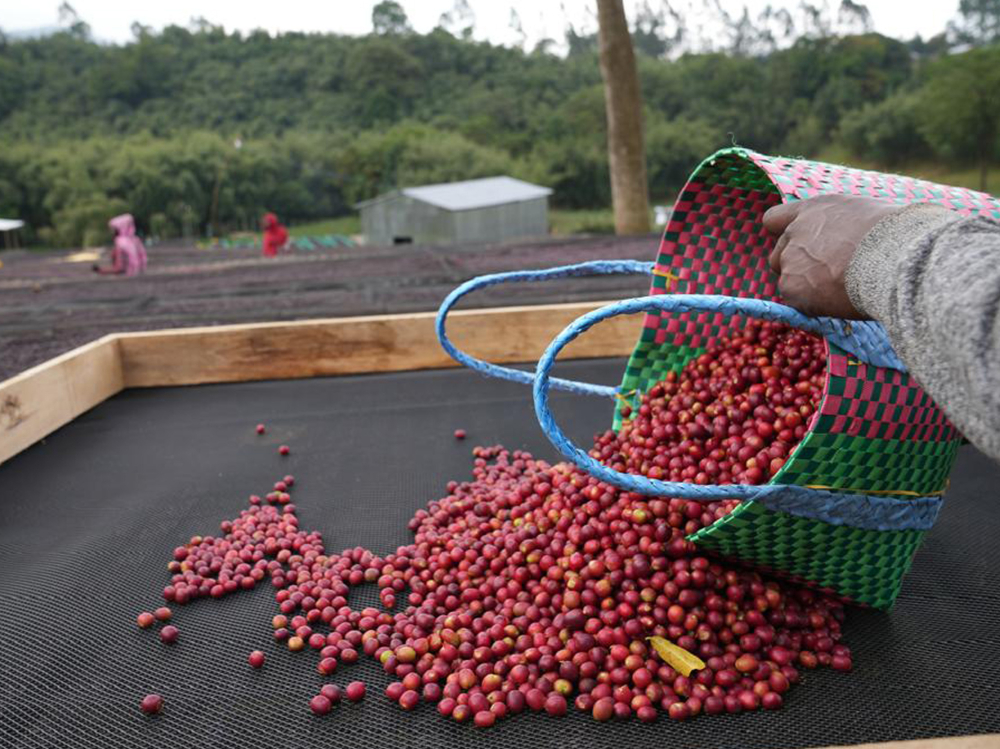
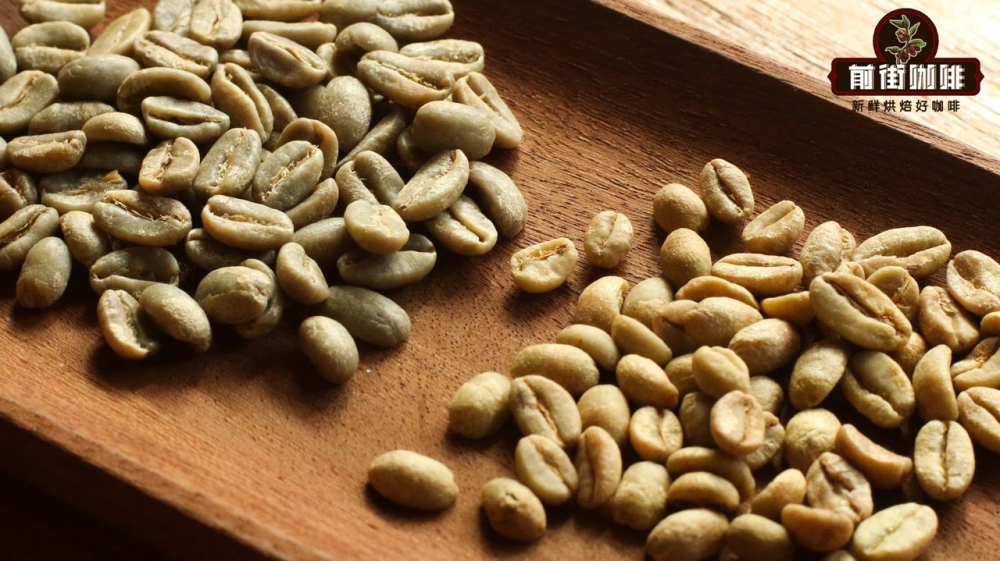
Washed processing is the classic method for Yirgacheffe: after harvest, beans are first floated in water tanks to remove floaters, then depulped and fermented for 18 hours to remove mucilage, followed by multiple rinses (using 40–50 liters of water per kilogram of beans). Finally, the moisture content is reduced to around 11% during drying. This method highlights a clean citrus profile and tea-like mouthfeel.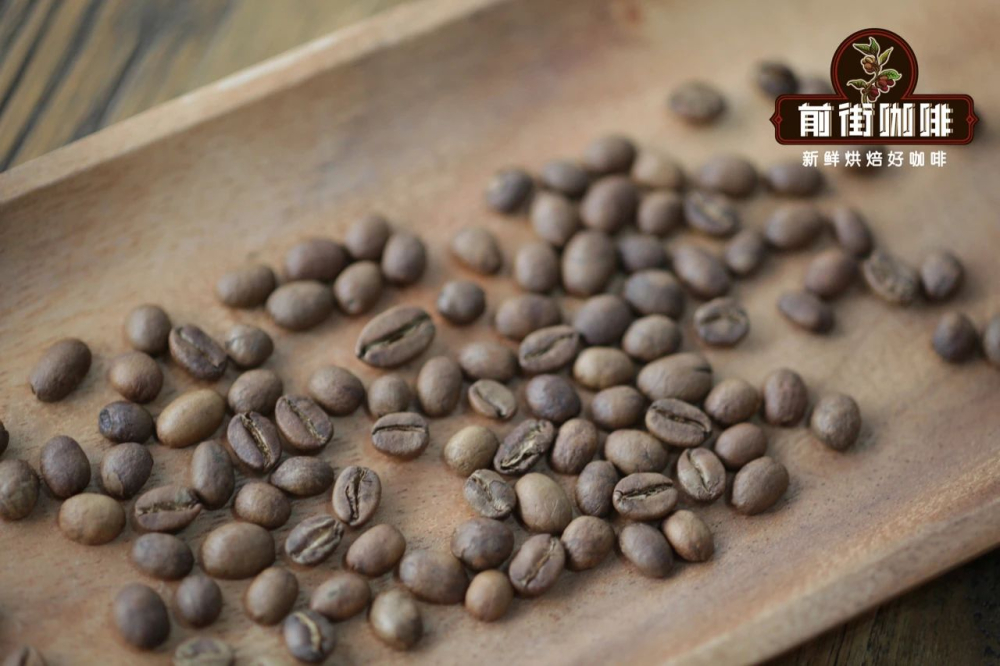
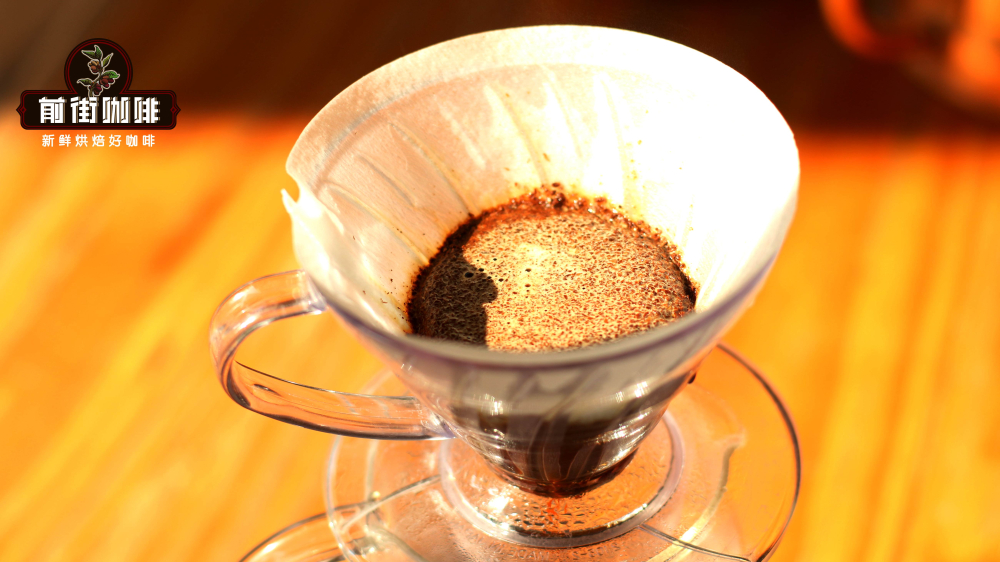
For V60 pour over, use a water temperature of 91–93°C and a 1:15 coffee-to-water ratio (e.g., 15 grams of coffee to about 225 ml of water). Grind to a fineness where 80% passes through a #20 Chinese sieve. For step brewing, start with a 30-second bloom using 30 grams of water to release CO₂, then pour in small streams up to 125 grams for the first pour, and continue until reaching a total of 225 grams. Total brew time is about 2 minutes. These parameters balance acidity and sweetness, ideal for highlighting Yirgacheffe’s bright and aromatic acidity.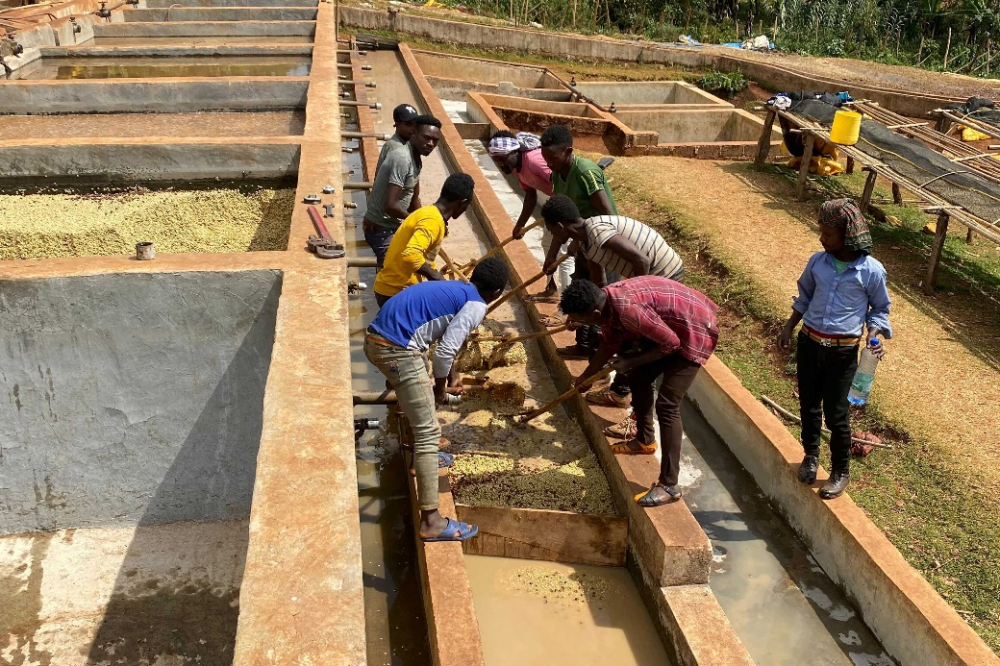
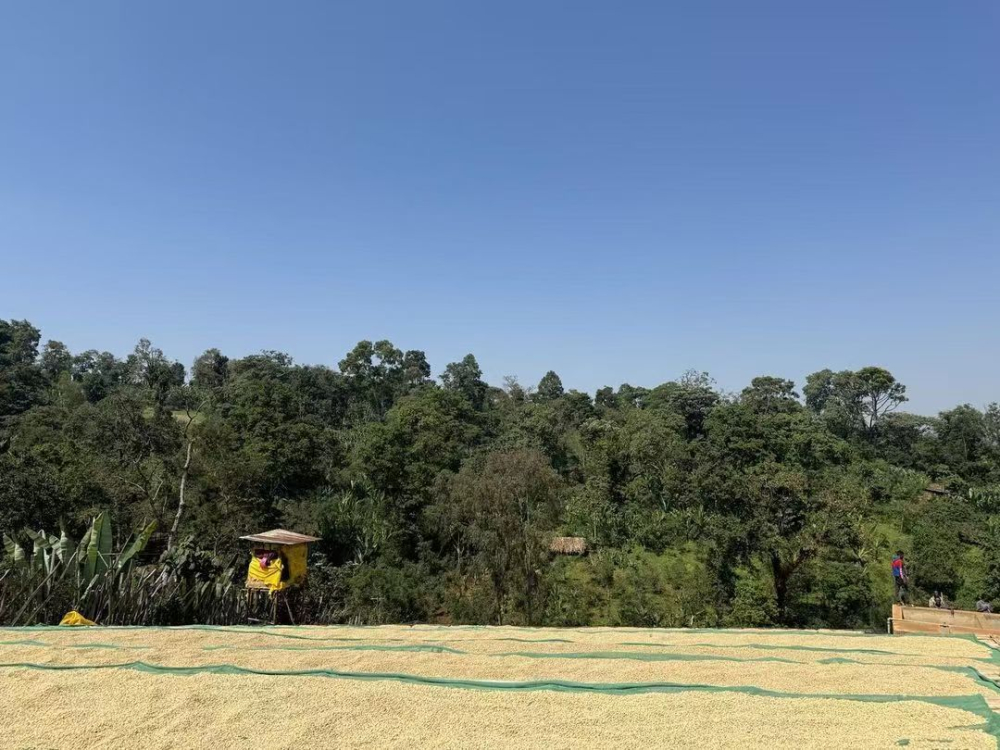
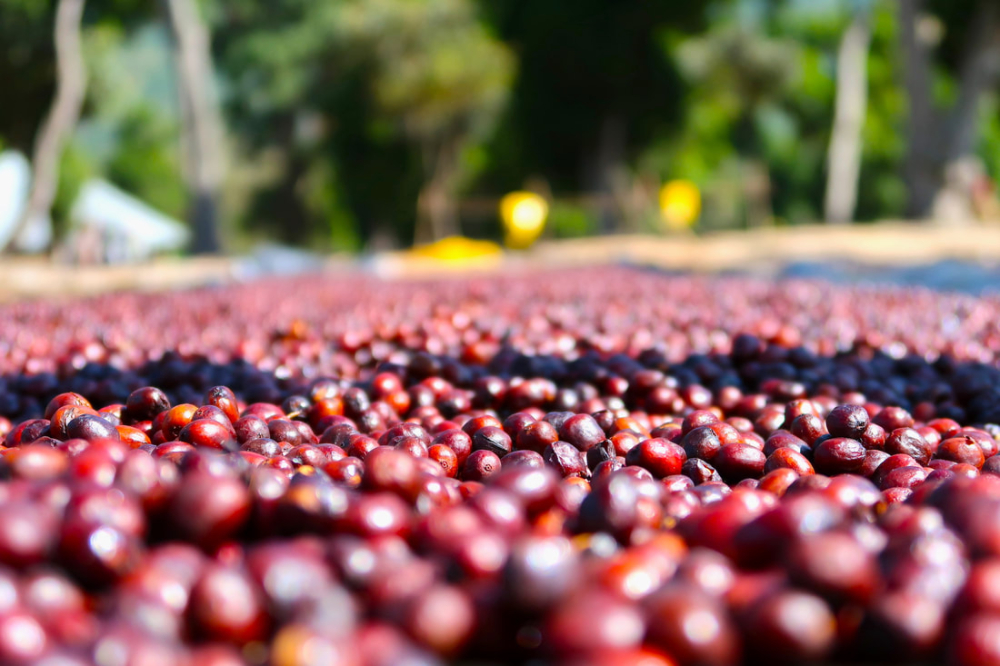
Natural (sun-dried) processing selects fully red cherries, which are hand-sorted to remove defects and then spread out to dry on raised beds for 27–30 days until the moisture content reaches 11–12%. This method retains more fructose and fermentation aromas, often yielding notes of berries, honey, and mild wine-like tones, making it ideal for those who prefer a richer, sweeter cup.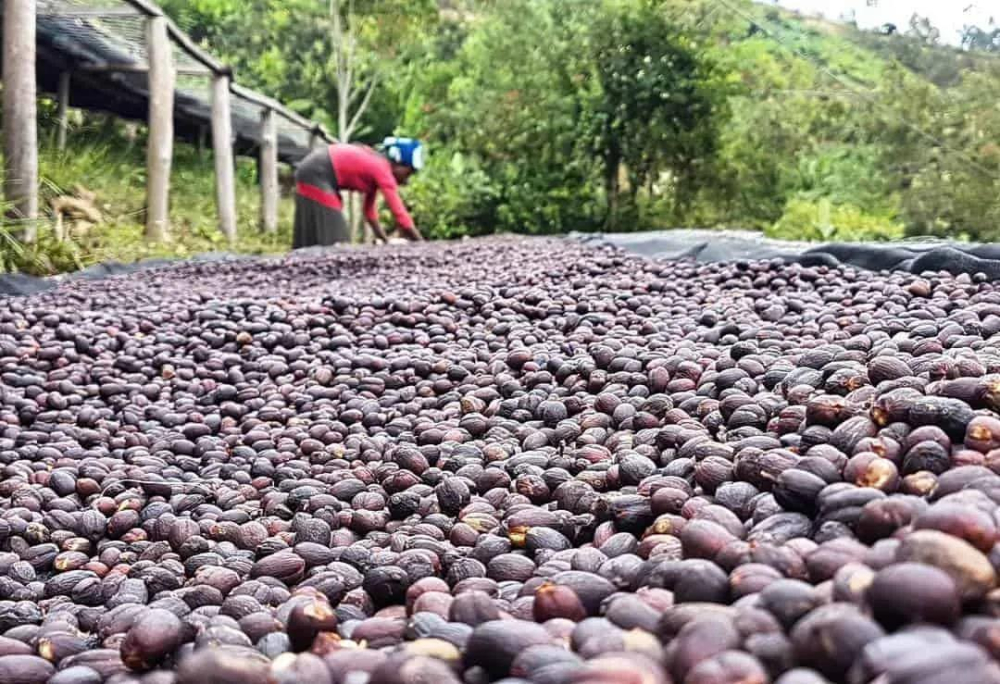


The above content is compiled by CoffeeHunters, a coffee news website.


