







Introduction:As one of Ethiopia's most iconic coffee-growing regions, Yirgacheffe is globally renowned for its distinctive floral and citrus notes. This article delves into the high-altitude region's geographical background, processing method variations, and offers practical pour-over brewing tips to help you unlock the beans' potential with the right parameters. We've also curated a selection of high-value beans, ensuring both beginners and seasoned enthusiasts can find their ideal choice.
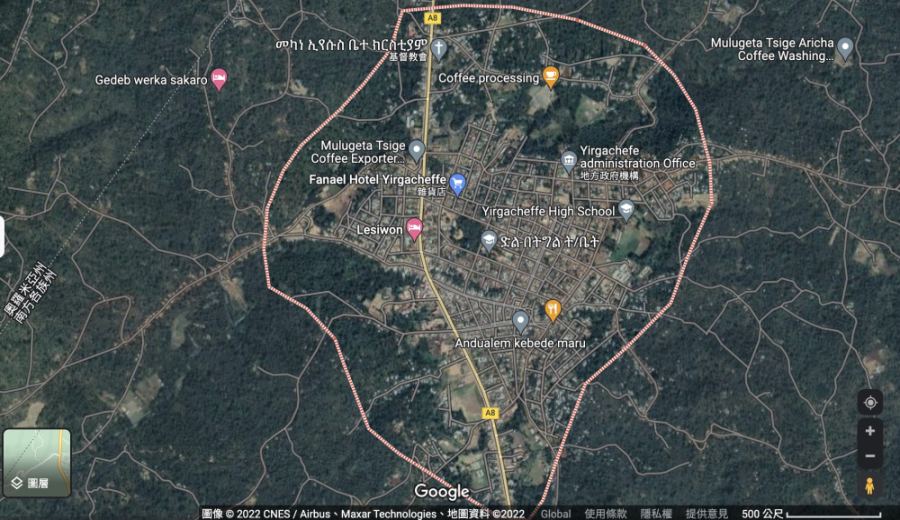
When it comes to specialty coffee, the name "Yirgacheffe" is almost synonymous with fresh, clean flavors. However, many may not realize that Yirgacheffe was originally just a small town within Ethiopia's Sidamo Province.After the 1995 administrative restructuring, it became part of the Gedeb Zone.This land, sitting at elevations between 1,700 and 2,100 meters, is blessed with year-round fog and a unique microclimate, giving rise to its world-famous bright acidity and citrusy floral notes.
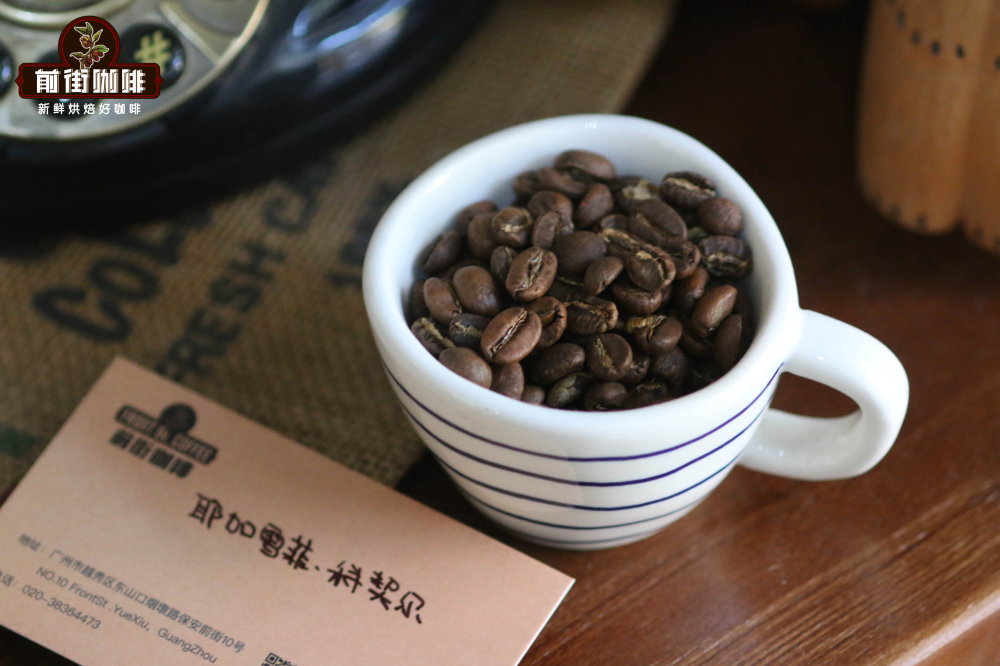
What first brought Yirgacheffe international acclaim was the coffee beans' distinctivewhite floral and lemony acidity profiles.This departure from the heavy, dark-roasted flavors of traditional coffees led traders to start selectively exporting beans from this region. Interestingly,the Ethiopian government's certification system introduced in 2009categorizes beans from specific areas as either classic flavor profile (A) or non-typical (B). As a result, not all products labeled "Yirgacheffe" on the market necessarily come from the core town itself.
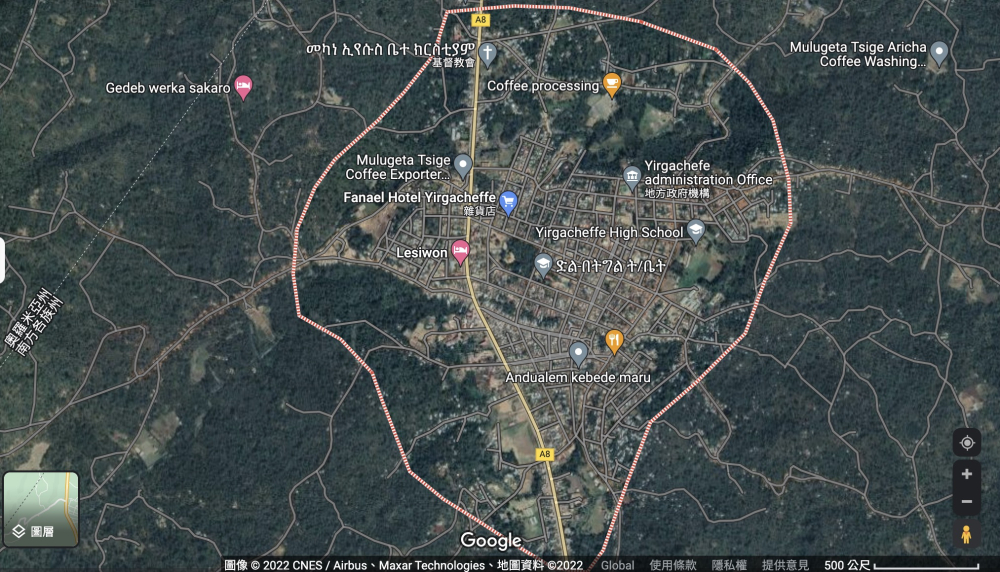
Currently, production is concentrated in cooperative villages like Kochere and Gotiti, where differences in processing facility techniques and altitudes result in varying flavor emphases.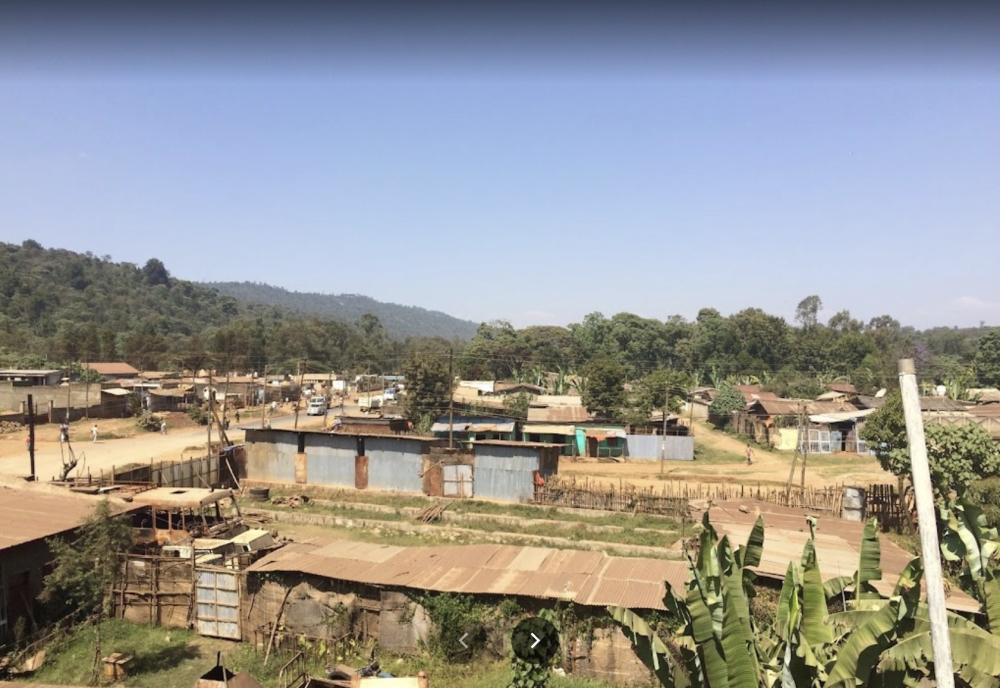 For example, Kochere often exhibits jasmine-like notes, while Wolkite tends to have more pronounced berry acidity.When purchasing, pay attention to the "region + cooperative" labeling—it helps gauge the flavor profile.
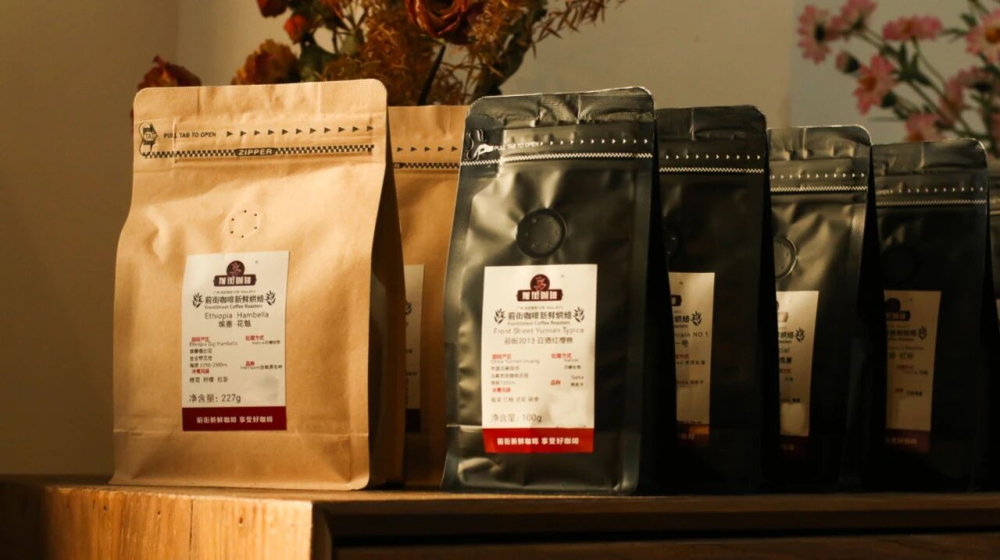
Yirgacheffe's charm stems from its exceptional natural conditions: high altitude slows coffee fruit ripening, allowing more sugars and aromatic compounds to accumulate;volcanic soil rich in phosphatesenhances clarity of acidity. Combined with the diurnal temperature variation created by the wetland environment, it forms a unique tea-like aftertaste—this is the key characteristic that sets it apart from Central and South American beans.
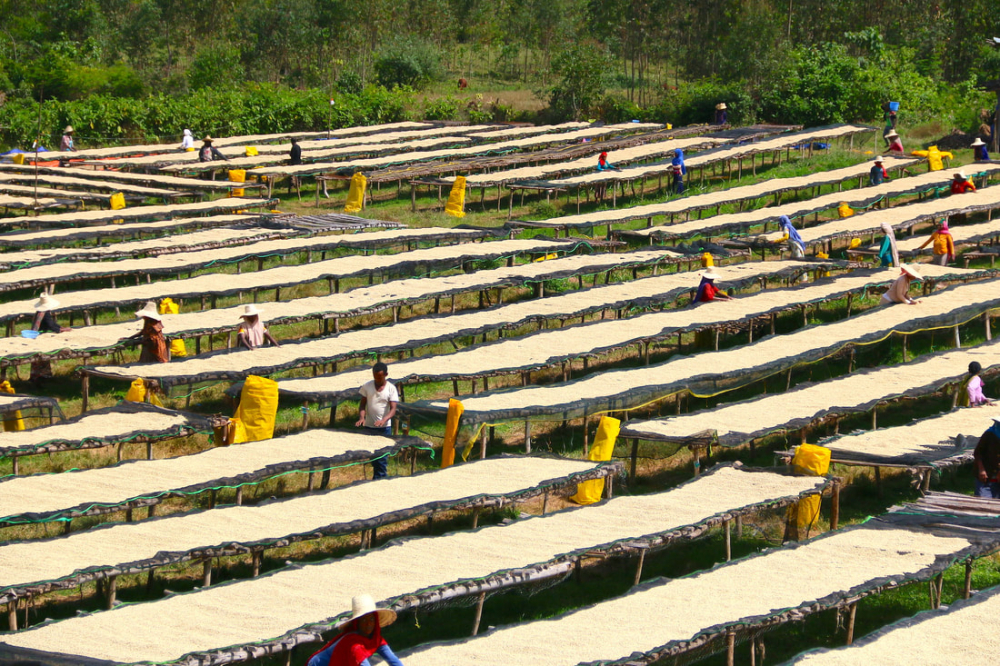
For beginners, we recommend starting with a washed-process entry-level bean. The washed method highlights clean acidity and distinct floral-fruity notes, making it easier to grasp compared to the intense fermentation flavors of natural processing. When brewing, keep in mind:Light to medium-roasted Yirgacheffe performs best at 90–91°C water temperature.Water that's too hot can lead to overly sharp acidity, while too cool suppresses aroma release.
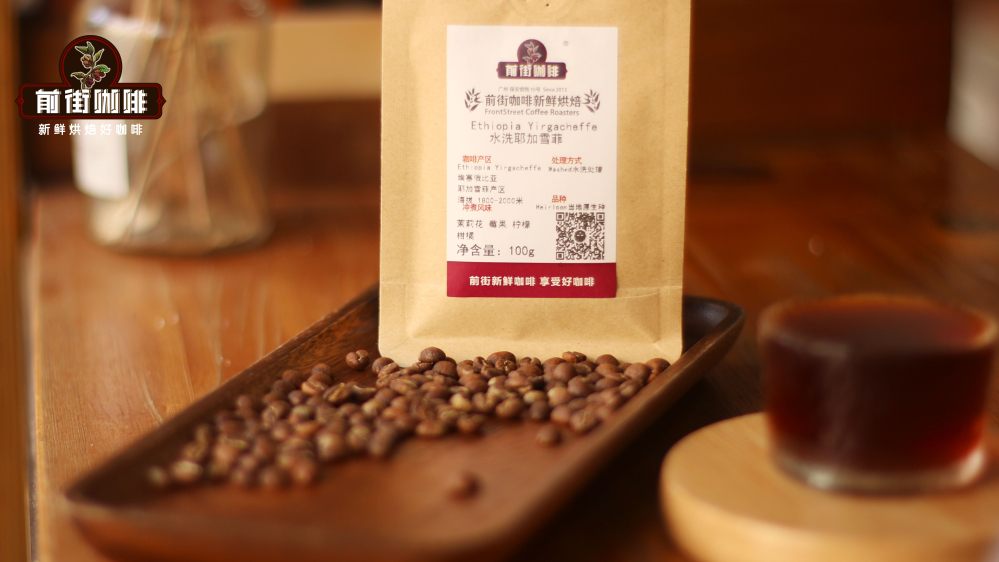
Practical pour-over parameters:When using a V60 dripper with an 80% extraction rate 20-number sieve, aim for a 1:15 coffee-to-water ratio. Start with a 30-second bloom using 30 grams of water, then pour in a thin stream to reach 125 grams in the first pour, finally increasing to a total of 225 grams. The entire process takes about 2 minutes, balancing acidity, sweetness, and body.

If you want to explore classic flavors, consider starting with washed beans from the Gotiti Cooperative—their jasmine and citrus notes are truly representative of the region. For those seeking more complex layers, the natural-process beans from the Aletan Wondo processing plant offer a creamy texture with fruity fermentation aromas, perfect for drinkers who enjoy intricate profiles.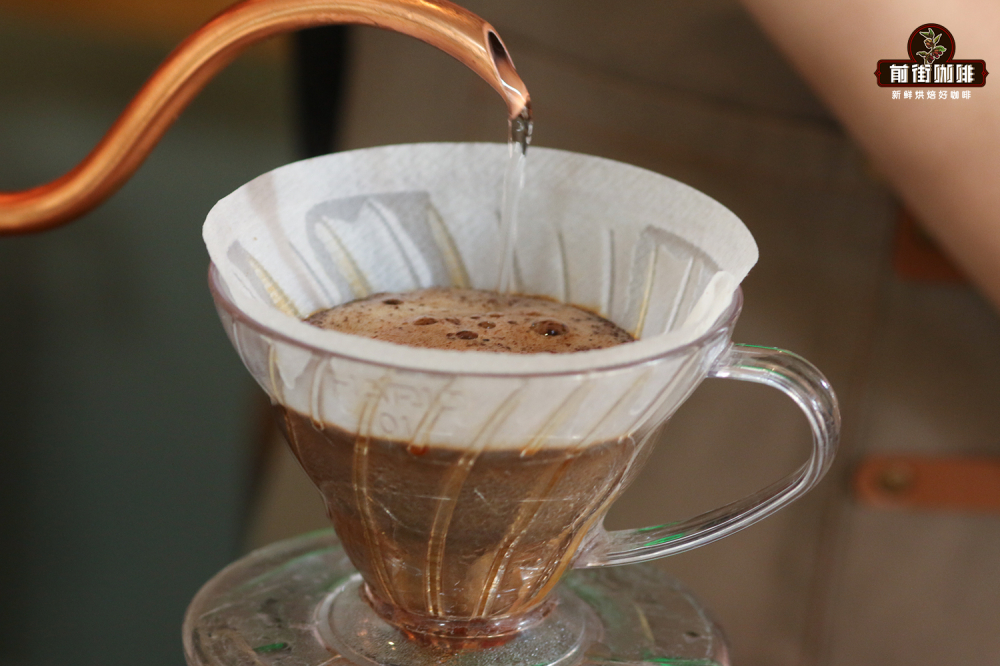 Remember to check the roast date when purchasing—freshness directly impacts aroma performance.。
The above content is compiled by CoffeeHunters, a coffee news website.


