








Introduction:Espresso is not only the foundation of many coffee beverages but also represents a unique coffee culture. This article will guide you through the origins and evolution of espresso, the science behind crema formation, and the key factors involved. We’ll also break down how to use the right equipment and parameters to extract an espresso that boasts a golden crema and balanced flavor — perfect for coffee enthusiasts who want to deepen their understanding or learn on their own.
EspressoThe term originates from the Italian word "Express," meaning "fast." As the name suggests, this is a type of coffee that emphasizes rapid extraction. Traditionally, it is made using a specialized espresso machine under high pressure in a short amount of time, typically just 25 to 30 seconds, to produce a rich and complex cup of coffee.
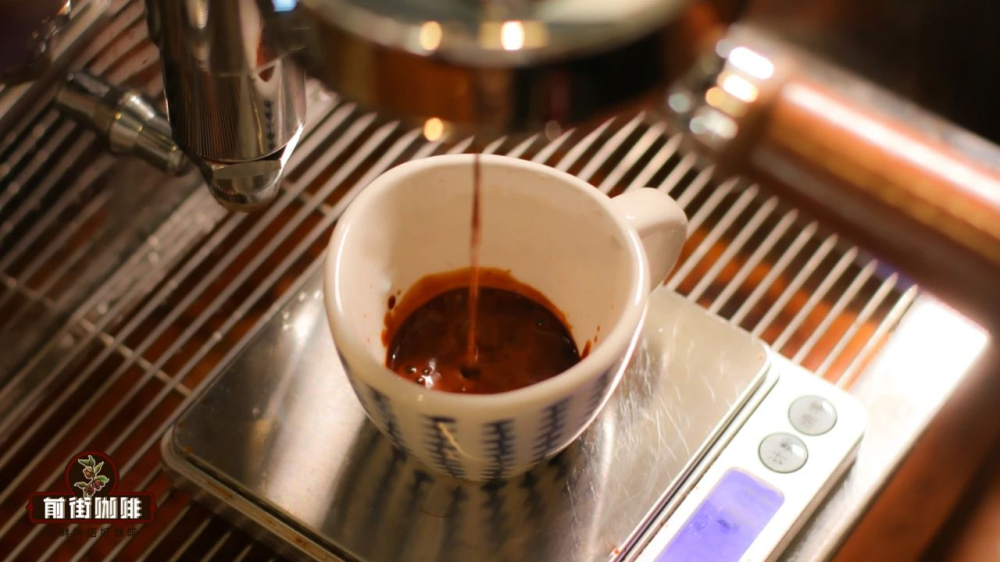
The earliest espresso machines were designed with a dual-boiler system to heat water and generate steam, which then pushed hot water through a bed of coffee grounds at around 1.5 bar of low pressure. However, while this method could extract a coffee liquid, the resulting brew often lacked balance and depth, and failed to deliver the concentrated essence we now associate with espresso.
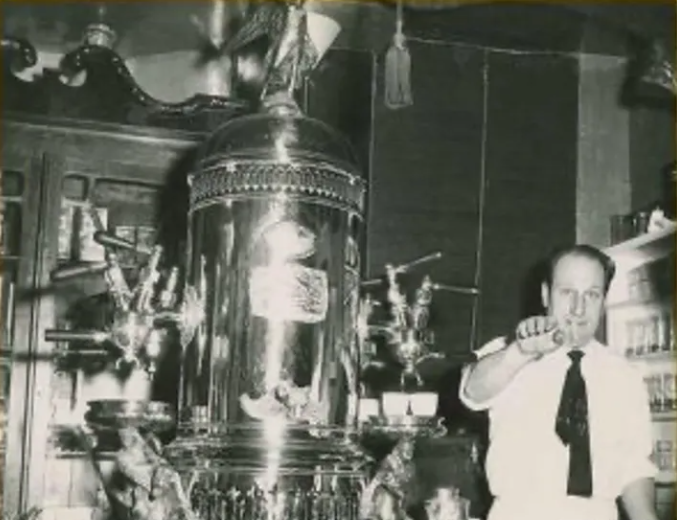
It wasn’t until the early 20th century that an Italian, Luigi Bezzera, revolutionized the early espresso machine. He introduced a stable pressurization system and a portafilter basket, allowing coffee grounds to be evenly distributed and maintain a consistent thickness. More importantly, he brought in the concept of high-pressure extraction, where finely ground coffee is penetrated by high-pressure hot water within seconds. This dramatically improved extraction efficiency and flavor consistency, laying the groundwork for modern espresso.

Although the first espresso machine was invented as early as 1884, coffee drinking at the time was still largely limited to male workers, and espresso had yet to become widespread. Over time, this bold-flavored coffee gradually entered everyday life and became an integral part of Italian culture. People’s taste and expectations for coffee evolved as well — no longer satisfied with mere intensity, they began to pursue richer and more layered flavors.
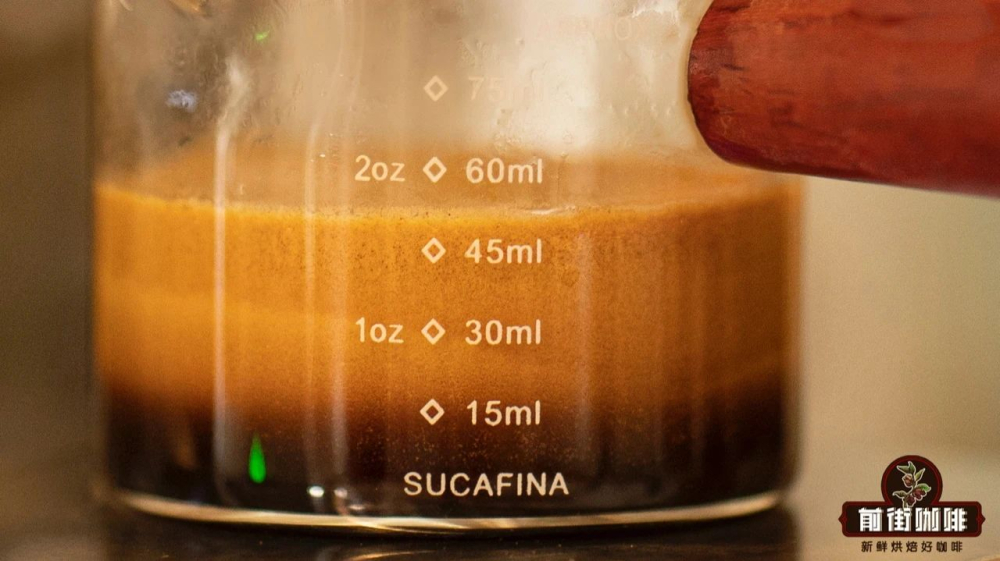
The year 1946 marked a pivotal turning point in the development of espresso. Technician Gaggia introduced a spring piston pressure system, replacing the previous manual pressure method and increasing the extraction pressure to around 9 bar. This improvement not only made the coffee flavor more intense but also led to the formation of a thin layer of golden, velvety foam on the surface of the coffee for the first time —Crema (Crema), what we commonly refer to as coffee crema. This layer of crema is not just a visual highlight; it carries a wealth of aroma and a delicate mouthfeel, and remains to this day an important benchmark for judging whether an espresso meets the mark.
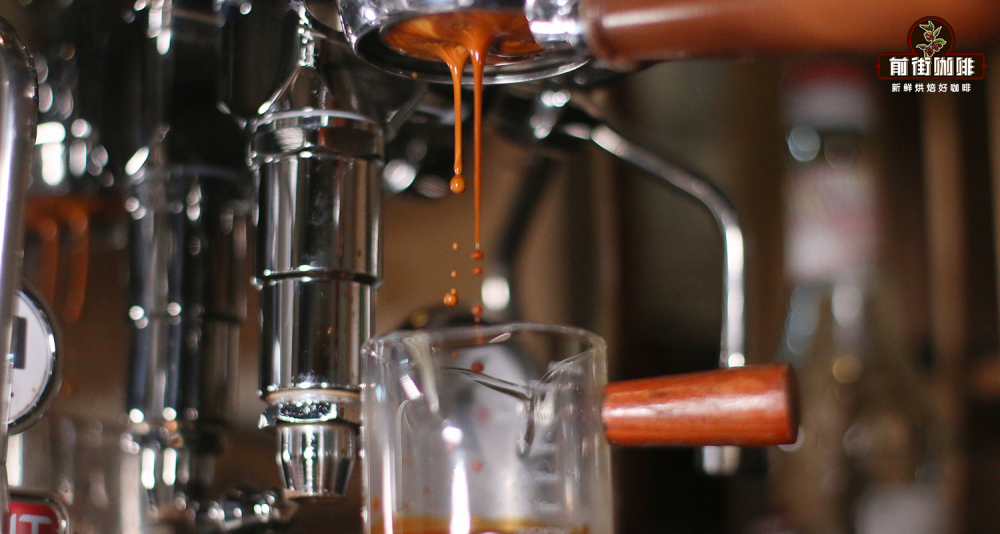
So, how exactly is theCremacrema on an espresso formed? Essentially, it is created when carbon dioxide from the coffee beans, under high-pressure extraction, mixes with water and coffee oils and is forced to the liquid's surface, forming a fine layer of foam. Due to the different densities of oil and water, this foam naturally floats on top of the coffee liquid, presenting an attractive golden hue.
To achieve rich crema, using freshly roasted coffee beans is crucial. This is because coffee beans continue to release carbon dioxide after roasting, and this gas is one of the main sources of crema. Additionally, once ground, coffee beans oxidize and lose aroma more quickly, so it’s recommended to use beans roasted within 5 days and to grind them fresh just before brewing to get the best flavor.
Generally speaking, a single shot of espresso uses about 10 grams of coffee grounds to extract 20 grams of coffee liquid, with an extraction time controlled between 20 to 30 seconds. The water temperature is suggested to be set around 94°C. For a double shot, approximately 20 grams of coffee grounds are used to extract 40 grams of coffee liquid, with other conditions largely the same. During extraction, it’s advisable to use a digital scale to monitor the weight of the coffee grounds and liquid, and to observe changes in extraction time and color to ensure an even and not overly extracted brew.

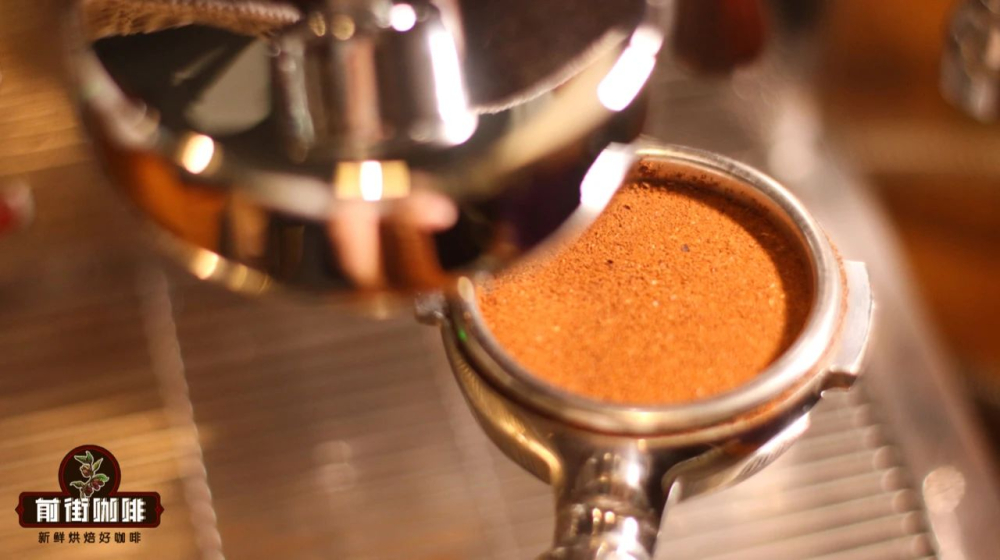
In practice, the first step is to ensure that the espresso machine is preheated and that a clean portafilter basket is used. After removing the portafilter, wipe the inside of the basket with a dry cloth to make sure there’s no water residue or leftover coffee grounds. Next, use a professional grinder to grind the coffee beans to an extremely fine consistency, similar to that of fine sugar. After grinding, it’s recommended to weigh the coffee grounds on a digital scale to ensure a consistent dosage each time.
Once the coffee grounds are placed in the basket, gently level them with your fingers to ensure an even distribution. Then, use a tamper to apply even, downward pressure to compact the coffee bed — this step is called “tamping” and is key to extraction stability. After tamping, carefully reinsert the portafilter into the machine, avoiding any jolts that might crack the coffee puck, as this could lead to channeling and negatively affect flavor balance.
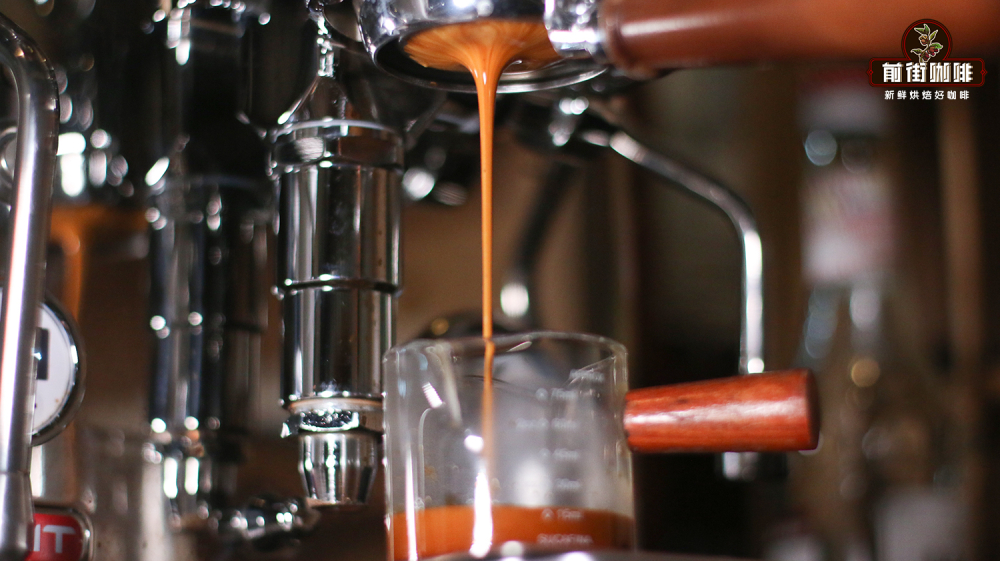
Once extraction begins, it’s recommended to observe both the flow and color of the coffee liquid. Normally, the coffee will flow from dark to light, eventually revealing a bright golden crema layer. A properly extracted espresso should have a rich but not bitter flavor, a full and solid mouthfeel, with noticeable sweetness and layers. The crema provides a smooth texture and rich aroma, serving as the soul of the entire cup.
The above content is compiled by CoffeeHunters, a coffee news website.


