







Introduction:Want to brew an espresso with Crema using a moka pot? This article explains the usage steps and extraction principles of the moka pot in detail, compares the differences between single-valve and double-valve designs, and explores whether the Yellow Bourbon from Brazilian Queen Estate is suitable for brewing with a moka pot — helping you master key techniques from beginner to advanced levels.
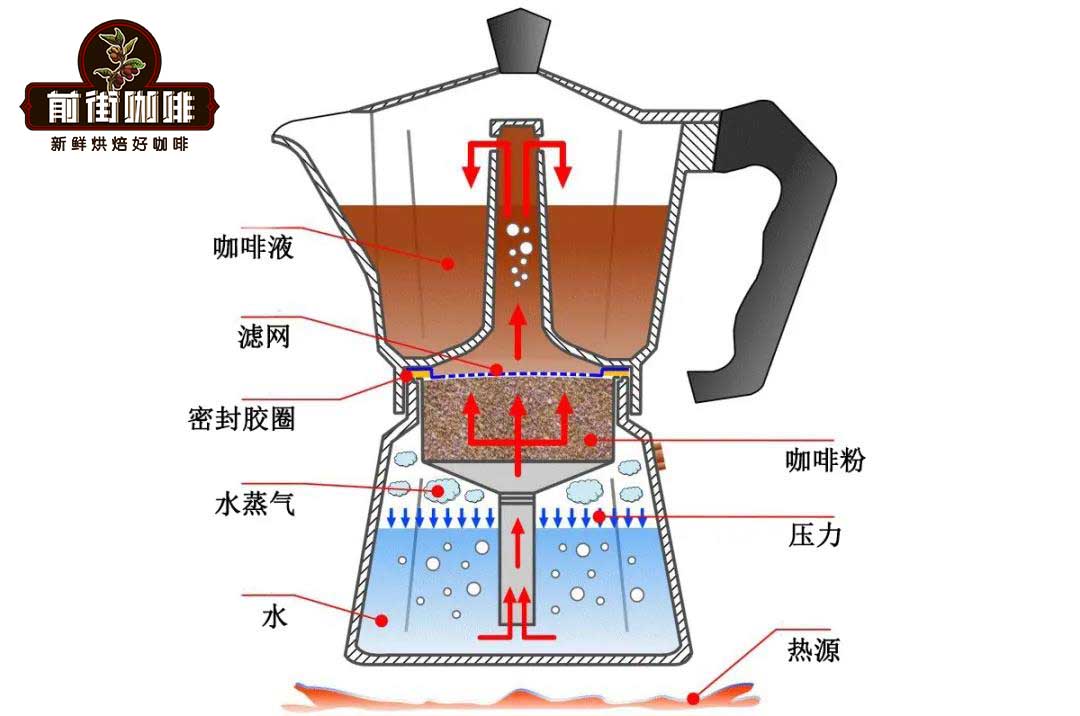
The moka pot is a simple household device that can replicate the flavor of espresso. Since its invention in 1933 by Italian Alfonso Bialetti, it has become a popular choice for many families wanting to make rich coffee. Its working principle utilizes steam pressure generated by heating to push hot water through finely ground coffee, extracting a concentrated liquid similar to espresso.
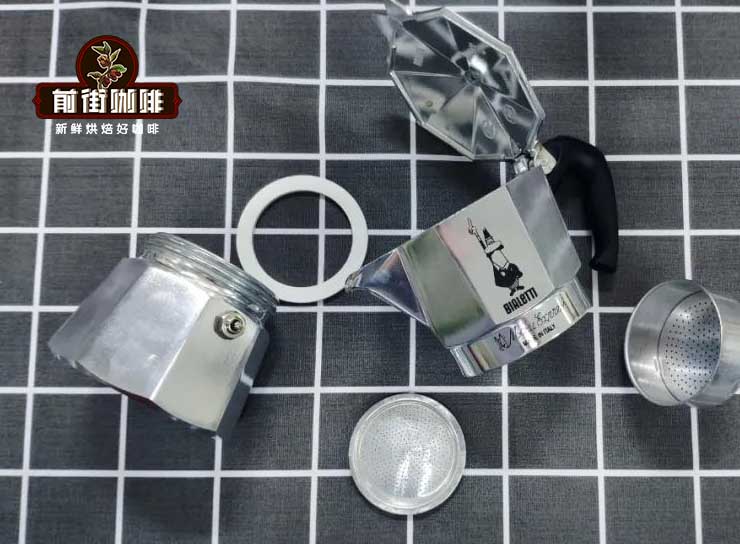
The moka pot mainly consists of three parts: the lower chamber holds the water, the middle filter basket contains the coffee grounds, and the upper chamber collects the brewed coffee. When the water in the lower chamber is heated to boiling point, the resulting pressure forces the water through the coffee layer, ultimately producing a cup of rich coffee in the upper chamber. Although this extraction method is not as precise as a professional espresso machine, with the right technique, you can still brew coffee with Crema.
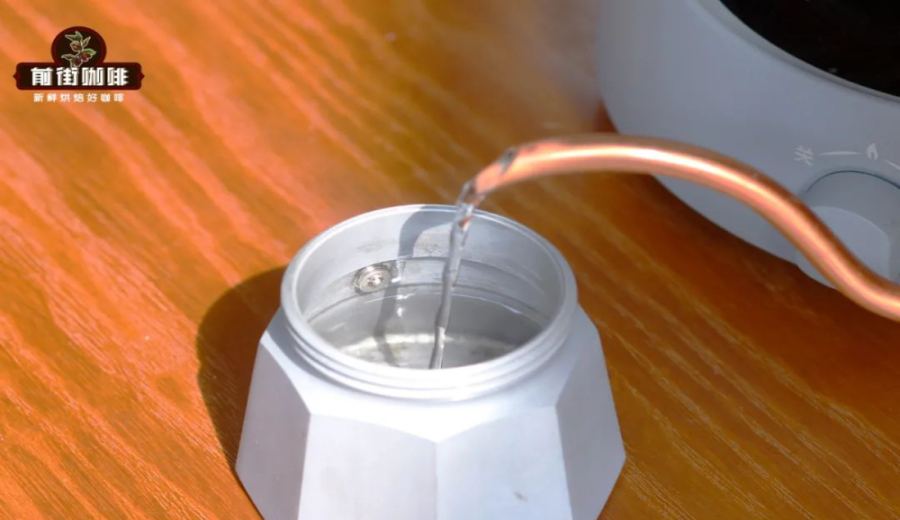
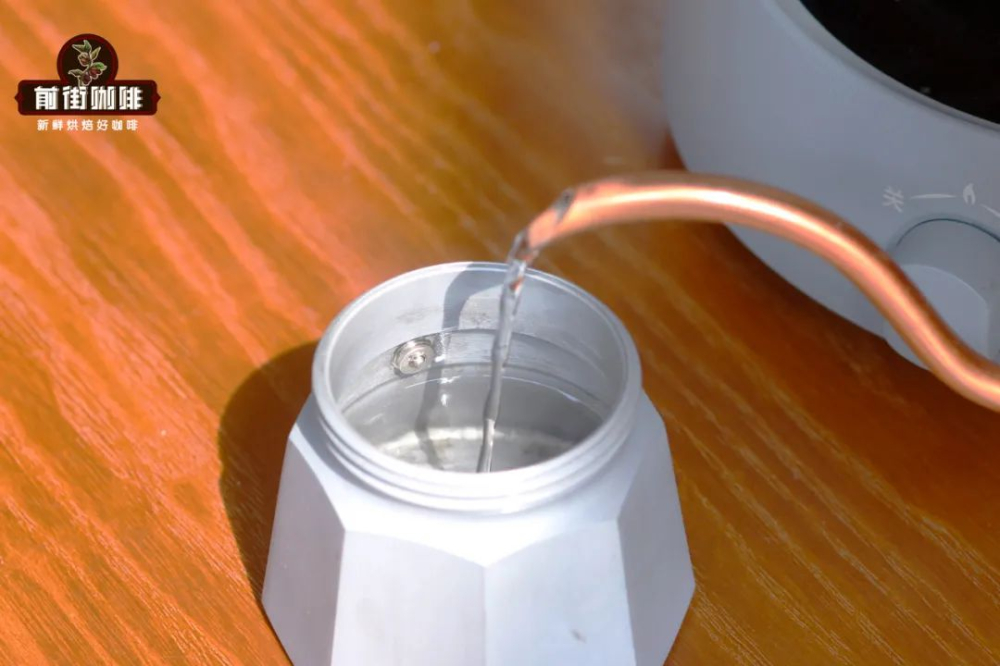
When using a moka pot, first pour purified water into the lower chamber, keeping the water level about 0.5 cm below the safety valve to prevent overflow or pressure instability.It’s recommended to use filtered or soft water to reduce scale buildup.
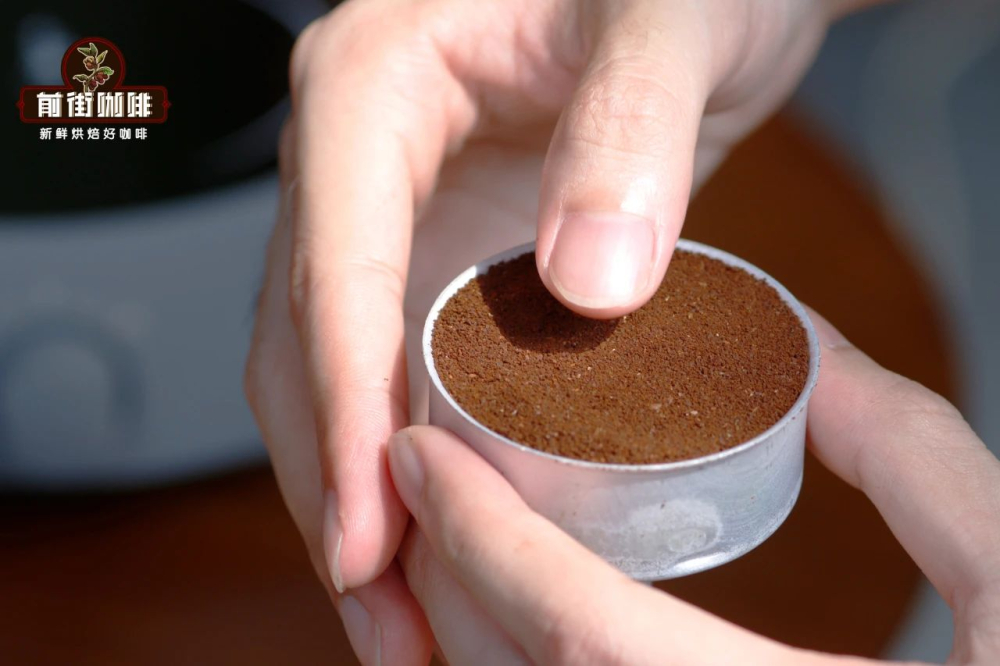
Next, choose coffee grounds slightly coarser than those used for regular espresso, with a grind size roughly between superfine and granulated sugar. When filling the coffee into the filter basket, gently level it and use a distribution technique to ensure an even surface. You may apply slight tamping but avoid overdoing it to prevent channeling. The height of the coffee layer should be almost flush with the edge of the basket, which helps achieve a more balanced extraction and avoids off-flavors.
 ,
 ,
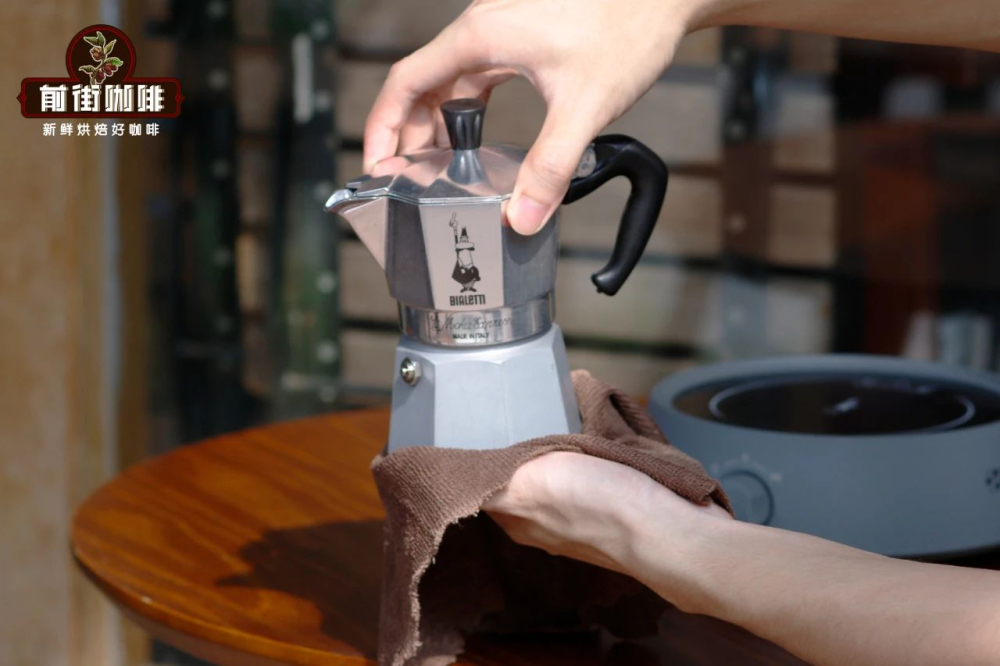
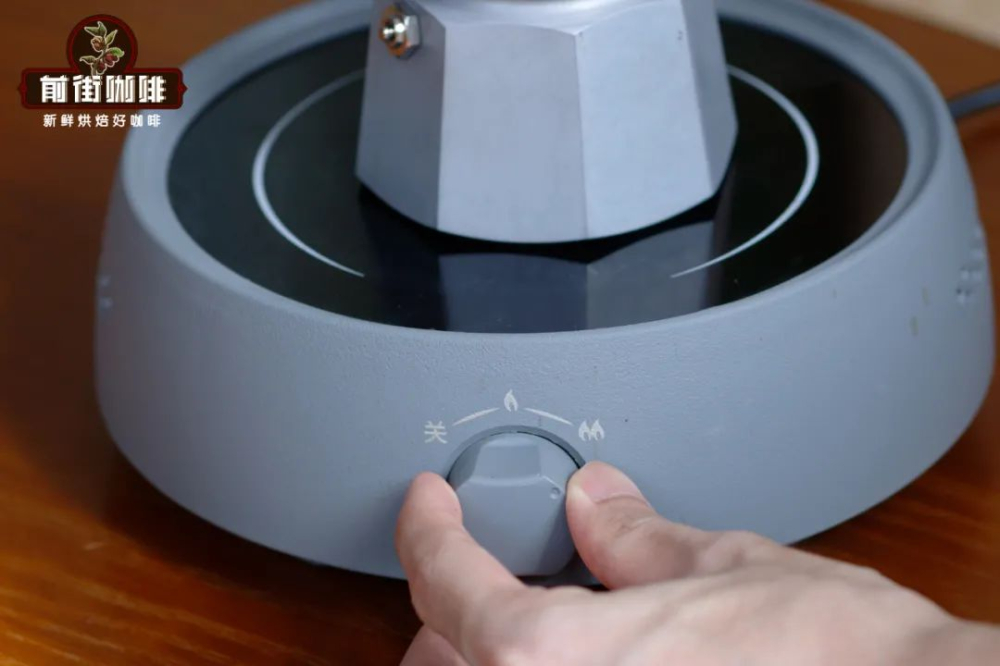
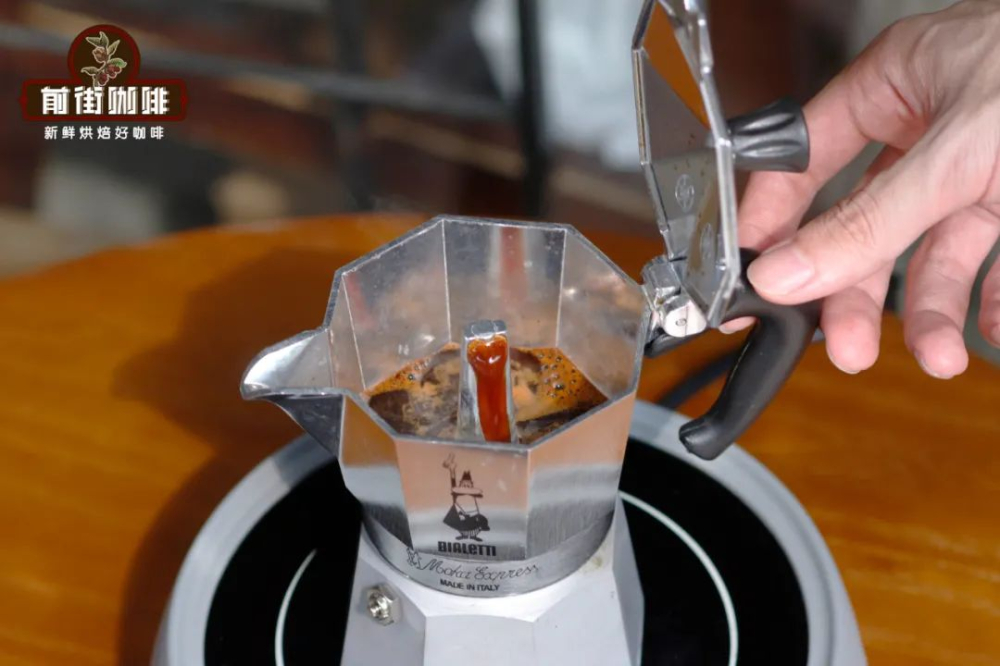
Place the filled filter basket into the lower chamber and ensure the upper and lower chambers are tightly sealed. It’s advised to wipe the base with a dry cloth to prevent slipping. Then place the moka pot on an electric or gas stove and heat it over high heat. When you hear a distinct “wuu wuu” sound, it means the pressure is gradually building up — at this point, reduce the heat and slightly open the upper chamber lid to release some pressure.
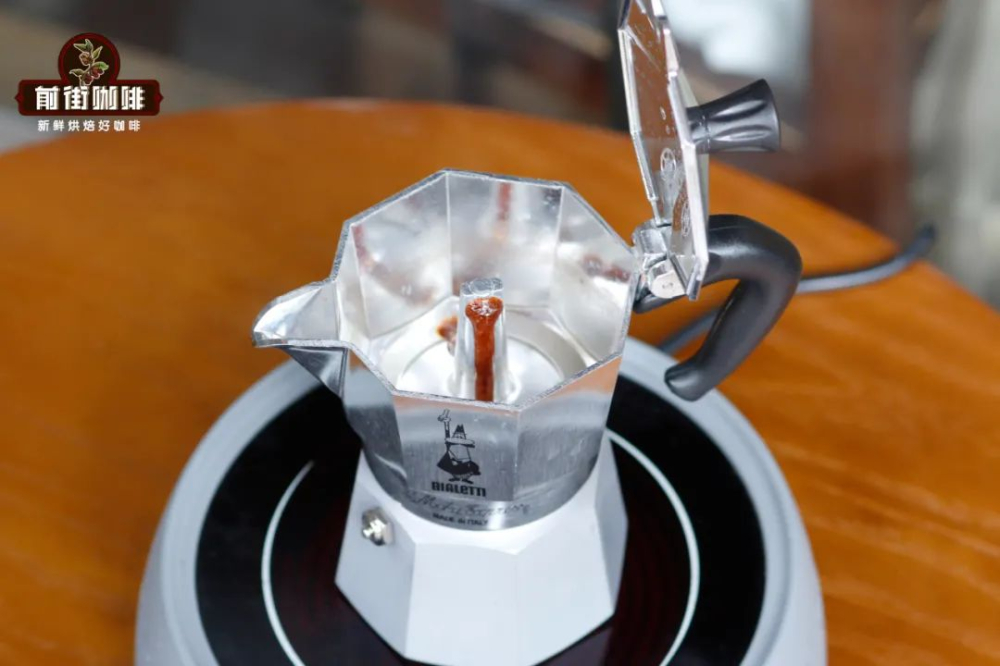
Once the coffee starts flowing into the upper chamber and about half of the desired amount has been extracted, turn off the heat. The residual heat and remaining pressure will push the rest of the coffee up, avoiding over-extraction. The entire brewing process usually takes only 20 to 30 seconds to produce a rich, crema-covered coffee.
 ,
 ,
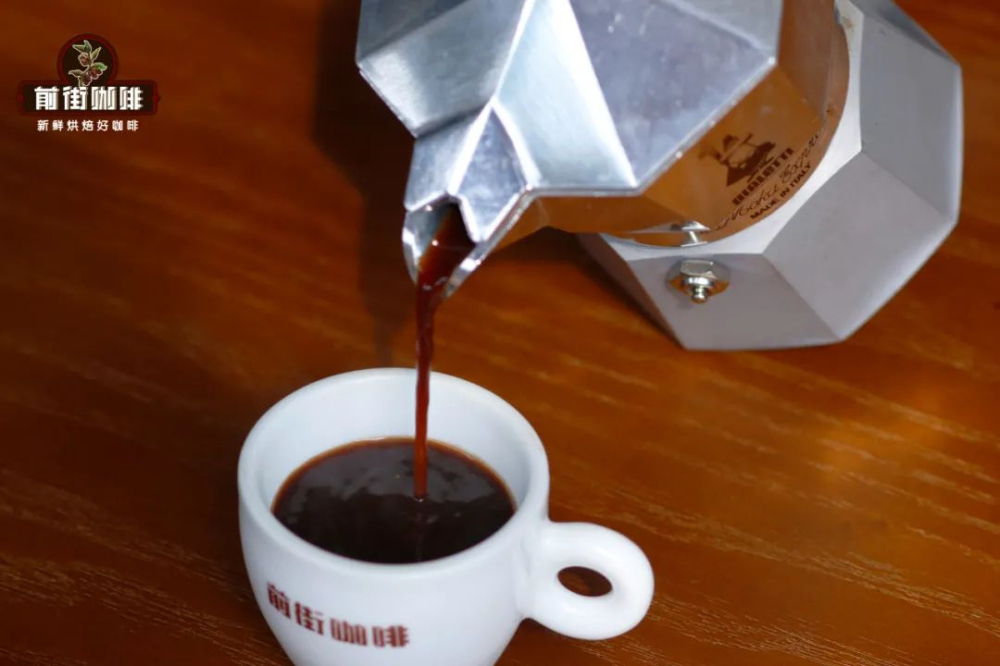
When using a moka pot, pay special attention to several safety details: the water level must never exceed the safety valve, as this may cause abnormal pressure or hot water splashing; the pot becomes extremely hot during heating and should not be touched directly; if the coffee spurts out too forcefully, it’s usually due to excessively high temperature — reduce the heat; conversely, if the flow is too slow, you may need to increase the heat or check the grind size and how firmly the coffee is packed.
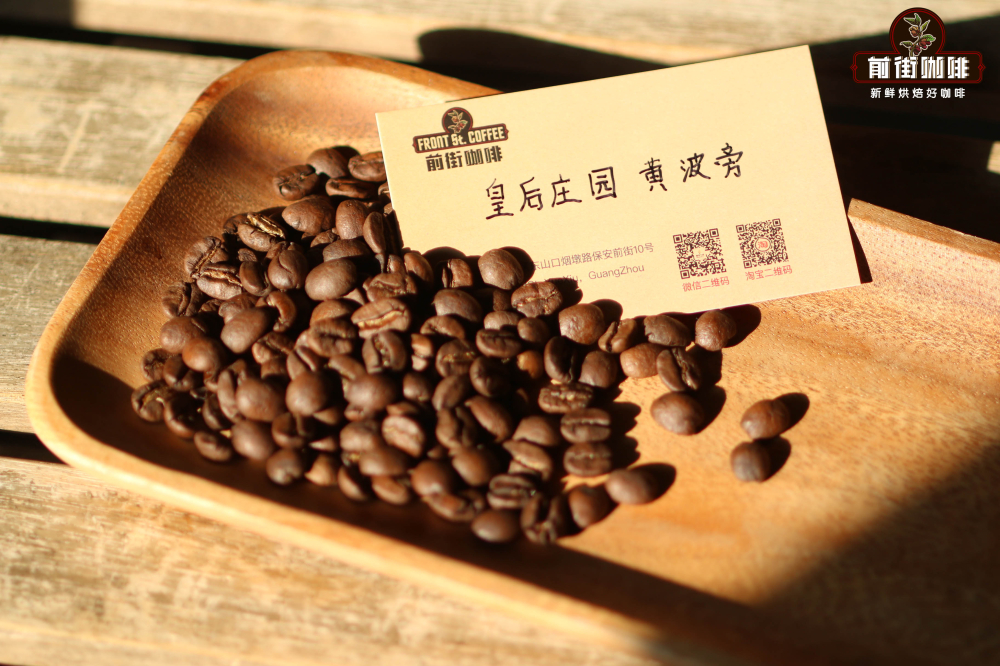
Regarding coffee bean selection, since the moka pot uses pressurized extraction, it’s recommended to use medium to dark roasted beans to help bring out a rich crema and bold flavors. Take the Yellow Bourbon from Brazilian Queen Estate as an example: this naturally processed bean offers pronounced notes of nuts, creamy peanuts, and cane sugar. With a medium roast, it highlights smooth acidity and sweetness, and when brewed with a moka pot, it delivers a layered, crema-rich coffee experience.
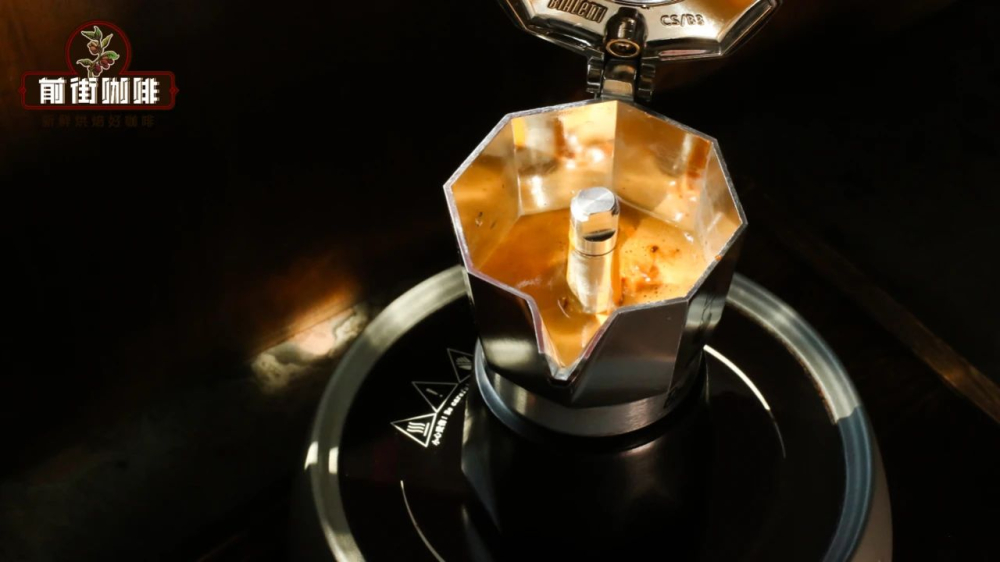
Currently, moka pots on the market mainly come in three designs: single-valve, double-valve (gravity-pressured), and the new pressurized double-valve. The single-valve model has a simple structure but produces lower pressure during extraction, resulting in less crema that dissipates quickly; the older double-valve models use gravity pressure to provide higher pressure and better crema performance. The latest pressurized double-valve design features an internal hydraulic layer, making it not only easier to clean but also producing denser, longer-lasting crema with richer flavor layers — making it the top choice for users seeking high-quality moka pot coffee.
The above content is compiled by CoffeeHunters, a coffee news website.


