







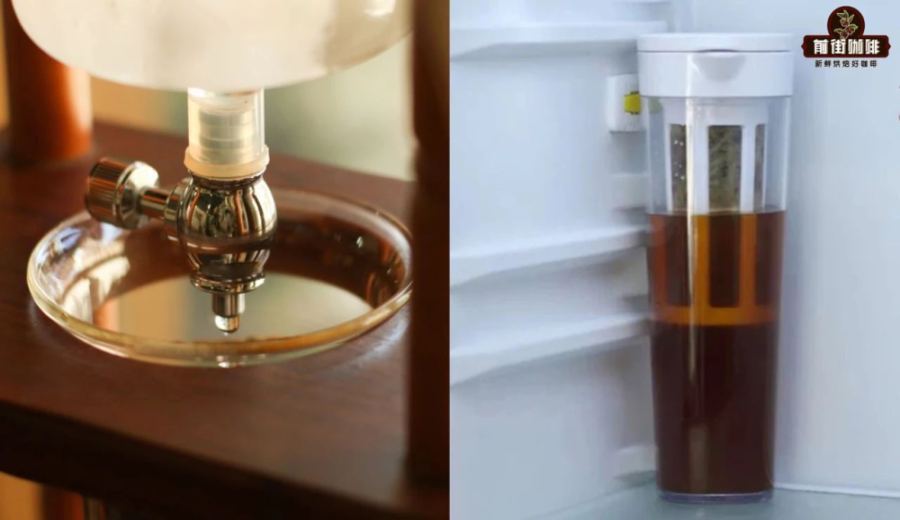
Introduction:Both cold drip and cold brew are coffee brewing methods that involve prolonged extraction at low temperatures, yet they yield vastly different flavor profiles. This article delves into the brewing principles to analyze their differences in taste, aroma, and ideal serving scenarios, and walks you through practical steps using Sidamo Natural Huikuai beans to help you choose and brew your own preferred iced coffee.
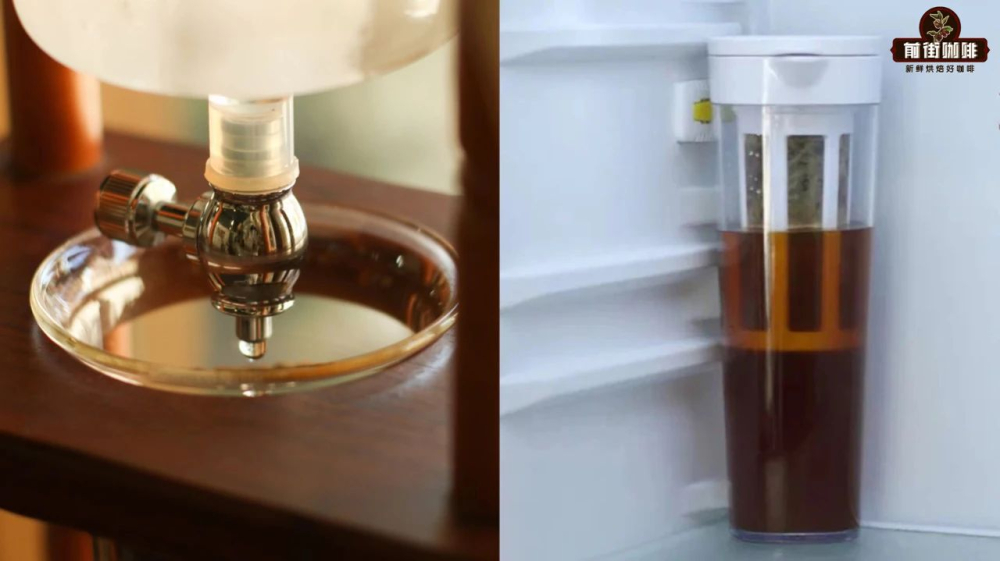 " />
Which is better—cold drip or cold brew? This is a common question among coffee enthusiasts. In truth, each brewing method delivers unique flavor characteristics, primarily differing due to water temperature and brewing time. If you prefer a bright and clean taste, cold drip might be your top choice; if you enjoy a rich, smooth cup with fermented notes, cold brew is more to your liking.
 " />
First, let’s understand what low-temperature extraction means. Traditional pour over often uses hot water, which quickly extracts tannins, sugars, and acids from coffee but also carries a higher risk of over-extraction, releasing unwanted woody or fibrous flavors. In contrast,both cold drip and cold brew utilize low temperatures and extend the brewing duration over several hours to over ten hours through immersion or dripping,extracting only smaller molecular compounds such as fruity and floral notes and fruit acids. This avoids the coarse impurities brought by high heat, resulting in an overall finer flavor and smoother mouthfeel.
 " />
Next, let’s examine the actual differences in flavor and mouthfeel between the two.Cold brew coffee usually has a rich, smooth mouthfeel. To make it, simply mix coarsely ground coffee powder with cold water at a coffee-to-water ratio of 1:12 to 1:5, refrigerate for 8 to 12 hours, then filter through cloth or paper. Due to the extended cold steeping, this method fully brings out the sweetness and berry-like notes of the coffee beans, making it ideal for those who enjoy a bold cup that can be paired with milk or sparkling water.
 " />
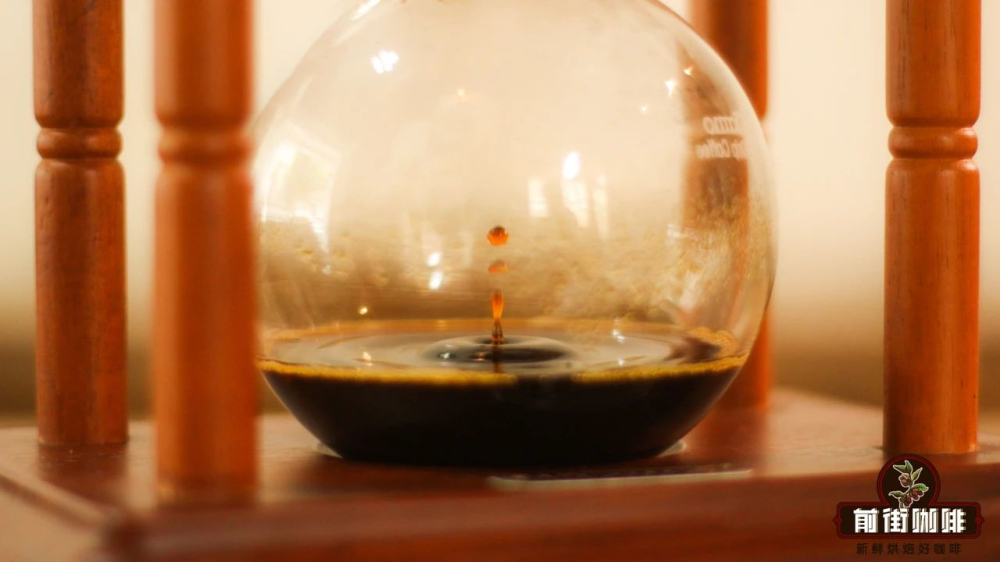
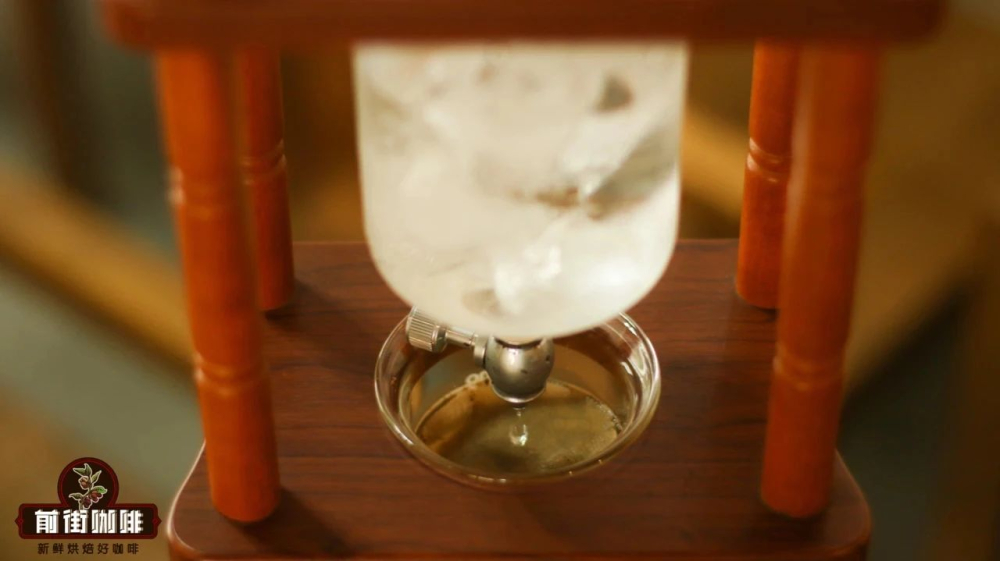
In comparison,cold drip coffee is extracted at an extremely low temperature (usually not exceeding 5°C) through slow dripping. The coffee-to-water ratio is typically set at 1:10, meaning 600 milliliters of ice water per 60 grams of coffee powder, with the drip rate controlled (for example, 7 drops per 10 seconds) to achieve stable and even extraction. Since the entire process occurs almost entirely under constant, low temperatures, the resulting coffee generally contains fewer off-flavors, with a cleaner and more transparent flavor profile. It often features delicate floral notes, berry acidity, and lingering fruity aromas reminiscent of nectarines or mangoes. The mouthfeel is clean and refreshing, suitable for those who enjoy bright acidity and subtle balance.
 " />
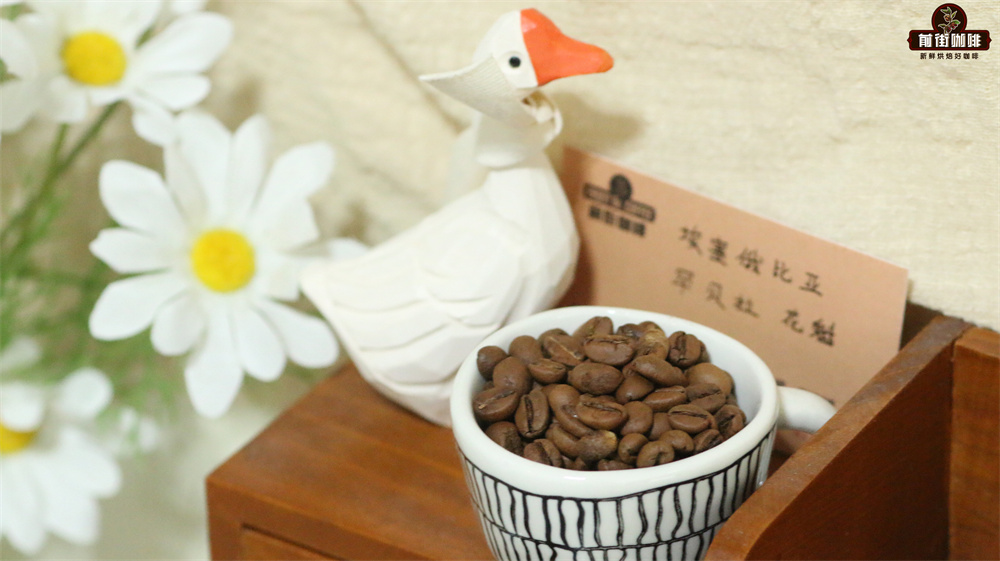
So, how exactly are these two types of iced coffee made? Below are specific brewing recommendations using Ethiopian Yirgacheffe Huikuai beans (grown at 1900–2200 meters altitude, heirloom variety, sun-dried). These beans boast rich berry and fruity floral aromas, making them perfect for highlighting the distinct traits of cold drip and cold brew.
 " />
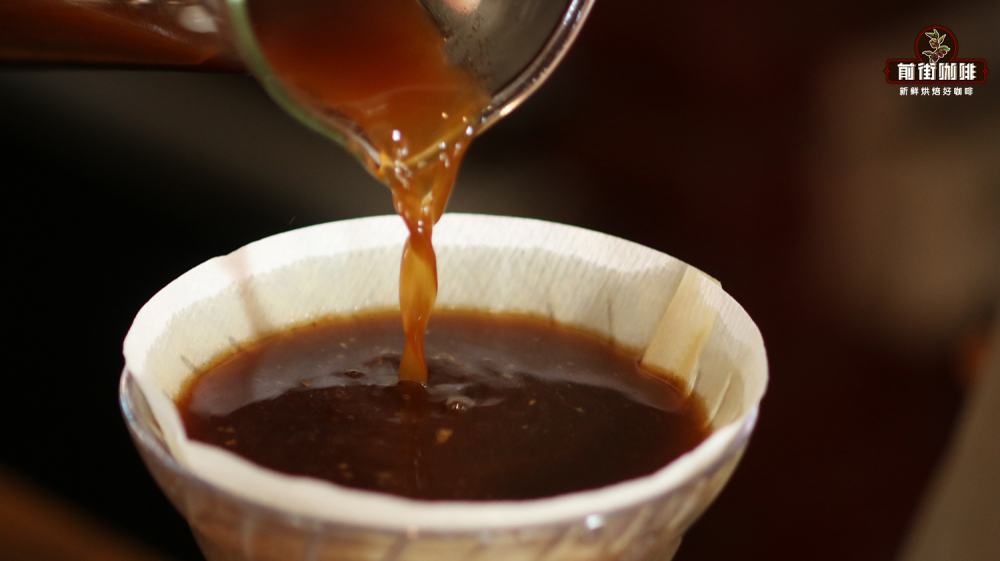
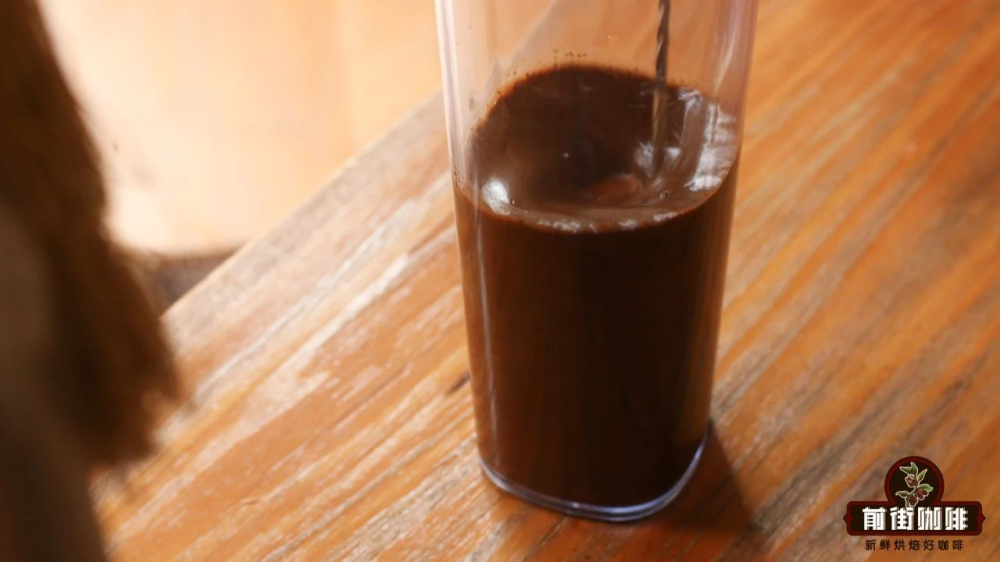
The cold brew process is very straightforward: place coarsely ground coffee powder into a container and adjust the coffee-to-water ratio based on intended use—for pure coffee, a 1:12 ratio is recommended; if planning to mix with sparkling water, soda, or milk, a concentrated 1:5 or 1:6 ratio can be used. The coffee grounds should be slightly coarser than those for pour over to avoid over-extraction and bitterness. After mixing, refrigerate for 8–12 hours, then filter through paper or cloth, and pour into bottles or jars for on-the-go enjoyment.
 " />
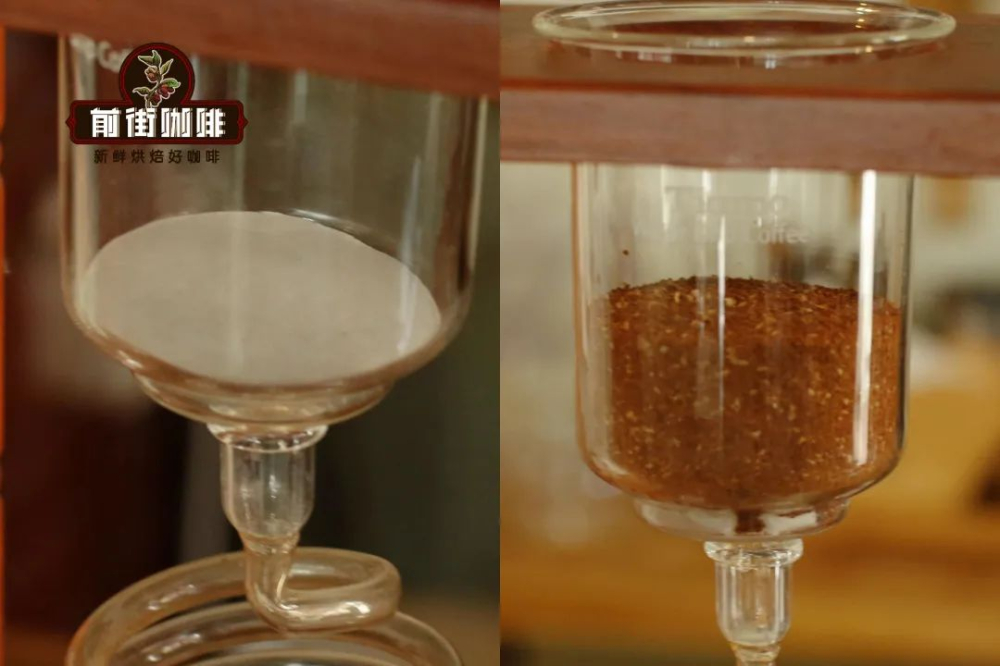
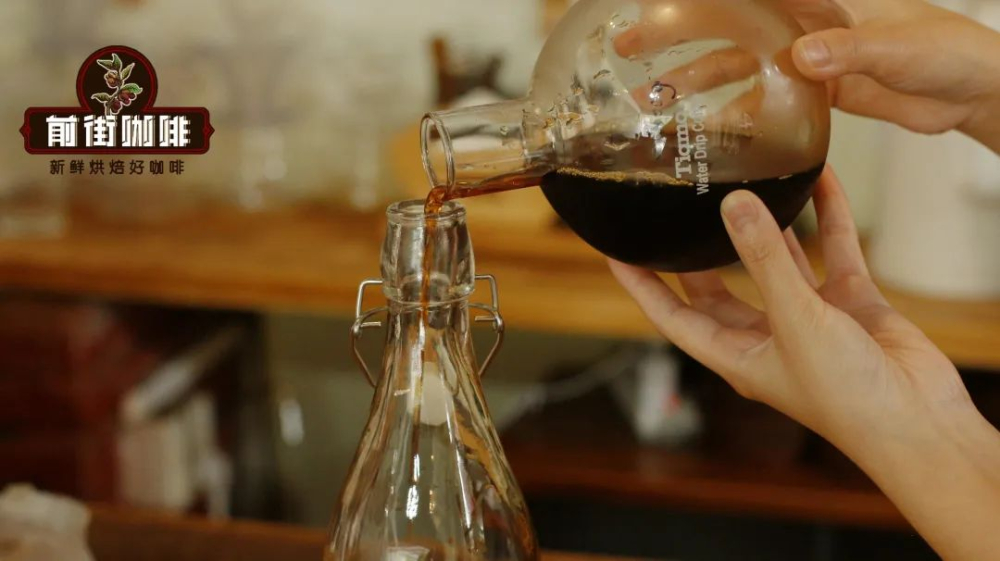
Cold drip coffee, on the other hand, requires a cold drip kettle. To prepare, place a piece of moistened filter paper at the bottom of the coffee chamber, then add about 60 grams of coffee grounds with a coarseness similar to pour over. Lightly press the surface to flatten it, then cover with another filter paper to ensure even water distribution. Pre-wet the coffee grounds with ice water to mimic blooming, ensuring more consistent extraction. During the actual dripping, it is recommended to set the drip rate at 7 drops per 10 seconds and maintain a coffee-to-water ratio of 1:10 (e.g., 60 grams of coffee to 600 milliliters of ice water), with the whole process taking approximately 6–8 hours. After dripping, it is advisable to seal the coffee liquid and refrigerate it overnight to allow flavors to meld, making it smoother and more layered the next day.
 " />
 " />
Finally, here are flavor descriptions of the two iced coffee versions made from the same beans, to help you determine which one better suits your taste preferences:The cold brew version showcases pronounced floral notes, intense berry juice character, and fermented aromas, with a smooth mouthfeel and a honey-like sweetness in the aftertaste;whereasthe cold drip version presents fresh, delicate floral aromas, softer berry acidity, a clean and refreshing mouthfeel, and a finish that reveals hints of nectarine and mango
 " />
The above content is compiled by CoffeeHunters, a coffee news website.


