







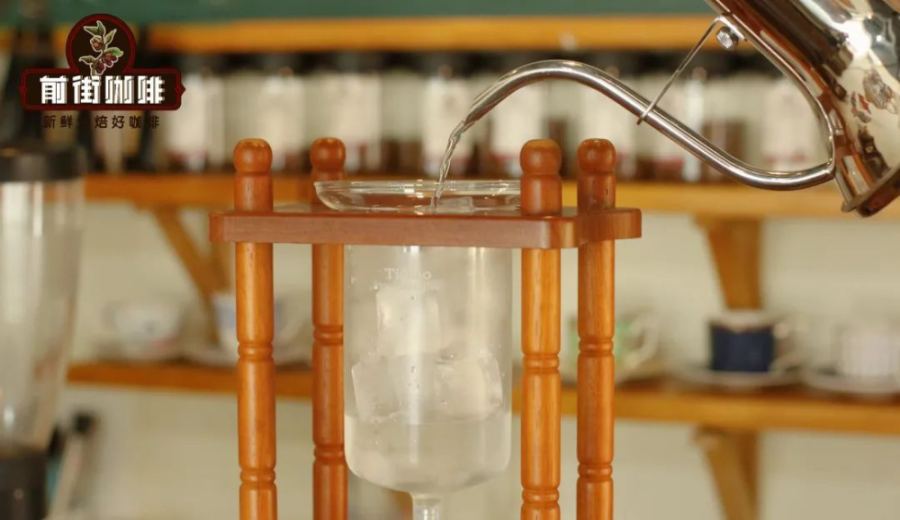
Introduction:With its refreshing smoothness and unique fermented aroma, cold drip coffee has become a favorite choice for many coffee enthusiasts during the summer. But do you know why cold drip coffee needs to rest and ferment overnight after brewing before it’s ready to drink? This article will delve into the low-temperature extraction principles of cold drip coffee,
As the name suggests, ice drip coffee is made by slowly dripping ice water through coffee grounds — an extraction method that takes a long time and operates at low temperatures. This technique reduces the astringency and smoky impurities often released during typical hot water brewing, instead highlighting the floral and fruity aromas as well as the subtle layers within the coffee beans. The resulting cup feels smoother on the palate with a pronounced sweetness lingering afterward. For coffee enthusiasts who seek the benefits of cold extraction, ice drip is not just a beverage but also a journey of flavor discovery.
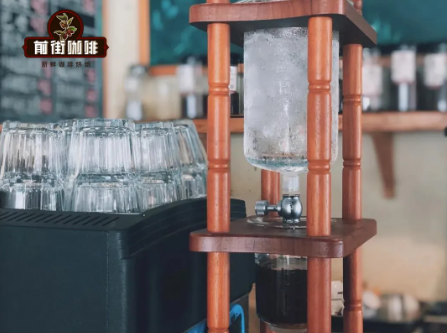
The process of cold extraction relies primarily on prolonged contact between ice water and coffee grounds, typically requiring several hours or even a full day. Under such conditions, only small molecular flavor compounds—such as floral and fruity notes—are easily dissolved, while larger molecular components like smoky or burnt flavors are less likely to be released. For this reason, ice drip coffee often reveals the most original and gentle side of the beans, presenting a refreshing flavor profile with distinct layers.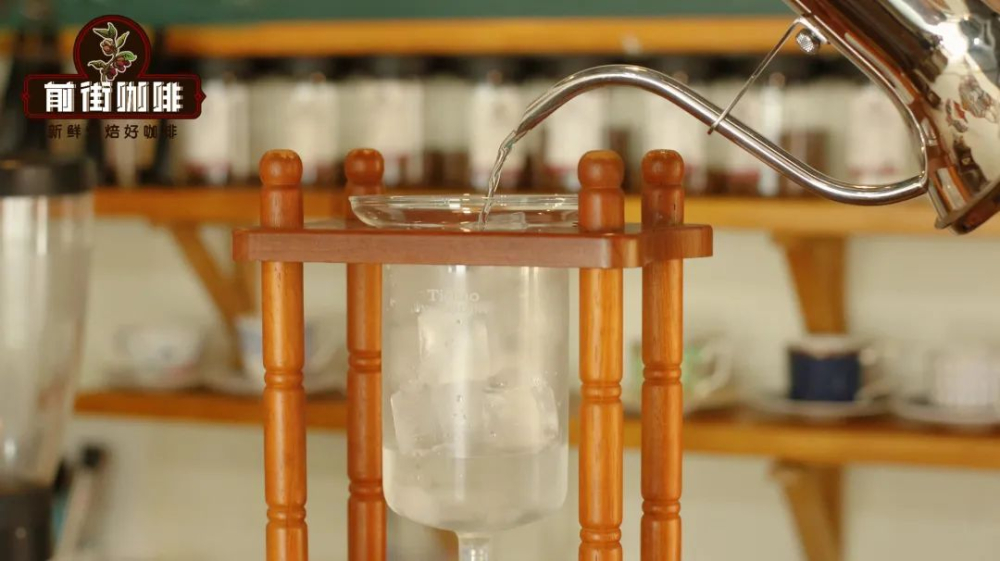
Many people who brew ice drip coffee at home are often advised to let the finished product sit in the refrigerator for about 12 to 24 hours before drinking. This isn’t fermentation but rather an extension of the oxidation process. Although a large number of flavor molecules have already been dissolved right after brewing, they haven’t fully been released yet. Time is needed for these substances to interact with the naturally produced carbon dioxide inside the bottle, which helps the aroma become more expressive and the mouthfeel rounder and fuller. This process is similar to how freshly roasted coffee beans release carbon dioxide to better showcase their flavors.
However, this resting period isn’t necessarily better the longer it goes. It’s recommended to finish drinking within 72 hours to avoid the influence of airborne or container-based microbes on the coffee’s quality. Leaving it too long can not only lead to off-flavors but also cause the original delicate notes to gradually fade. To experience the best flavor, it’s suggested to do a first taste after 12–24 hours of resting to observe how its layers evolve over time.
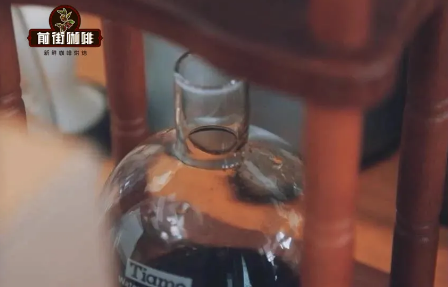
In professional-grade ice drip brewing, a common standard is a coffee-to-water ratio of 1:10 — for example, using 60 grams of coffee grounds with 600 milliliters of ice water. The ice water is recommended to be made by mixing edible ice and tap water in a 1:1 ratio to ensure a stable overall temperature without diluting the extraction efficiency. The grind size should be adjusted to that of coarse sugar, slightly coarser than the standard for medium-roast pour over brewing, which helps control the flow rate and avoid over-extraction.
During actual operation, start by placing a round filter paper at the bottom of the coffee chamber and gently pressing the coffee grounds to flatten the surface. Then lay down a second layer of filter paper to ensure the water is evenly distributed across the entire coffee bed, preventing localized over-extraction or the formation of depressions. The step of wetting the coffee bed is especially important — much like the blooming stage in pour over — as it awakens the coffee grounds and enhances overall extraction consistency. The dripping speed is advised to be around 7 drops per 10 seconds, maintaining a steady flow rate for optimal extraction balance.
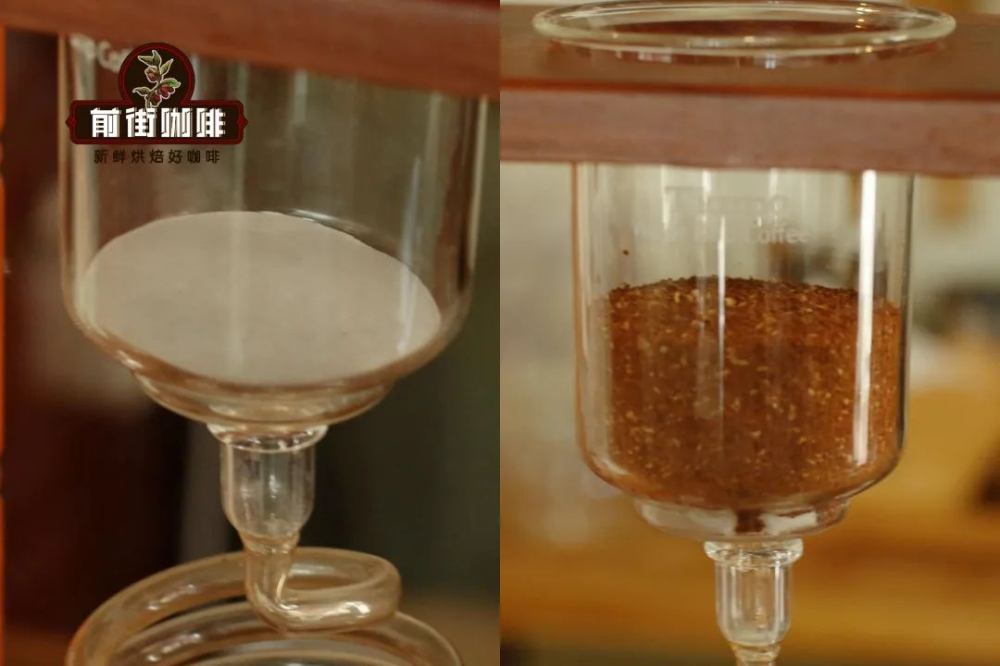
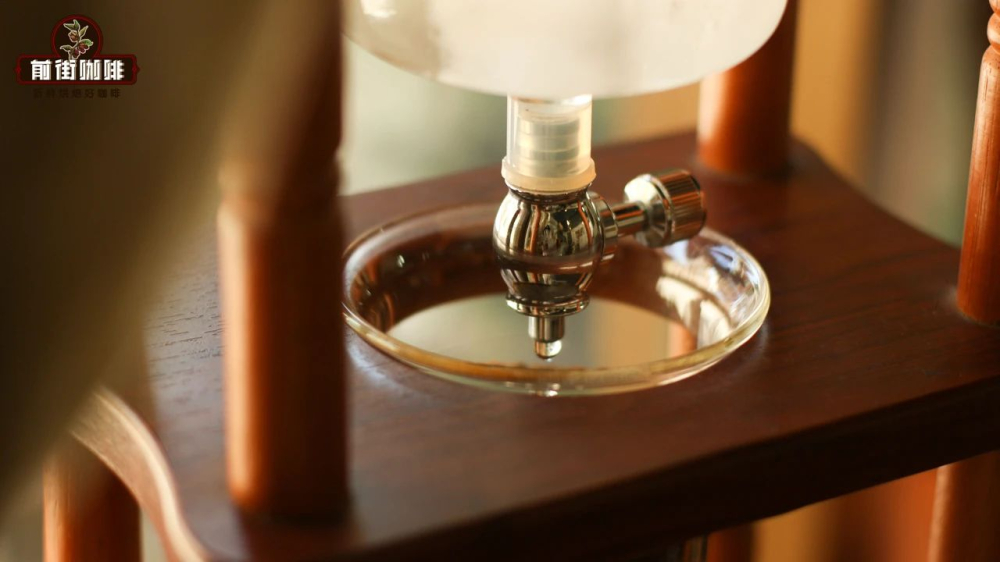
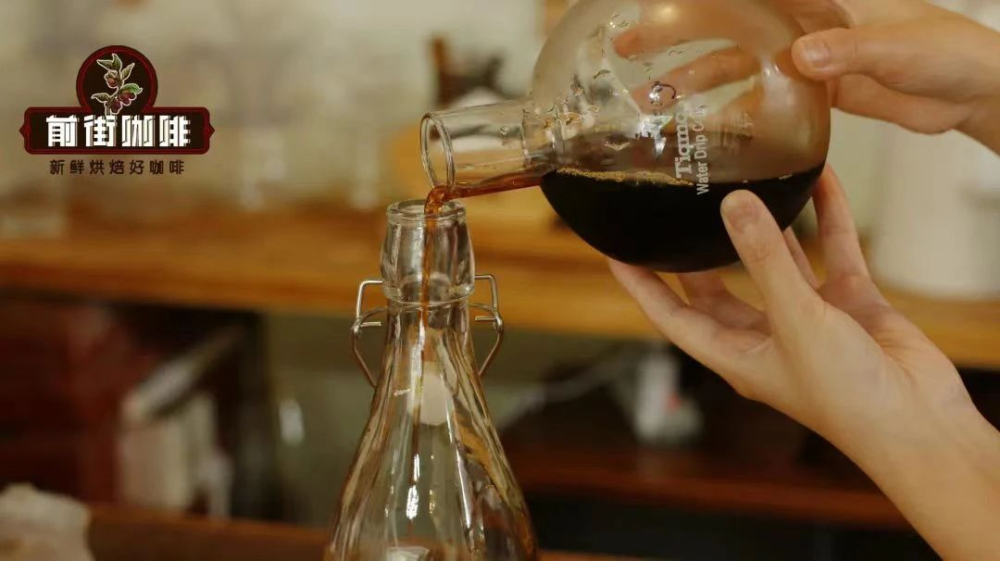
Once brewing is complete, the ice drip coffee should be poured into a clean glass bottle that is free of water and oil, then tightly sealed and refrigerated for resting. The naturally accumulated carbon dioxide pressure inside the bottle helps release the flavor molecules. This process can significantly enhance the aroma expression and the richness of the mouthfeel in the final cup. When selecting coffee beans, a blending strategy is recommended — combining beans from different regions or with different processing methods to complement each other’s characteristics. For instance, pairing beans with berry aromas and nutty tones alongside others offering citrus acidity and fermentation notes can create a more three-dimensional flavor profile.
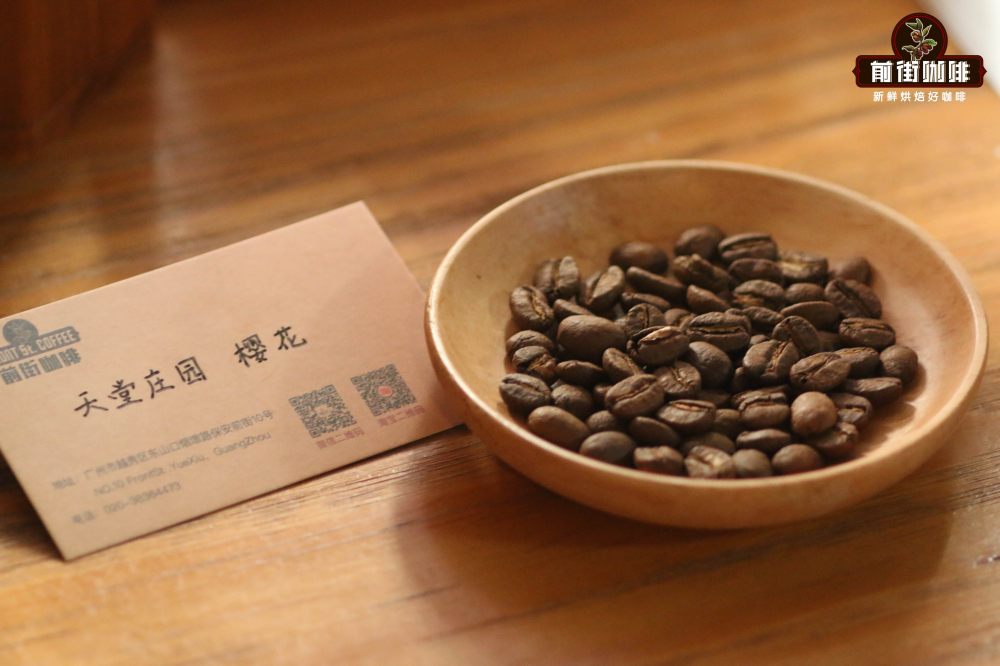


Overall, the charm of ice drip coffee lies not only in its refreshing and low-stimulation taste, but also in its complex brewing logic and the subtle evolution of flavors. From the precise coffee-to-water ratio and grind size control, to adjusting the drip speed and subsequent resting oxidation, every step influences the final flavor outcome. By mastering the key techniques and keeping these considerations in mind, you too can easily enjoy this rich, almost liquid-jam-like cup of ice drip coffee at home.
The above content is compiled by CoffeeHunters, a coffee news website.


