








Introduction:Want to know if a moka pot can make real espresso? This article dives deep into the brewing principles of the moka pot, the differences between single and double valve designs, and provides practical coffee-to-water ratios and step-by-step instructions to help you brew rich black coffee with crema. Master all the essentials of moka pot brewing, from equipment selection to common issues.
The moka pot is a common appliance in many coffee enthusiasts’ homes, but is it really capable of making authentic espresso? Though similar in appearance and extraction method, there are key differences between the moka pot and professional espresso machines. This article will break down the structure and working principle of the moka pot in detail and compare the characteristics of the coffee produced by both.
The moka pot mainly consists of three parts: the upper chamber, the filter basket, and the lower chamber.The lower chamber holds the water,the filter basket holds finely ground coffee, and the final extracted coffee gathers in the upper chamber. Its operation relies on steam pressure generated by heating the lower chamber. When the pressure builds up enough to penetrate the coffee grounds, it pushes the hot water up into the upper chamber to complete the extraction.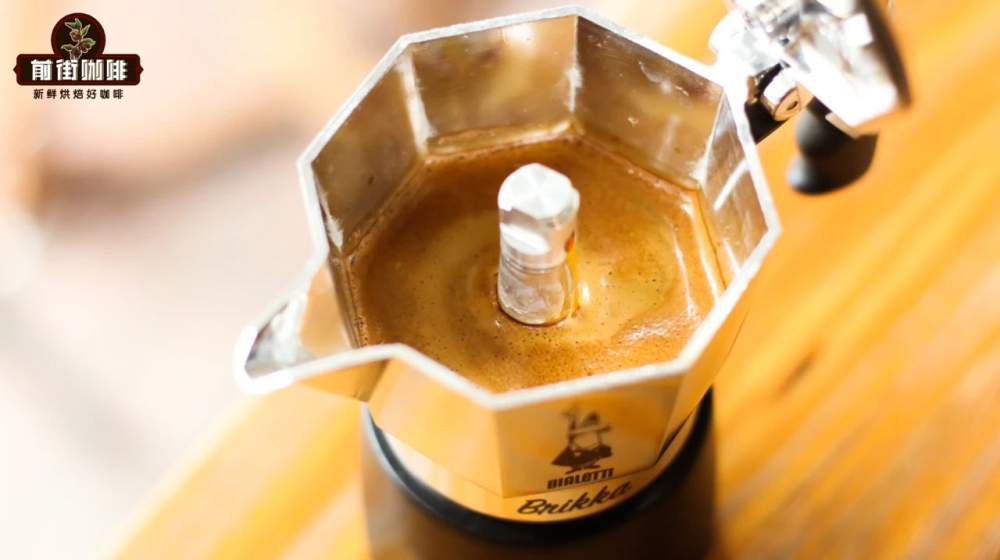
An internal structural diagram clearly shows that during heating, the water in the lower chamber turns into steam, which pushes the liquid through the coffee grounds. This physical mechanism is somewhat similar to the pressure extraction of commercial espresso machines, but the pressure is significantly lower.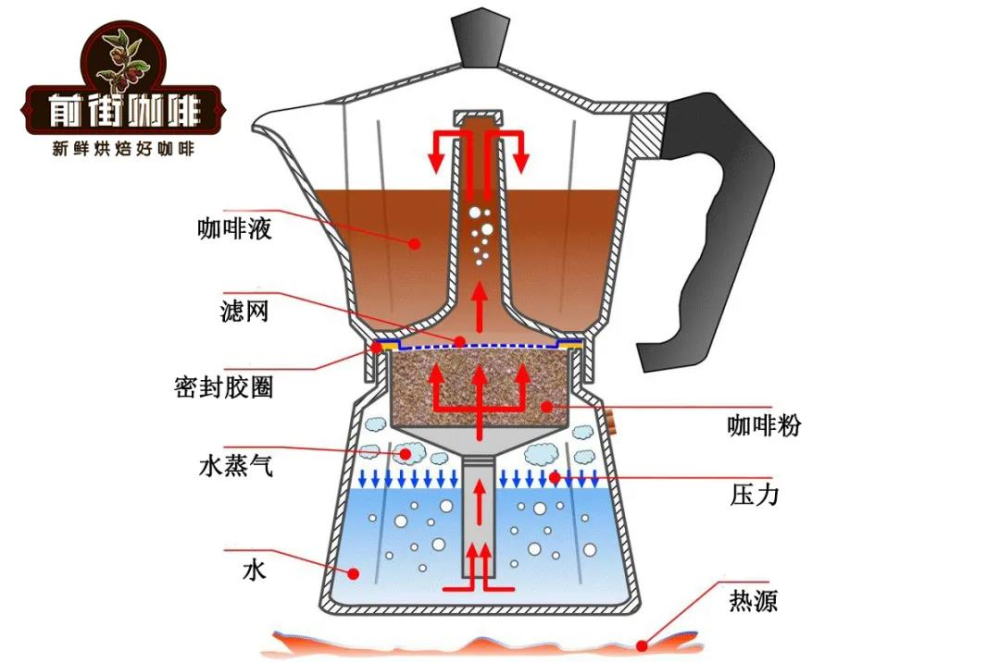
Common moka pots on the market come in single-valve and double-valve designs. The double-valve version adds a pressure valve at the base of the tube, requiring higher steam pressure to open the valve and release the coffee, thus producing richer crema. In contrast, the single-valve relies solely on a small hole at the top of the tube for natural flow, resulting in weaker extraction pressure and a relatively thinner layer of crema.
Professional espresso machines, on the other hand, use a high-pressure environment of 9–10 bar, pushing 94°C hot water quickly through extremely fine-ground coffee, creating a honey-like viscosity and distinct layered flavors. At the start of extraction, the coffee is dark reddish-brown, gradually turning golden over time—a change that is less noticeable in moka pot brews.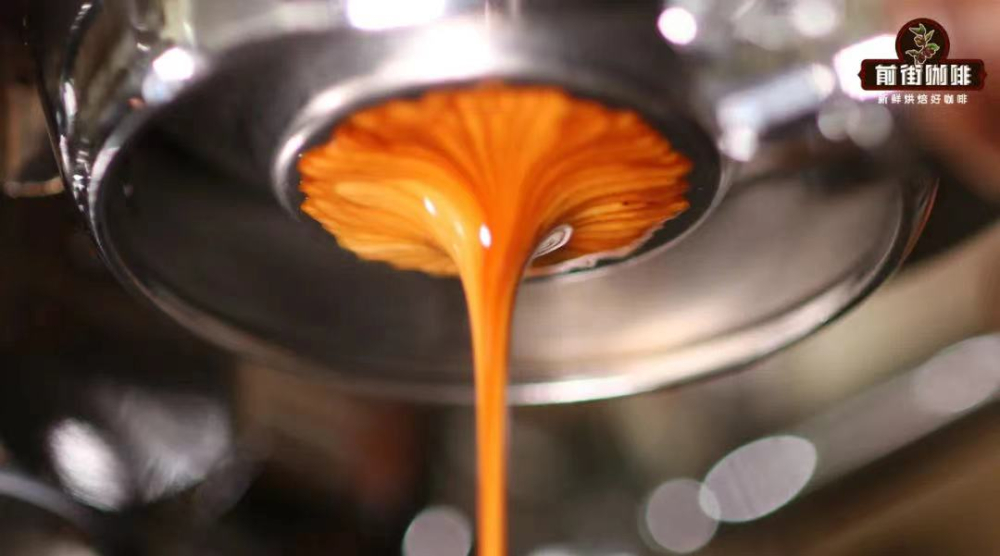
To use a moka pot, you’ll need: the moka pot itself, a heat source (gas stove/induction cooker), medium-dark roasted coffee beans, and a grinder.It’s recommended to grind the coffee to a fineness similar to superfine sugar. When filling the filter basket, gently tap it to level the surface. After assembling, start heating over medium heat, then reduce to low heat when you hear a hissing sound. Turn off the heat immediately when you hear frequent bubbling sounds to avoid over-extraction.
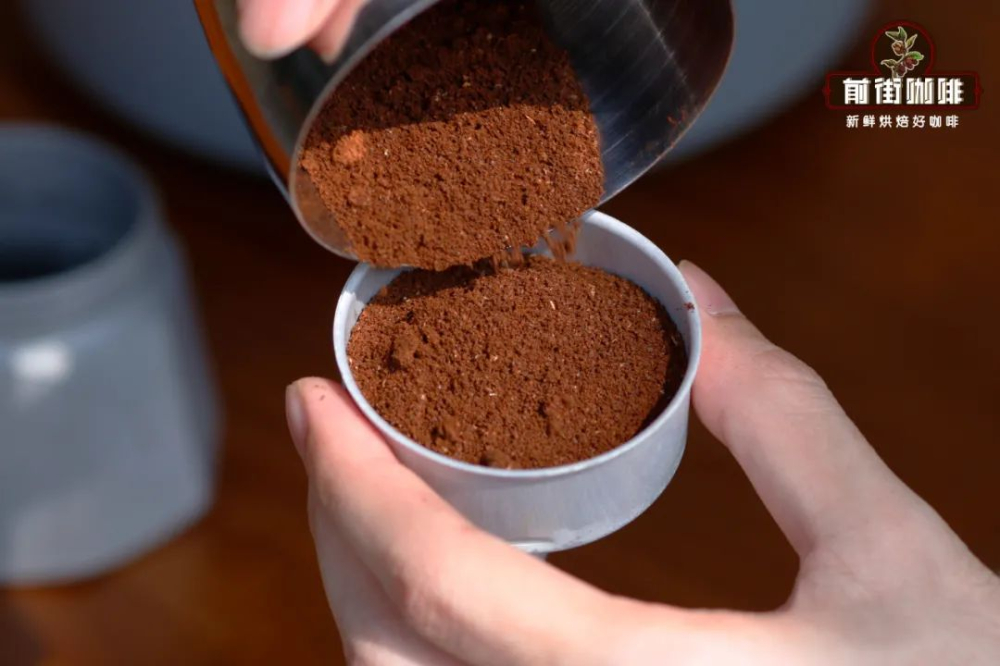
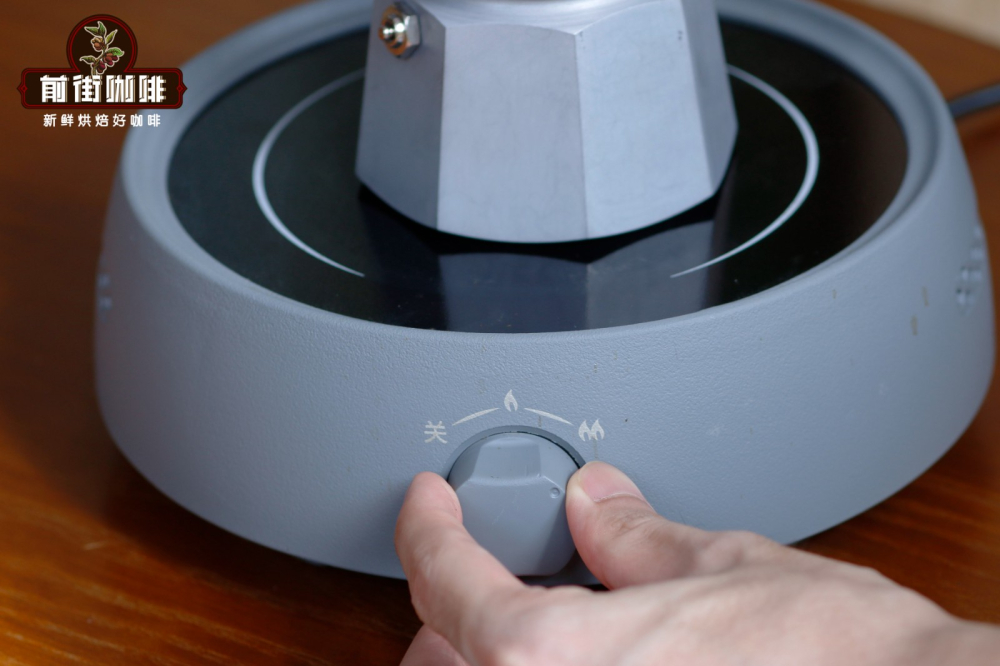
Although the crema produced by a moka pot is not as pronounced as that of commercial machines, proper operation can still yield a noticeable golden crema. Its extraction pressure is about 1.5–3.0 atmospheres, making it a simple alternative to espresso. Be especially careful to avoid dry heating, which can damage the rubber gasket, and thoroughly clean out any coffee grounds in the filter basket after use to prevent clogging.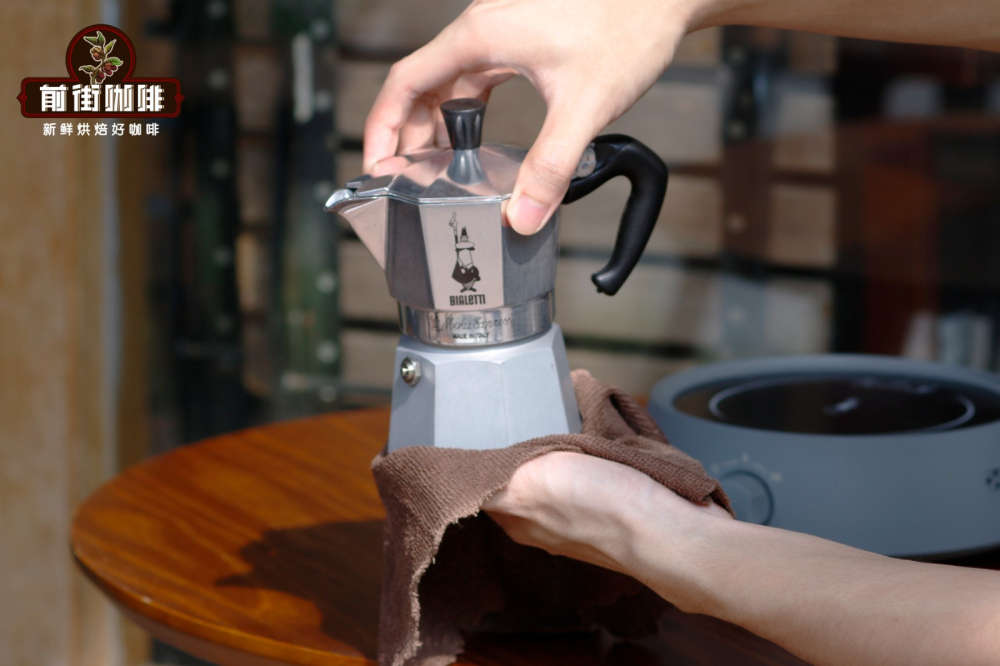
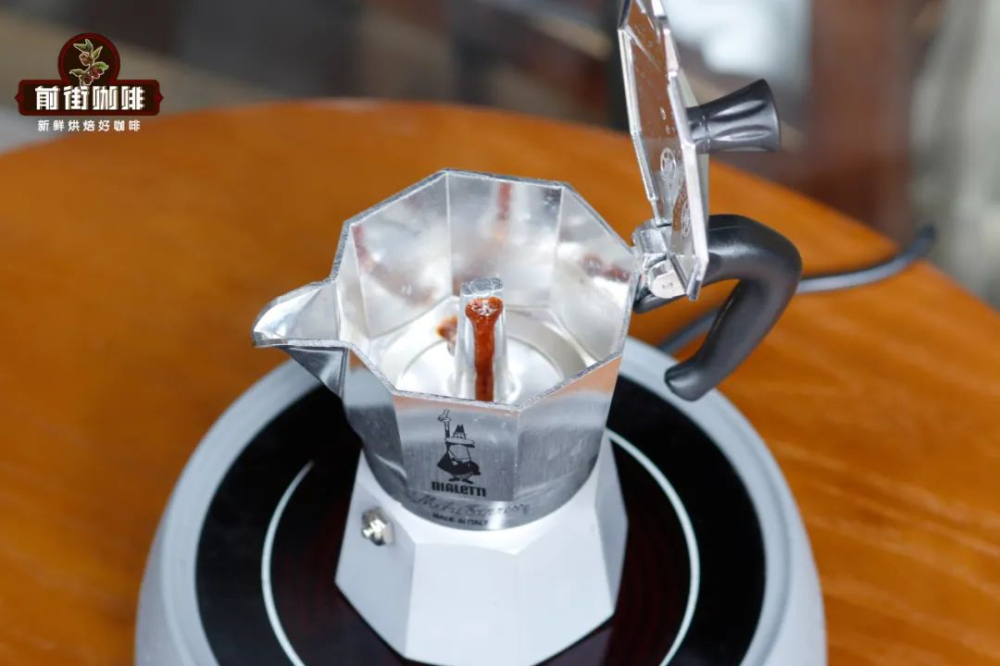
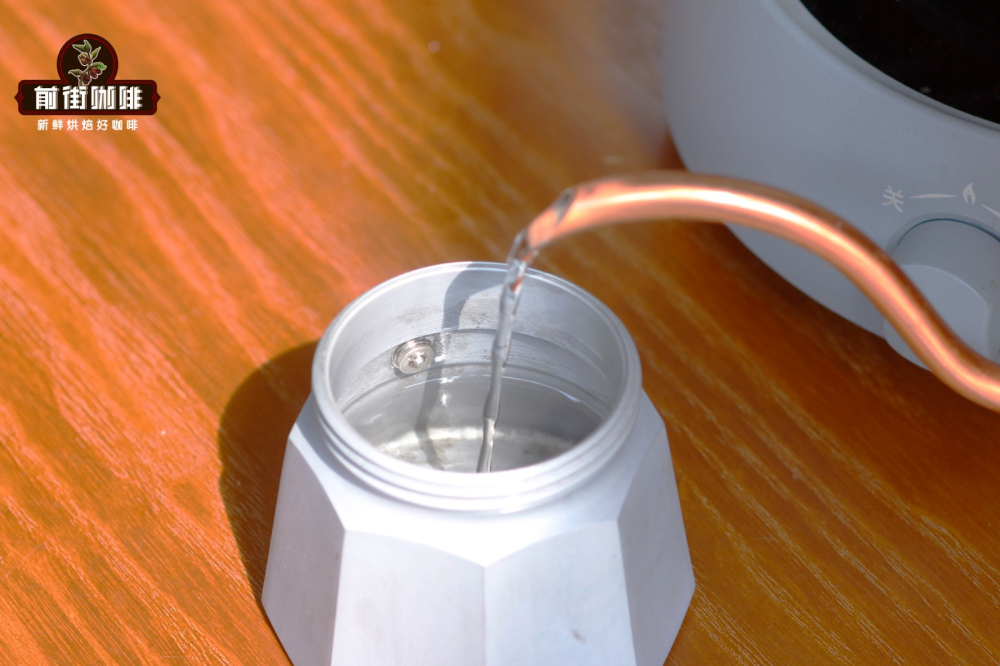
As for the coffee-to-water ratio, a common range is 1:2 to 1:2.5 (e.g., 20 grams of coffee grounds yield 40–50 ml of coffee). Beginners can start with a medium-fine grind and adjust based on crema thickness and flavor balance. For a new moka pot, it’s recommended to boil two rounds of plain water first to activate the internal structure before actual brewing.
The finished espresso can be enjoyed as is to savor its original flavors, mixed with steamed milk heated to 60–65°C for a latte, or combined with sweetened condensed milk and ice for a Vietnamese-style iced coffee. Remember, overly high milk temperature can ruin the layered aroma of the coffee—a common mistake.

The above content is compiled by CoffeeHunters, a coffee news website.


