







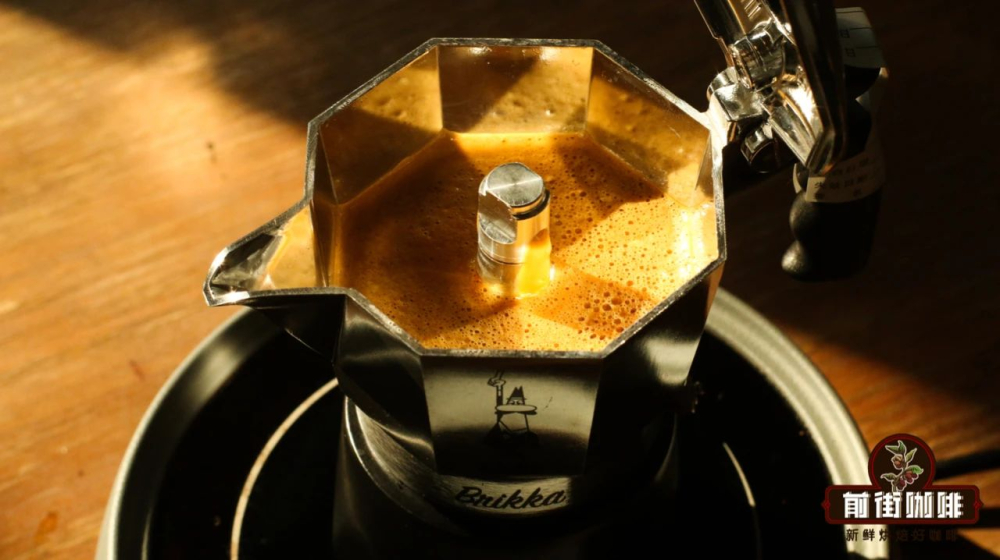
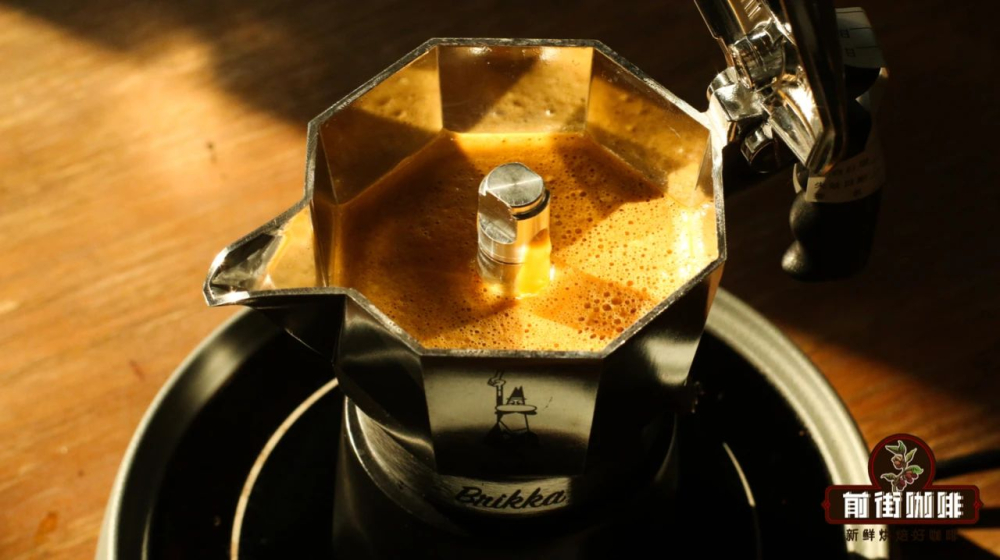
Introduction:The Moka pot is a common brewing device for many coffee enthusiasts to make espresso at home, but which coffee beans should you choose? How fine should the grind be? And what’s the ideal coffee-to-water ratio? This article delves into the key parameters of Moka pot extraction, analyzing how coffee beans with different roast levels and flavor profiles perform in the Moka pot, and provides tested extraction recommendations to help you brew smoother, more aromatic Moka pot coffee.
Many beginners often wonder: “Is this coffee bean suitable for the Moka pot?” or “Does a coffee with pronounced acidity taste good when brewed in a Moka pot?” Especially when they see flavor notes that include distinct fruit acids such as citrus or berries, they want to know if the Moka pot can bring out those characteristics well. To investigate further, we specifically selected three coffee beans with varying acidity profiles for testing: Ethiopia Yirgacheffe Guji Dingding, Costa Rica Mozart, and Papua New Guinea Bird of Paradise.
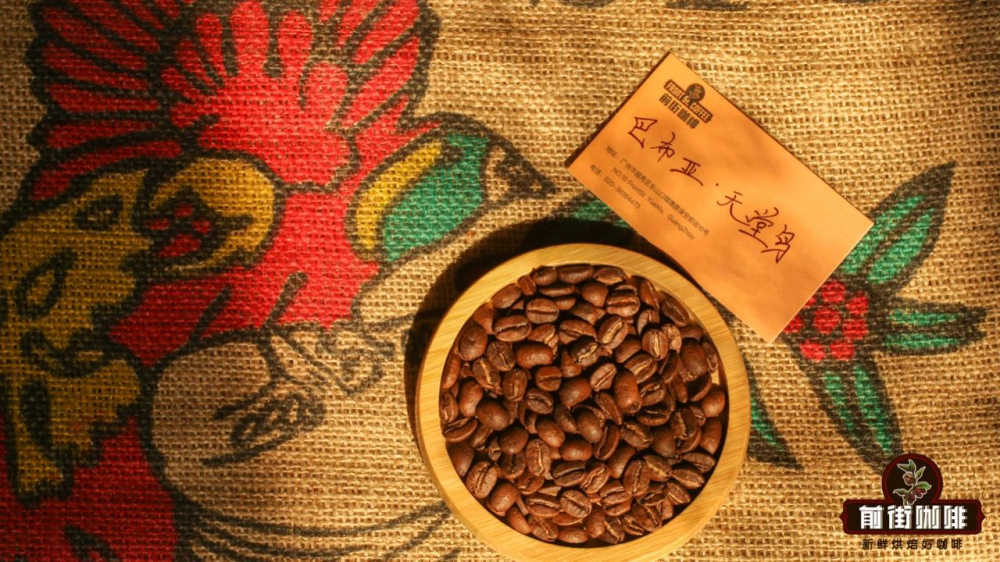
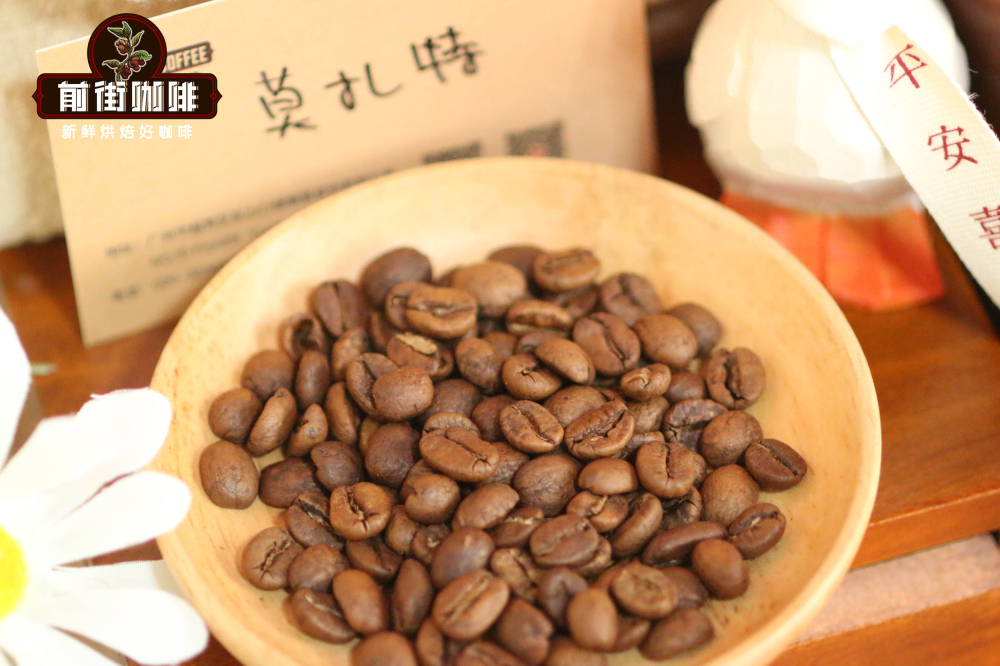
These three coffee beans show clear differences in acidity, and one of the key factors influencing acidity expression is the roast level. For clarity, we categorized them by roast degree into light roast, medium-light roast, and medium roast. Ethiopia Yirgacheffe Guji Dingding is a light roast, showcasing bright notes of citrus, floral aromas, and a green-tea-like vibrant acidity; Costa Rica Mozart is a medium-light roast, highlighting flavors of berries, grapes, and lightly fermented sweetness; Papua New Guinea Bird of Paradise is a medium roast, with more restrained acidity and warmer fruit notes such as caramel, cocoa, and apricot.
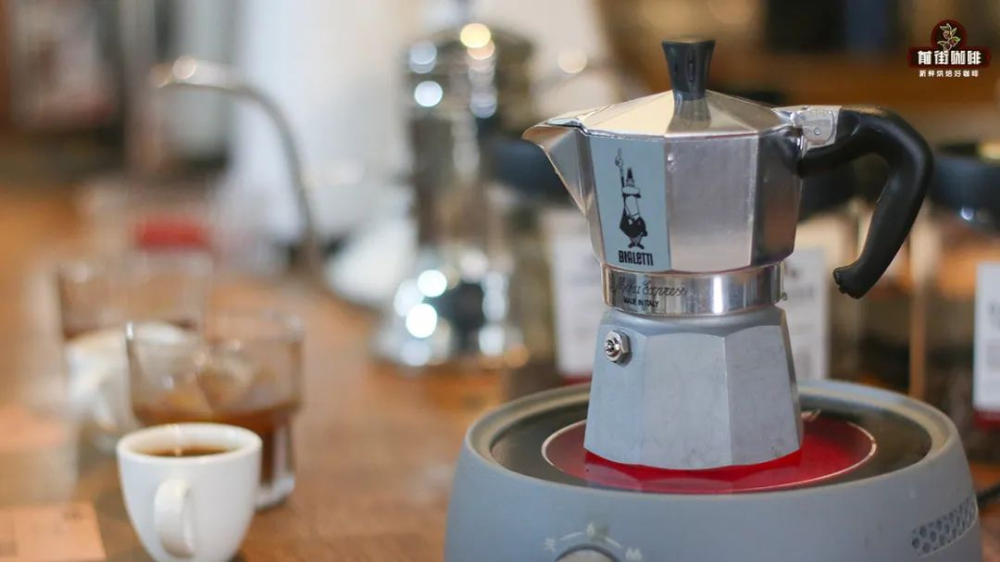
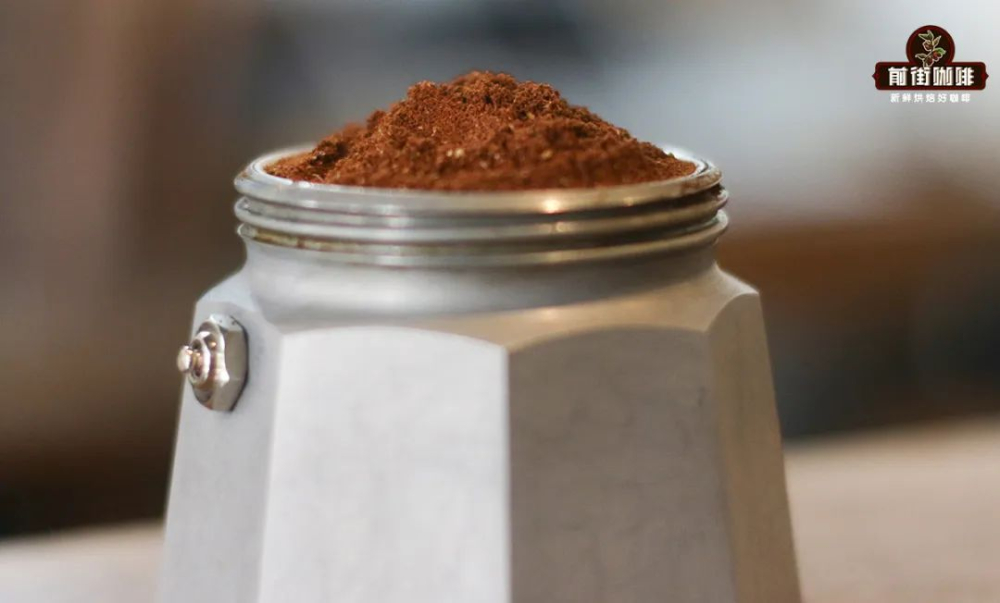
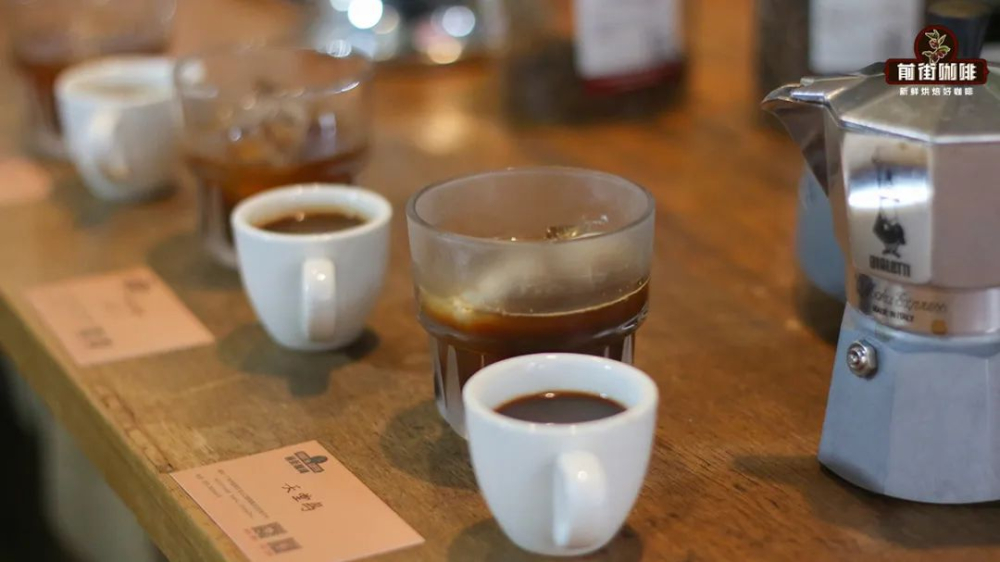
Before actual extraction, let’s first understand the basic parameter settings of the Moka pot. In this test, we used a classic Bialetti three-cup Moka pot, with approximately 150ml of water and 18g of coffee grounds. The grind size is recommended to be slightly coarser than what is typically used for espresso machines—around the 0.5 setting on an EK43 grinder, which is very fine but not yet powdery, resembling a delicate sandy texture. This grind size helps control extraction time and avoid over-extraction or too quick a brew.
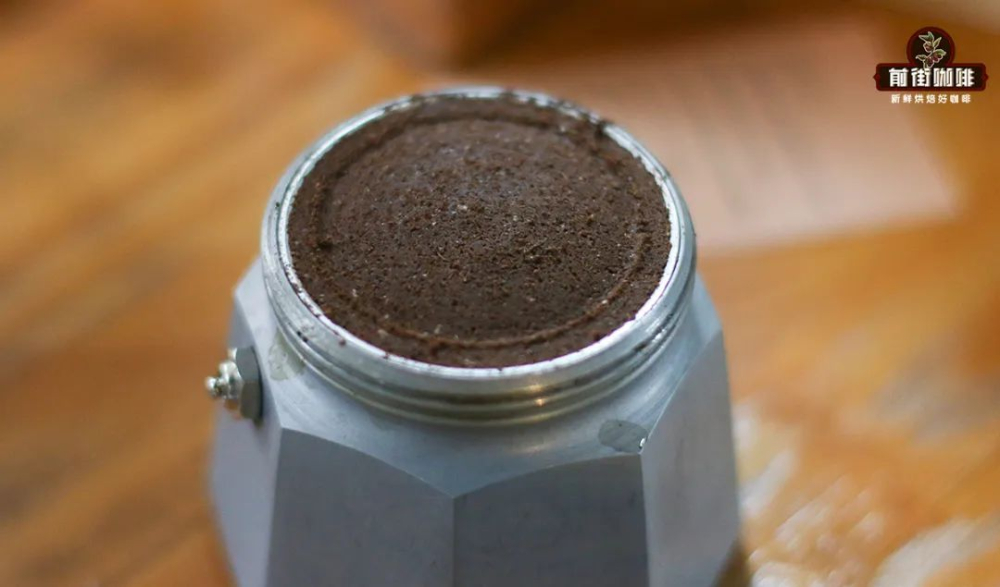
When filling the coffee grounds, it is recommended to pour them directly into the filter basket without using a tamper. Simply shape the coffee bed into a small mound and keep it loose and even, then press the upper chamber down vertically. This method helps form a stable yet not overly compact coffee puck, allowing hot water to pass through evenly and improving extraction efficiency.
After extraction, we divided the coffee into two parts: one part was tasted directly as the brewed coffee, and the other part was mixed with ice water to make an iced americano. Many Moka pot users treat the brewed coffee as ‘espresso’ and then dilute it with water or ice for daily drinking, so this kind of testing is more reference-worthy.
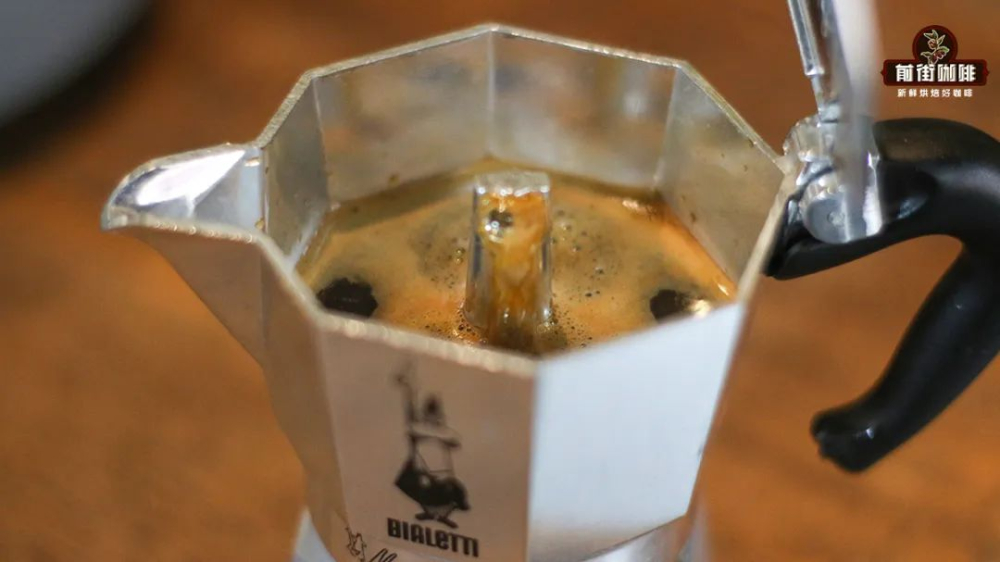
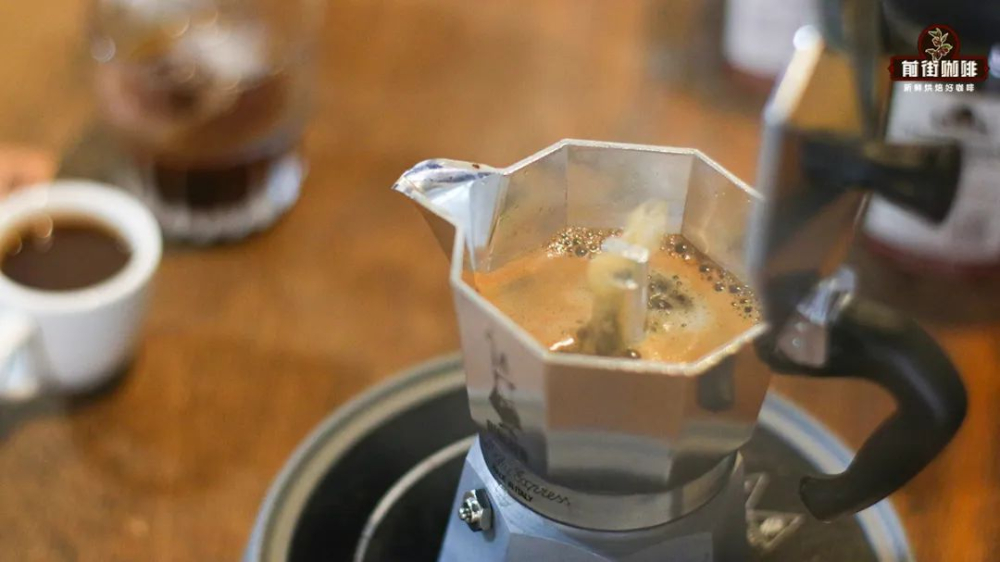
From actual observation, the three coffees performed differently in terms of crema. Although Yirgacheffe Guji Dingding is lightly roasted, it still produced some crema under the right Moka pot parameters, though it was relatively thin and began to dissipate after about 30 seconds.Mozart’s crema performance was slightly better, richer compared to Yirgacheffe, though still moderate.Bird of Paradise showed the most pronounced and long-lasting layer of crema, with its richness visibly noticeable.

In terms of taste, the straight brew of Yirgacheffe had quite sharp acidity with a slight astringency, making it rather intense and hard to drink in one go. When made into an iced americano, the acidity became even more prominent, almost like an acidic water, resulting in poor overall balance.
The straight brew of Mozart had a noticeable fermentation character, with acidity also on the sharper side but slightly softer than Yirgacheffe, and still not easy to drink directly. However, when diluted with ice or water, its berry acidity and lightly fermented wine-like notes emerged, with a chocolatey bitter-sweet finish, making the overall profile rounder.
Bird of Paradise was the most suitable for direct consumption among the three. Its fruit acidity was pronounced and full-bodied, transitioning mid-to-late into warm, smooth bitterness of chocolate and caramel. The overall experience was similar to a low-concentration espresso, balanced and smooth. Even as an iced americano, it retained vivid fruit acidity and caramel notes, with almost no bitterness, making it the most likable of the three.

Based on the comprehensive test results, we have summarized the following recommendations for readers who wish to brew delicious coffee with a Moka pot:
1. Avoid choosing light roast coffee beans with overly bright acidity profiles (such as lemon or citrus), as these beans tend to produce unpleasantly sharp acidity when brewed in a Moka pot.
2. Medium-light to medium roast coffee beans with sweet fruit characteristics (such as berries or caramel) are more suitable for Moka pot brewing. They not only yield better crema performance but can also achieve a more balanced taste when diluted.
3. If you prefer bold flavors, consider selecting coffee beans with strong expressive profiles like Mozart. The Moka pot can fully showcase their aroma and complexity, with a lower entry threshold in terms of taste.
By mastering the correct Moka pot coffee-to-water ratio, grind size, and coffee packing method, and by choosing the right type of coffee beans, you can also brew Moka pot coffee at home that rivals the quality of a café espresso.
The above content is compiled by CoffeeHunters, a coffee news website.


