







Introduction:Want to recreate that memorable iced Americano from your favorite café at home? This article dives deep into the origins of Americano coffee, explores the two mainstream methods (Americano vs. Long Black), and details the golden ratios for hot and iced Americanos, espresso extraction parameters, and even examines how scraping off the crema affects flavor. Whether you’re a coffee newbie or a precision-seeking enthusiast, you’ll master key techniques to brew a more satisfying cup of black coffee.
The prototype of Americano coffee (English: Americano, Italian: Caffè Americano) actually originated from American soldiers stationed in Southern Europe after World War II. The locally popular espresso was too strong for them, so they diluted it with hot water, giving rise to this now globally loved black coffee. Traditional preparation often used drip coffee machines, extracting for about four to five minutes, resulting in a relatively mild flavor that highlighted the essence of the coffee beans.
In modern cafés, Americano is typically made by combining espresso with plenty of hot water. Common preparation methods fall into two categories: pouring espresso into hot water, known as Americano; or adding hot water first and then the espresso, a method more common in places like Australia, usually called Long Black. Both use only espresso and water as ingredients, but the order of pouring subtly affects taste and temperature.
The evolution of Americano coffee is closely tied to Starbucks’ global expansion. In early American households, drip coffee machines were widely used, and these devices were thus nicknamed "Americano pots." As espresso culture spread, the modern Americano—diluting espresso with water—gradually became the norm. Notably, some argue that lightly extracted coffee made through long extractions using Italian machines may have higher caffeine content but is prone to over-extraction issues, pulling out unwanted flavors and excessive caffeine, a practice that remains debated to this day.

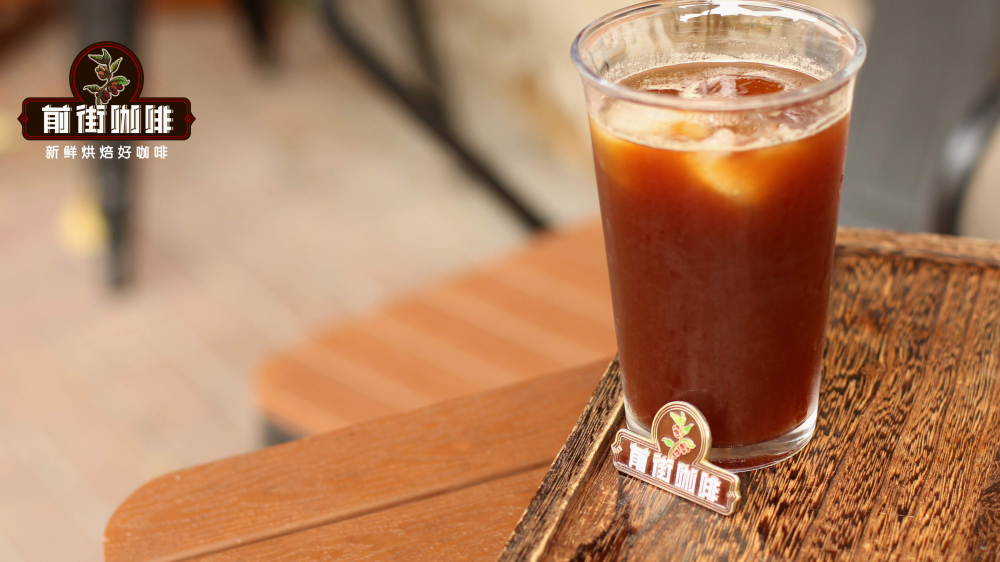
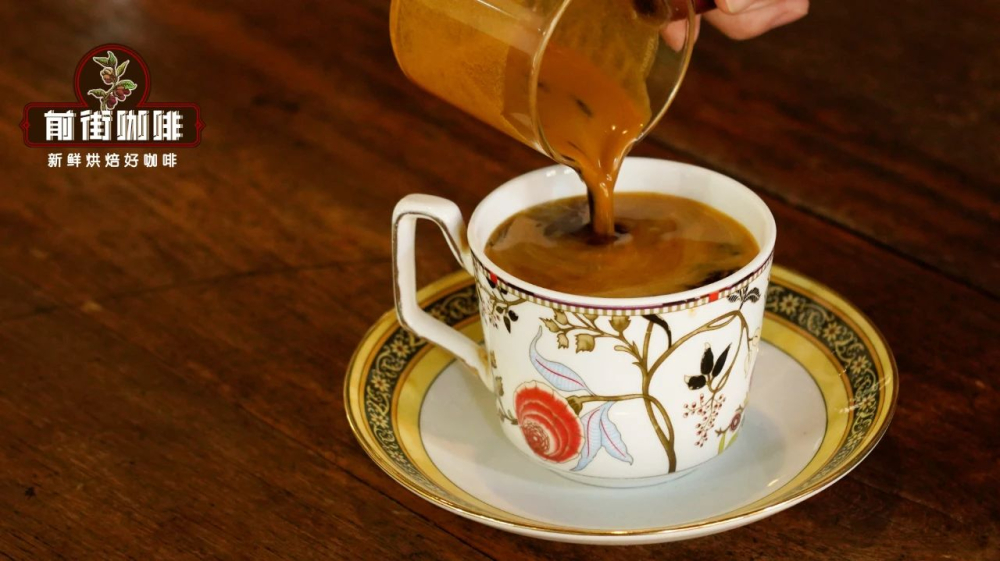
The key to making a basic Americano lies in controlling the ratio of espresso to water. For hot Americano, a common ratio ranges between 1:6 and 1:8. After repeated testing, the industry (Front Street Coffee) ultimately settled on the golden ratio of 1:6: mixing 40 grams of espresso liquid with 240 grams of hot water. It’s also recommended to preheat the cup with hot water to maintain optimal flavor. For iced Americano, the dilution effect of melting ice must be considered, so the ratio is adjusted to around 1:7—for example, using 40 grams of espresso liquid with 280 grams of an ice-water mixture (180 grams of ice and 100 grams of cold water), effectively balancing the chilled feel with rich flavor.
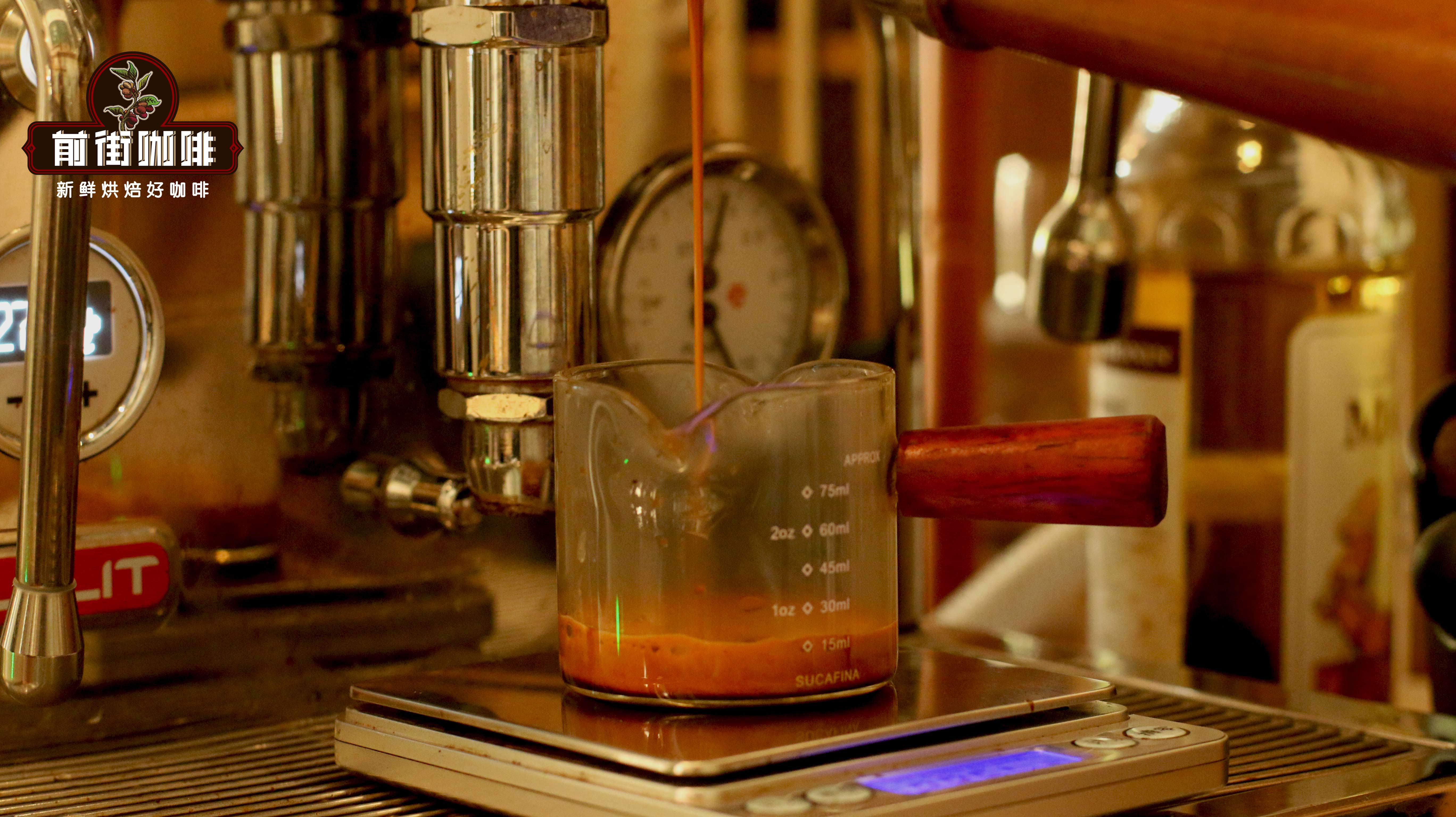
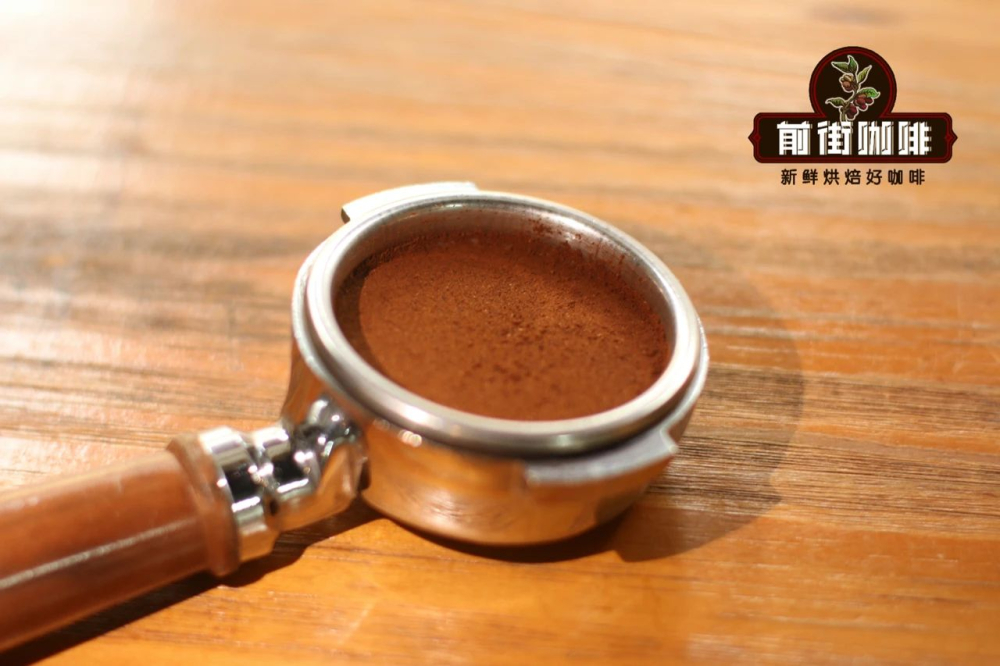
Espresso extraction parameters directly impact the final product. Take the Warm Sun blend (60% sherry cask-aged beans and 40% sun-dried Yirgacheffe) as an example: professional baristas fine-tune the extraction plan based on bean conditions—using 20 grams of coffee grounds to extract 40 grams of espresso liquid within 27 to 28 seconds. This parameter setup aims to enhance the aromatic layers unique to sherry cask aging while balancing the bright fruit acidity of sun-dried Yirgacheffe. In practice, it’s advised to flexibly adjust grind size and water temperature based on bean characteristics (e.g., roast level, processing method), which is also an important indicator many baristas use to evaluate a shop’s technical skill.
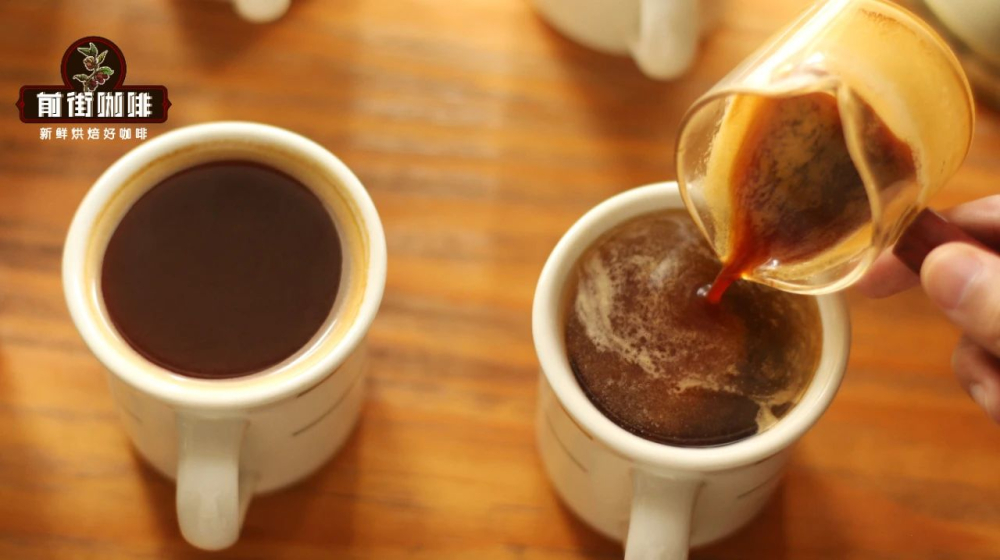
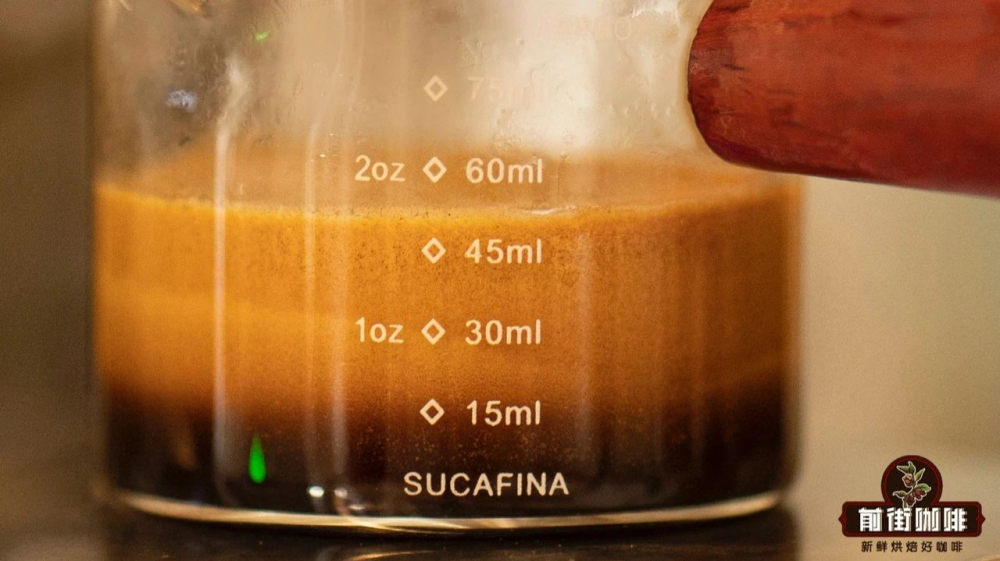
Another key detail of Americano coffee lies in the presence or absence of crema (coffee foam). This brownish foam floating on top of espresso is formed mainly by carbon dioxide released from coffee grounds under high pressure, combined with dissolved coffee oils. Interestingly, a comparative experiment in the industry showed: the control group of Americano with crema scraped off had a cleaner, smoother mouthfeel, with a clear flavor profile of dark chocolate and subtle whisky oak barrel notes; whereas the version with crema retained a richer, fuller texture. The actual tasting difference isn’t extreme, but if you prefer a clean and crisp flavor, scraping off the crema is the better choice; if you’re after the full flavor experience of espresso, keeping the crema adds more layered complexity.
For iced Americano, in addition to adjusting the ratio, attention should also be paid to ice cube strategy. Pouring espresso directly into a cup filled with ice cubes can negatively affect extraction flavor due to sudden cooling. It’s recommended to pre-chill the cup with ice cubes first, then sequentially add cold water and ice cubes (for example, 180 grams of ice with 100 grams of cold water), and finally pour in the espresso, allowing for more stable control over the final drink’s temperature and flavor balance. Moreover, because iced Americano is served colder, some delicate aroma molecules are less likely to be released, so you might consider extending the espresso’s resting (aging) period or choosing beans with more pronounced fruity notes to enhance the taste experience.
In summary, brewing an Americano that rivals café-quality requires balancing the base bean characteristics, optimizing extraction parameters, and attending to final presentation details (like crema management and ice configuration). Whether you choose the Americano or Long Black method, understanding the principles behind each step lets you replicate a professional-grade flavor experience in your own home.
The above content is compiled by CoffeeHunters, a coffee news website.


