







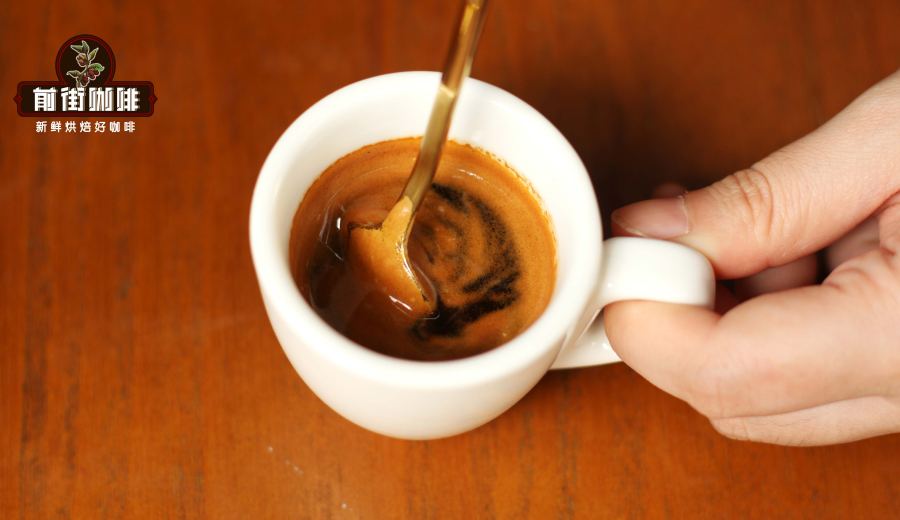
Introduction:For beginners new to espresso-based coffee, espresso is not just a small, bitter drink—it’s the foundation of many classic coffee beverages. This article not only teaches you how to properly taste espresso but also delves into its historical background and extraction principles. We also recommend several practical blends suitable for home brewing, helping you go from bean selection to brewing with ease.
"How do you drink an espresso?"
Many people, upon their first encounter with espresso, have heard of the “one sip” method—even thinking it’s a joke. But in fact, this is a classic way to experience the original flavors of espresso. First-timers might be overwhelmed by its intensity and bitterness, yet as you try it more, you’ll gradually discover its richly layered aromas and bold body—a unique charm that other brewing methods struggle to deliver.
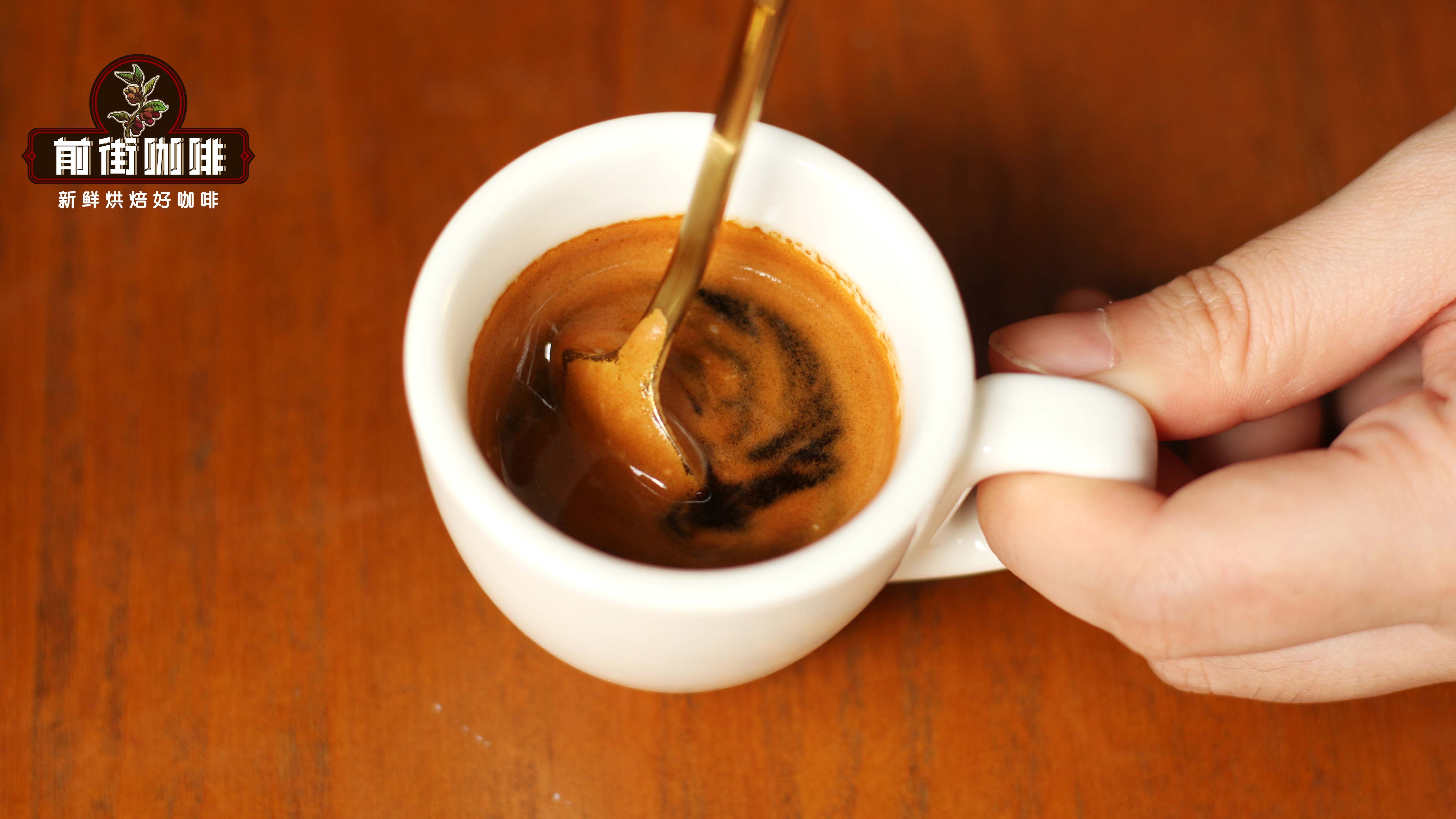
Many coffee enthusiasts say espresso has an addictive quality. When you’re feeling tired, a small cup can quickly refresh your mind. Its intense flavor and high caffeine content often make people take sip after sip in no time. This fast-acting boost is one of the reasons it’s a favorite among many office workers.
The so-called espresso, known in English as Espresso, originates from the Italian word “esprimere,” meaning “to press out.” Etymologically, it also carries connotations of speed and exclusivity. This perfectly reflects espresso’s two main characteristics: high-pressure, rapid extraction, and a personalized, concentrated coffee experience.
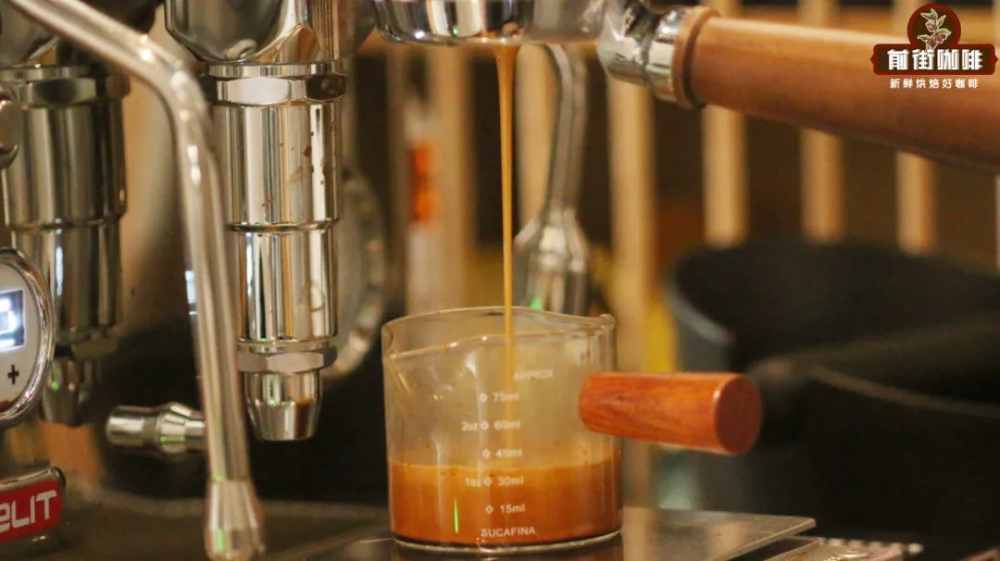
As early as 1884, Italy saw the emergence of the first espresso machine, primarily designed to allow workers to quickly get a stimulating drink and return to work. The earliest machines used steam pressure to force hot water through coffee grounds, extracting a concentrated coffee liquid. Though the technology was primitive at the time and the coffee beans were not as refined as today’s, this quick and strong beverage already showcased the prototype of Italian-style coffee.
Over time, by 1901, designers added a portafilter and basket to the original steam-driven machine, while adjusting grind size and pressure parameters. This allowed the coffee puck to be evenly compressed under high-pressure water flow, resulting in a smoother texture and more balanced flavor in the extracted coffee. This innovation laid the technical foundation of modern espresso.
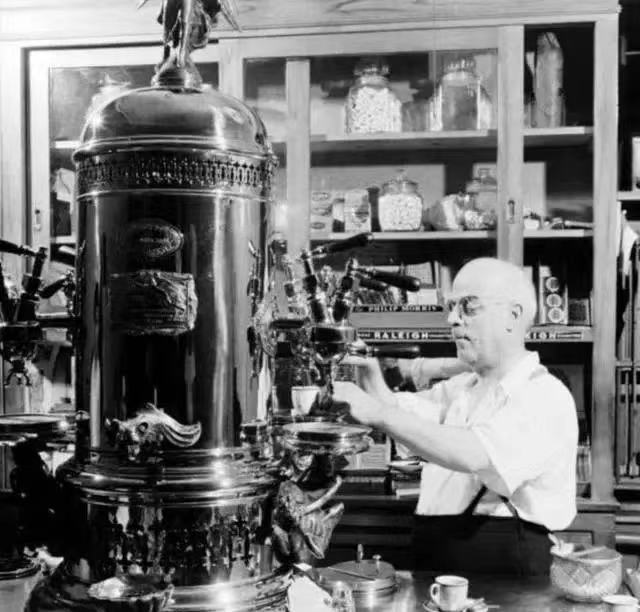
Yet even with technological improvements, espresso retained its intense and bold flavor. As a result, many Italians still prefer to stand at the bar, drink it quickly, and leave—giving rise to the unique “standing drink” culture. This way of drinking also highlights espresso’s concentrated essence.
In daily life, espresso is often not consumed on its own but serves as the base for other coffee drinks such as Americano, latte, and cappuccino. Therefore, if you’re brewing espresso at home using an espresso machine, it’s recommended to choose a blend with rich flavor layers and versatility to suit various needs and preferences.
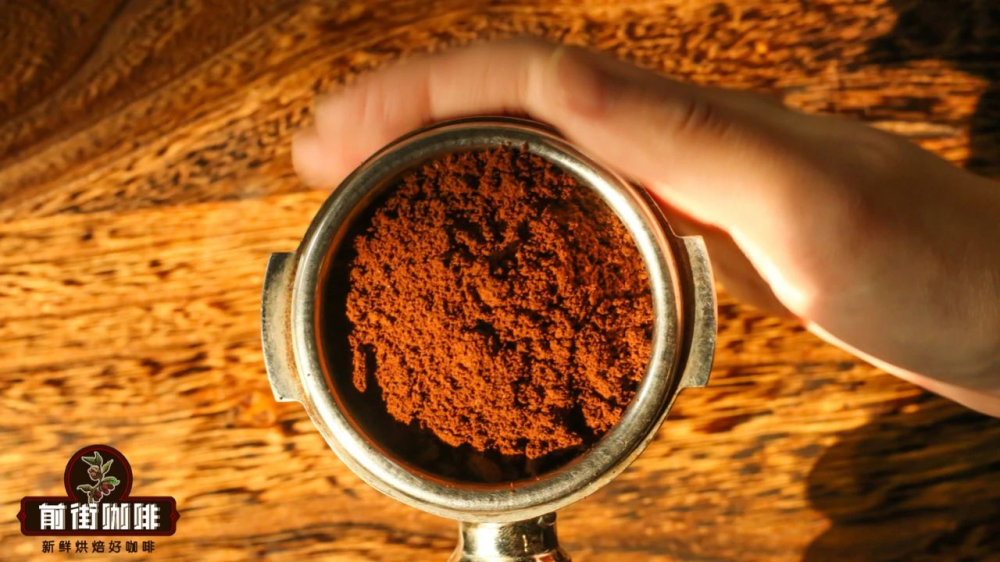
Below are several practical and flavorful home-use espresso blends that cater to different taste preferences and brewing purposes:
1. Mamba Base Espresso Blend: A blend of Indonesian Mandheling and Brazilian beans, with the addition of Robusta to enhance crema and body—especially suitable for latte art. It has a bold and stable flavor.
2. Brazil & Colombia Blend: Combining the strengths of two renowned producing regions, it offers notes of nuts, chocolate, and caramel. Ideal for those who prefer less acidity, recommended for Americano or latte.
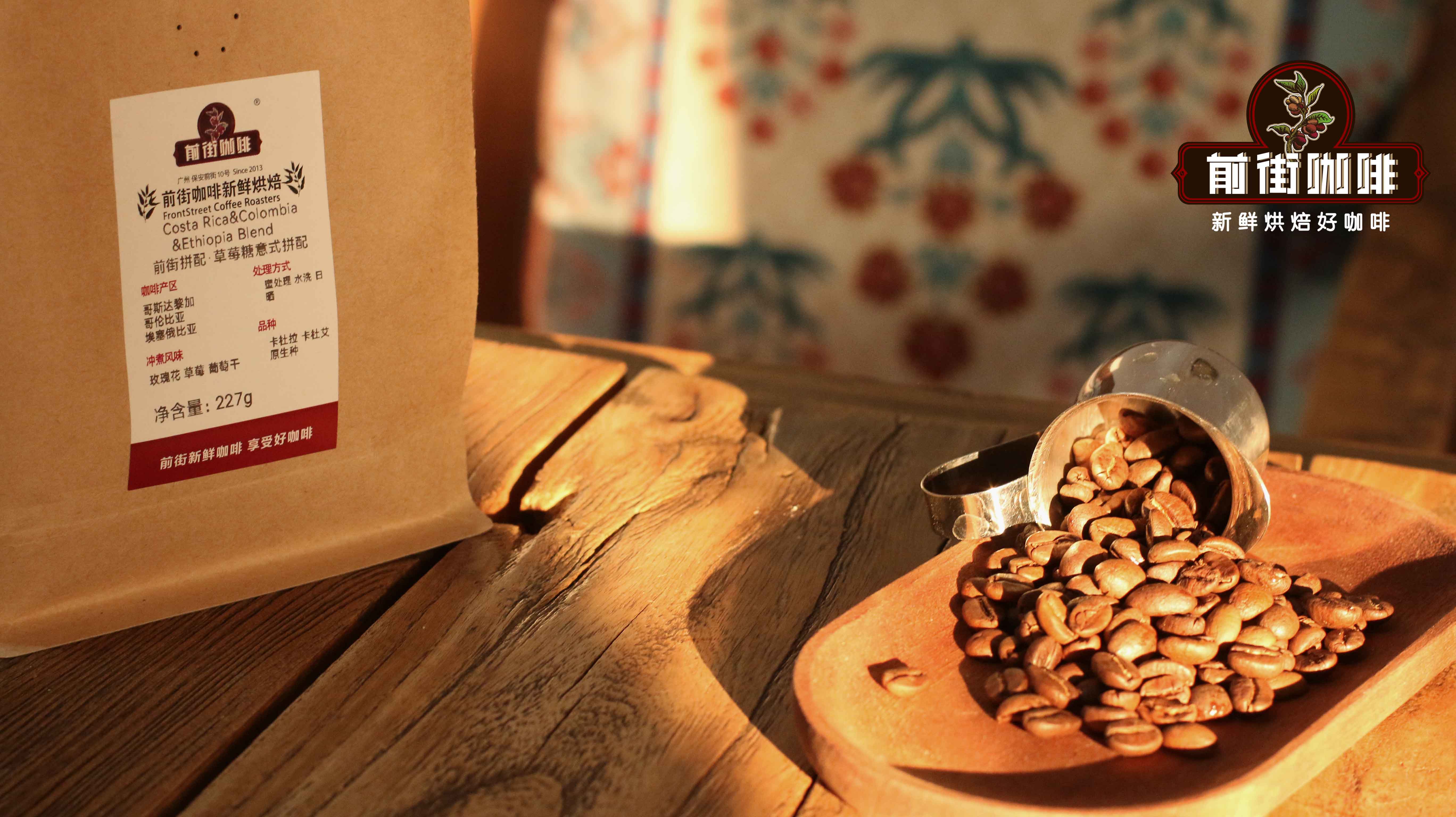
3. Fruity-Floral Espresso Beans: Mainly medium roasted, often featuring honey-processed beans such as those from Costa Rica and Ethiopia, blended with Colombian beans. The flavor profile is sweet and tangy like strawberry taffy, with a smooth mouthfeel—suitable for latte or Americano.
4. Commercial-Grade All-Purpose Blend: A mix of Brazilian, Colombian, and Vietnamese beans, roasted medium-dark. It has rich crema with intense aromas of toasted bread and dark cocoa. Great value for home daily use, suitable for making either Americano or latte.
The above content is compiled by CoffeeHunters, a coffee news website.


