








Introduction:In recent years, SOE lattes have become a hot topic among coffee enthusiasts. What exactly sets them apart from regular lattes? This article takes an in-depth look at the characteristics of SOE (Single Origin Espresso), compares it with blends, and helps you understand how SOE espresso performs when used in lattes or Americanos. We’ve also carefully selected three high-quality SOE coffee beans suited to different taste preferences, providing practical information on roast levels, flavor profiles, and brewing recommendations to help you find the right SOE bean for your palate.
When ordering at a café, you might come across drinks labeled “SOE Latte” or “SOE Americano.” These beverages are made using espresso extracted from Single Origin Espresso beans (abbreviated as SOE), with milk or hot water added according to preference. Compared to common blends, SOE emphasizes beans from a single origin or farm, showcasing more distinct regional flavor characteristics—making it a popular choice for both baristas and consumers exploring the essence of coffee.
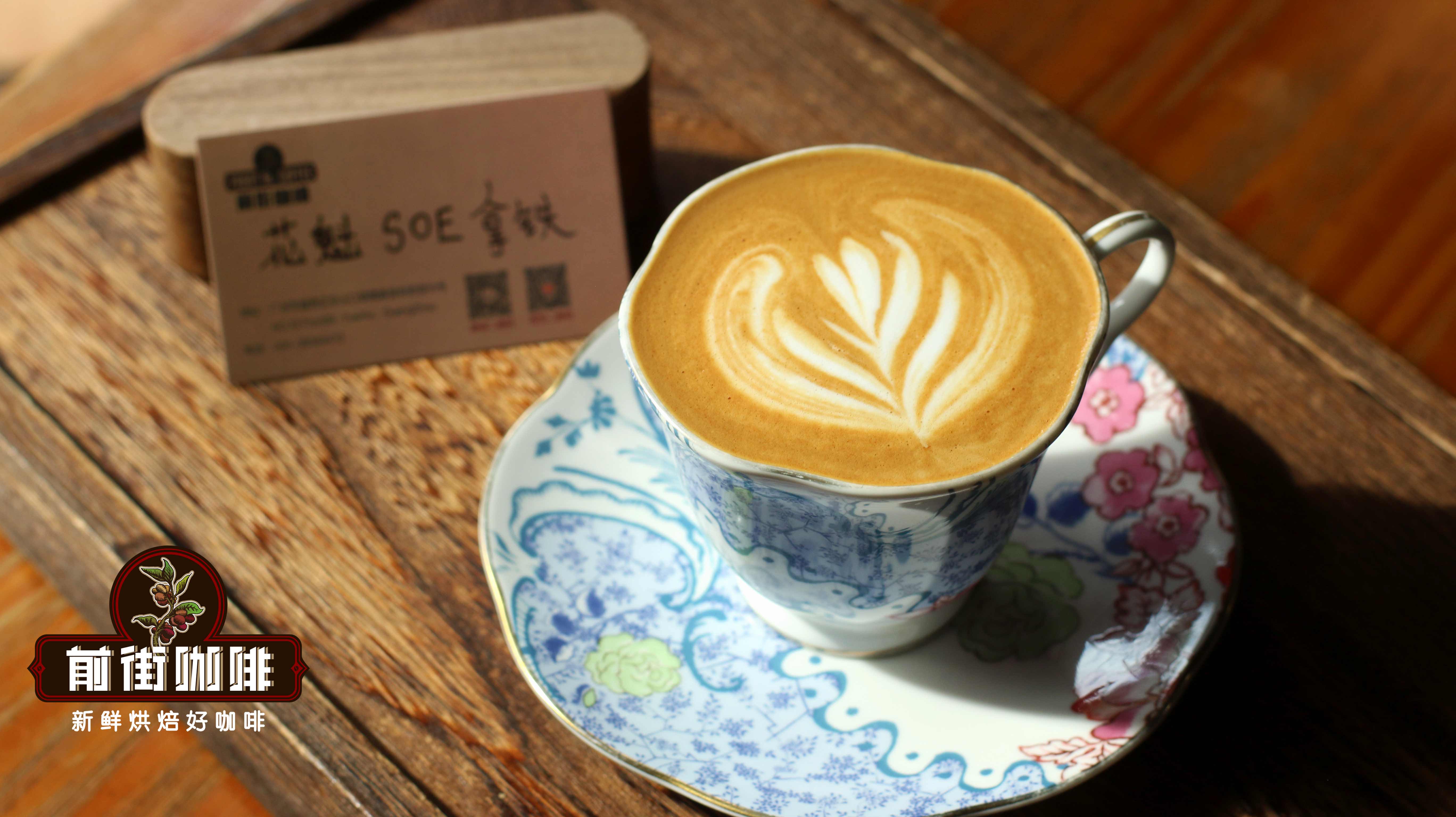
Traditional blends are typically made by mixing beans from different origins, with the goal of complementing each other’s traits to achieve balanced flavors. For example, combining beans with bright acidity and those with prominent bitterness can create an espresso with layered complexity and a smooth mouthfeel, along with a rich Crema (coffee foam). Classic blends commonly found on the market, such as those blending Brazilian and Central/South American beans, often deliver a mellow and well-balanced profile, making them ideal for everyday drinking.
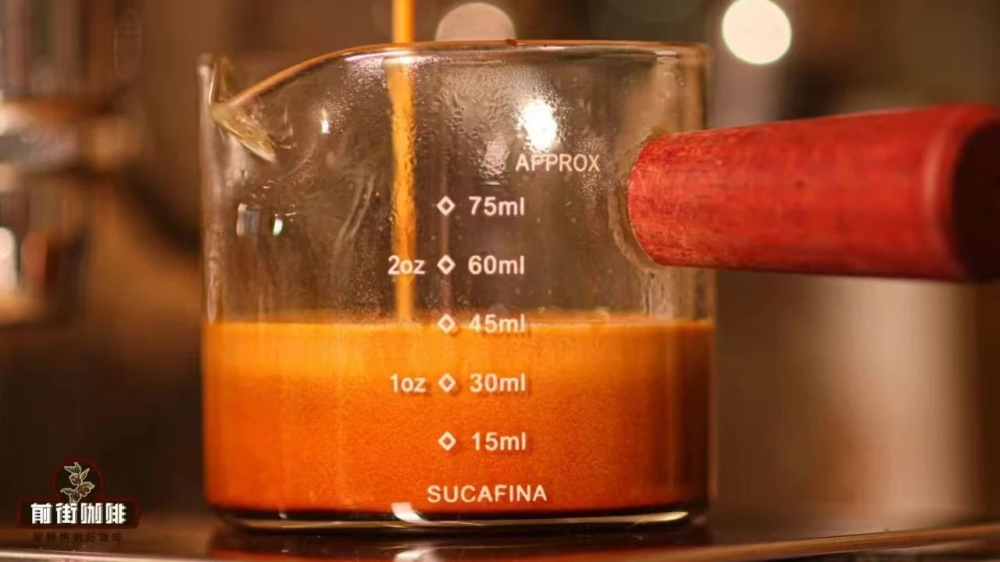
In contrast, SOE espresso focuses on highlighting the inherent characteristics of a single-origin coffee bean. If the beans naturally possess pronounced acidity, this fruity brightness will be even more prominent after SOE processing. Similarly, if the beans lean toward a rich, bitter profile, the flavors will be more concentrated. Especially when using lightly roasted SOE beans, one can often experience bright fruit acids, floral notes, or honey-like sweetness. However, improper roasting or extraction may also result in overly sharp acidity or a lack of aroma—reasons why many beginners find SOE more challenging to master.
However, SOE isn’t as unapproachable as it may seem. It is still made using the traditional method of extracting espresso under high pressure with an espresso machine—the only difference being that blends are replaced with single-origin beans. As long as you choose the right SOE beans and master basic extraction parameters, you can fully unlock their unique flavor potential and craft a latte or Americano experience that stands out.
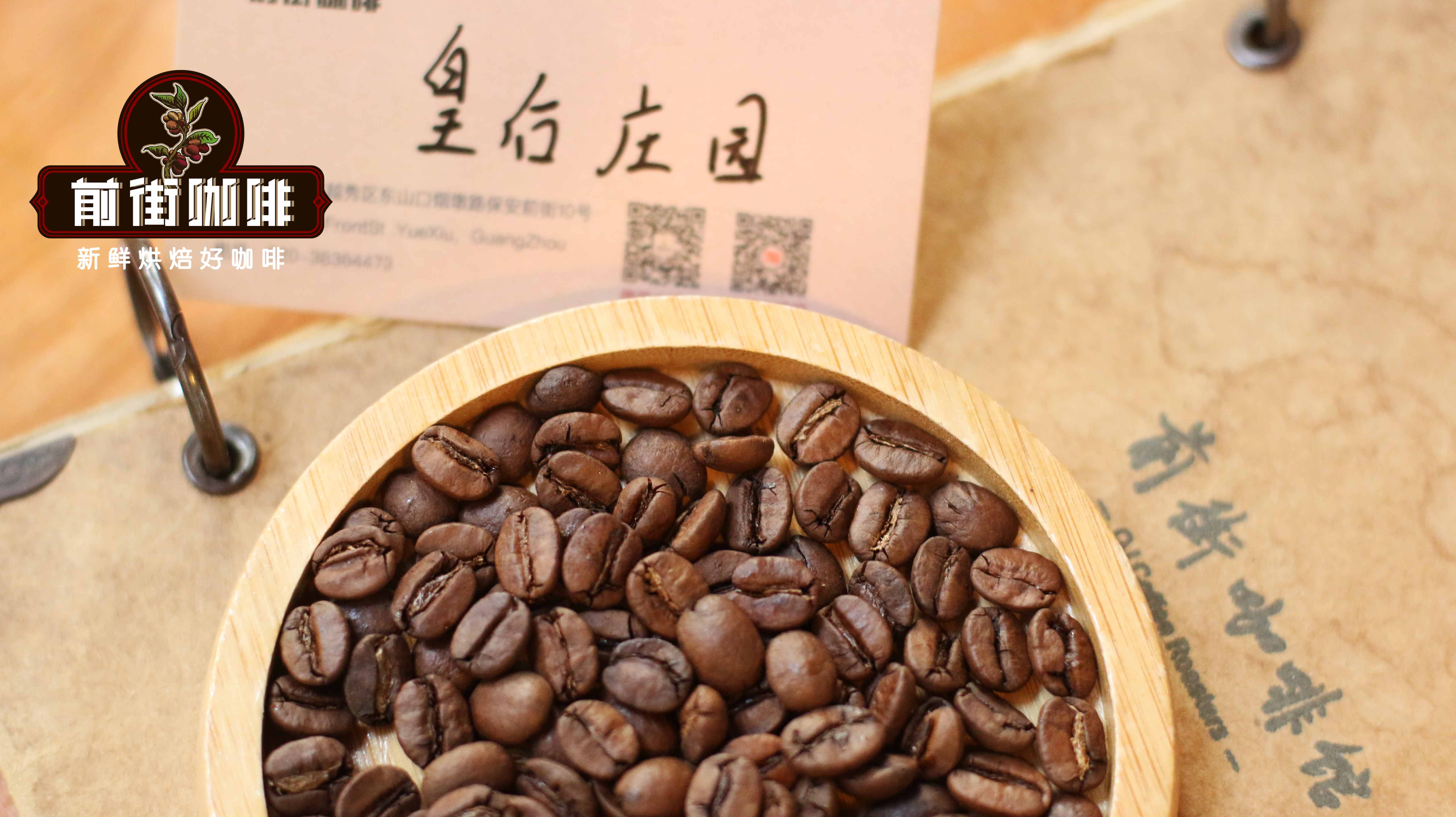
Our first recommendation is a medium-dark roasted SOE coffee bean from Brazil. This bean typically offers creamy, peanut, nutty, and cookie-like aromatic notes, paired with a moderate sugarcane sweetness. The overall mouthfeel is round and low in acidity, making it highly suitable for making SOE Americanos or SOE lattes with milk. It’s also great for home users who prefer using a moka pot, as it easily delivers stable and rich flavor performance. With a moderate roast level, we recommend a brew ratio of around 1:2 to 1:2.5 and a water temperature between 90–93°C.
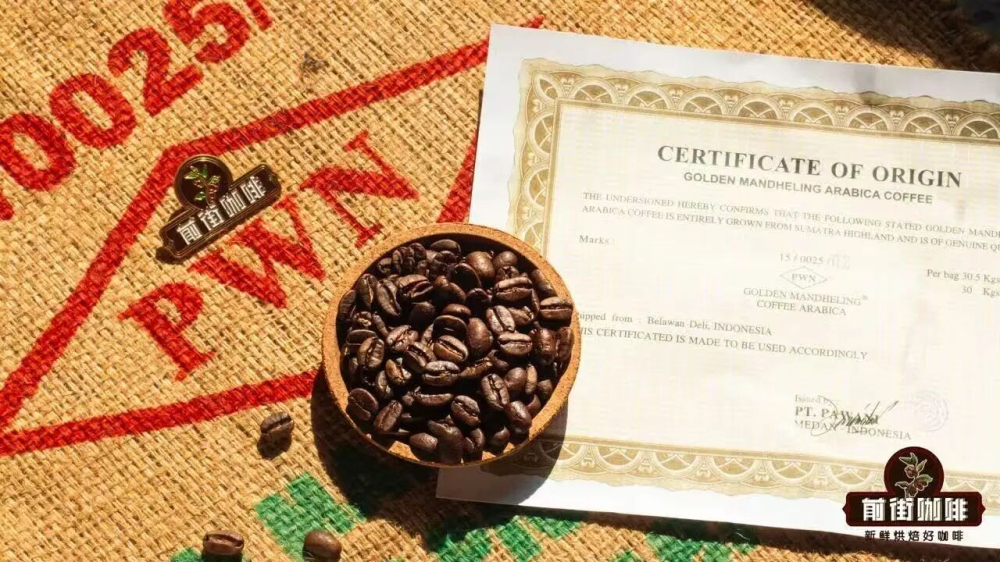
Another noteworthy option is the Golden Mandheling SOE from Sumatra, a classic bean variety from Indonesia known for its bold and rich character. When brewed, it often presents complex flavors such as dark chocolate, maple syrup, spices, nuts, and pine. The mouthfeel is dense and slightly viscous, making it an excellent choice for those who prefer low-acidity coffee. Whether used for SOE lattes or SOE Americanos, it delivers stable and layered coffee experiences, suitable for daily drinking or office brewing.
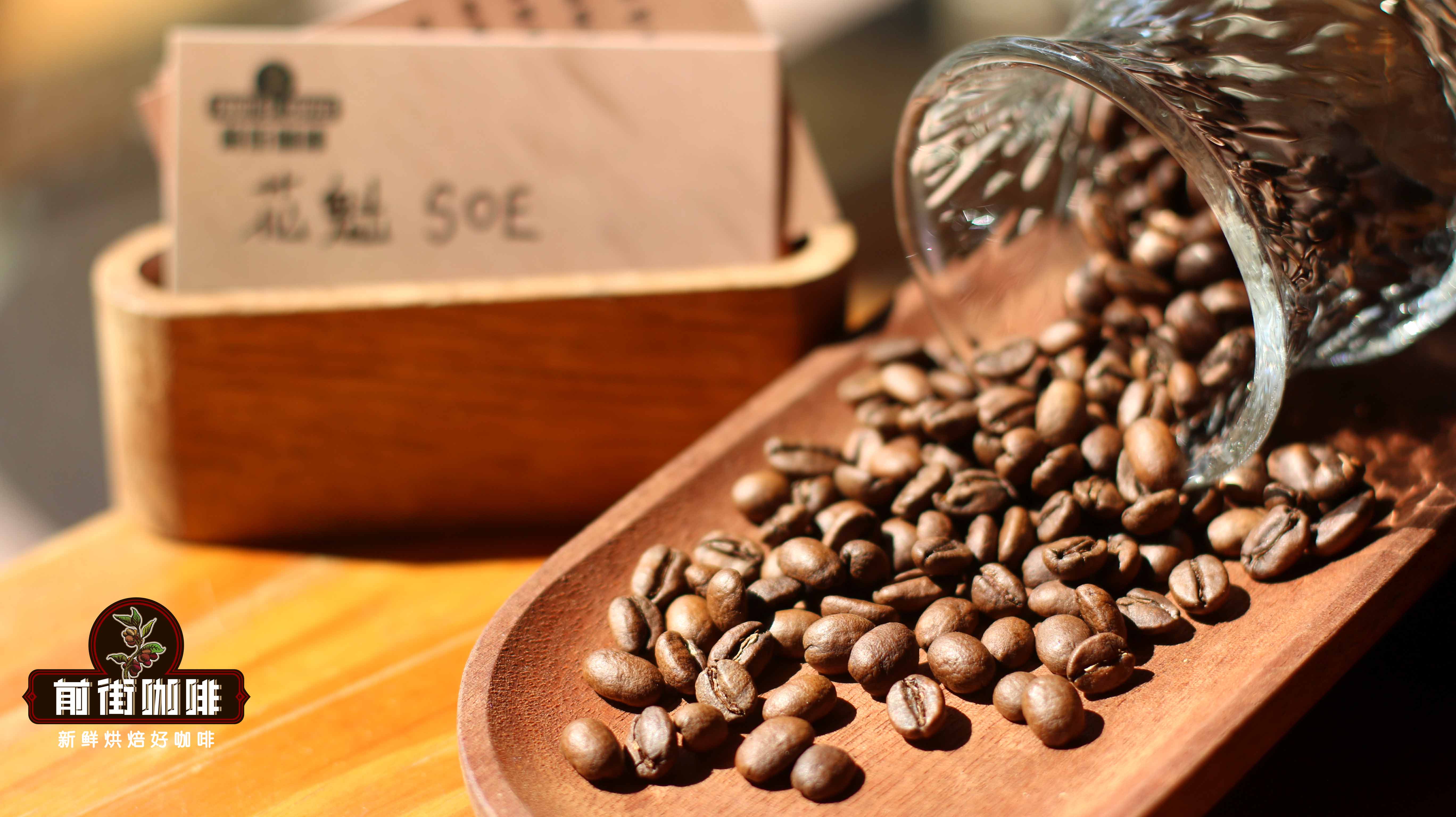
Finally, we recommend a Huakui SOE from Ethiopia in Africa. This bean showcases the floral and fruity qualities commonly associated with African beans, but rather than the subtle expression seen in pour-over brews, it presents a more pronounced profile of orange blossom, berries, and citrus tones. With balanced acidity and sweetness, and a refreshing mouthfeel, it’s particularly suitable for those who are sensitive to bitterness or new to SOE. It’s recommended for use in small-sized SOE Americanos or SOE Flat Whites, where its delicate fruity and acidic notes can be fully appreciated. Pay attention to controlling the extraction time during brewing, aiming for around 25–30 seconds to achieve optimal flavor balance.
The above content is compiled by CoffeeHunters, a coffee news website.


