







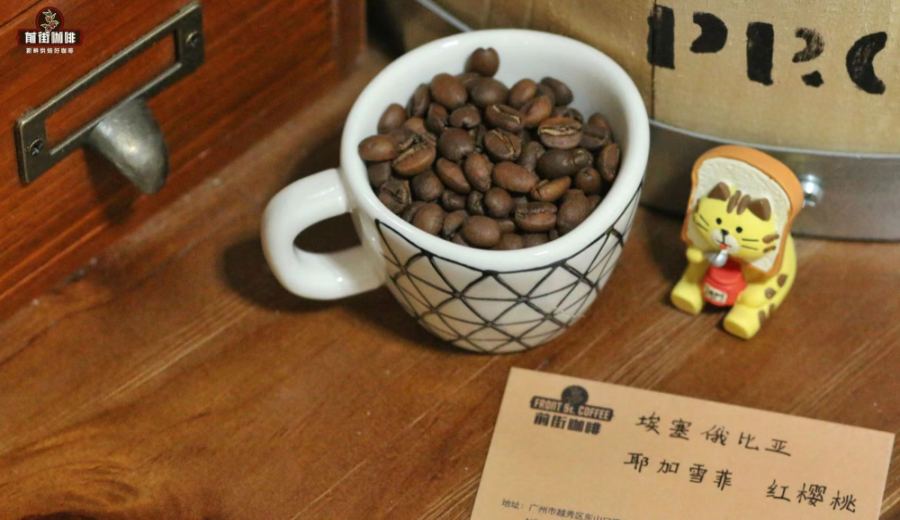
Introduction:In recent years, the "choose your own SOE" option commonly seen in coffee shops has piqued the curiosity of many customers about its true meaning. This article delves into the differences between SOE (Single Origin Espresso) and traditional blended beans—from flavor characteristics, roast levels, to practical usage scenarios—to give you a comprehensive understanding of this specialty coffee trend. We’ve also selected four SOE coffees with distinctive flavors and great value, along with practical advice on brewing and pairing.
What is SOE? A New Choice in the Specialty Coffee Wave
SOE (Single Origin Espresso) refers to espresso made using beans from a single origin. With the rise of the third wave coffee movement, consumers are no longer satisfied with commercial beans whose origins are untraceable, and instead seek specialty coffees that showcase the unique terroir of specific regions. Unlike traditional espresso blends that combine beans from multiple countries, SOE emphasizes the unique flavor profile of a single origin, often featuring brighter acidity or distinct fruity notes.
Key Differences Between SOE and Blended Beans
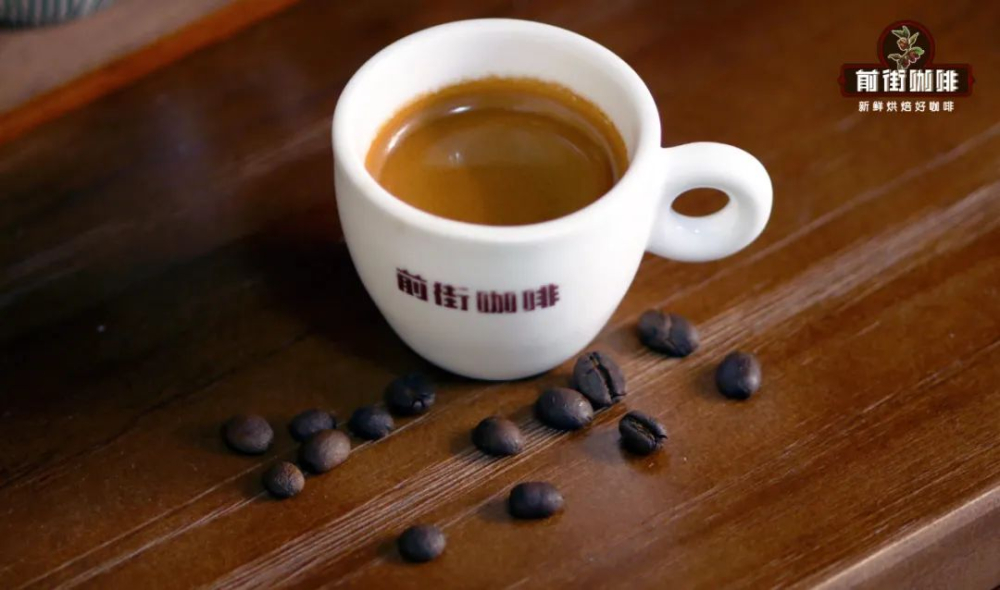
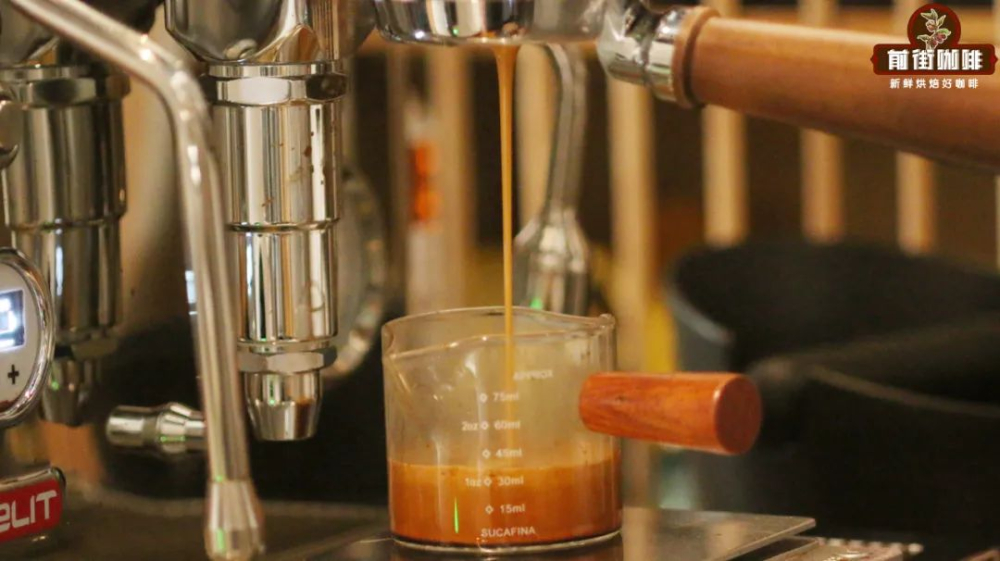
Observing roast levels reveals clear distinctions: SOEs mostly use medium-light roasts (around #4–#5), preserving more of the bean’s innate flavors, while blended beans generally employ medium-dark roasts (#6–#7), achieving balanced taste through caramelization. Practical test data shows that the optimal extraction pressure for Yirgacheffe SOE is 9±0.2 bar, and a 1:2 brew ratio brings out the best berry tones. Blended beans, due to their mix of beans from different regions, can consistently deliver a rich body and intense crema.
Why Do Most Cafes Still Favor Blends?
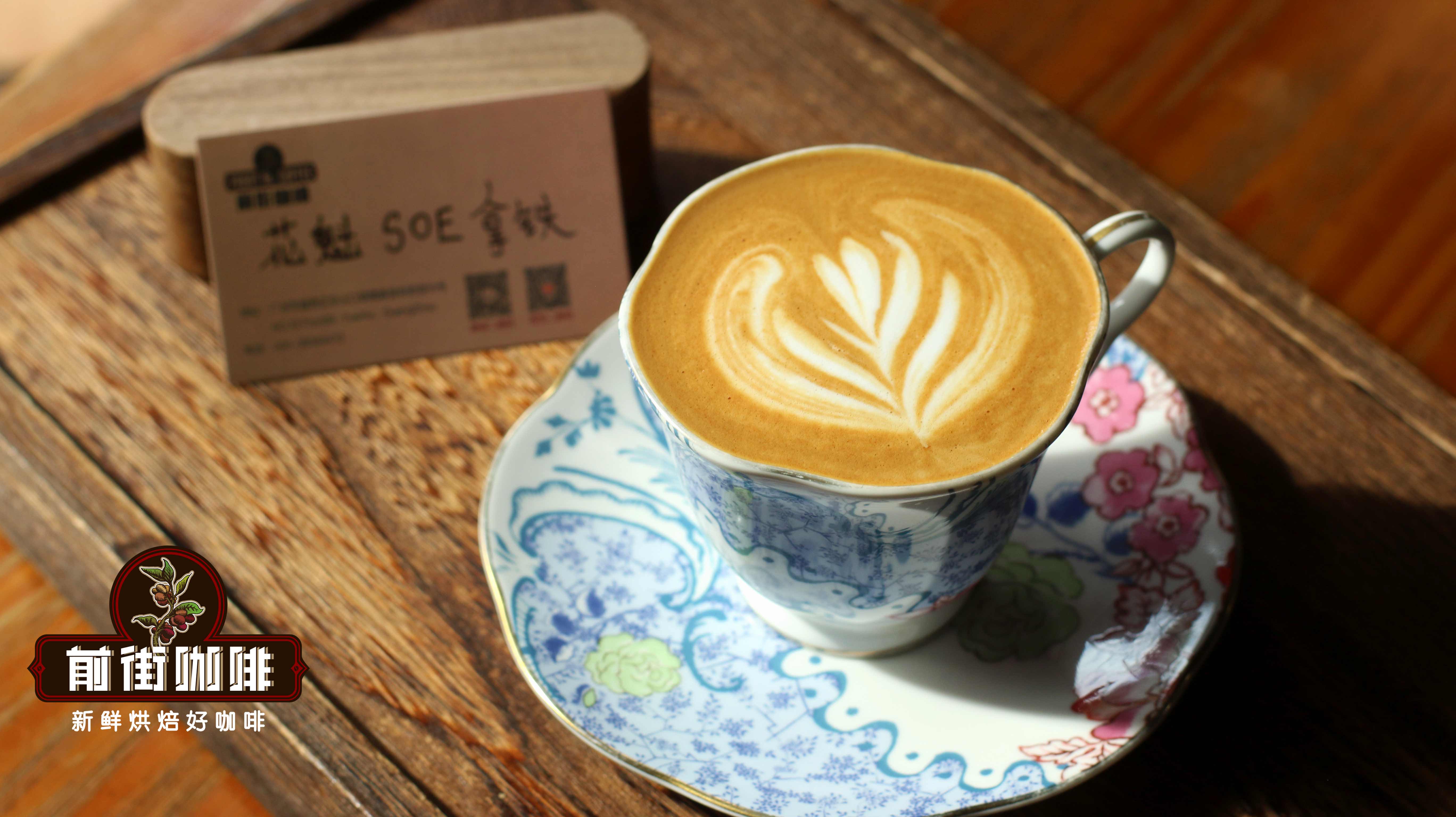
From an operational perspective, blended beans offer three key advantages: first, they balance the impact of defective beans from various regions through blending; second, their medium-dark roast nature allows for higher machine tolerance; most importantly, they ensure consistent flavor in daily output. Professional baristas recommend that if you’re seeking the stable performance similar to a Starbucks latte, you might opt for classic blends containing Brazilian or Indonesian beans—these typically maintain crema for over 28 seconds.
Suitable Roast Levels and Processing Methods for SOE
An ideal SOE must meet three criteria: traceable single origin, medium or lighter roast, and pronounced regional character. Common successful examples include: Ethiopian natural beans (showcasing blueberry-like acidity), Costa Rican honey-processed beans (with honey sweetness), and Kenyan AA (exhibiting tomato-like acidity). Special notes:Light-roast SOEs require a grind size about 10–15% finer than blended beans.It’s recommended to test grind size using a Feima 900N, with a grind setting between #20 and #22 being optimal.
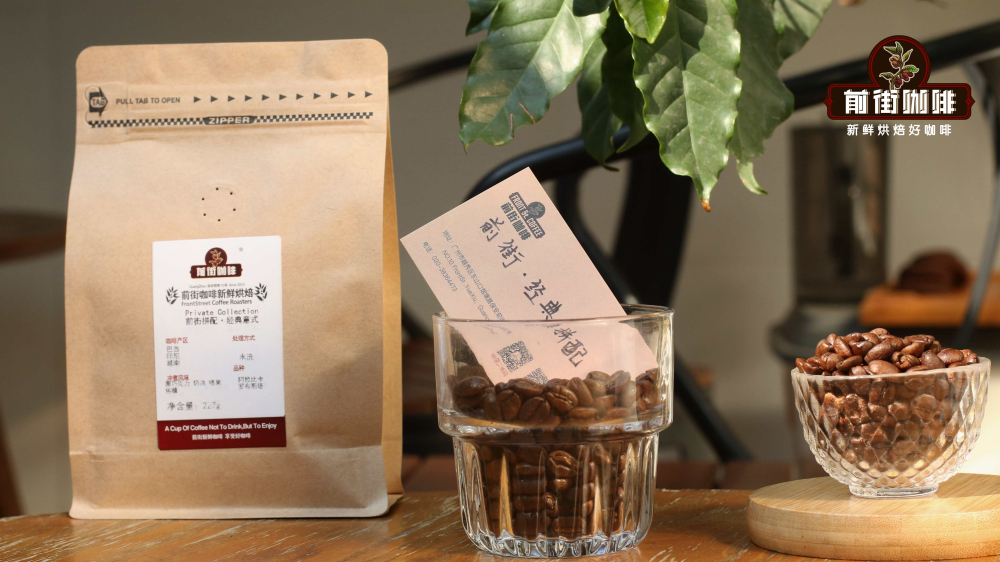
Practical Recommendation ①: Yirgacheffe Natural Red Cherry
This high-altitude Ethiopian bean (grown at 1900–2100m) is processed using the traditional natural method.Flavor profile: prominent berry-like sweet-tartness → mid-palate jasmine floral notes → a caramelized sweet finish.Suggested extraction parameters: 92–93°C water temperature, 18–20g dose, 28–32s extraction time.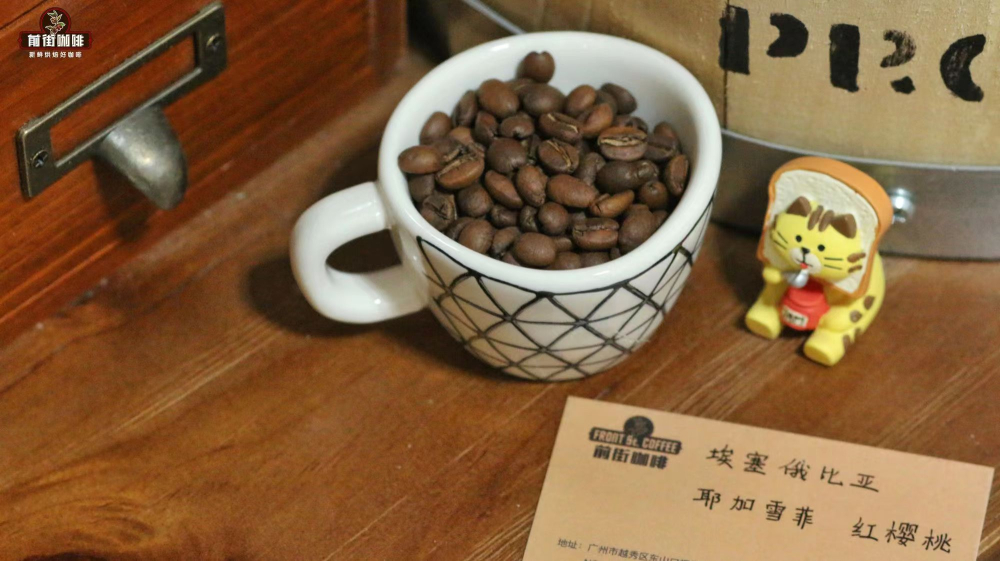 Especially well-suited for making black tea lattes; when steamed milk is added, the berry aroma transforms into a honey-like sweetness, and the cream layer can hold for up to 3 minutes without collapsing.
Practical Recommendation ②: Natural Hua Kui SOE
Sourced from China’s Yunnan region at an altitude of 1850m, this premium bean varietyis best known for its perfect balance of creamy texture and strawberry aroma.A medium-light roast (#4) highlights a refreshing citrus note; it’s recommended to increase the brew ratio to 1:2.5 during extraction to emphasize the floral character.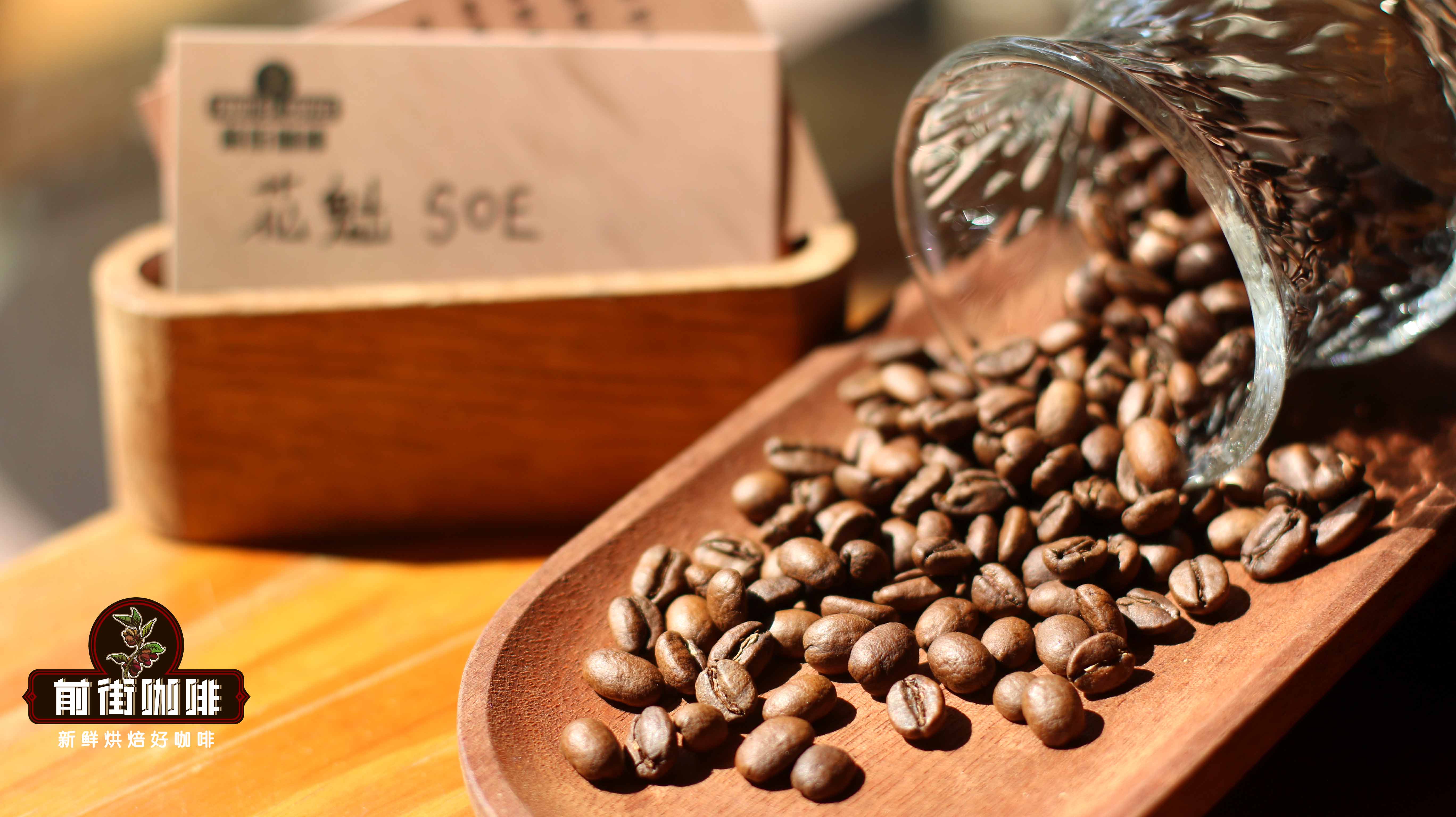 As a base for flat whites, combining it with 60% steamed milk retains the full spectrum of red berry layers, making it ideal for consumers who prefer a clean, bright taste.
Practical Recommendation ③: Costa Rica Mozart
Made using a special anaerobic honey process,the fermentation process preserves the full mucilage layer, resulting in extremely high sweetness and tropical fruit notes.The optimal extraction temperature is 91°C; going higher amplifies the fermented flavors.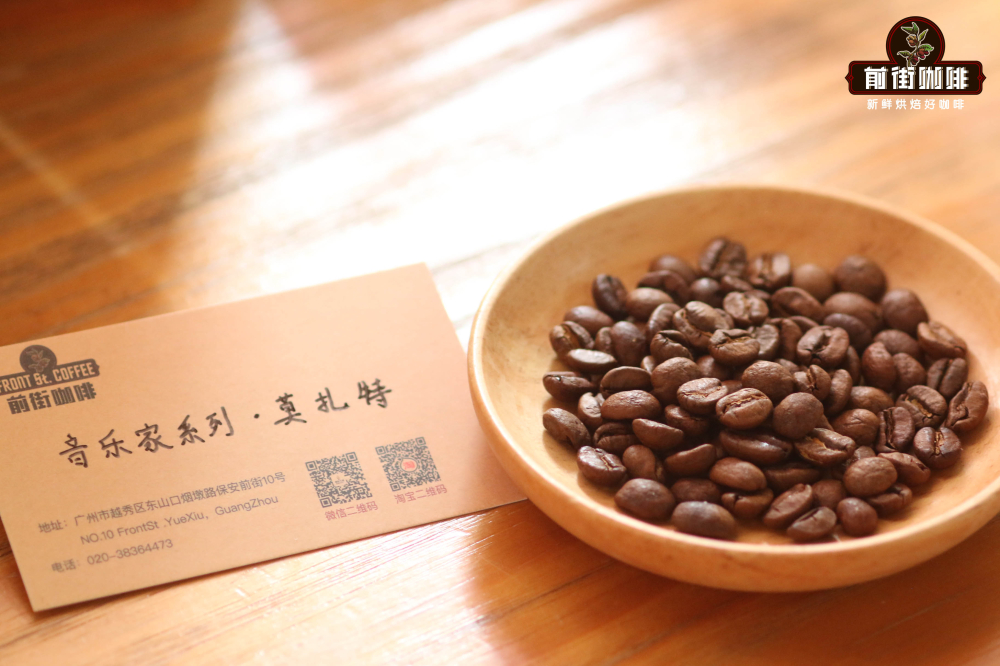 Recommended for cold brew SOE: using a 1:8 ratio and refrigerating for 14 hours will release distinct raisin and pineapple notes, with an acidity-to-bitterness ratio reaching the ideal 1:3.
Practical Recommendation ④: Brazilian Queen Estate
This medium-dark roast SOE (#6) from the coffee kingdomis known for its nutty-creamy base paired with a chocolatey finish.Its uniqueness lies in remaining smooth even when brewed as a black coffee, with an overall body score of 4.5/5.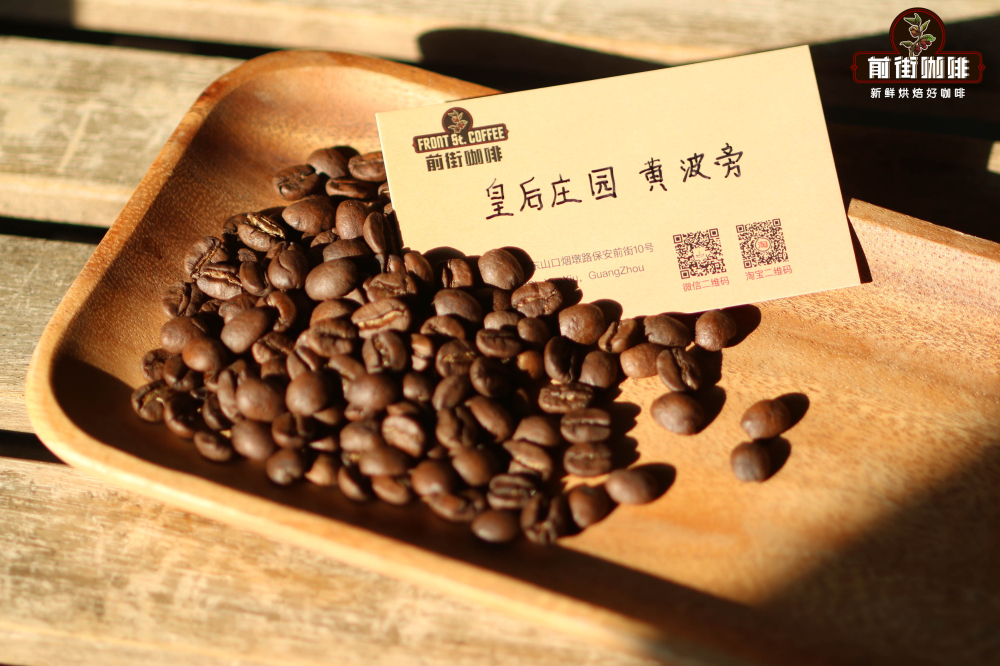 When using a French press, it’s recommended to extend the extraction to 4 minutes to fully release peanut and toasted bread aromas—it’s an excellent choice to pair with desserts.
The above content is compiled by CoffeeHunters, a coffee news website.


