







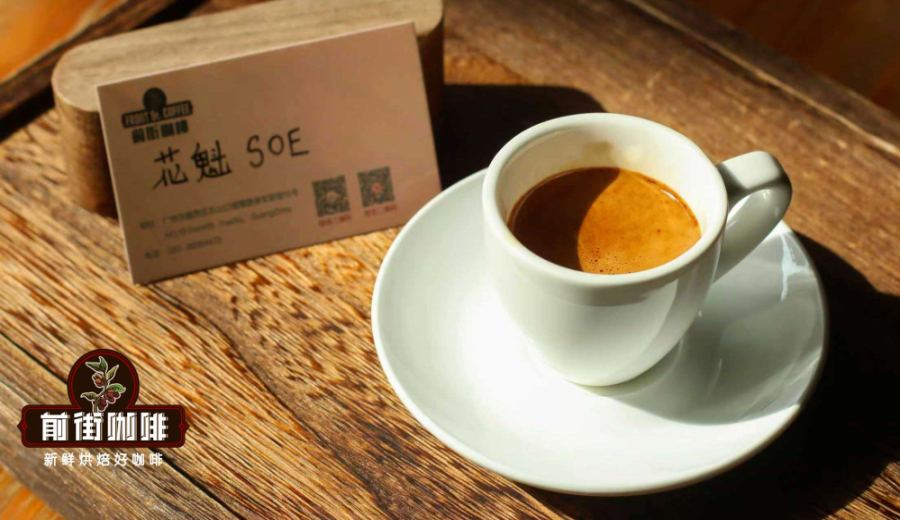
Introduction:In today’s era of growing specialty coffee popularity, SOE (Single Origin Espresso) has become the top choice for many baristas and coffee professionals due to its unique regional flavor profiles. This article will take an in-depth look at the actual performance of SOE single-origin espresso made from three classic regional beans—Yirgacheffe, Mandheling, and Brazil. From crema characteristics, extraction parameters, flavor profiles to suitable roast levels, it aims to help readers choose the most suitable commercial SOE coffee beans according to their needs, and understand how different roast levels affect taste and crema.
With the rise of the specialty coffee concept, consumers have gained a deeper understanding of the unique flavors of coffee from different regions, and SOE (Single Origin Espresso) has gradually become a new favorite in the market. So what exactly is SOE? Simply put, it refers to using coffee beans from a single origin, brewed via the espresso method, to showcase the distinctive flavor characteristics of that region, allowing each sip to deliver a clear sense of terroir.
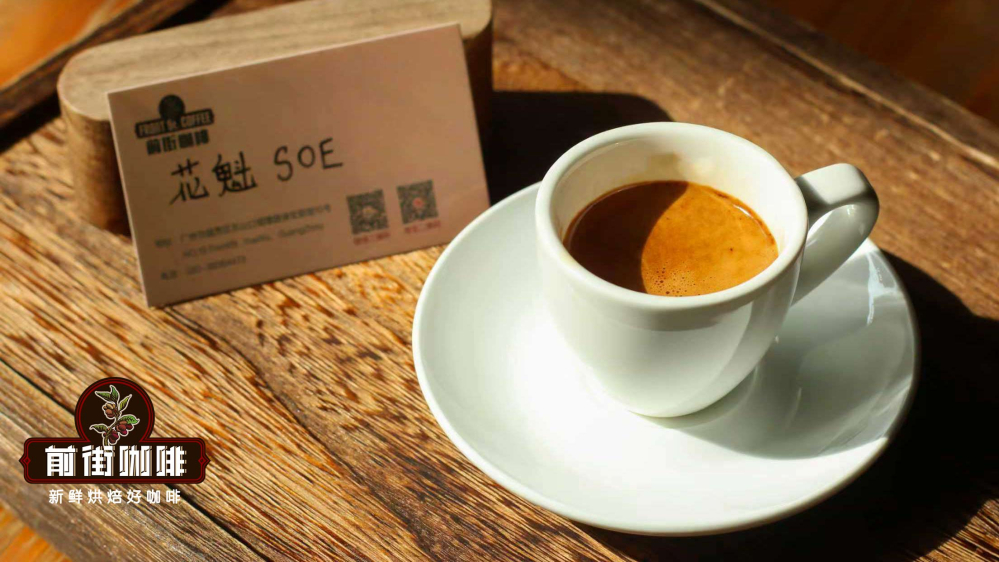
The reason SOE is so favored lies in its ability to highlight the original characteristics of a region, offering drinkers a distinctly different taste experience. However, to make an impressive cup of SOE espresso, besides choosing the right beans, factors such as roast level, extraction parameters, and the condition of the beans themselves are key. Especially the crema (coffee foam) of espresso, which is a crucial factor directly affecting the overall flavor presentation.
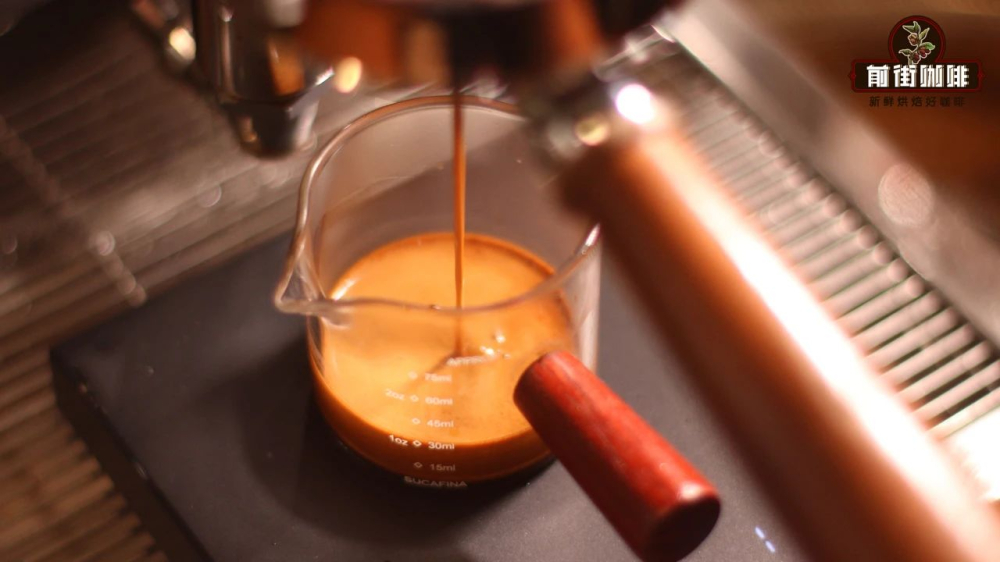
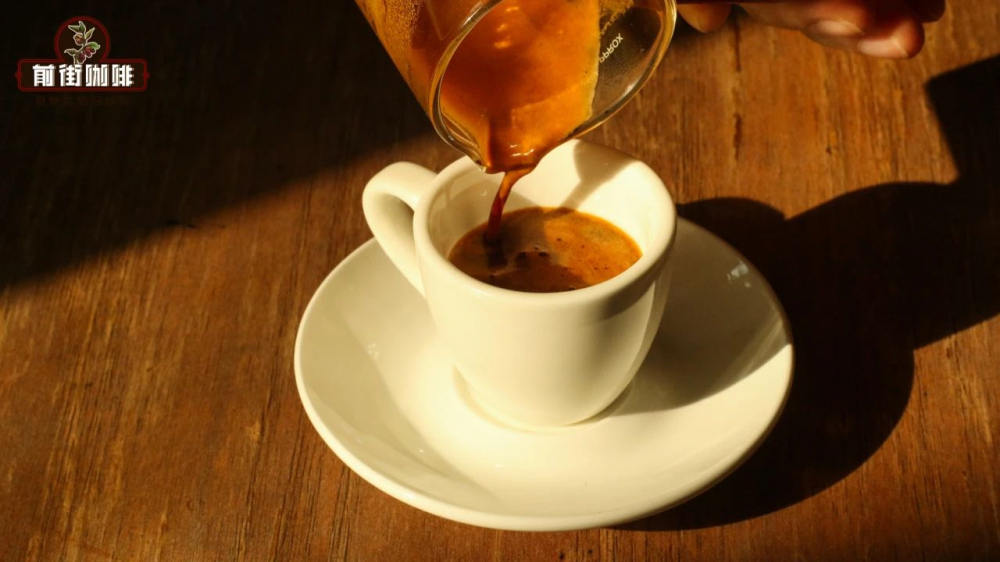
Compared to regular pour over coffee, espresso has a very short extraction time—usually just 25 to 35 seconds—to release a large amount of aromatic compounds. The golden crema layer is not only the visual focus but also encapsulates the coffee’s volatile aromatic substances and carbon dioxide. It’s worth mentioning that this carbon dioxide also carries the flavor components of the beans themselves, so the richness of the crema is often closely related to the overall intensity of the coffee’s flavor.
So, for coffee professionals looking to make SOE espresso, how should they choose the right beans? Generally, we use extremely fine grind settings, with a coffee-to-water ratio of 1:1.9 to 1:2, extracted at around 94°C and under 9 bars of pressure. For this test, we used three common and representative regional beans—a light-roasted Yirgacheffe, a medium-roasted Brazil, and a dark-roasted Mandheling—and kept the extraction time consistent at about 28 to 30 seconds, observing the differences in their crema performance and flavor profiles.
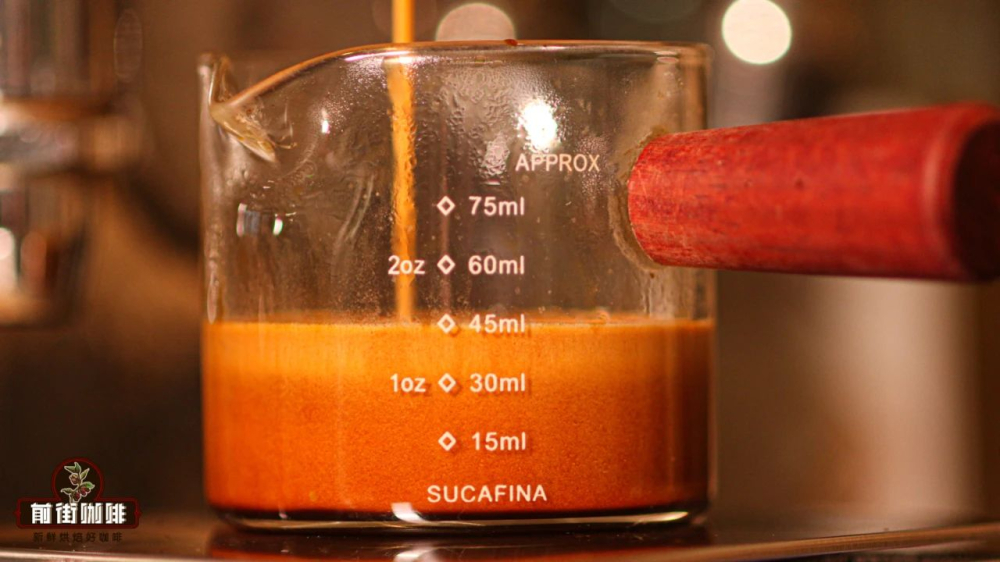
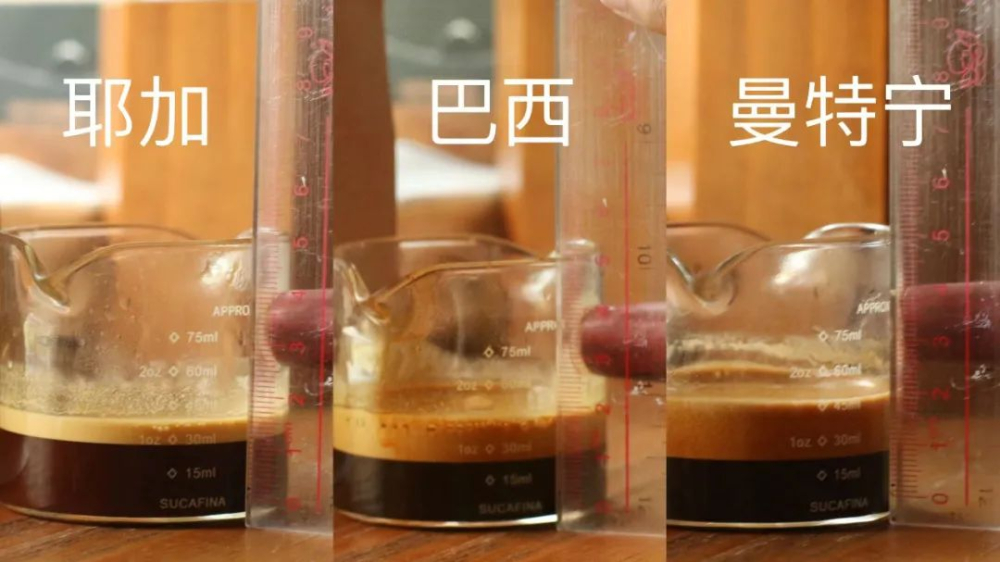
The actual test data is as follows: Yirgacheffe used 20 grams of coffee grounds to produce 38 grams of espresso in 28 seconds; Brazil and Mandheling both used 20 grams of grounds to produce 38 grams of espresso, taking 30 seconds each. From the results, the light-roasted Yirgacheffe produced noticeably less crema, with a lighter color; the medium-roasted Brazil came next; while the dark-roasted Mandheling displayed the richest and darkest layer of crema. Overall comparison result: Yirgacheffe < 巴西 < 曼特寧。
These results indicate that if you’re aiming for rich and long-lasting crema, beans roasted to a medium to medium-dark level are generally the more stable choice. However, if you particularly love bright acidity and fresh floral notes, the light-roasted Yirgacheffe can still showcase its unique flavor characteristics, although it may be slightly weaker in terms of crema and body. Yirgacheffe often delivers a distinct lemony acidity upon entry, but has a shorter aftertaste and an overall lighter mouthfeel.
In contrast, the medium-roasted Brazil and dark-roasted Mandheling generally present more intense flavors of nuts, chocolate, and caramel, with noticeable sweetness and a smoother, fuller mouthfeel. Especially the Mandheling, in addition to the above traits, also offers a subtle herbal note in the aftertaste, adding complexity. If your goal is to produce an espresso with rich crema and a full-bodied texture, these medium to dark-roasted beans would be the more suitable options.
Of course, when choosing roast levels, it's also important to consider the balance between flavor and crema. While light-roasted beans can showcase bright acidity and fruity-floral notes, they often struggle to produce the ideal crema thickness during espresso extraction. If you still want to try, it’s recommended to adjust the grind fineness and tamping pressure to optimize extraction. However, for most commercial purposes, medium or medium-dark roasts remain the more practical and stable choices.
Additionally, it’s worth noting that while SOE can faithfully reflect the characteristics of a specific region, its expression is relatively one-dimensional. For example, a light-roasted Yirgacheffe may have captivating floral and fruity acidity, but often lacks body. If you’re seeking a balance between flavor diversity and mouthfeel balance, blends may be a more flexible solution—by complementing beans from different regions, they can retain individual characteristics while enhancing the overall profile.
In summary, if you’re a café owner or a professional barista looking for suitable commercial SOE coffee beans, you might want to start with medium or medium-dark roasted beans. This not only ensures rich and stable crema, but also presents a more complete and appealing espresso flavor profile. Of course, if the budget allows, using high-quality single-origin specialty beans (such as those with passion fruit or grape notes like Geisha), can further elevate the overall complexity—but the price is also relatively higher, so it depends on operational needs.
The above content is compiled by CoffeeHunters, a coffee news website.


