







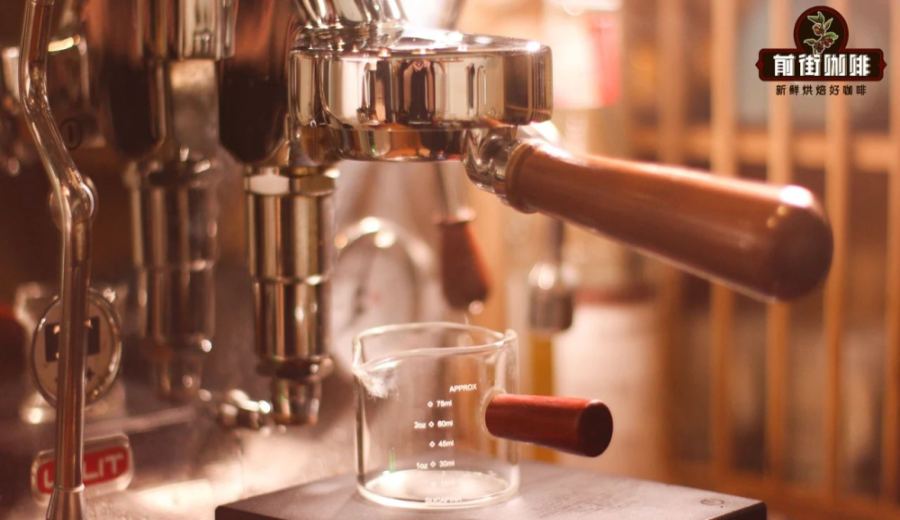
Introduction:Want to understand how an authentic Italian espresso is made? This article delves into the historical background of espresso, key extraction parameters—including coffee-to-water ratio, water temperature, pressure, and time settings—and provides practical steps and common troubleshooting tips, enabling even beginners to master the professional barista’s espresso extraction techniques.
Espresso has long been an indispensable part of daily life in Italy, with each shot carrying traces of regional culture and historical evolution. As early as the late 19th century, the concept of espresso first emerged, but the modern form of espresso as we know it gradually took shape in the early 20th century following technical improvements in pressure brewing machines.
Global awareness of espresso owes much to Starbucks, which popularized this brewing method worldwide and sparked a global espresso craze. So, how exactly is espresso made? What are the key parameters that define its flavor? Below, we’ll break down its brewing secrets step by step.

The coffee culture in Italy has very early origins. Starting in 1580, coffee beans from Africa and the Middle East entered Italy via the port of Venice. At that time, this “pagan world” beverage was limited to the upper class and was even once regarded as the “devil’s drink.” It wasn’t until the early 17th century that Archbishop Clement VIII personally tasted and accepted this black beverage, even bestowing upon it the noble title of “the drink of God,” after which coffee gradually entered everyday life.
In 1645, the first coffeehouse in Europe opened in Rome, Italy, symbolizing the true popularization of coffee culture in the region. Italians not only love drinking coffee but have also played a significant role in equipment and technological innovation, laying a solid foundation for today’s espresso.
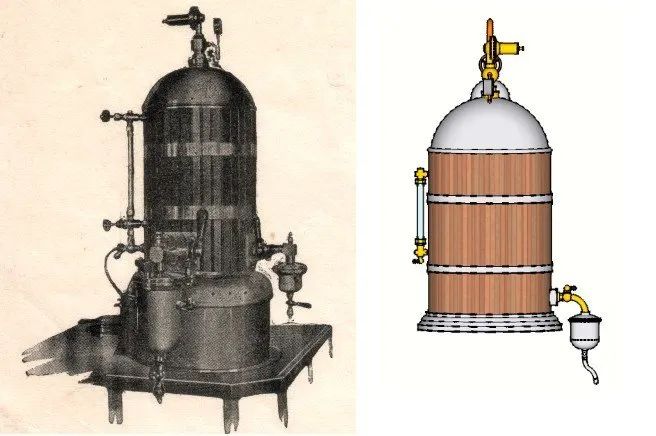
As early as 1884, Angelo Moriondo applied for a patent in Turin, Italy, for a steam-powered coffee machine. Although this machine struggled with temperature control, often leading to over-extraction and a burnt, bitter taste, it laid the groundwork for subsequent technical advancements. Later, in the late 19th to early 20th century, Milan engineer Luigi Bezzera revolutionarily upgraded the design, introducing the prototype of the first high-pressure, rapid extraction coffee machine, complete with a detachable handle and multi-stage extraction structure.
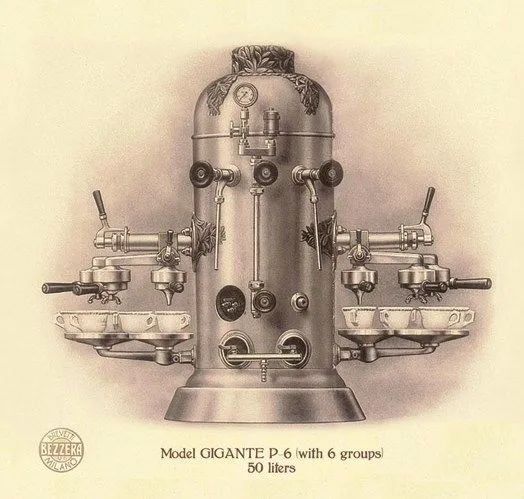
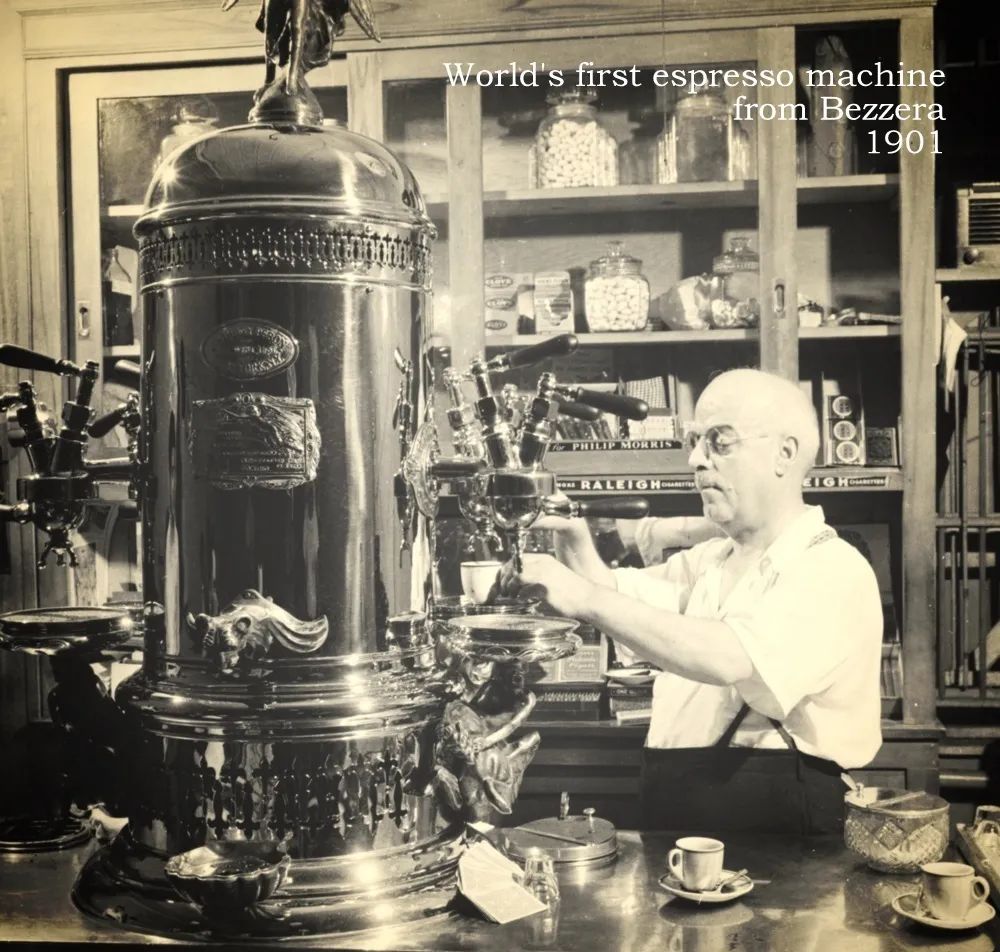
Around 1920, the term “espresso” was officially included in the Italian dictionary, referring to concentrated coffee made under pressure. However, early versions of this coffee were not well-received due to their extremely fast extraction speed and unappealing flavors. Italians quickly recognized its potential, though, and continued refining the equipment. For example, in 1938, engineer Achille Gaggia introduced a manual lever design, increasing water pressure from 1.5 bar to 9 bar. This not only successfully extracted a rich coffee liquid but also unexpectedly produced the velvety coffee crema, greatly enhancing the sensory experience of espresso.
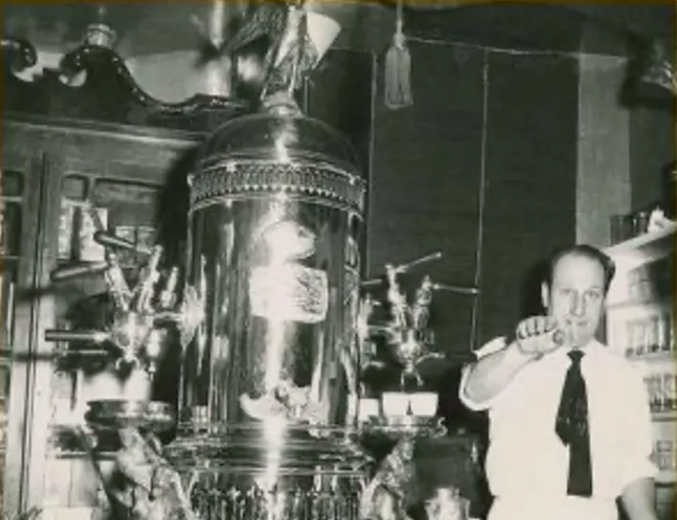
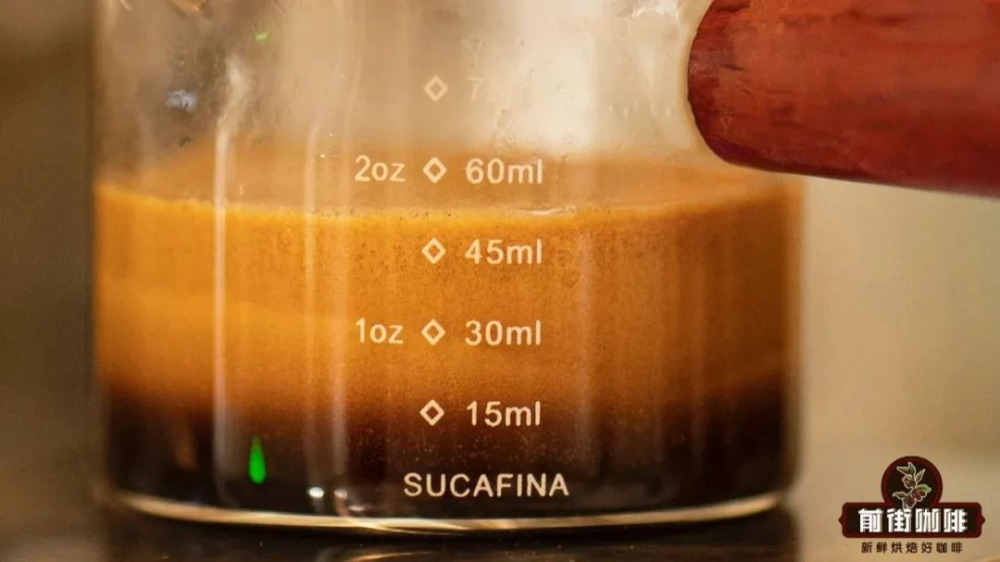
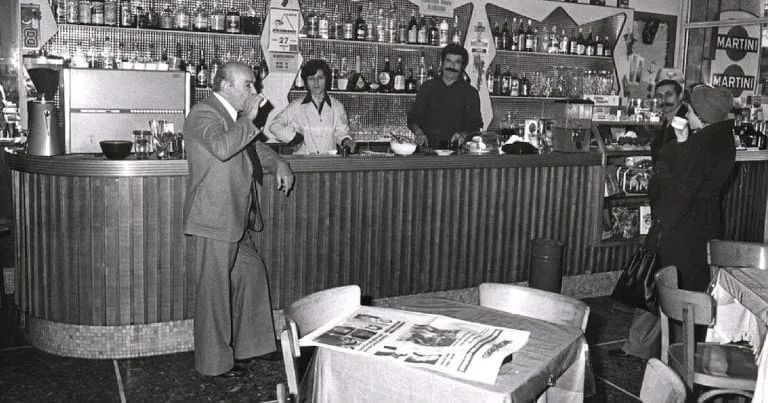
With the widespread adoption of coffee machines, espresso gradually became the core offering in Italian cafés. Local consumers are accustomed to enjoying a single shot of espresso very quickly, usually made with dark roasted beans, occasionally blended with Robusta to enhance crema. A single shot typically costs around 1 euro, serving as a small but essential daily pleasure for locals.
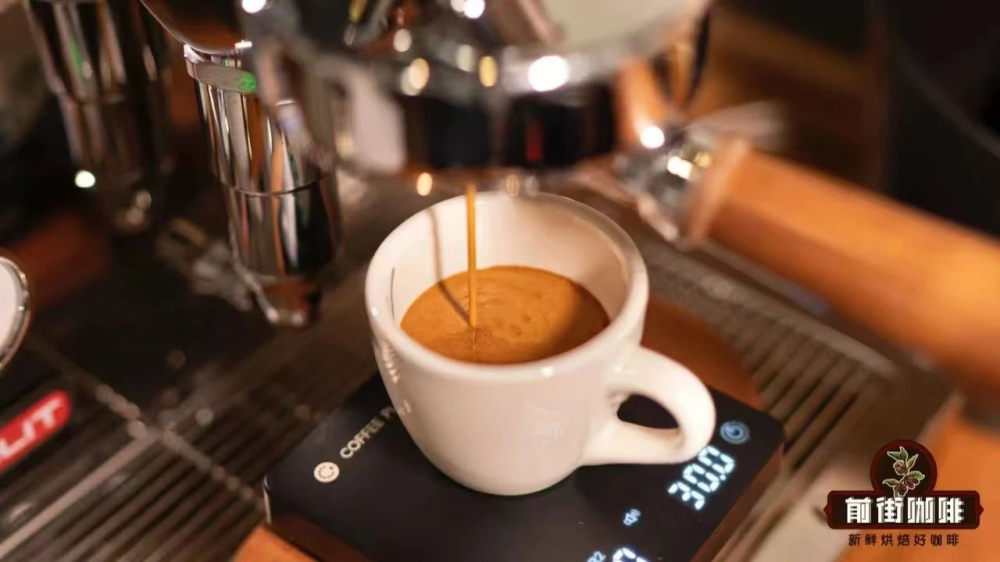
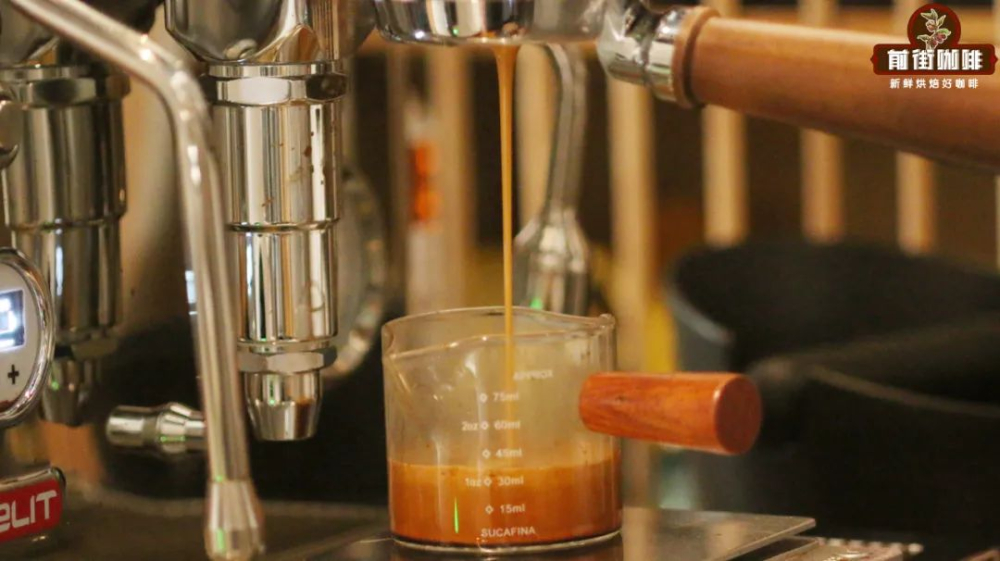
So, how do you make a professional-grade espresso? The key lies in strictly controlling four factors: coffee dose, coffee-to-water ratio, extraction time, and water pressure & temperature. Generally, for a single shot of espresso, it’s recommended to use 10–11 grams of coffee grounds, aiming to extract 20–25 grams of coffee liquid within about 22 seconds; for a double shot, use 19–20 grams of coffee grounds to extract 35–40 grams of liquid, keeping the time around 28–30 seconds.
These values may vary slightly depending on grinder performance, coffee bean variety, and roast level. Beginners are advised to start with a 1:2 coffee-to-water ratio (e.g., 20 grams of coffee yielding 40 grams of liquid) as a baseline, then fine-tune gradually. Water temperature is typically set at 92–94°C, with pressure maintained at 9–10 bar—conditions that help achieve an espresso with balanced acidity and sweetness, along with a good body.
In practical operation, the combination of coffee dose and grind size is particularly crucial. If the grind is too coarse, water flows too quickly, resulting in under-extraction, thin flavor, and a noticeable wateriness; conversely, if the grind is too fine, over-extraction may occur, producing burnt, bitter, and astringent notes. Additionally, the evenness of tamping directly affects extraction stability—using a distribution tool is recommended to ensure consistent coffee bed distribution.
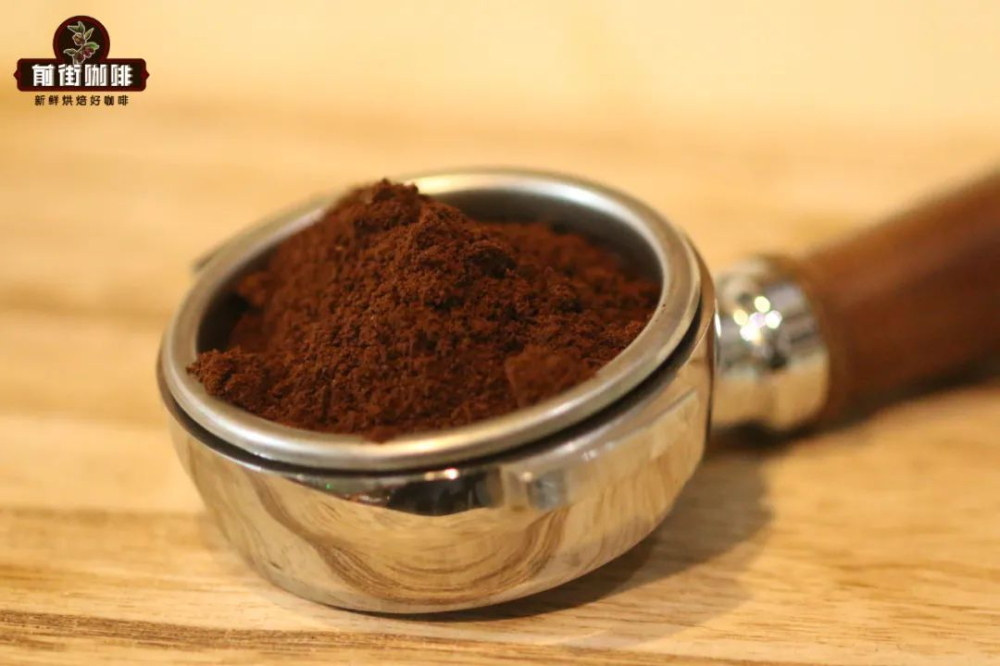
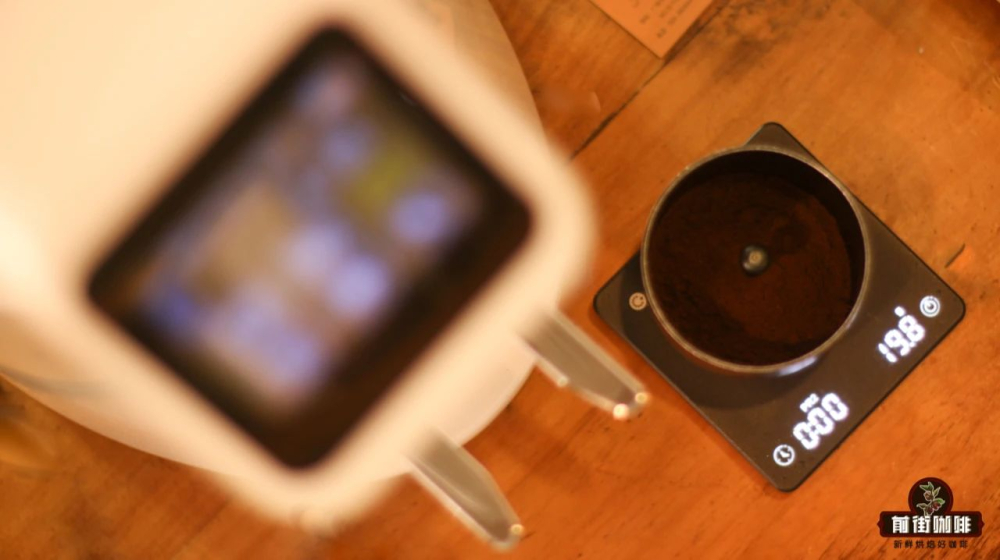
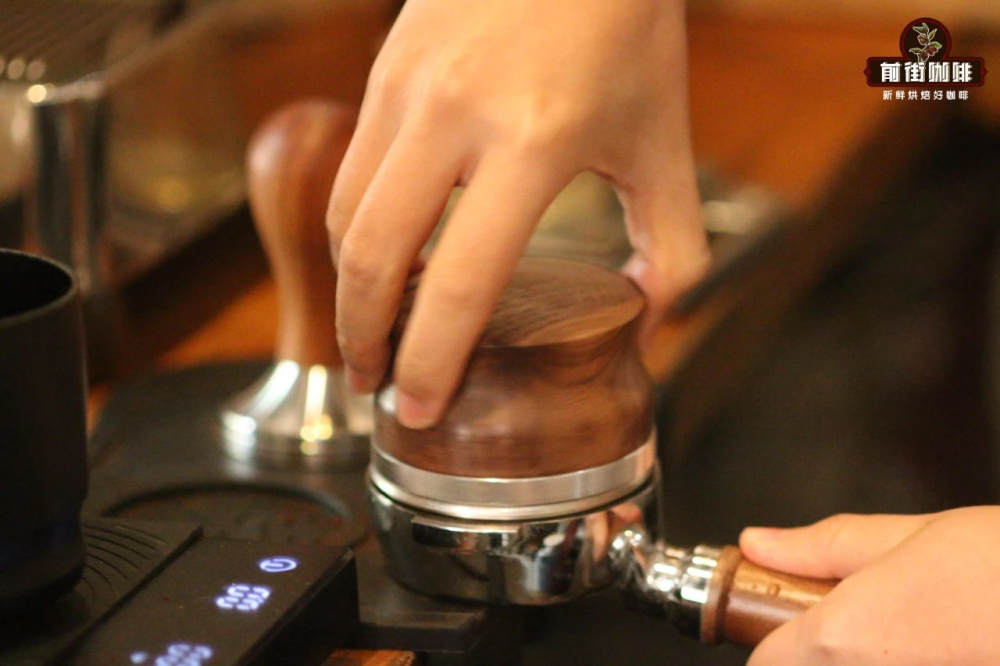
The espresso extraction process can be divided into four stages: dosing, distributing & tamping, pre-check, and final extraction. Before dosing, ensure the portafilter basket is dry. After grinding, quickly pour the coffee grounds into the basket, then use a distribution tool to evenly spread the coffee bed, followed by tamping with appropriate pressure (around 30 pounds). Before locking the portafilter into the group head, check that the coffee surface is level and free of loose grounds, and pre-wet the group head to prevent leaks at the connection.
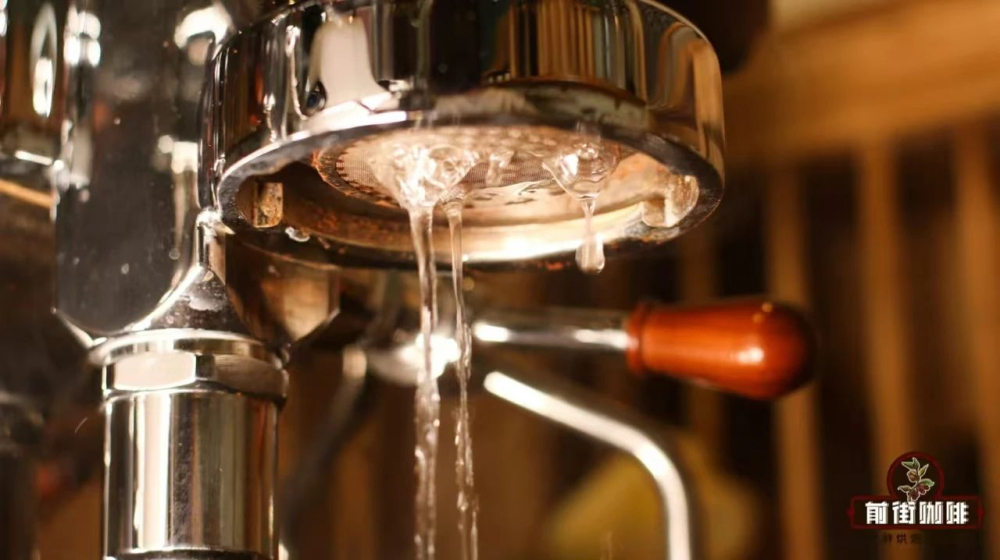
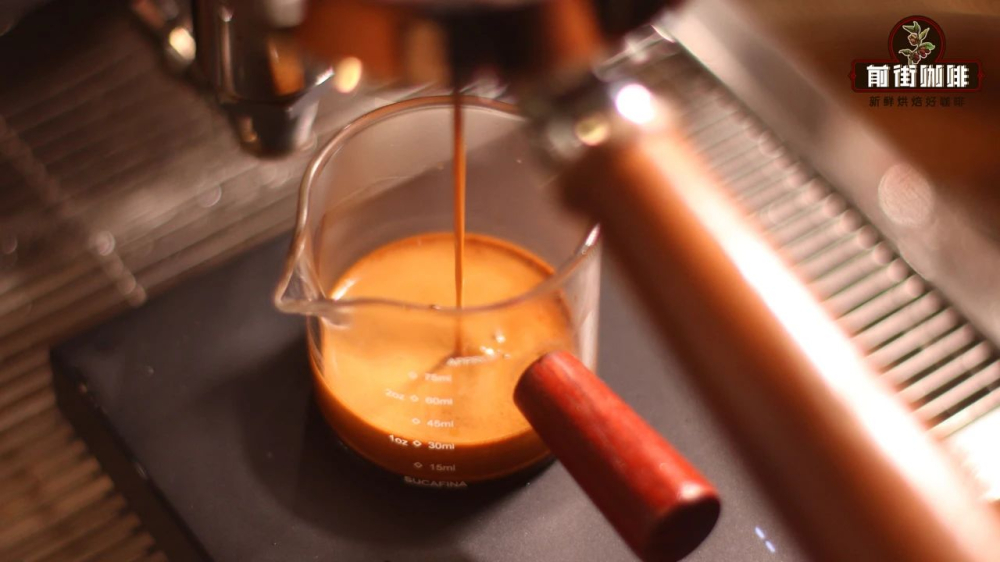
Once extraction begins, observe the flow of coffee liquid. Ideally, the espresso should flow out in a steady, even stream, appearing amber to reddish-brown in color, and finally form a delicate layer of golden crema in the cup. This crema is formed by the emulsification of carbon dioxide and coffee oils under high pressure, and is one of the key indicators of a successful espresso.
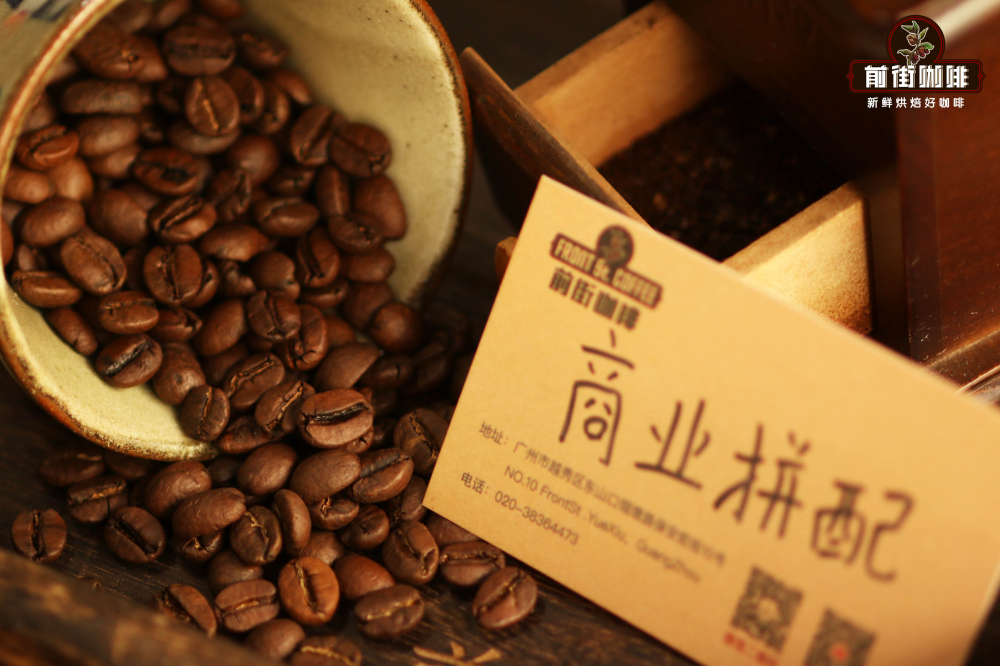
If you want to replicate café-quality espresso at home, it’s recommended to choose espresso blends specifically designed for this purpose. These are usually composed of beans from multiple origins mixed in specific proportions and undergo dark roasting to enhance body and crema performance. A good blend offers a more balanced interplay of acidity, sweetness, and bitterness, allowing each shot of espresso to showcase rich flavor depth and consistent quality.
The above content is compiled by CoffeeHunters, a coffee news website.


