







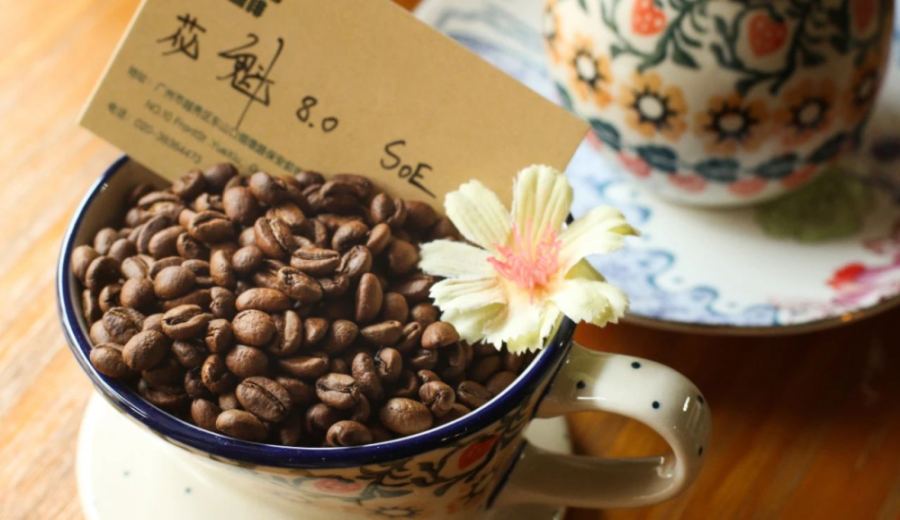
Introduction:SOE (Single Origin Espresso) has been a hot topic in the specialty coffee scene in recent years. How does an espresso made from a single-origin coffee bean showcase its unique flavors? This article delves into the differences between single-origin pour over and single-origin espresso, helping you understand how extraction parameters affect flavor. It also recommends several pour-over single-origin beans that are well-suited for conversion to SOE, along with their ideal roast levels and flavor profiles, to help you find your perfect bean.
SOE (Single Origin Espresso) refers to espresso extracted using coffee beans from a single origin. The most distinctive feature of this type of coffee is that, even with a highly concentrated liquid, it can still clearly present the unique flavor profile of its origin—such as bright acidity, unique sweetness, or recognizable aftertaste. Compared to traditional blended beans, SOE better highlights regional characteristics, making it a popular starting point for coffee enthusiasts looking to explore deeper flavor profiles.
What are the flavor differences between single-origin pour over and single-origin espresso?
Take a medium-light roasted Ethiopian Yirgacheffe washed coffee as an example. Under pour over conditions (medium-fine grind, 1:15 coffee-to-water ratio, 91°C water temperature), it can exhibit clear citrus acidity, delicate white floral aroma, and a honey-green tea-like finish, delivering a full-bodied and well-balanced taste. However, when using an extremely fine grind, 9–10 bar pressure, 94°C hot water quickly passing through a uniformly tamped coffee bed, and extracting at a 1:2 coffee-to-water ratio to make espresso, the same beans yield a flavor profile highlighted by prominent lemon acidity, intense berry juice sensation, and an oolong tea-like aftertaste, but with a relatively thinner body. This shows that even for single-origin beans from the same origin, flavor expression can vary significantly due to different brewing methods and parameters.
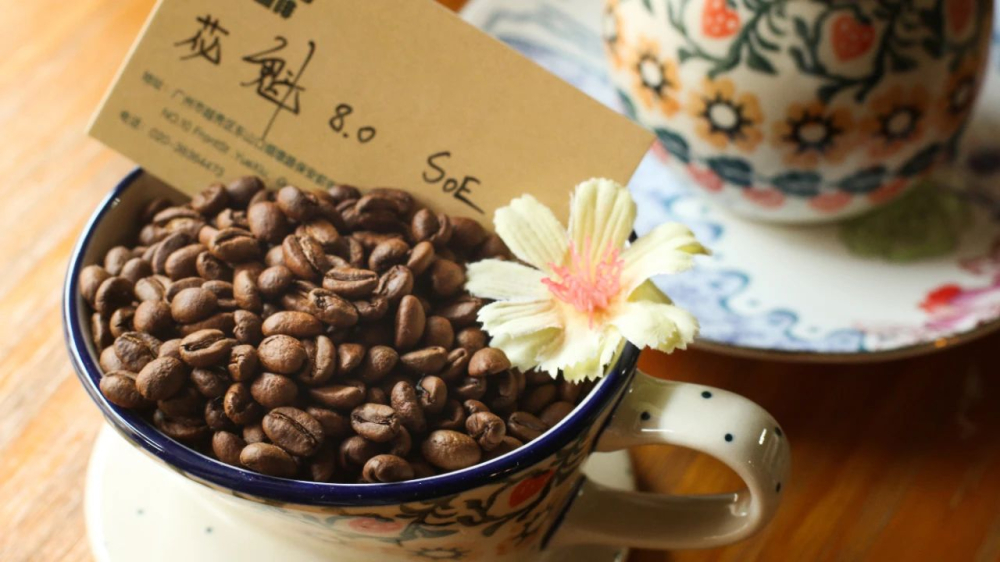
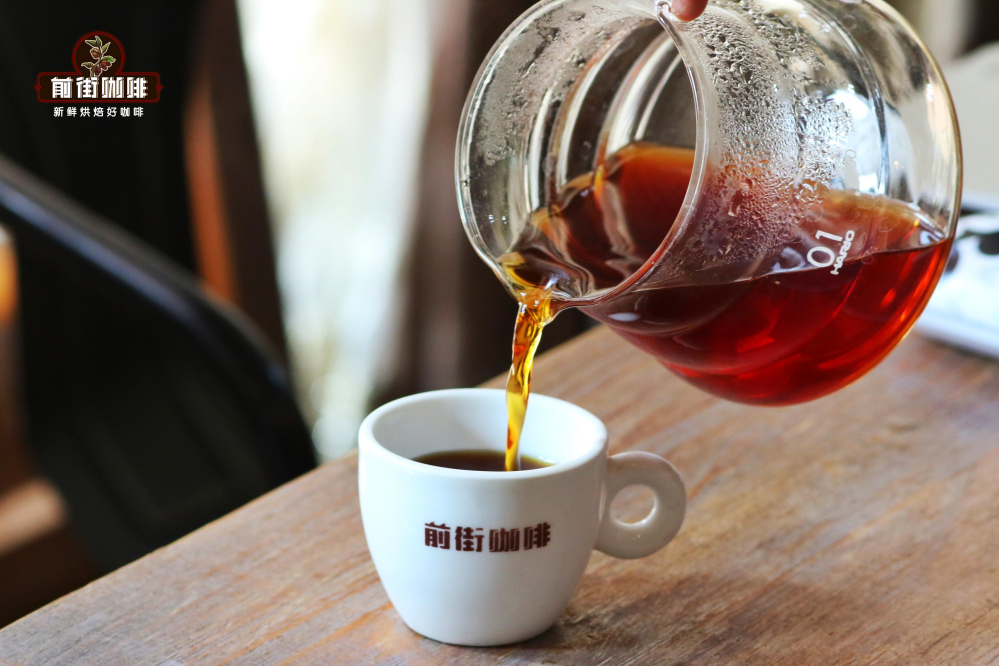
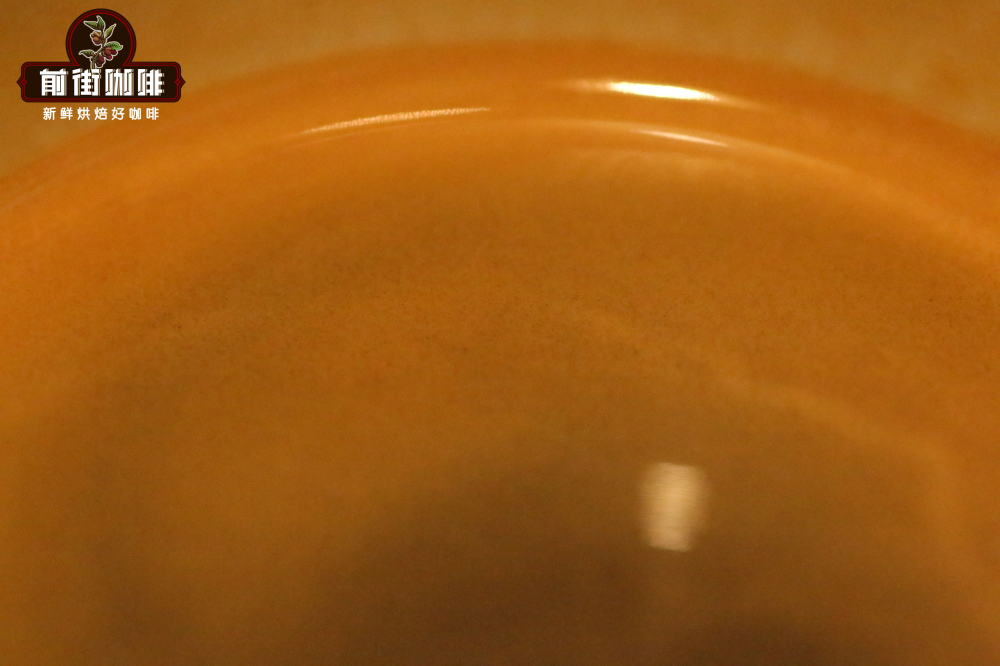
During pour over extraction, the slower water flow and longer contact time allow for the full expression of delicate flavor compounds in the beans, resulting in a smooth and balanced taste. In contrast, espresso extraction under high pressure and high temperature concentrates the flavors, making them more pronounced. However, if the beans are roasted too lightly, it can lead to issues such as overly sharp acidity or lack of body, resulting in a less-than-ideal overall performance.
Advantages and Challenges of SOE
The biggest advantage of SOE is its ability to clearly express the unique flavor characteristics of its origin in the form of espresso. Whether consumed directly, diluted with water as an Americano, or paired with different ratios of milk to make milk-based drinks like lattes and cappuccinos, it can showcase the regional personality of the beans. However, SOE also comes with its own instability, as coffee beans are agricultural products. Factors such as annual climate and processing conditions can affect flavor expression, leading to variations in flavor among beans from the same origin and making it difficult to maintain a consistently uniform taste over time. Additionally, if roasted too lightly, there’s also a risk of overly sharp acidity or a thin body.
For this reason, while many coffee shops offer SOE options, their main products remain deep-roasted blends known for their stability and balanced flavors. The price of SOE can also vary depending on the bean variety and processing method, and it is not necessarily cheaper than pour over coffee.
How to Choose Coffee Beans Suitable for SOE?
If you want to convert a pour-over single-origin bean into SOE, the first consideration is whether its roast curve is suitable for espresso extraction. Many SOE beans specifically designed for espresso will adjust the roast level and development time to balance acidity and sweetness, and to bring out appropriate caramelized flavors. If you already have pour-over single-origin beans on hand, you can select from the following directions:
1. Honduras Whisky Barrel-Aged Sherry Coffee Beans: A medium roast brings out roasty aromas while retaining berry acidity. As an SOE, it features pronounced vanilla biscuit and whisky notes, and when paired with milk, it delivers a smooth chocolate cream-like texture with rich aroma and an overall soft profile. Note that this bean is best suited to a medium-dark roast to enhance body and sweetness.
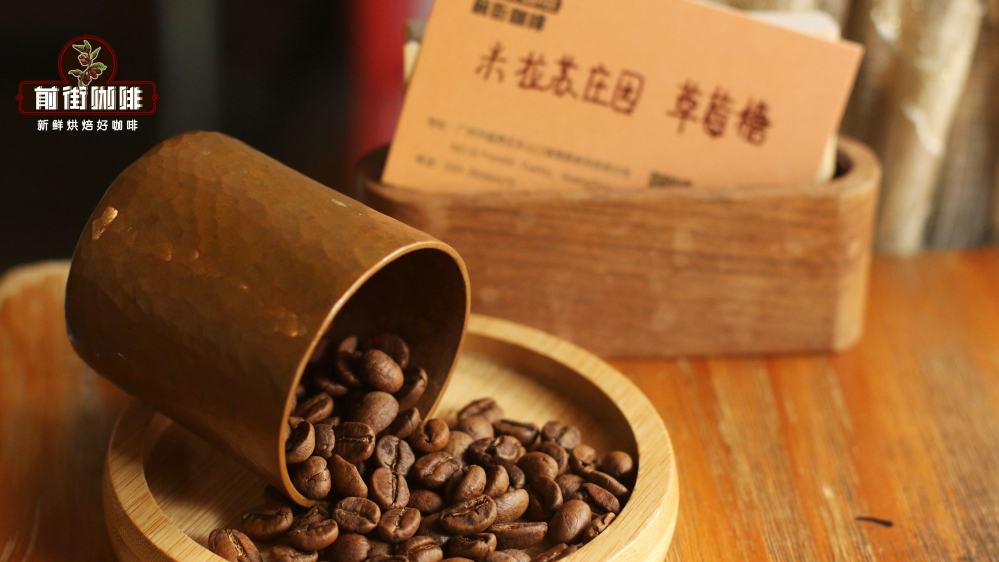
2. Costa Rica Mirasù Estate Strawberry Candy Coffee Beans: Anaerobic honey processing allows the mucilage layer to fully ferment. As a pour over, it offers raisin, strawberry soft candy, and subtle floral notes, while as an espresso, it showcases intense berry jam and orange chocolate flavors, making it ideal for those who enjoy sweetness and fruity notes.
3. Brazilian Queen Estate Yellow Bourbon Coffee Beans: A medium-dark roast imparts nutty, buttery, and peanut aromas, with a sweet chocolatey finish in the aftertaste. The resulting SOE has rich crema, and performs exceptionally well in milk-based drinks, making it suitable for consumers who prefer a bold and rich taste.
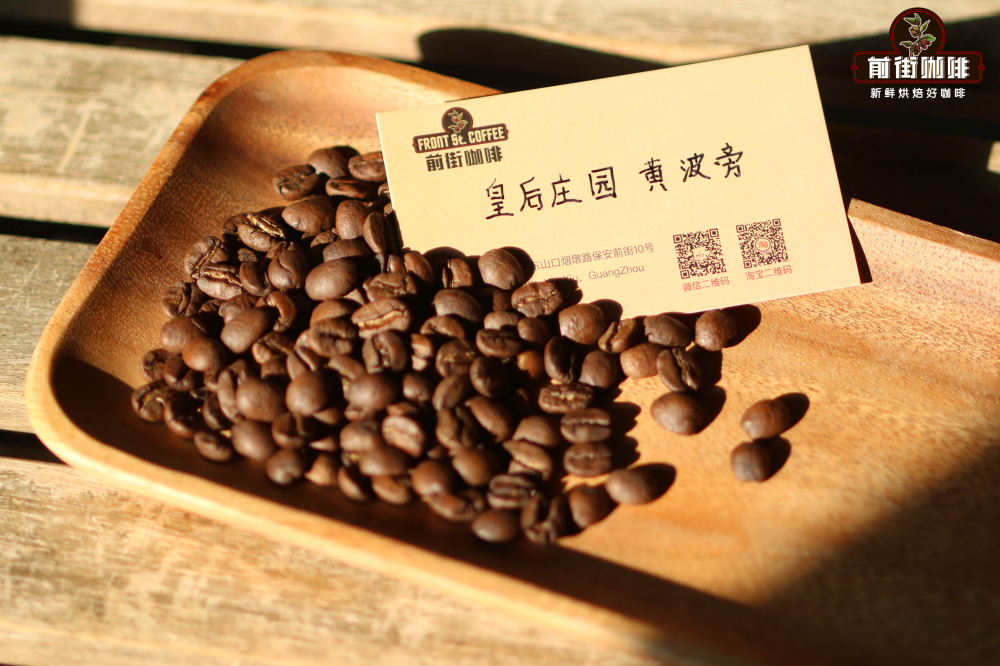
Many roasters offer different roast curves tailored for either pour over or espresso use. Generally speaking, pour-over beans with prominent floral and fruity notes are often roasted to light to medium levels, while SOE beans are slightly darker, yet still retain the original flavor profile, allowing the espresso to showcase fruit acidity alongside caramelized sweetness. For instance, some Ethiopian beans are labeled as “pour over light-to-medium roast” and “SOE espresso roast.” The former is suitable for pour over, cold brew, and other ambient pressure extractions, while the latter is specifically designed for high-pressure environments like moka pots and espresso machines.
Freshness is Key
Regardless of the brewing method chosen, the freshness of the coffee beans is crucial. Beans roasted more than a month ago may show significant loss of aroma and even develop woody off-flavors. It’s recommended to choose beans roasted within 5 days to fully experience the original flavors and layers of the coffee. If you’re attempting to make SOE at home, remember to select freshly roasted single-origin beans to extract the best possible flavors.

The above content is compiled by CoffeeHunters, a coffee news website.


