







Introduction:Delve into the classic Mandheling coffee from Indonesia’s Sumatra Lintong region and discover how its unique wet-hulling processing method shapes its low-acid, full-bodied flavor profile. This article provides a detailed exploration of Mandheling’s historical origins, bean variety characteristics, and practical pour-over brewing recommendations—including grind size, water temperature, brew ratio, and a three-stage pouring technique—to help you brew a balanced and layered Mandheling coffee at home.
Indonesian Mandheling coffee is renowned for its rich, full-bodied taste and captivating aromas of caramel and dark chocolate, making it a favorite among coffee enthusiasts who prefer dark roasts. Particularly those from Sumatra’s Lintong region, Mandheling stands out with its low acidity, bold body, and distinctive “herbal undertone,” making it a top choice for many coffee beginners trying dark roast beans for the first time. With the right pour-over method, its deeper aromatic layers and sweetness can be even more prominently highlighted.
The history of coffee cultivation in Indonesia dates back to 1696, when the Dutch East India Company introduced the first batch of Arabica coffee seedlings from Malabar, India. However, these were destroyed by floods, leading to a second introduction in 1699, with successful harvests achieved in 1701—officially marking the beginning of Indonesia’s coffee history. This hot and humid tropical land gradually developed a distinct coffee processing and roasting culture.
As for the origin of the name “Mandheling,” it actually has no direct connection to the region it is now associated with. Legend has it that a Japanese soldier during the Indonesian colonial period drank an unforgettable coffee and later asked local production departments to help locate its source. Originally intending to refer to the nearby Lintong (Mandailing), due to commercial confidentiality, the relevant personnel instead used “MANDHELING” (Mandheling) as a code name. Over time, this name became synonymous with that flavorful coffee and has been widely used ever since.
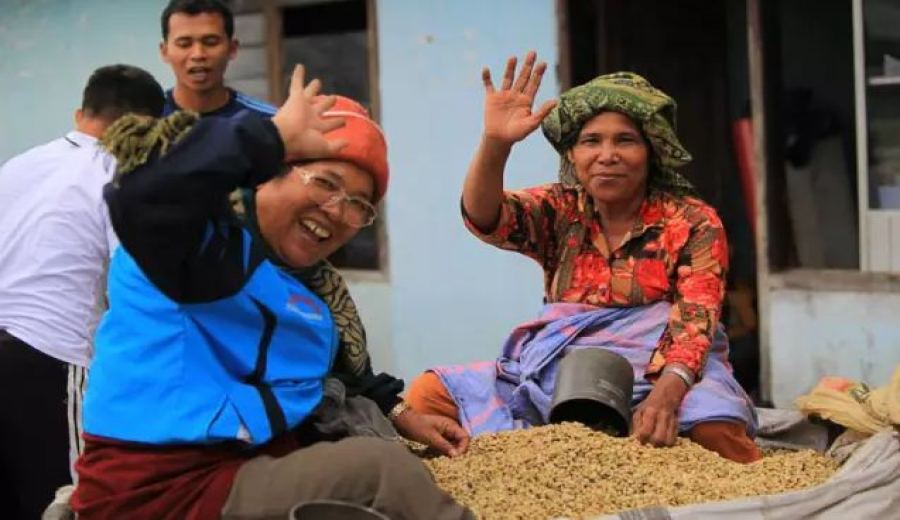
Among the many Indonesian coffee regions, Lintong (Lintong) is located in north-central Sumatra, near the famous Lake Toba, and is one of the key producers of Mandheling coffee. The Mandheling coffee produced here mostly employs the region’s unique “wet-hulling” method, which gives it a distinctive profile of low acidity, full body, and earthy, herbal aromas. This processing method is also key to enabling Sumatran coffee to dry stably in humid weather conditions.
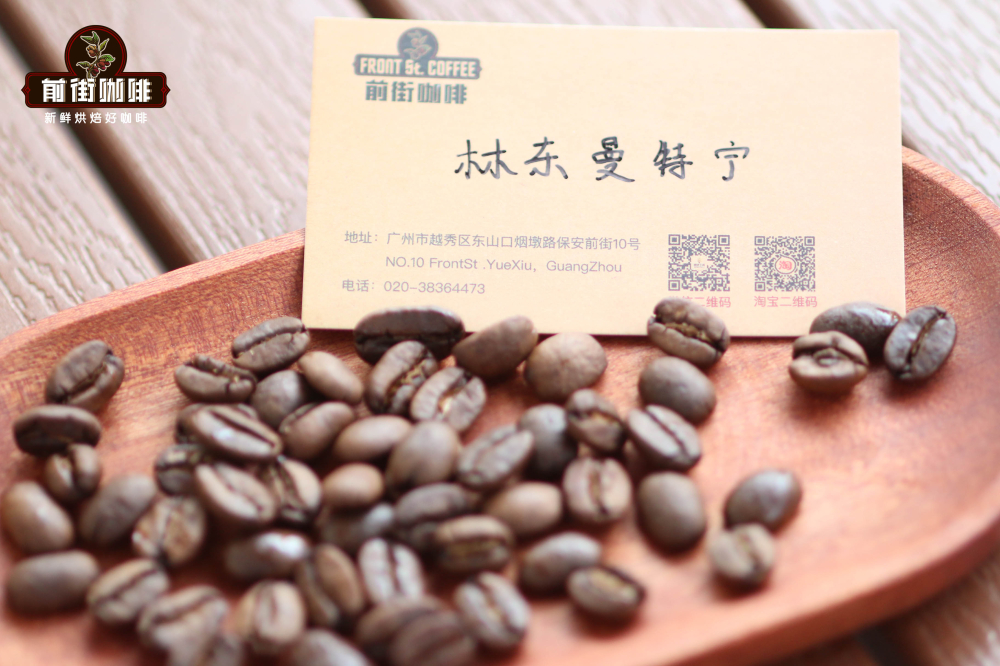
Indonesia’s climate is perpetually hot and humid with unstable sunlight, making traditional sun-drying methods difficult to implement. Even washed processing often struggles with drying due to insufficient consecutive sunny days. As a result, the “wet-hulling” method emerged: first using water washing to remove the pulp, then slightly sun-drying the mucilage-covered parchment coffee beans for 1–2 days to reduce the moisture content to 30–50%, followed by removing the parchment for subsequent drying. This method significantly shortens the drying time, but also causes the beans in their semi-dry state to easily crack under external force, resulting in the characteristic “elephant hoof” shape—an entirely normal occurrence, not a defect.
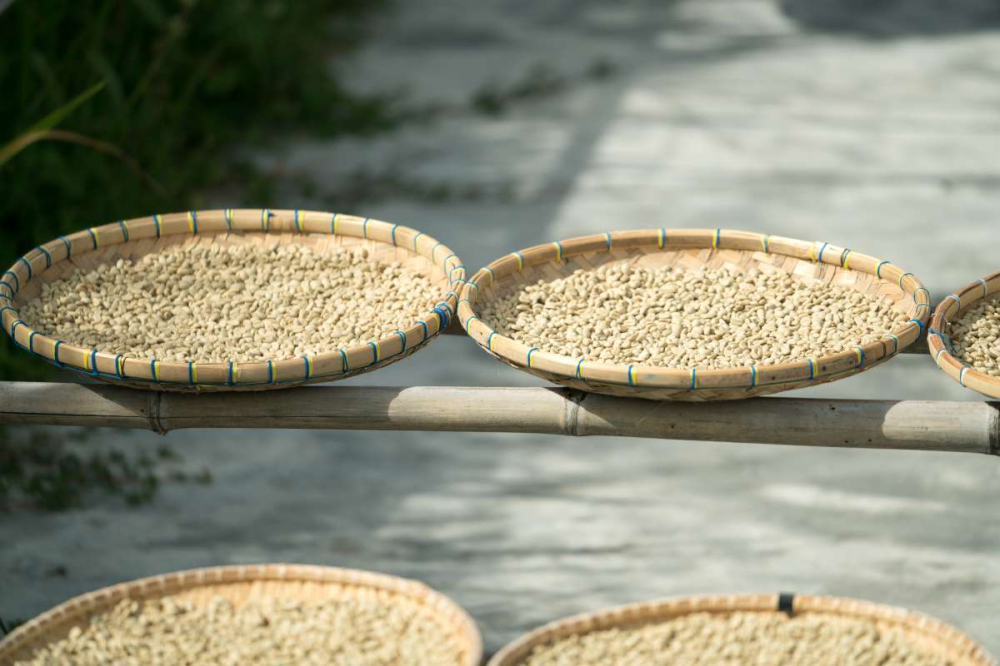
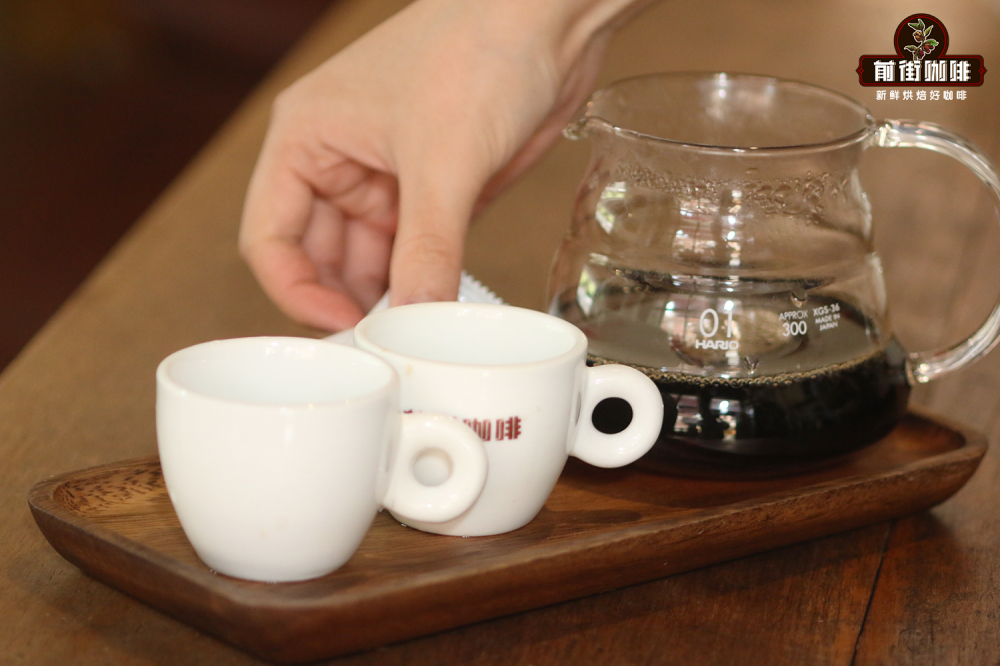
If you want to brew a cup of distinctly flavored Lintong Mandheling at home, it is recommended to use medium-dark roasted beans and choose a Kono filter to enhance the full-bodied taste (a V60 can be used as an alternative if a Kono is unavailable). A suggested coffee dose is 15 grams (single serving), and it is best to use the beans within 4–7 days post-roast—this is when their flavor is most balanced. For grind size, opt for a setting slightly coarser than that used for light roasts, with about 70% passing through a #20 sieve, to avoid over-extraction (which can lead to burnt, bitter flavors) or under-extraction (resulting in a flat, watery taste).
The recommended water temperature is between 87–88°C. Too high may extract excessive bitterness and impurities, while too low may result in muted flavors. A brew ratio of 1:15 is advised, as this proportion fully showcases Mandheling’s layered flavors and sweetness, avoiding issues like over-concentration or an unsatisfactory aftertaste. Compared to more concentrated ratios like 1:13, 1:15 better supports balanced flavor and aftertaste expression.
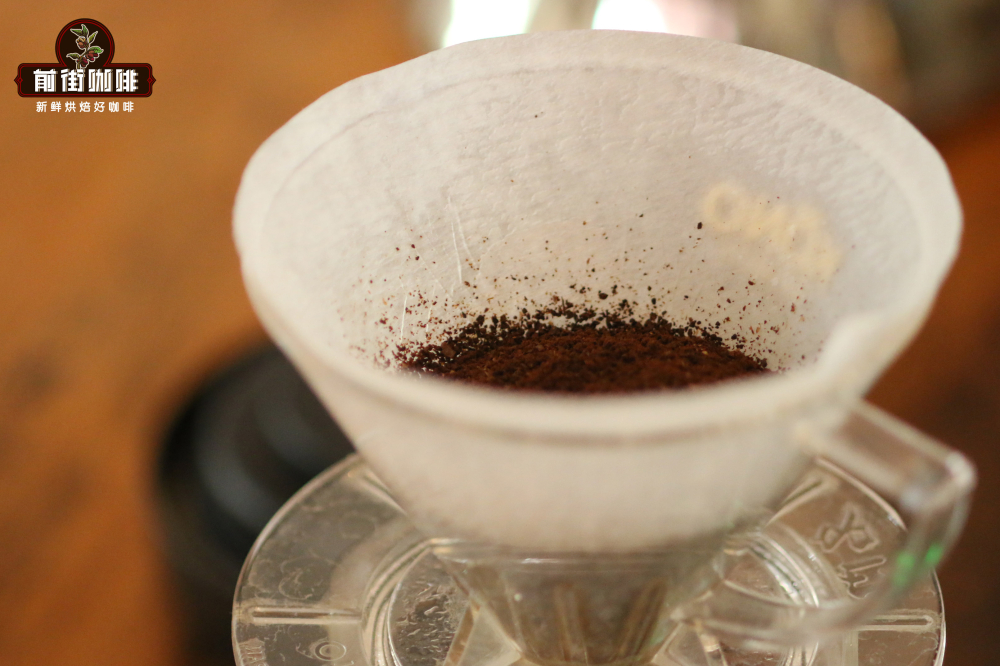
For pouring, a three-stage method is recommended to help control extraction rhythm and uniformity. Begin with a 30ml bloom pour to allow the coffee grounds to degas; next, pour 100ml in the second stage—during which you may observe golden foam forming on the surface, a key phase for flavor release; finally, finish with a gentle 95ml center pour to enhance sweetness and body, making the chocolate, nutty, and caramel aftertastes more pronounced, resulting in a rounded and layered overall mouthfeel.
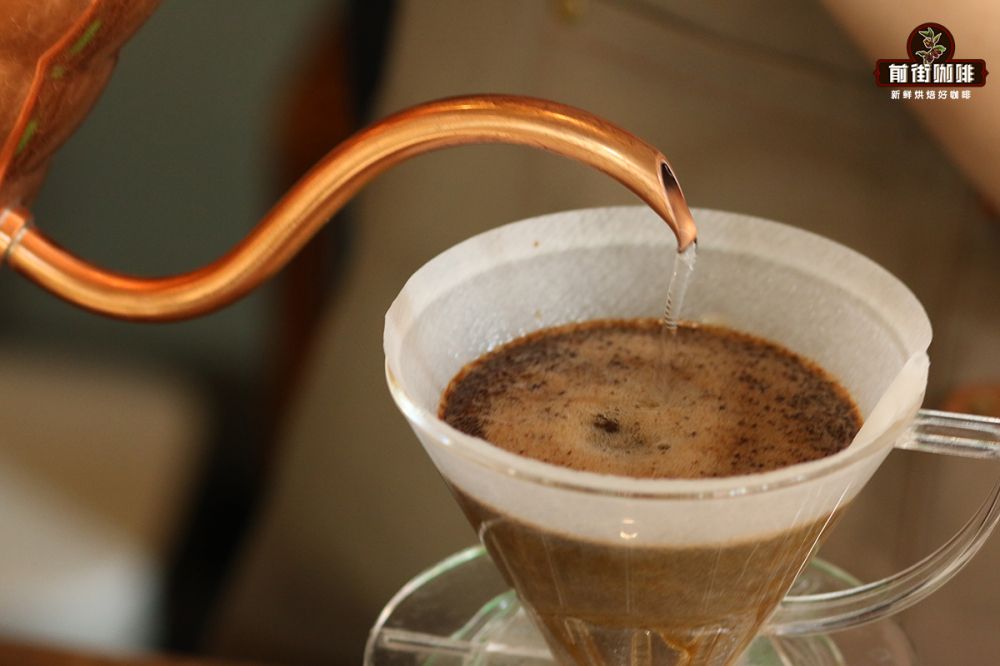
In summary, Sumatra Lintong Mandheling, with its unique wet-hulling process and medium-dark roast style, delivers a rich, low-acid coffee with notable depth—making it an excellent entry point for many coffee beginners exploring the world of dark roasts. By mastering the right grind size, water temperature, brew ratio, and pour-over techniques, you can easily enjoy the true charm of this classic Indonesian coffee flavor at home.
The above content is compiled by CoffeeHunters, a coffee news website.


