







Introduction:Sumatra Mandheling is a classic origin bean that no specialty coffee enthusiast around the world should miss. Its rich and bold flavor profile, shaped by its unique wet-hulling processing method, creates an irreplaceable sensory experience. This article delves into the origins of Mandheling, the development background of the Sumatra region, analyzes the grading and selection system of PWN Golden Mandheling, explores the characteristics of the Lintong Mandheling and Ateng varieties, and finally provides practical pour over brewing parameters and flavor assessment tips.
As a classic representative of Indonesian single-origin beans, Mandheling coffee has long been highly regarded in the global specialty coffee market. Legend has it that before Blue Mountain coffee gained widespread recognition, Mandheling was once hailed as a top-tier delicacy in the coffee world, captivating the market with its heavy and aromatic profile. When tasting it, one can distinctly feel a full-bodied mouthfeel on the tongue. Though low in acidity, it boasts delicate layers, often accompanied by a complex blend of herbal and dark chocolate notes—a classic favorite among many coffee lovers.
Sumatra: The Important Birthplace of Mandheling
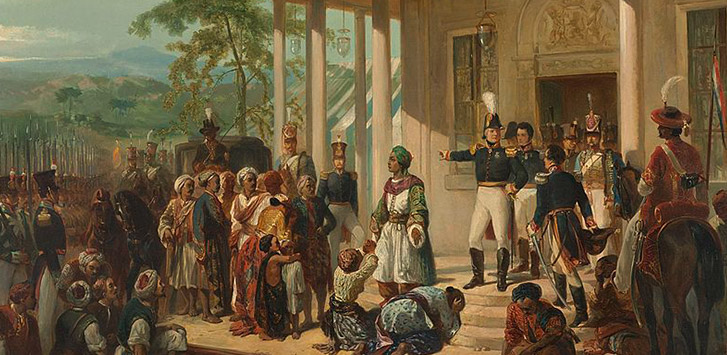
Sumatra is the second-largest island in Indonesia, with a large population and one of the country’s most important coffee-growing regions, accounting for approximately 74.2% of Indonesia’s total coffee production. It’s worth noting that Indonesia is not the native home of coffee; the beans were introduced during the Dutch colonial period after seeds were acquired from Portugal. During World War II, due to food shortages, many coffee fields were converted to grow crops like rice and cassava, leading to a post-war coffee output reduced to just one-eighth of pre-war levels. Over time, however, coffee gradually recovered and became a vital economic resource for the region.
The Origin and Misconception of the Name “Mandheling”
Interestingly, “Mandheling” is not the name of a region, port, or coffee variety, but originates from an ethnic group in Sumatra known as the “Mandailing (Mandheling).” This term was first introduced and promoted by Japanese merchants. In 1957, the PWN company was established specifically to purchase and select high-quality local coffee batches, establishing the commercial status of Mandheling. In fact, traditionally, Mandheling coffee refers to Arabica beans produced in the Lake Toba region of Sumatra—particularly areas like Lintong and Gayo Lues.
Mandheling Grading and PWN Golden Mandheling
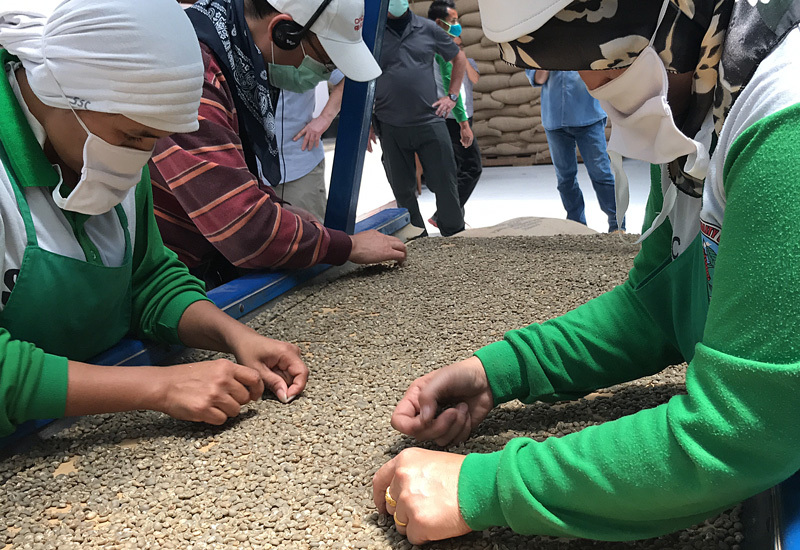
PWN (Pawani Coffee Company) is a highly representative coffee processor in Indonesia and the trademark holder of Golden Mandheling. The so-called “Golden Mandheling” refers to premium Mandheling coffee beans that have undergone four rounds of rigorous manual sorting to remove defective beans, retaining only those with uniform size, intact appearance, and pure flavor. This processing method significantly enhances the coffee’s clarity and sweetness, making it a universally acknowledged representation of top-tier Mandheling.
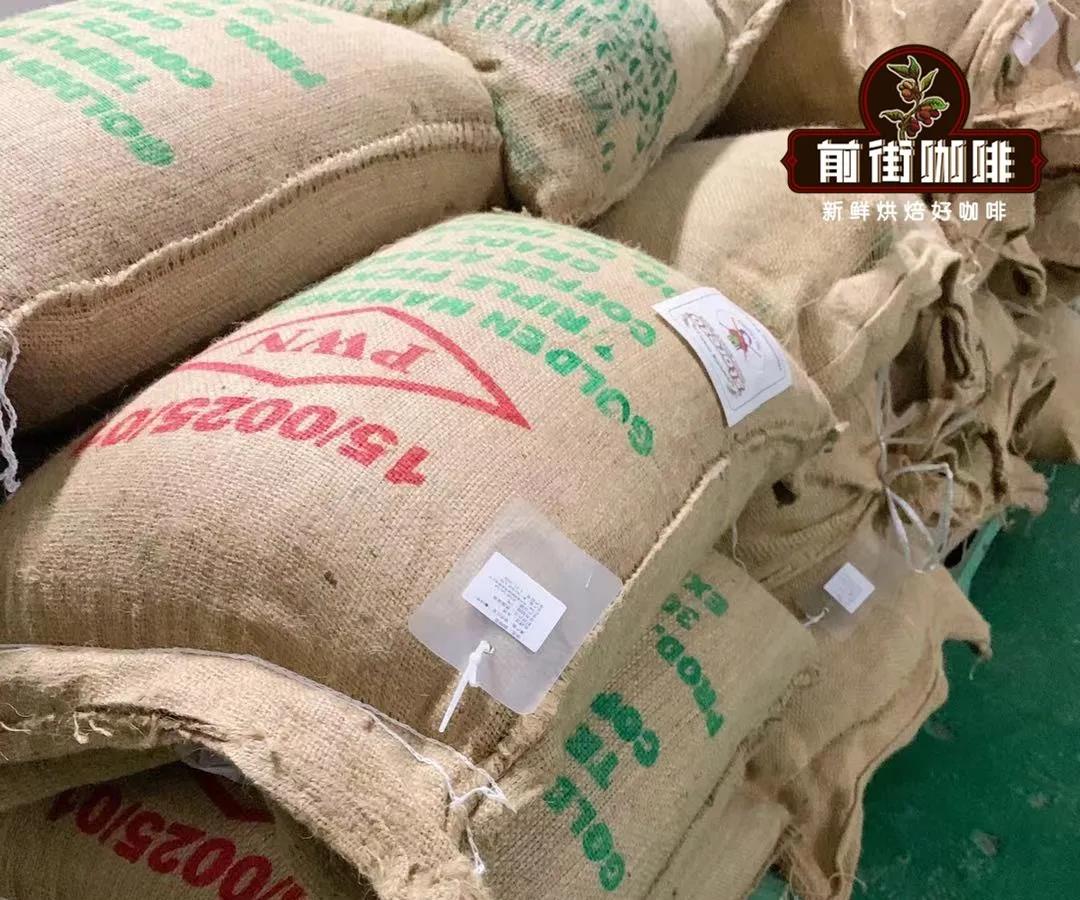
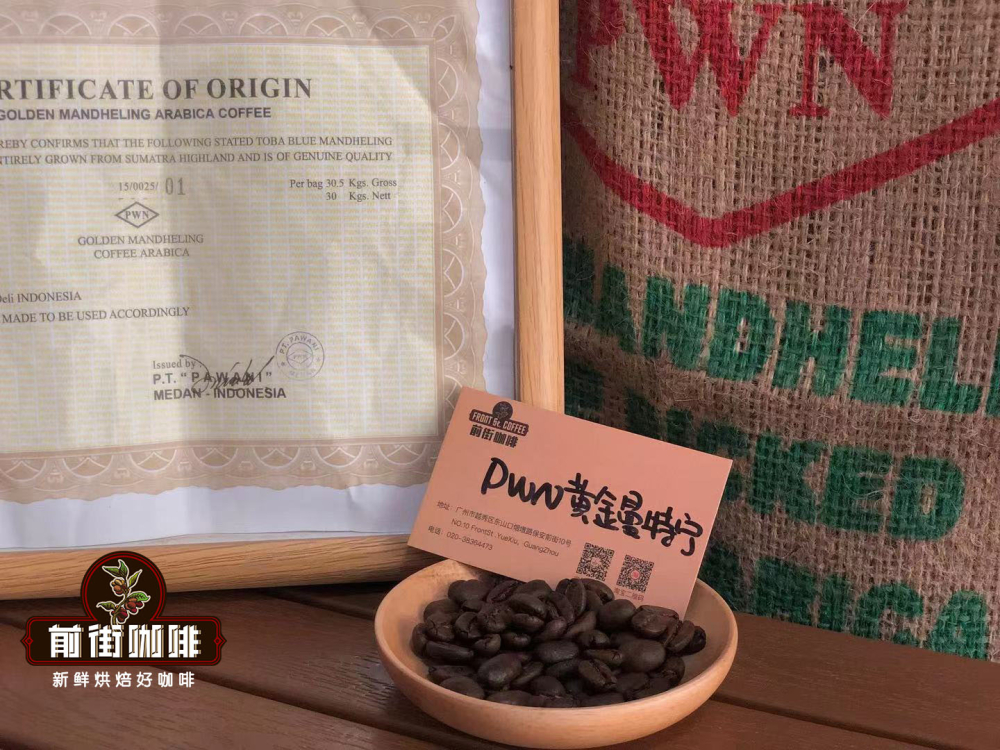
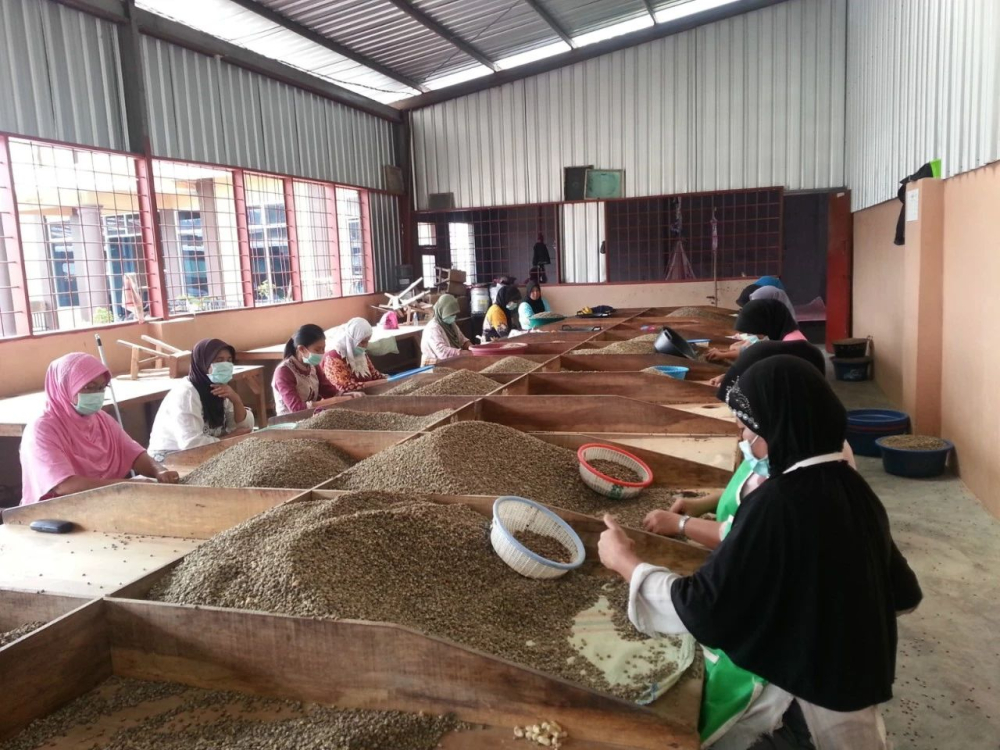
Many products on the market claim to be “Golden Mandheling,” but unless they come through official PWN channels, they may just be ordinary Mandheling beans subjected to similar selection processes—essentially imitations. When purchasing, consumers are advised to ask sellers for proof of origin or relevant PWN authorization documents to ensure they are buying genuine products.
Lintong Mandheling and Ateng Variety Characteristics
The Lintong region, located by Lake Toba in northern Sumatra, is one of the classic producing areas of Mandheling coffee, grown at elevations of approximately 1,200 to 1,500 meters. Most of the coffee here is cultivated by smallholder farmers under shaded conditions and processed using the traditional wet-hulling method (Giling Basah), which gives the coffee its bold and layered flavor profile. Lintong Mandheling beans are larger in size and higher in hardness, making them ideal for beginners exploring the flavors of Mandheling.
In addition, many Mandheling coffee beans are actually of the Ateng variety—a hybrid resulting from crossing the Timor variety of Robusta with the Caturra variant of Bourbon. Locally in Indonesia, it is referred to as Ateng. Though it is not a traditional pure Arabica variety, its strong disease resistance and stable yield have made it a mainstay planting variety in many Indonesian regions. Especially when managed properly with adequate fertilization and shading, it can also demonstrate commendable flavor potential.
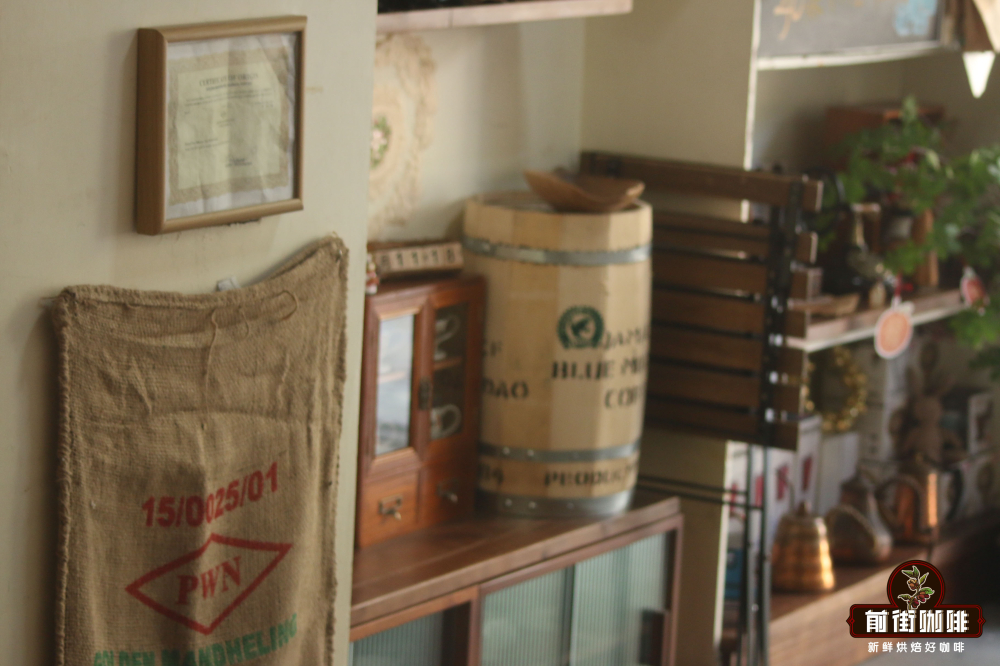
Mandheling Processing Method: The Unique Charm of Wet-Hulling
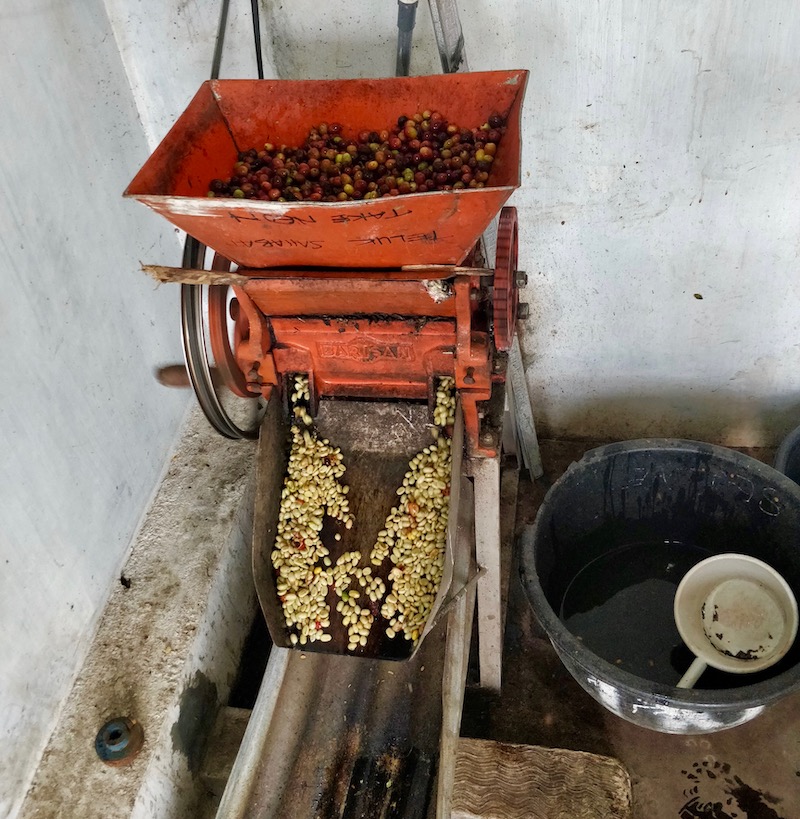
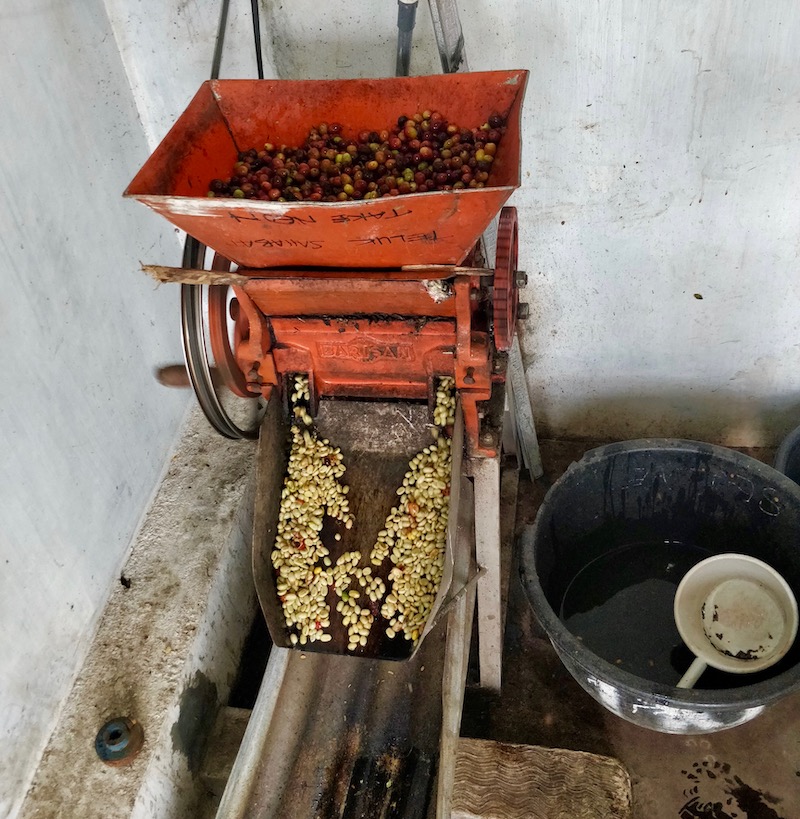
One of the most distinctive features of Mandheling is its use of the “wet-hulling (Wet Hulling)” method, locally called Giling Basah. This process differs significantly from the common washed method: after removing the fruit skin and pulp, the beans are dried briefly with their parchment layer until the moisture content drops to 20–24%, then the parchment is removed, and drying continues until the moisture level reaches 12–13% before export. This method gives Mandheling its bold, rich, and uniquely characterful flavor, often featuring layers of earthiness, herbs, and dark chocolate.
Mandheling Flavor and Brewing Recommendations
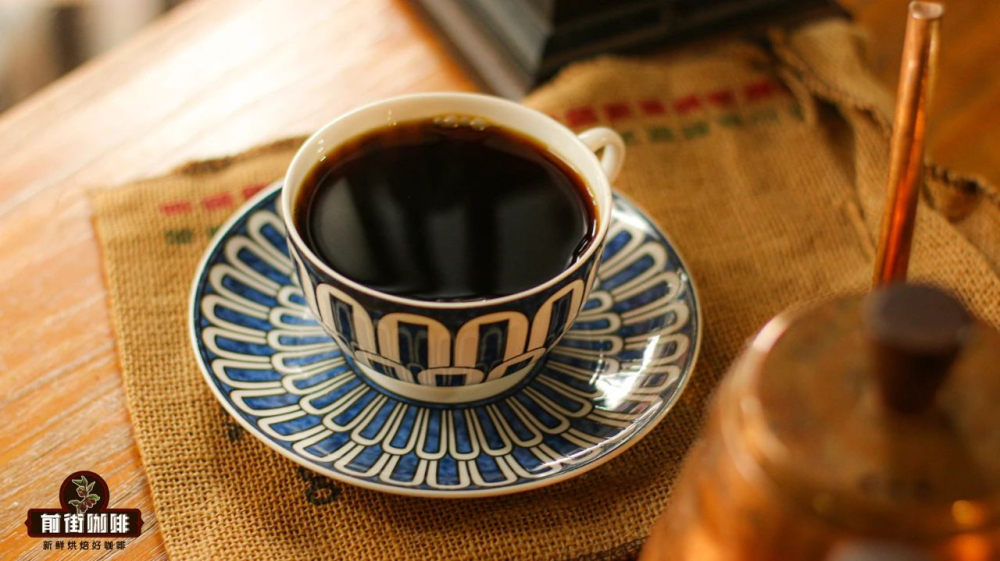
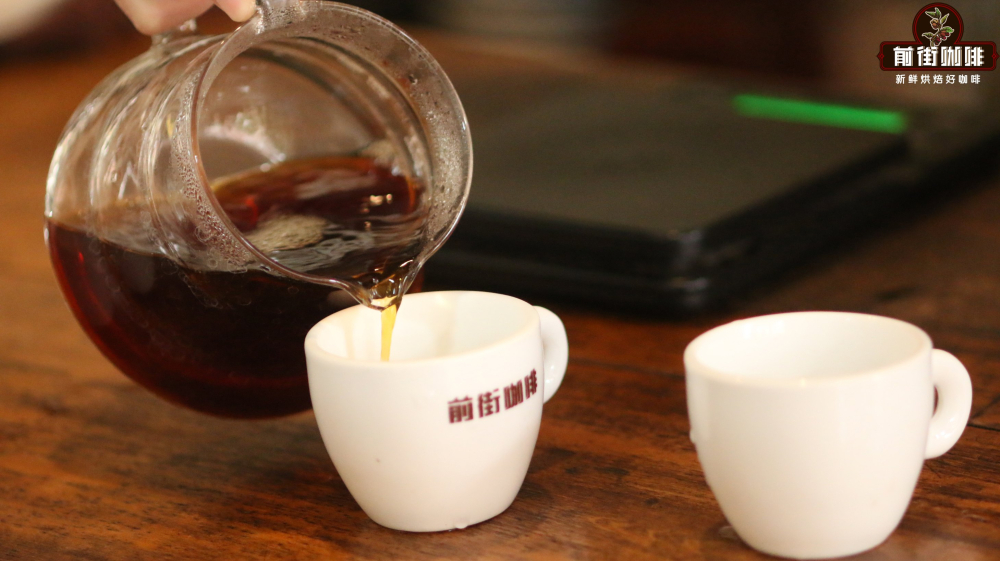
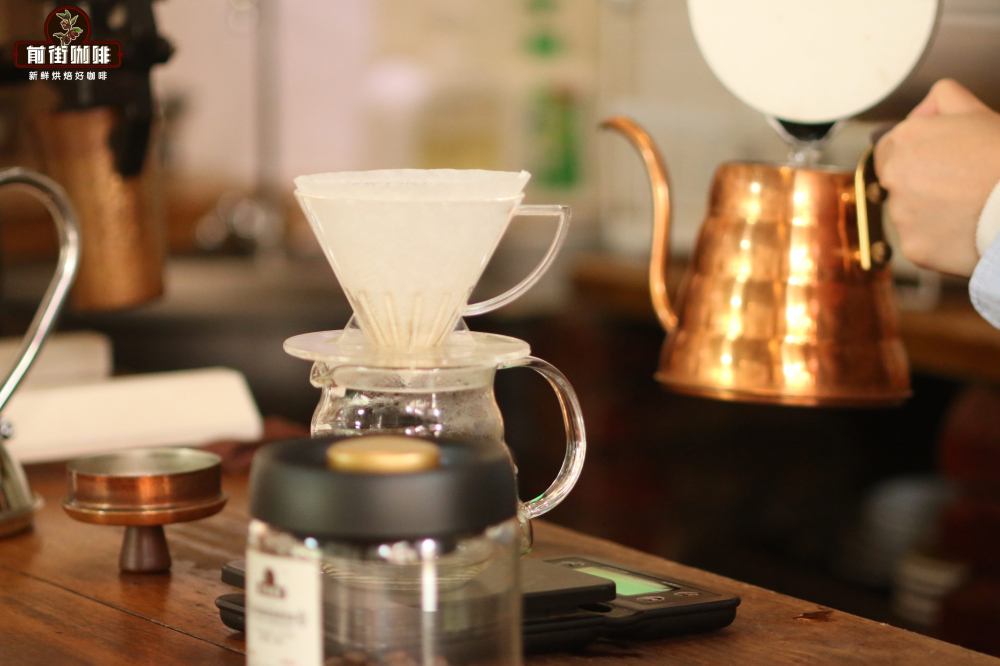
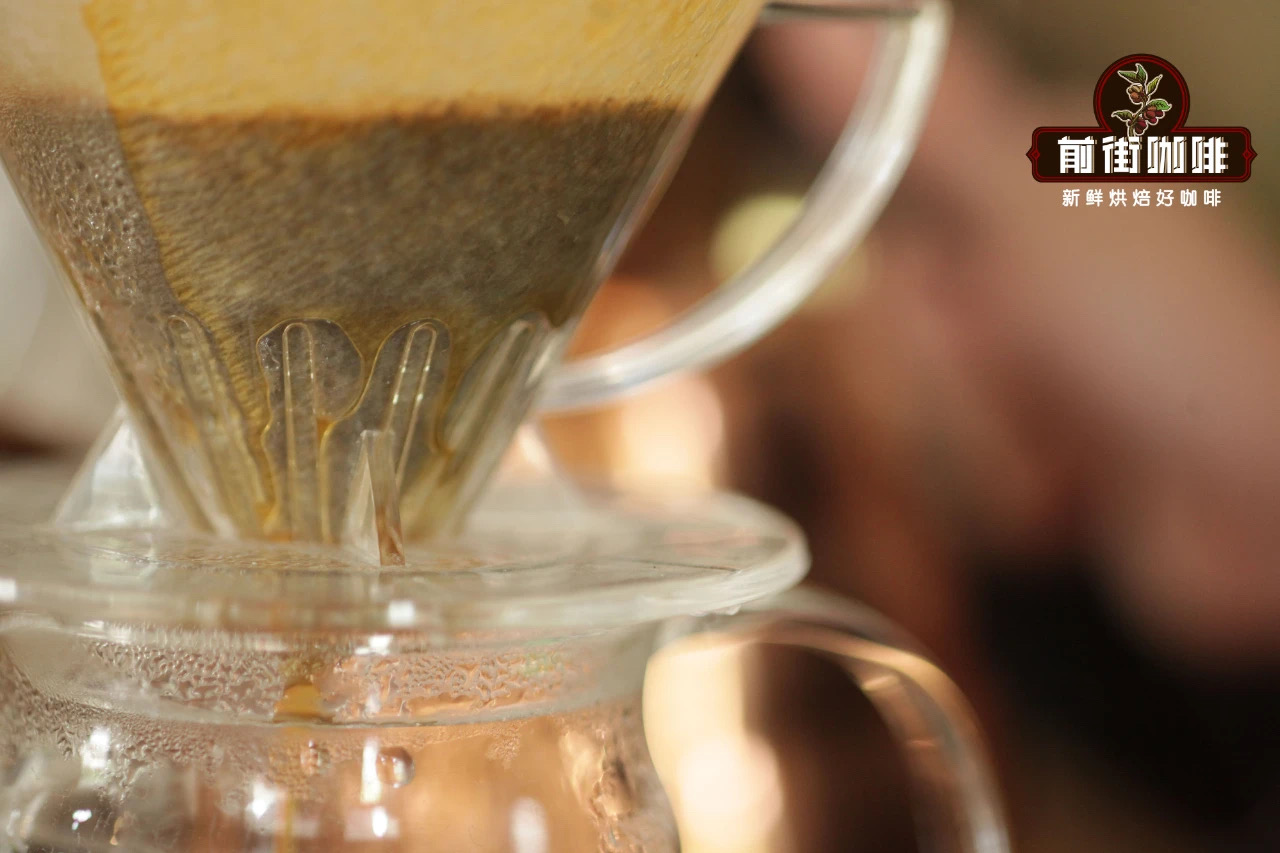
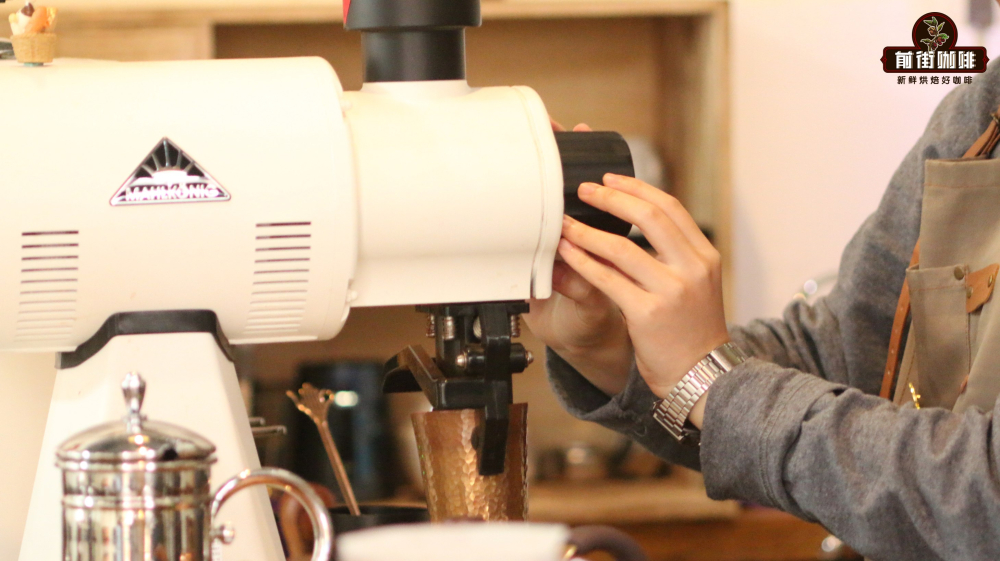
Mandheling coffee typically exhibits a rich, smooth, low-acid flavor profile with subtle sweetness. Even when kept warm for extended periods or brewed as iced coffee, it rarely develops unpleasant sourness. Golden Mandheling, due to stricter selection criteria, offers an even cleaner taste with more pronounced sweetness. For brewing, it is recommended to use a KONO filter, set the grind size to approximately 70% passing through a Chinese No. 20 sieve, and control the water temperature around 88°C, using medium-light to medium-dark roast levels to achieve the best results.
In summary, whether you are a beginner just stepping into the world of coffee or a seasoned enthusiast seeking classic flavors, Sumatra Mandheling is well worth a try. By understanding its regional background, processing techniques, and grading systems, you’ll be able to appreciate the unique charm of this classic coffee more deeply.
The above content is compiled by CoffeeHunters, a coffee news website.


