







Introduction:Indonesian Sumatran Mandheling coffee is renowned for its full-bodied, rich flavor and low acidity, making it a favorite among coffee enthusiasts. This article delves into how to bring out the spice, nutty, and caramel notes of Mandheling through various brewing methods such as pour over, siphon, French press, and AeroPress. It also provides recommended grind sizes, water temperatures, brew ratios, and detailed techniques for each brewing device—helping you easily master the brewing essentials of this classic dark roast bean.
As one of the representatives of dark roast coffee, Mandheling stands out with its intense, rich taste and low acidity, making it a go-to daily choice for many coffee connoisseurs. Compared to today’s mainstream bright, high-acid light roasts, Mandheling offers a stable and layered flavor profile that remains enjoyable even with frequent consumption.
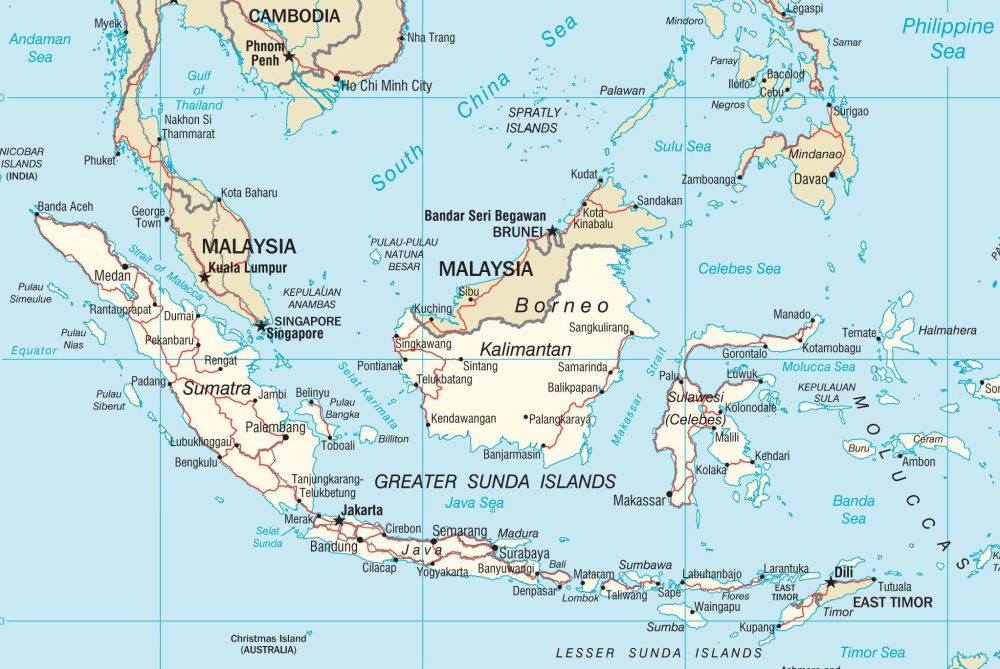
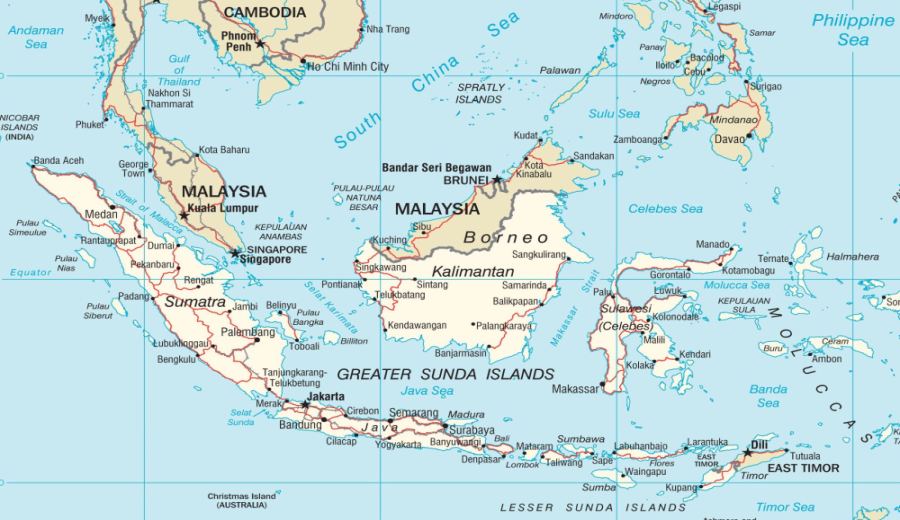
The so-called "Mandheling" specifically refers to Arabica coffee grown on the island of Sumatra in Indonesia. Among these, the Sidikalang region around Lake Toba and the Gayo Highlands in Aceh Province are key areas for premium Mandheling production. The unique high-altitude and volcanic soil conditions in these regions impart distinctive spicy and herbal characteristics to the coffee.
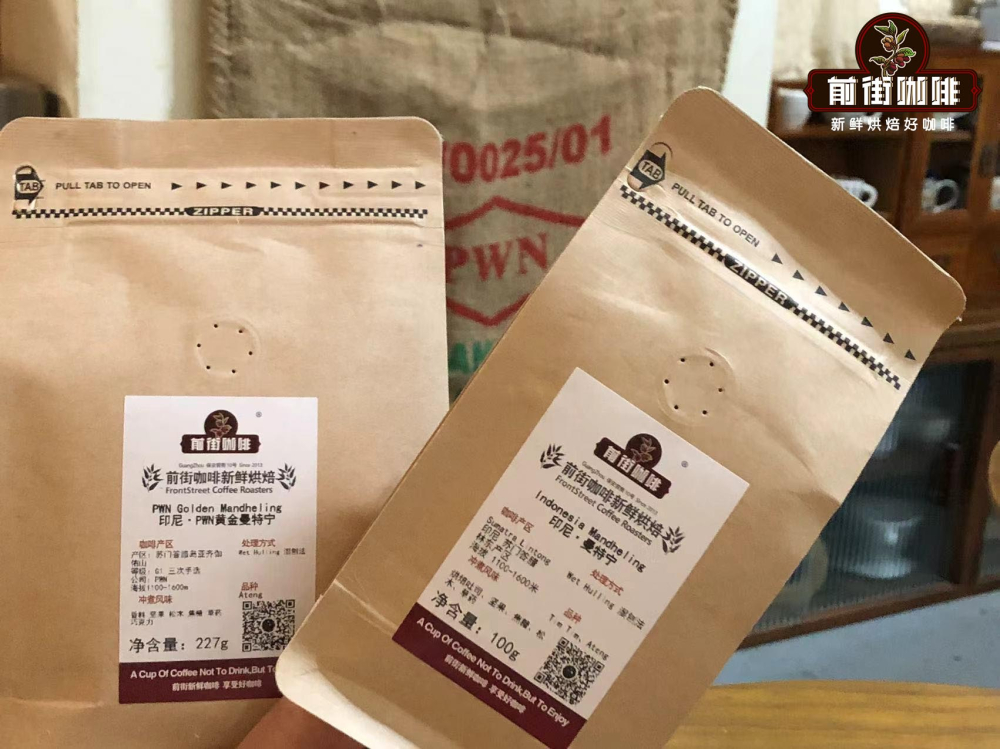
Common premium-grade Mandheling coffees, such as those from the Sidikalang area, often exhibit aromas of toasted bread, nuts, caramel, and pine, accompanied by subtle herbal notes. Meanwhile, renowned beans like PWN Golden Mandheling feature spices, nuts, dark chocolate, and caramel as their core, with herbal and pine notes serving as complementary accents. These flavor profiles are inseparable from the microclimates of their producing regions and refined processing methods.
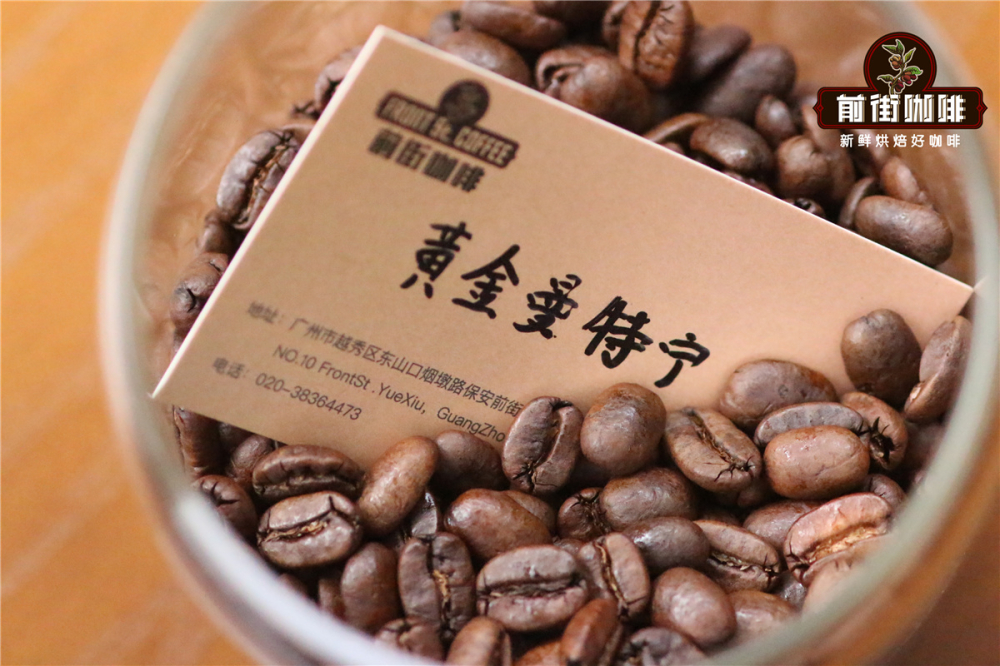
To balance the bold and rich taste of Mandheling while maintaining a certain level of cleanliness and sweetness, these coffee beans are usually roasted to a medium-dark level, just before the start of the second crack. This roast level not only enhances flavor intensity but also helps highlight its inherent low acidity and balanced bitterness-sweetness. In addition, to ensure optimal extraction performance, these beans are shipped within five days after roasting to maintain freshness and vibrancy.
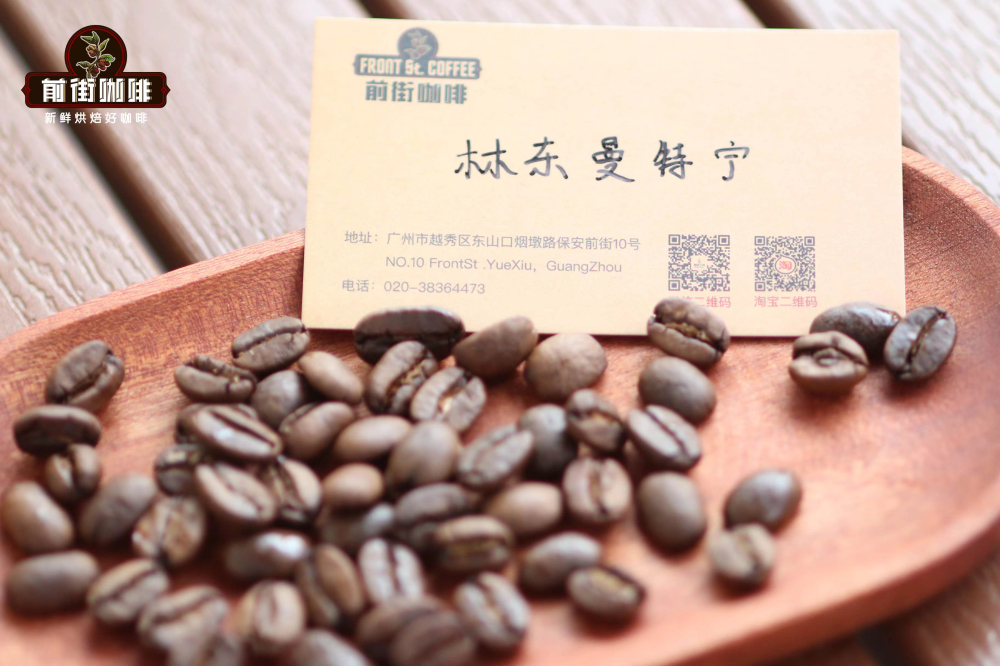
Due to the looser structure of medium-dark roasted beans, their internal compounds are more readily released. Therefore, whether using pour over, siphon, or other methods, it is recommended to use a medium-coarse to coarse grind size to avoid over-extraction that could lead to bitterness. Below, specific parameter suggestions and brewing steps are provided for different brewing devices to help you fully extract the multi-layered flavors of Mandheling.
[Pour Over Mandheling Parameters & Steps]
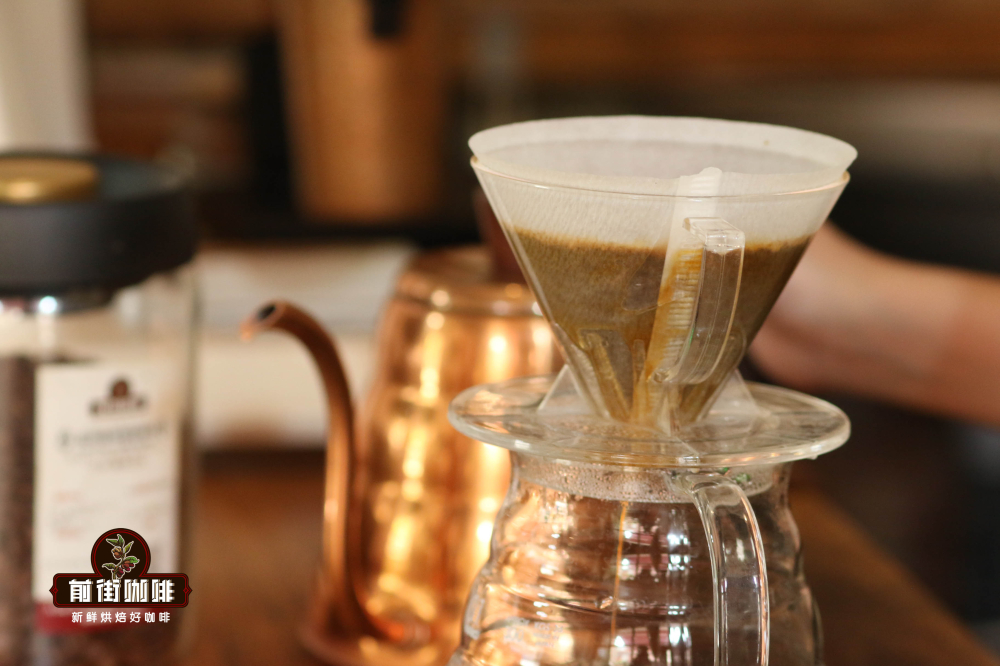
Recommended equipment: KONO short-ribbed filter cone
Water temperature: 88°C
Grind size: Medium-coarse (approximately 70% extraction rate through a Chinese No. 20 standard sieve)
Coffee dose: 15 grams
Brew ratio: 1:15
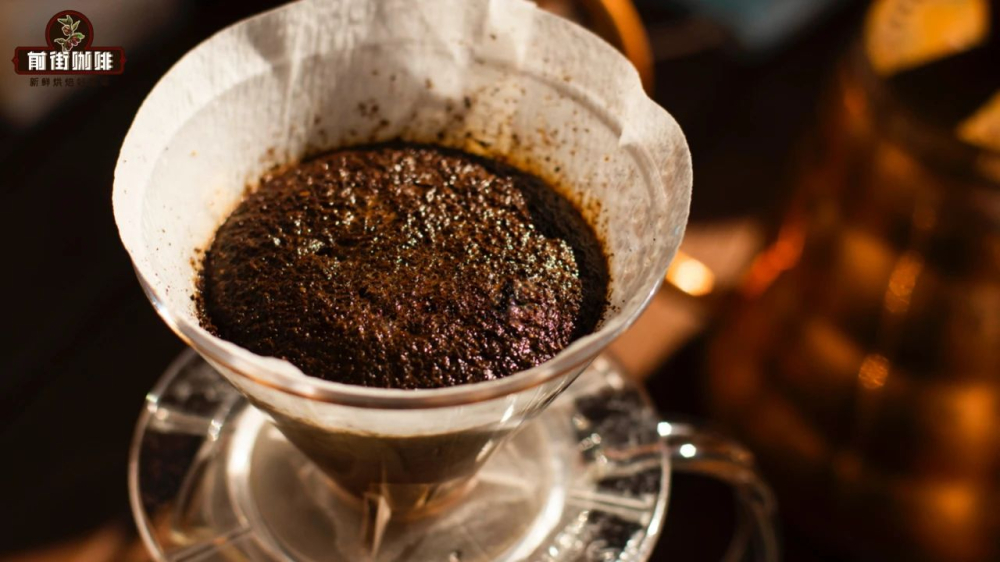
For pour over, it is recommended to use a pulse pouring method: start with a bloom using twice the amount of hot water (about 30 grams) over the coffee grounds for about 30 seconds to allow full expansion. Then, pour water in small streams in a circular motion from the inside out. When the total water volume reaches 125 grams, pause and wait until the water level drops to the middle of the filter cone before continuing to pour up to 225 grams. The final brew should take about 2 minutes. Be sure to control the water flow steadily to avoid affecting flavor balance due to pouring too quickly or too slowly.
[French Press Mandheling Parameters & Steps]
Equipment: French press
Water temperature: 88°C
Grind size: Coarse (approximately 60% extraction rate through a No. 20 sieve)
Coffee dose: 15 grams
Brew ratio: 1:15
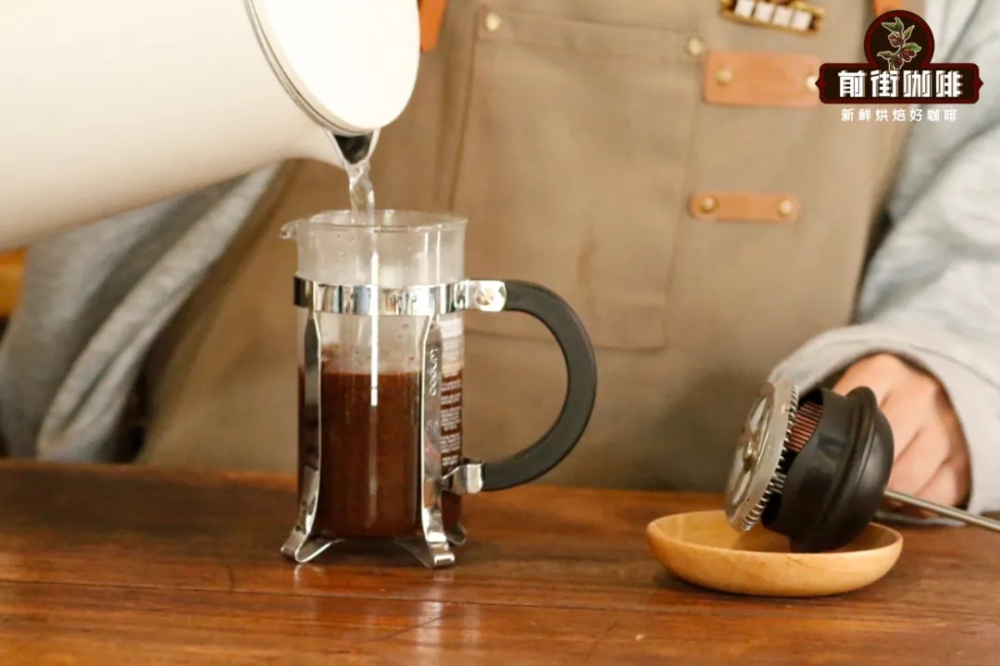
After placing the ground coffee into the French press, pour approximately 225 milliliters of hot water directly. It is recommended to pour at a slightly faster speed (within about 3 seconds) to help agitate the coffee grounds and enhance extraction efficiency. Once pouring is complete, gently place the filter screen and cover with the lid. Let it steep for about 4 minutes. Finally, slowly and evenly press down the plunger—ideally only to about a quarter of the way down the press—to avoid pushing fine particles up and affecting the mouthfeel.
[AeroPress Brewing Recommendation]
Equipment: AeroPress
Water temperature: 85°C
Grind size: Medium (approximately 75% extraction rate through a No. 20 sieve)
Coffee dose: 20 grams
Brew ratio: 1:17
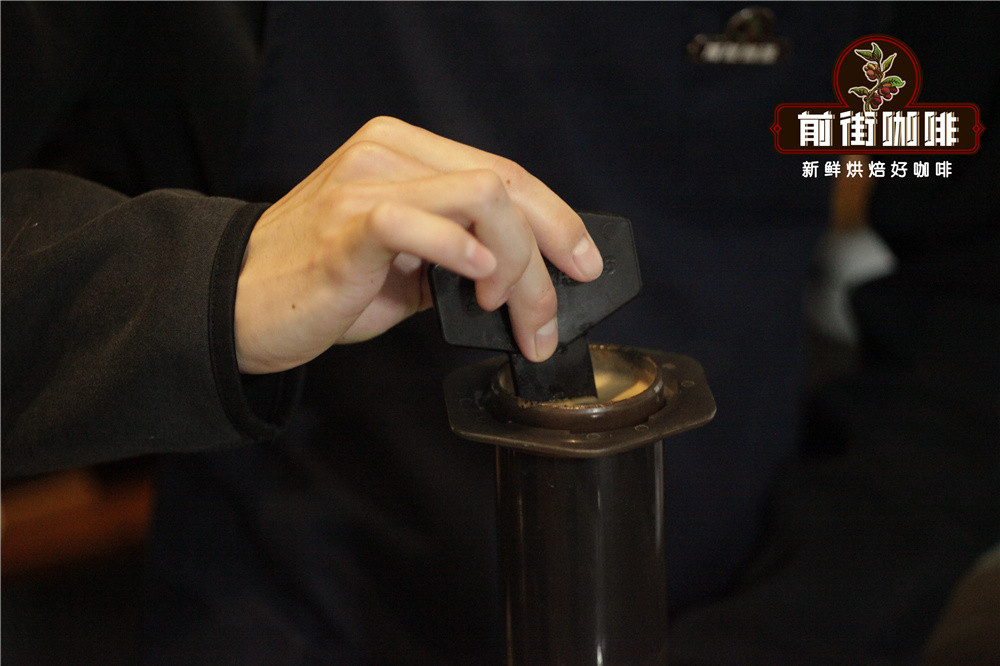
Brewing process: First, pour 100 grams of hot water, stir gently 3 to 5 times to fully saturate the coffee grounds, then let it sit for 20 seconds. Next, add the remaining 140 grams of hot water for a total of 240 grams. After another 40 seconds, stir gently for 5 seconds. When the total extraction time reaches 1 minute and 50 seconds, attach the filter cap and slowly press down. The entire process should be controlled to around 2 minutes and 5 seconds to achieve a balanced and layered flavor.
[Siphon Brewing Technique]
Equipment: Siphon (vacuum) pot
Grind size: Medium-coarse (approximately 60% extraction rate through a No. 20 sieve)
Coffee dose: 18 grams
Brew ratio: 1:10
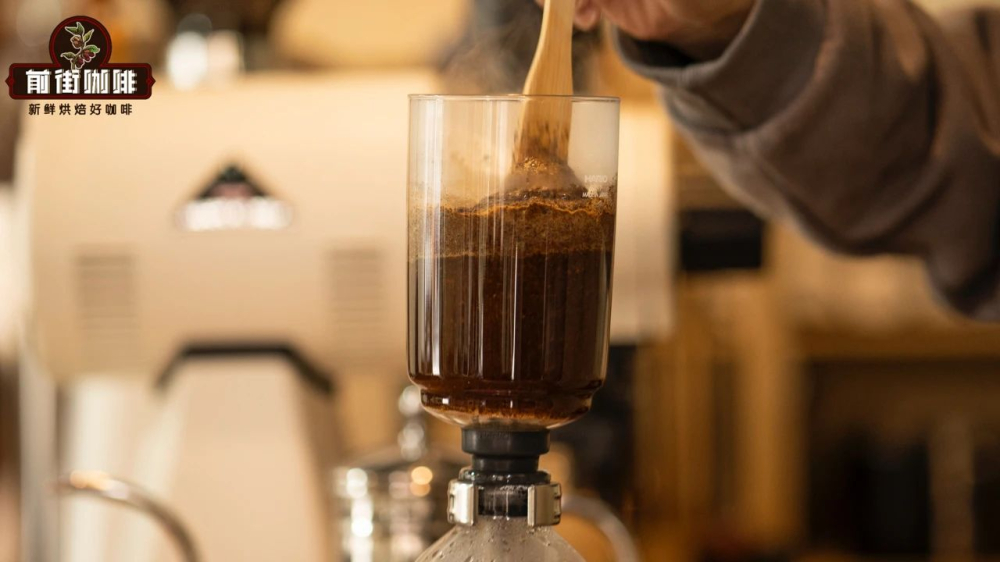
Operation instructions: When the lower chamber reaches 90°C, securely attach the upper chamber. Once the upper chamber also reaches 90°C, quickly add the coffee grounds and stir in a crisscross pattern about 4 times to ensure even contact between coffee and water. Let it steep for about 1 minute, then remove the heat source and wipe the outer wall of the lower chamber with a dry cloth to accelerate the return of the brewed coffee. The entire process takes about 1 minute and 20 seconds, fully highlighting the richness and aromatic layers of Mandheling.
The above content is compiled by CoffeeHunters, a coffee news website.


