







Introduction:As one of Ethiopia’s most iconic coffee-growing regions, Yirgacheffe is renowned for its distinctive floral aromas and vibrant fruity acidity, making it a top choice for many beginners stepping into the world of specialty coffee. This article will delve into the classic flavor characteristics of Yirgacheffe, covering everything from basic washed processing to advanced natural sun-dried methods, and even single-origin espresso beans. We’ll introduce the unique features of each bean type, recommend suitable brewing methods, and provide practical tasting tips and parameter references to help you find your own favorite Yirgacheffe flavor.
When it comes to Yirgacheffe in Ethiopia, many coffee enthusiasts immediately think of its refreshing floral notes and bright acidity. This highland region in southern Ethiopia is not only one of the important birthplaces of coffee but also, thanks to its unique processing methods and microclimates, produces beans with rich flavor layers, lively acidity, and a pleasant sweetness—making it a popular starting point for many pour-over enthusiasts.
Why has Yirgacheffe stood out among so many coffee origins? Looking back at the history of coffee drinking, in an era when dark roasts dominated, most people encountered coffee flavors that were primarily bitter and astringent. Yirgacheffe, however, with its medium-to-light roasting approach, fully preserves the bean’s inherent characteristics, presenting floral and fruit-tea-like aromas, citrus tones, and gentle acidity—completely changing the public’s preconceived notions about coffee and paving the way for today’s fruit-acid forward coffee styles.
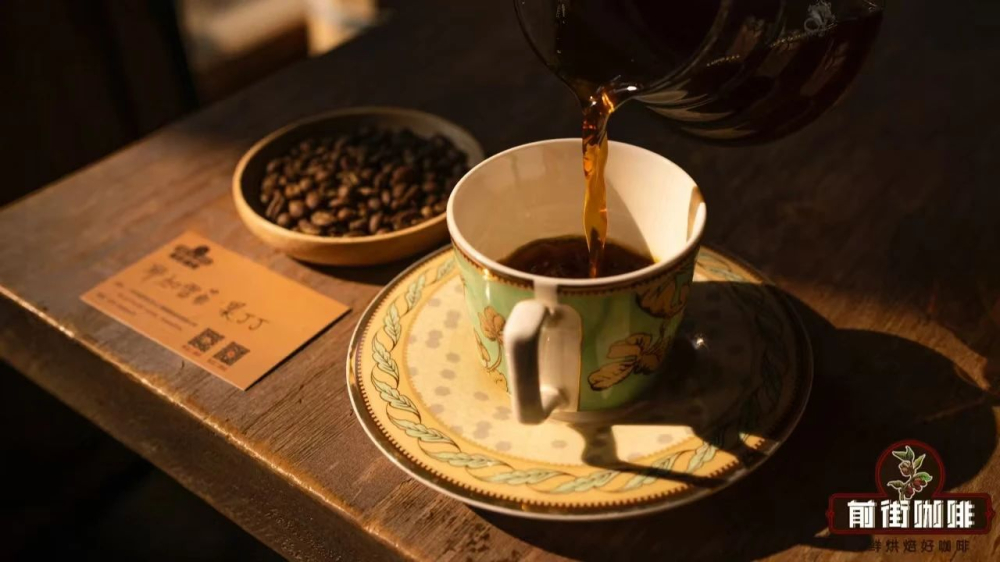
The typical flavor profile of Yirgacheffe often features prominent white floral notes, such as jasmine or freesia, paired with fresh citrus acidity like lemon and orange. Some batches may also reveal a honey-like mild sweetness and a light tea-like finish. The overall cup is well-balanced and layered, with almost no noticeable bitterness, making it ideal for savoring through pour-over brewing.
For those just beginning their coffee journey, Yirgacheffe is undoubtedly an excellent entry point. It not only helps you develop a basic perception of flavors—such as acidity, sweetness, aroma, and body—but also allows you to familiarize yourself with how fundamental parameters like water temperature, grind size, and brewing time affect flavor through hands-on extraction. Beginners are advised to start with a cost-effective, entry-level washed Yirgacheffe, which offers a classic flavor experience within a reasonable budget while helping you build pour-over and tasting skills.
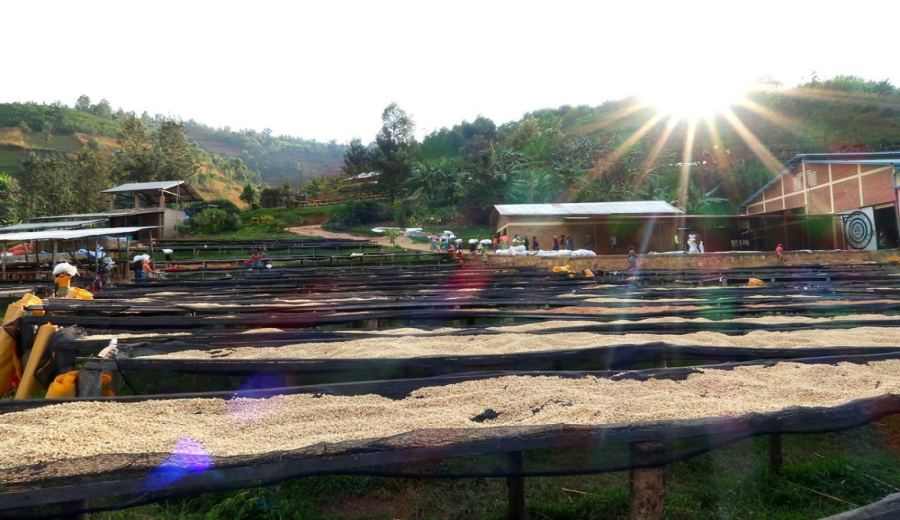
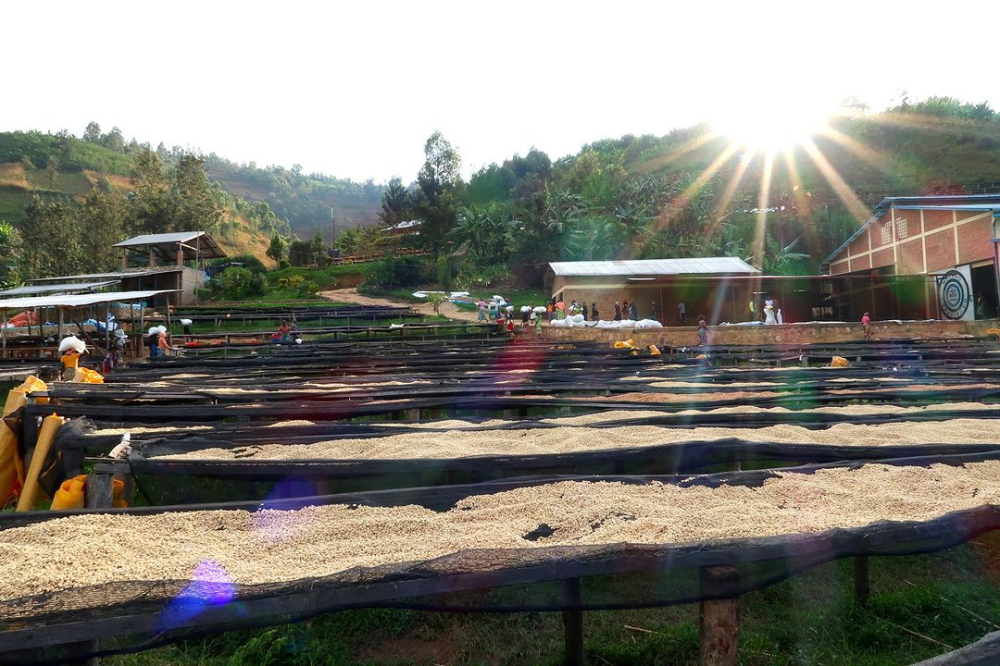
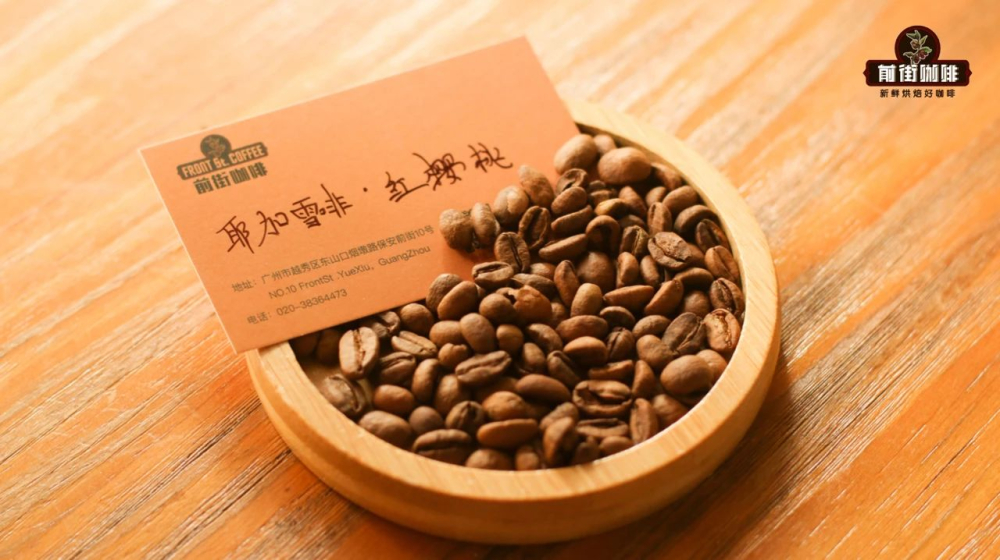
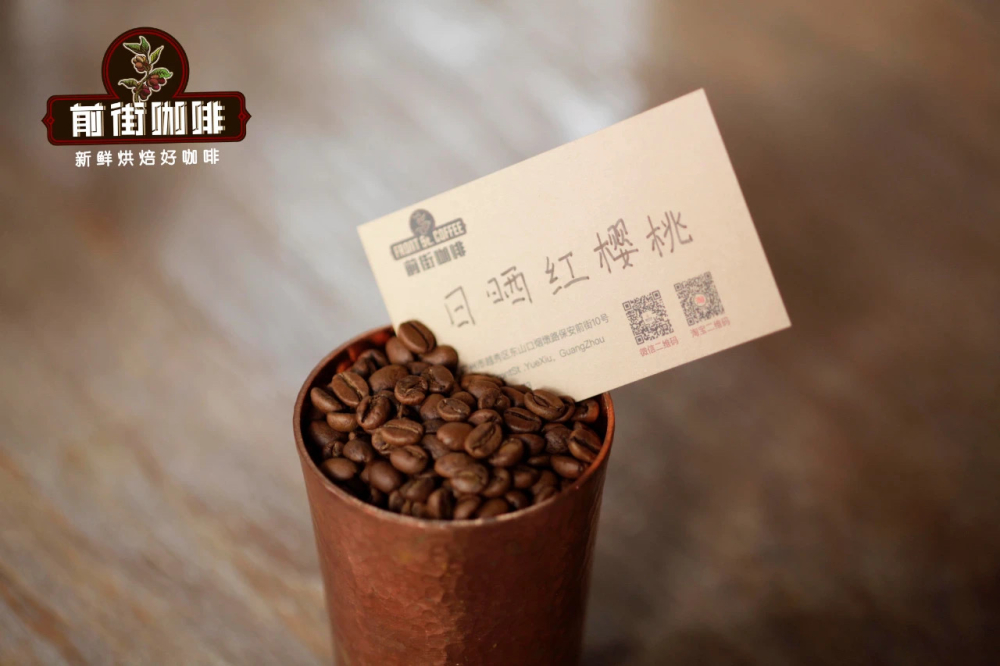
If you’re already comfortable with basic pour-over techniques, consider advancing to more sophisticated Yirgacheffe profiles. For example, the naturally processed “Red Cherry” series employs whole coffee cherries and extended sun-drying, allowing the sugars in the fruit pulp and mucilage to fully develop. This results in more intense berry, citrus, and apricot-like tropical fruit flavors, accompanied by subtle fermentation notes, a fuller mouthfeel, and pronounced sweetness. This option is ideal for coffee enthusiasts who enjoy mature fruit aromas and complex flavor layers.
Another classic advanced choice is the washed “Guji Dingding” beans. Through meticulous washed processing, impurities and potential off-fermentations are removed, enhancing the coffee’s bright citrus tones and elegant white floral notes, along with hints of berry and oolong tea undertones. The flavor is vibrant and refined, representing one of the finest examples of Ethiopian washed coffee craftsmanship.
For coffee lovers seeking an even higher level of flavor expression, you can challenge yourself with a single-origin espresso (SOE) version of Yirgacheffe. These beans are typically made from fully ripe, sun-dried red cherries selected for espresso roasting, highlighting rich berry, cream, citrus, and black tea aromas. They’re not only perfect for making Americanos but also serve as an excellent base for flat whites and lattes, offering you a brand-new experience of espresso flavor complexity.
The above content is compiled by CoffeeHunters, a coffee news website.


