







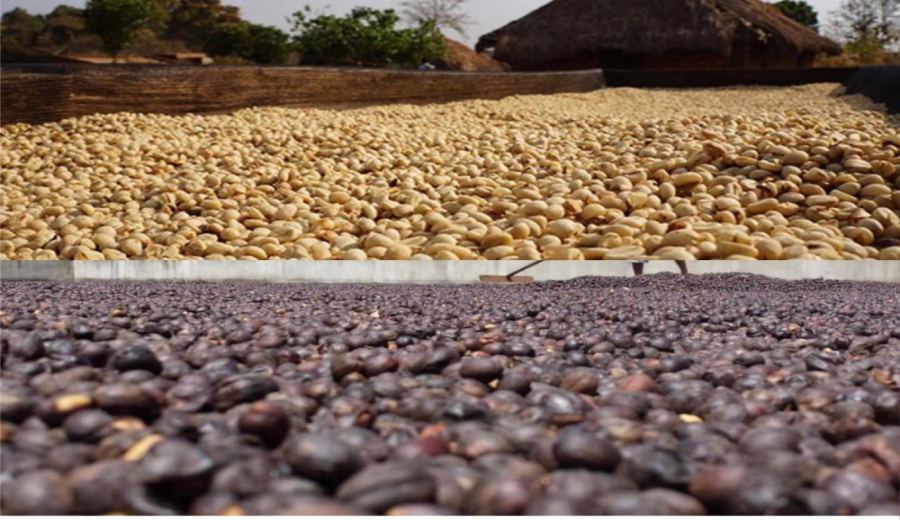
Introduction:For those who are just stepping into the world of pour over coffee, choosing the right coffee beans is a crucial first step. Yirgacheffe, a renowned specialty coffee region in Ethiopia, is famed for its unique floral and fruity aromas as well as bright acidity—making it especially suitable for beginners to explore layers of flavor. This article takes an in-depth look at the charm of single-origin Yirgacheffe beans, covering everything from the growing environment to variations in processing methods, and analyzing their dry aroma, wet aroma, and cupping notes to help you find your own delicious entry point.
When it comes to specialty coffee, almost no one is unfamiliar with the poetic name Yirgacheffe. This well-known producing area located in southern Ethiopia is widely loved for its coffee beans that boast rich floral and fruity scents. Especially for those just beginning their pour over coffee journey, the clean mouthfeel and vibrant acidity of Yirgacheffe beans make it a very beginner-friendly choice.
Although Yirgacheffe is often referred to as a general place name, it is actually a small town within Ethiopia’s Sidamo region, nestled in mountainous areas at elevations of approximately 1,700 to 2,100 meters, with most coffee trees planted even higher, above 1,800 meters. This high-altitude environment gives the coffee beans more pronounced acidity and aroma profiles.
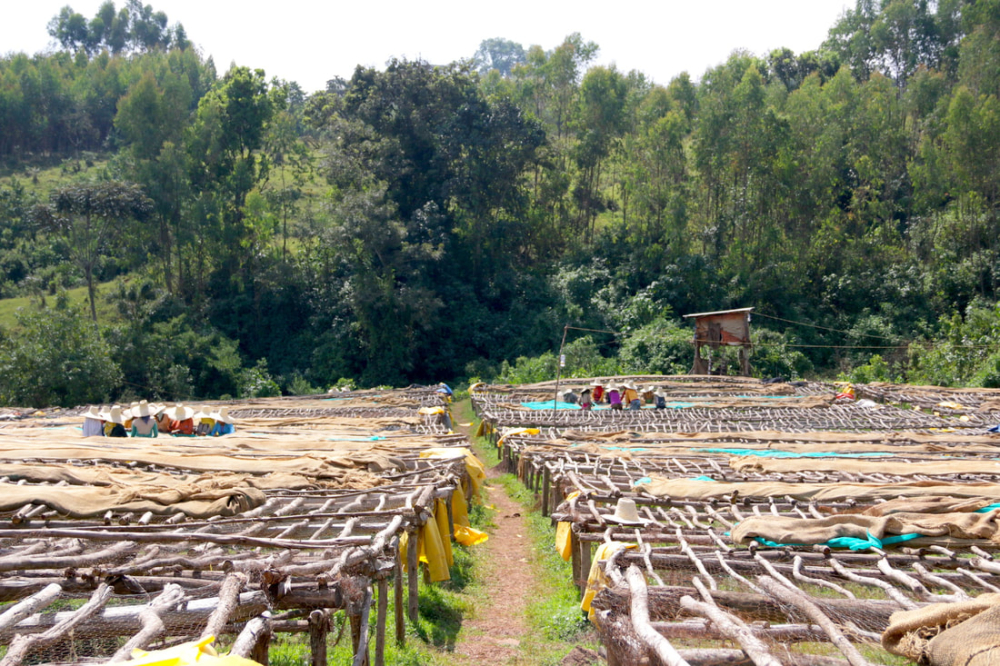
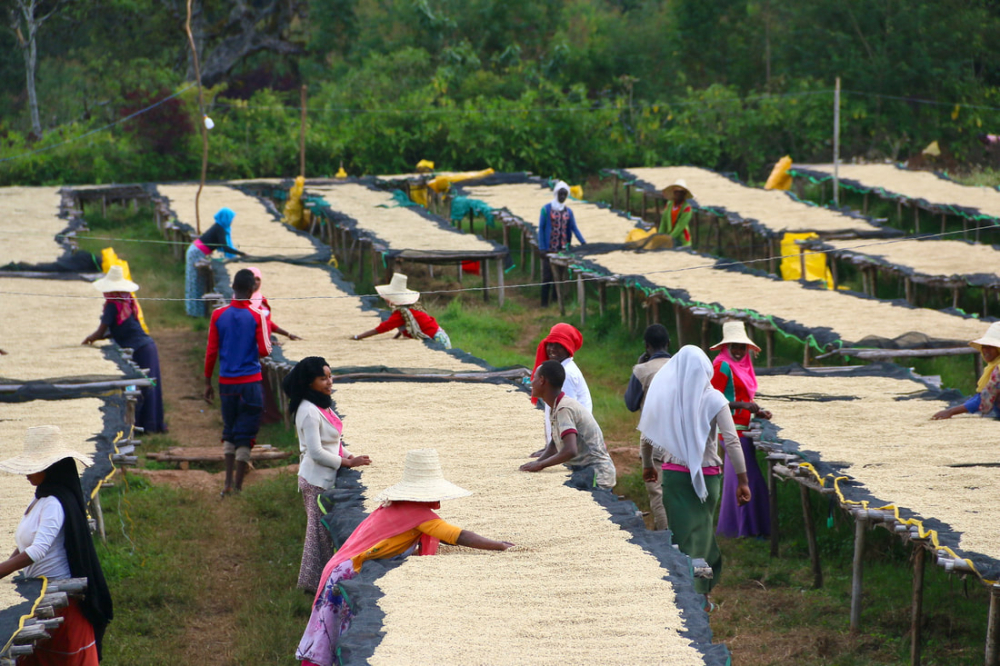
This region consists of numerous smallholder coffee farms and cooperatives scattered across the mountains, characterized by year-round fog, mild climate, cool summers with balanced humidity, and winters that are not overly harsh—creating the distinctive regional character of Yirgacheffe coffee: an unforgettable blend of citrusy freshness and delicate floral notes.
Yirgacheffe coffee often emits bright citrus and berry aromas in its dry scent, with some batches even carrying the refreshing scent of white flowers. The wet aroma released after grinding or during the early stages of brewing is honey-sweet, infused with a rich juiciness, presenting an overall light and lively profile with a delicate and long-lasting aftertaste. This “clean and bright” mouthfeel is one of the reasons many coffee beginners fall in love at first try.

The processing method has a significant impact on the flavor direction of Yirgacheffe. The traditional natural (sun-dried) process—where the entire coffee cherry is dried directly—can enhance the sweetness and body of the coffee, along with fermentation-like aromas, sometimes accompanied by a tea-like finish. For example, classic natural-processed beans often showcase red-cherry-like fruitiness and deep layers of sweetness.
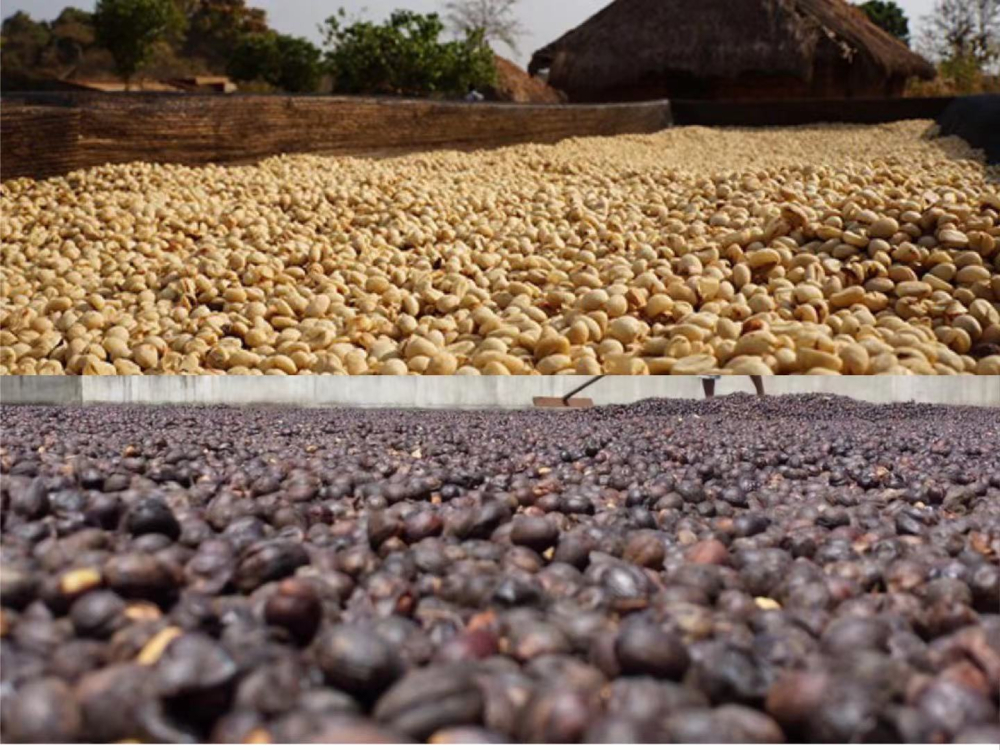
In contrast, the washed process (where the pulp and flesh are first removed, then the mucilage is washed off with water fermentation before sun drying) accentuates the citrus aromas of Yirgacheffe, making the overall flavor cleaner and purer—a great choice for experiencing the regional character of this origin. Washed beans generally exhibit higher acidity clarity and cleanliness, suiting those who prefer a refreshing cup.

Whether you choose Yirgacheffe beans processed naturally or washed, it is recommended to use the pour over method to fully bring out their nuanced flavor layers. The grind size is generally advised to be medium-fine (as fine as medium sugar), with water temperature controlled between 90 to 93°C, and a step brewing approach can more steadily highlight floral, fruity notes, and juice-like mouthfeel. Beginners might want to start with small-batch brews, gradually adjusting parameters to discover the flavor profile that best suits their palate.
The above content is compiled by CoffeeHunters, a coffee news website.


