







Introduction:Looking for beginner-friendly coffee beans? Ethiopia’s Yirgacheffe is renowned for its bright acidity and floral aroma, making it a top choice for many coffee enthusiasts. This article dives deep into the flavor profiles of washed and natural processing methods in this region, offers practical pour over parameters, and recommends high-value everyday beans to help you discover your ideal coffee experience.
For those new to single-origin coffee, selecting a bean that balances value and representativeness is key to getting started. Ethiopia’s Yirgacheffe is just such a classic choice, with its distinctive citrus notes and tea-like layers allowing drinkers to clearly perceive the versatility and complexity of African coffee. Whether you prefer the bright, clean flavors of washed processing or the rich sweetness of natural, this high-altitude region offers diverse options to explore.
Located in southern Ethiopia, Yirgacheffe sits at an average elevation between 1,700 and 2,100 meters, and its exceptional geographical conditions produce beans with delicate flavors. Originally known as a “habitat of wetlands,” it has been one of the regions yielding premium coffee since ancient times. Although it was once part of the Sidamo province, its outstanding flavor profile eventually led to its independence as a focal point for specialty coffee lovers worldwide. It’s worth noting that after administrative boundary adjustments in the late 20th century, Yirgacheffe is now part of the Gedeo zone, but its reputation remains undiminished.
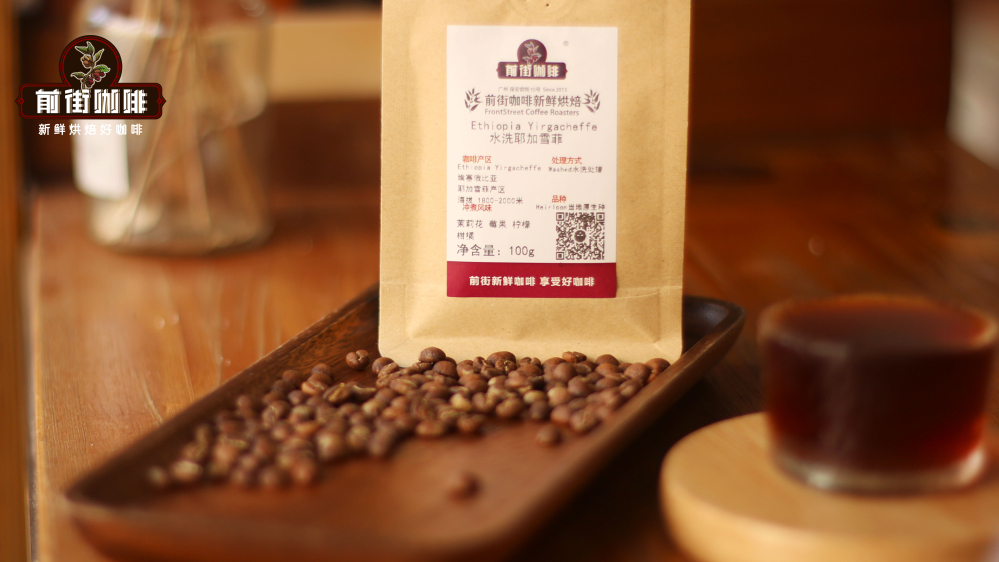
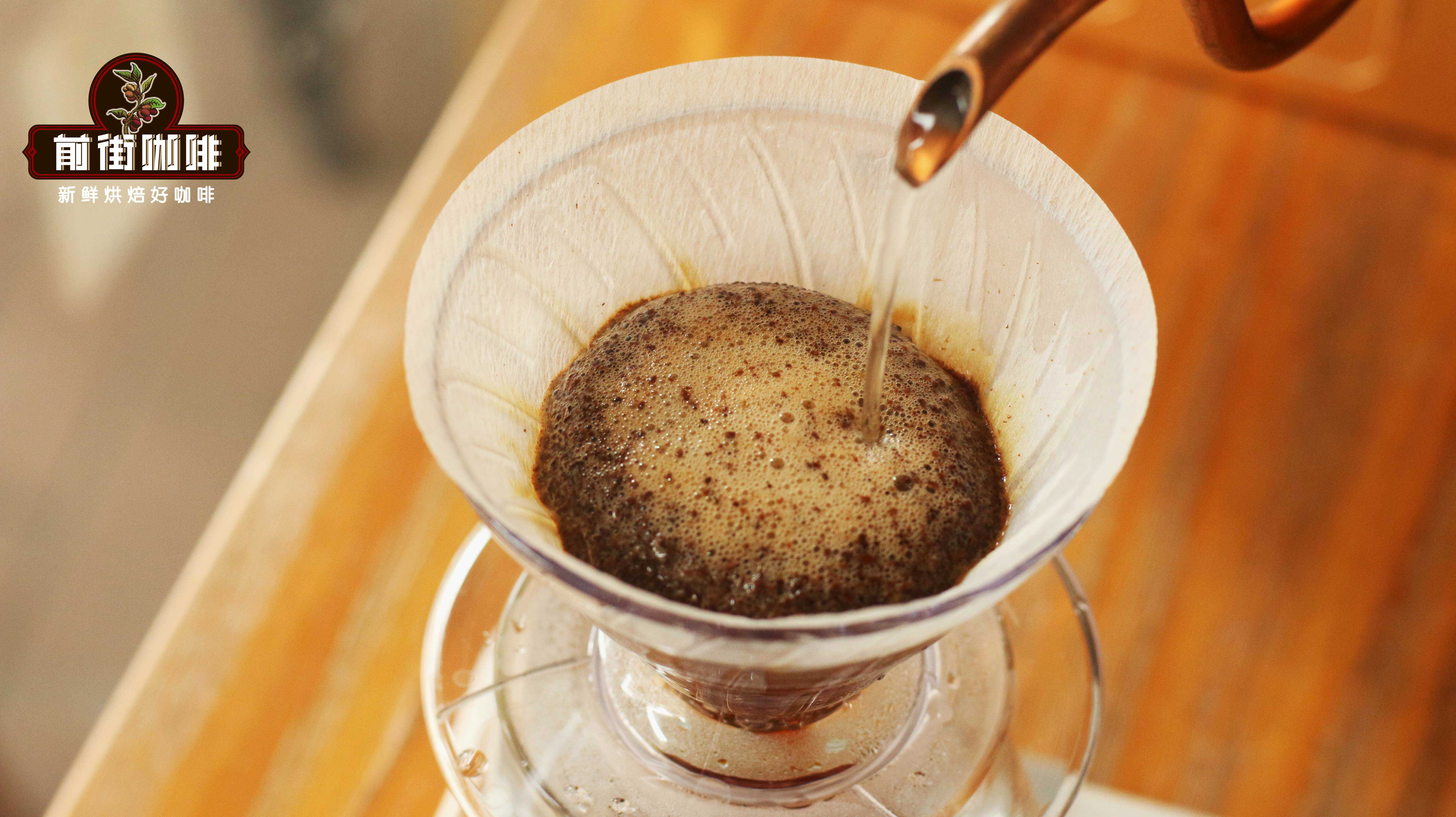
When it comes to Yirgacheffe’s flagship offerings, the washed versions are often the first recommendation. Take, for example, native varieties grown at around 2,300 meters altitude—through meticulous washed processing, they highlight clear lemon and citrus acidity paired with soft honey sweetness and subtle berry notes in the finish. These beans typically suit medium-light roasts, and for pour over, it’s recommended to use water at 90–92°C, a grind size slightly coarser than fine sugar, and a coffee-to-water ratio of 1:15 to 1:16, effectively bringing out a layered flavor profile.
Delving into the region’s history, Yirgacheffe was originally just a sub-region of Sidamo. Due to its unique altitude and microclimate, it gradually developed distinct processing techniques and flavor characteristics. With the rise of the specialty coffee concept, these beans with pronounced regional traits are no longer seen as mere offshoots of a single region, but have gained international market recognition as an independent origin. Today, Yirgacheffe has become a symbol of Africa’s coffee flavor diversity, attracting countless enthusiasts to explore.

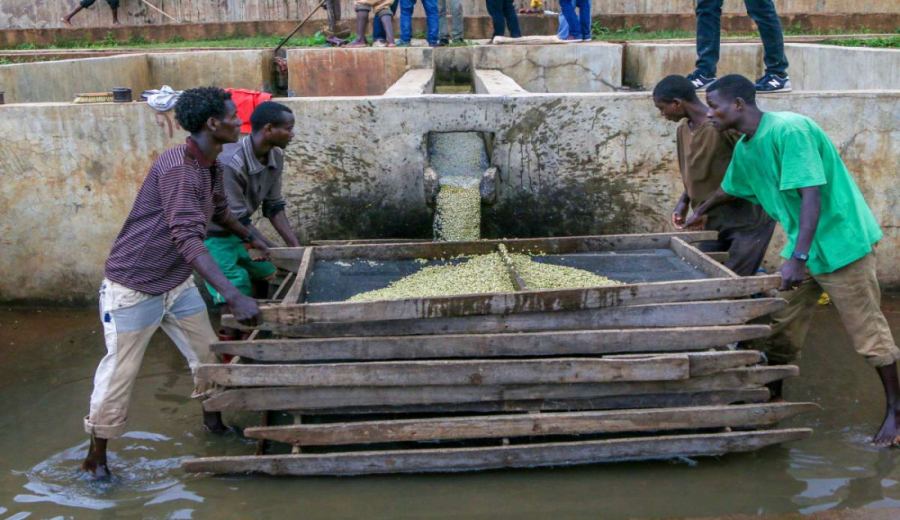
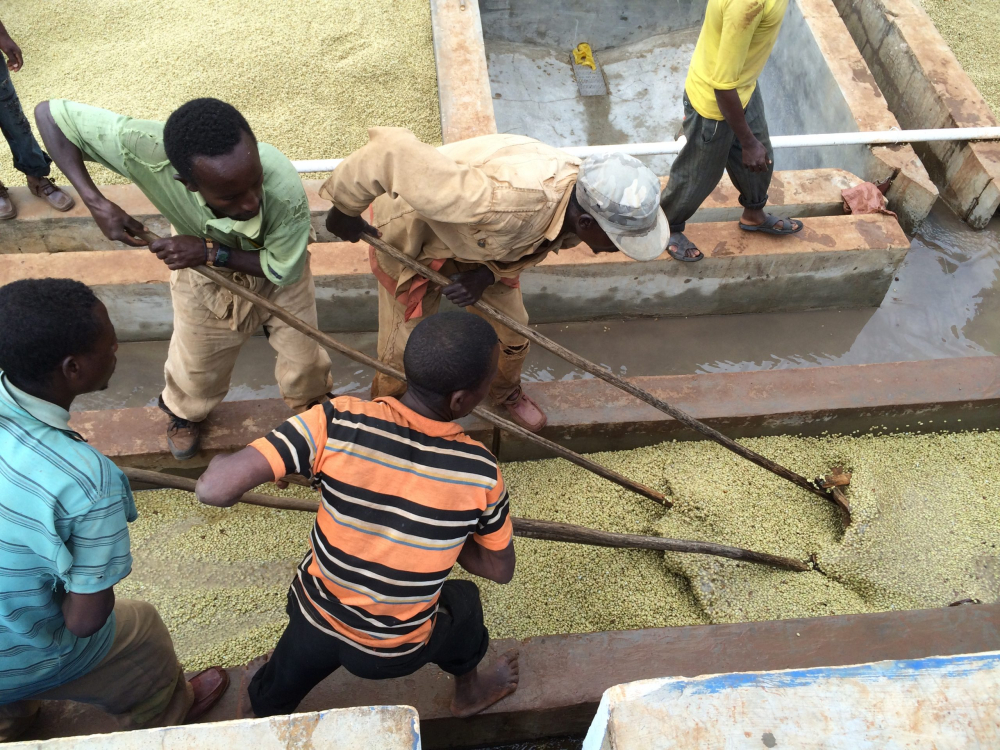
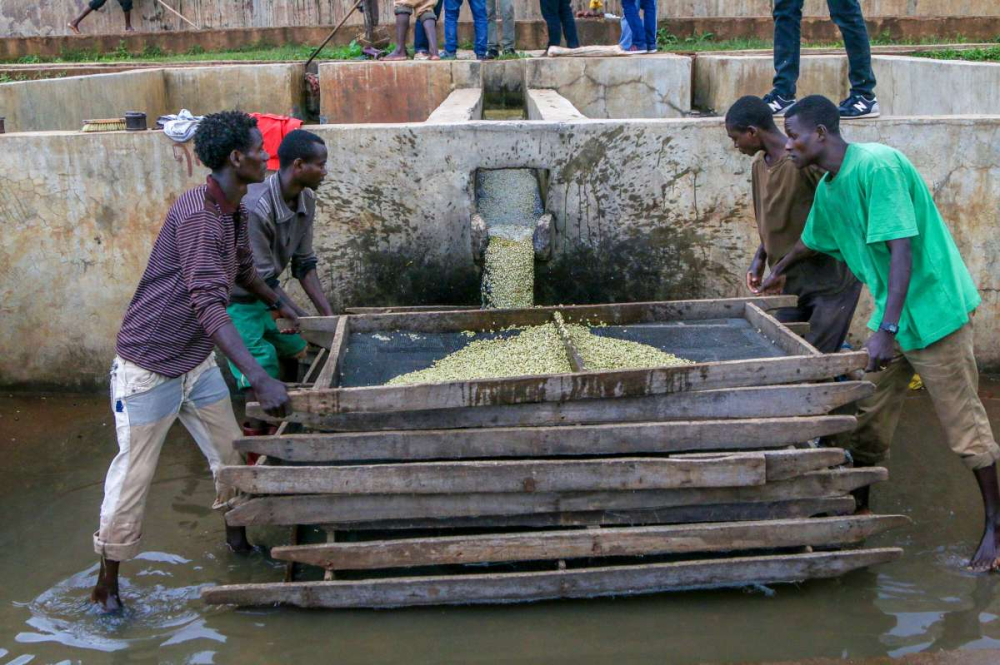
If you’d like to experience the charm of traditional washed processing, pay attention to products from local cooperatives. Take the Gedeb G1 cooperative as an example—it operates its own washed processing facilities, ensuring the beans are quickly depulped and fermented after harvest. Typically, these beans undergo 24 hours of temperature-controlled fermentation, followed by thorough removal of the mucilage with clean water, then are spread on raised beds to sun-dry for two to three weeks. Such rigorous processes result in coffee with notable jasmine floral notes, citrus acidity, and delicate berry and tea-like aftertastes, making them excellent everyday beans for practicing your pour over skills.
For consumers who prefer different processing methods, Yirgacheffe’s natural versions are also worth trying. Compared to the bright and clean profile of washed beans, natural processing imparts richer fruitiness and a deeper sweetness, often featuring flavors such as tropical fruits, multi-layered wine-like richness, and smooth caramel notes in the finish. However, beginners trying natural beans should pay attention to extraction time and water temperature control—it’s advised to slightly reduce grind fineness and extend the blooming time to fully release their abundant flavor compounds.

Whether you choose washed or natural Yirgacheffe, it’s recommended that beginners start with small packs to gradually explore personal taste preferences. Also, remember to check the roast date, and opt for pour over beans roasted within 5 to 14 days for optimal flavor. By continuously adjusting water temperature, grind size, and brewing techniques, you’ll gain a deeper understanding of the endless possibilities of this classic origin.
The above content is compiled by CoffeeHunters, a coffee news website.


