








Introduction:Selecting the right espresso beans for commercial machines not only affects the flavor of the coffee but also relates to operational efficiency and customer satisfaction. This article will delve into common types of espresso blends, including fruity, bold, and balanced profiles, and explore whether these beans are suitable for use in Americano machines. We’ll also share practical advice on choosing high-value commercial beans to help you make the most suitable choice based on your needs.
Choosing the Right Commercial Espresso Beansis a key issue every coffee business operator must face. Many people focus only on brand or price when purchasing, yet overlook factors such as bean blend, roast level, and compatibility with extraction equipment. In fact, starting from a flavor-oriented approach can help you more quickly identify the coffee beans that match your shop’s positioning.
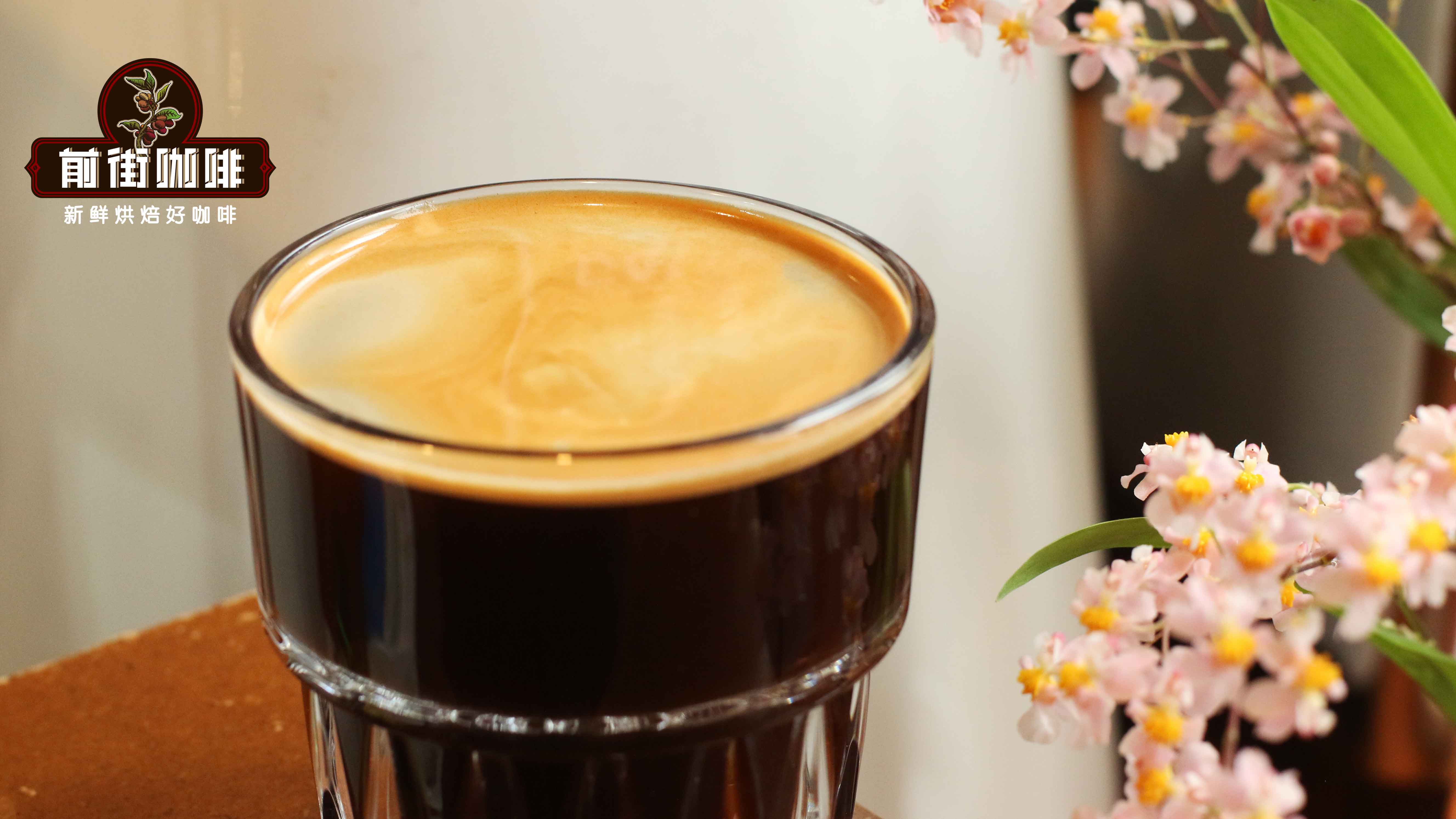
First, let’s introducefruity-style espresso beans. These beans typically use a blend from multiple regions, combining different processing methods to create a richer layering of flavors. For example, a blend that combines beans from Costa Rica, Colombia, and Ethiopia, incorporating characteristics of natural, washed, and honey processes, often presents aromas of rose, grape, orange, cream, and almond. With a balanced sweet-and-acid profile and a soft mouthfeel, it’s especially suitable for summer consumption or customers who prefer a refreshing flavor.
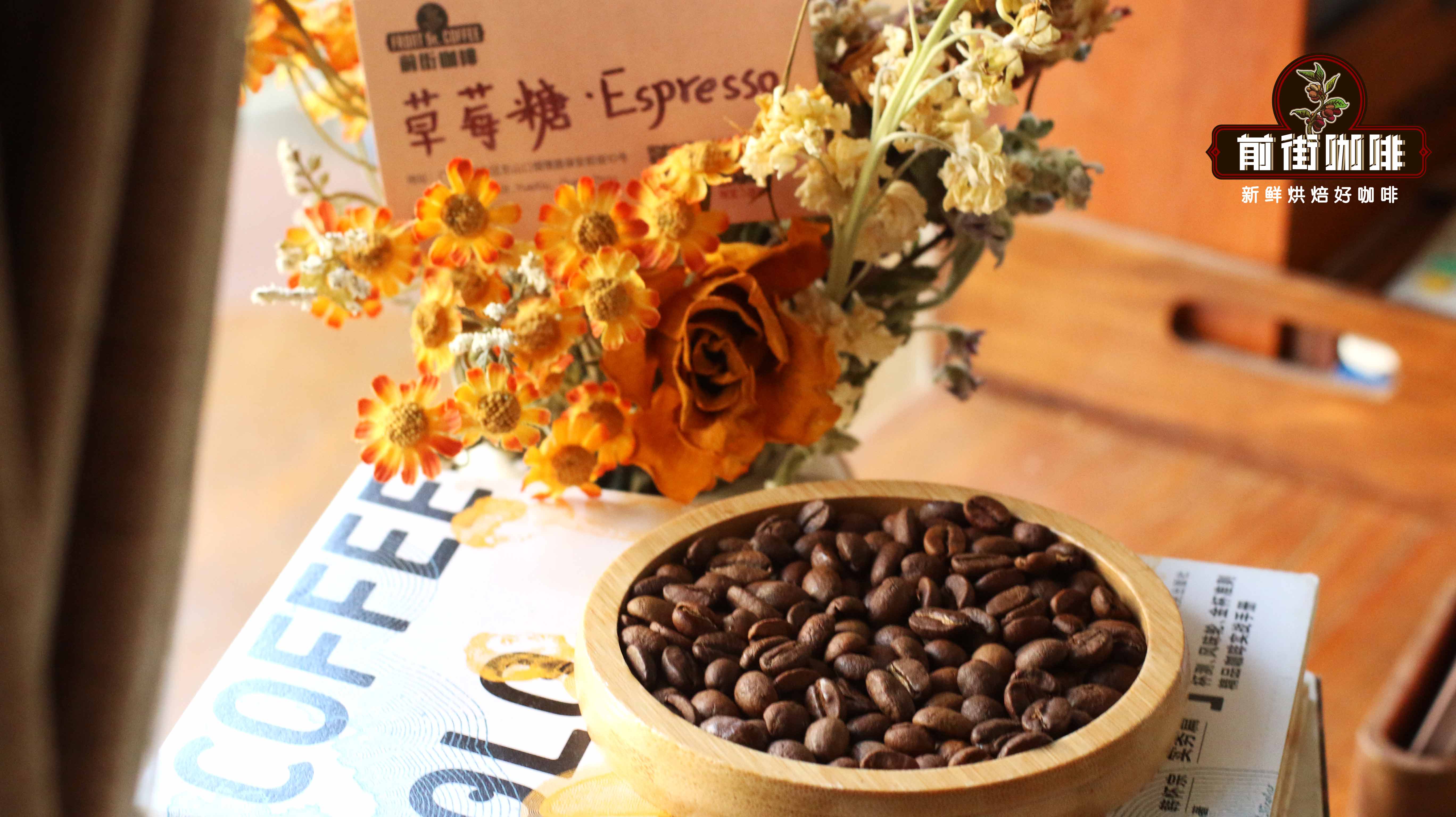
If your shop focuses on delivering a rich and classic coffee experience,bold-style espresso blendswill be a more suitable choice. Generally, these recipes combine Brazilian and Colombian beans with a moderate amount of Robusta, delivering notable caramel sweetness, nutty tones, and the lingering notes of dark roast cocoa or black chocolate. With low acidity and balanced bitterness, the overall mouthfeel is full-bodied, making it ideal for pairing with milk or drinking straight—this is the preferred option for many traditional espresso enthusiasts.
For shops aiming forbalanced and harmonious flavors, it’s recommended to consider blends with medium acidity and gentle aftertaste. For instance, single-origin blends using only Colombian and Brazilian beans—these typically aren’t overly intense, featuring soft acidity with sweet and nutty undertones, and moderate crema. Suitable for most fully automatic or semi-automatic coffee machines, they meet popular taste preferences while maintaining consistent quality.

Regarding the question of “can Americano machines use espresso beans?”—the answer is yes, but adjustments to grind size and extraction parameters are necessary. Espresso beans are generally darker roasted and denser. If used directly in an Americano machine, it’s advised to grind coarser and shorten the extraction time appropriately to avoid over-extraction, which can lead to bitterness. Additionally, due to the rich crema of espresso beans, regular cleaning of the equipment becomes even more important to ensure pure flavor and extend machine life.
Finally, when selecting commercial bean brands, besides paying attention to flavor descriptions, it’s also important to check the roast date and freshness of the beans. Freshly roasted coffee beans usually reach their optimal flavor window within 5 to 14 days after roasting. Therefore, choosing suppliers that can guarantee recently roasted beans will help maintain consistent coffee quality. Furthermore, understanding whether the beans are roasted on-site at the shop or imported stably is also a crucial factor in ensuring a reliable supply chain.
The above content is compiled by CoffeeHunters, a coffee news website.

