







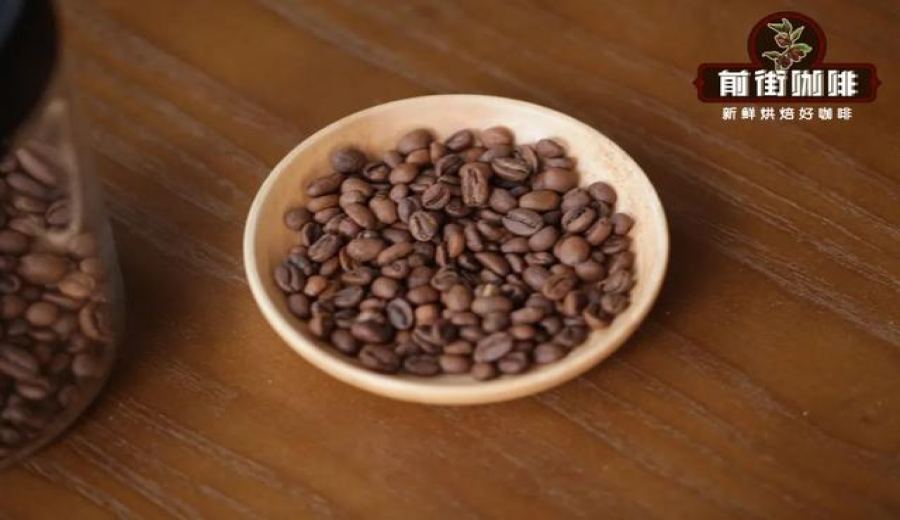
Introduction:As an Ethiopian heirloom variety that has garnered significant attention in recent years, the Huākuí (Hokkaido) coffee beans have won the favor of numerous coffee enthusiasts with their intense fruity aroma and sweet flavor profile. What exactly are the flavor characteristics of Huākuí? How does it differ from top-tier Geisha? This article will delve into the growing region, processing methods, flavor profile of Huākuí, debunk common misconceptions, and provide practical references for tasting and extraction.
Where does the name “Huākuí” come from? Many people, upon first hearing “Huākuí,” associate it with a rich floral fragrance. However, upon actual tasting, they often find that its fruity characteristics are even more prominent, including notes of passion fruit, strawberry, mango, jackfruit, and citrus. It is understood that the original name of these coffee beans in their place of origin was “Hambela.” The name “Huākuí” was given by a domestic green bean supplier. In February 2017, a naturally processed Ethiopian heirloom coffee bean from the Buku Abel washing station in Ethiopia’s Hambela region won the championship in a local green bean competition. This particular bean not only exhibited outstanding flavors but also broke the past dominance of Geisha in competitions, being regarded as a top-tier single-origin coffee that could rival Geisha.
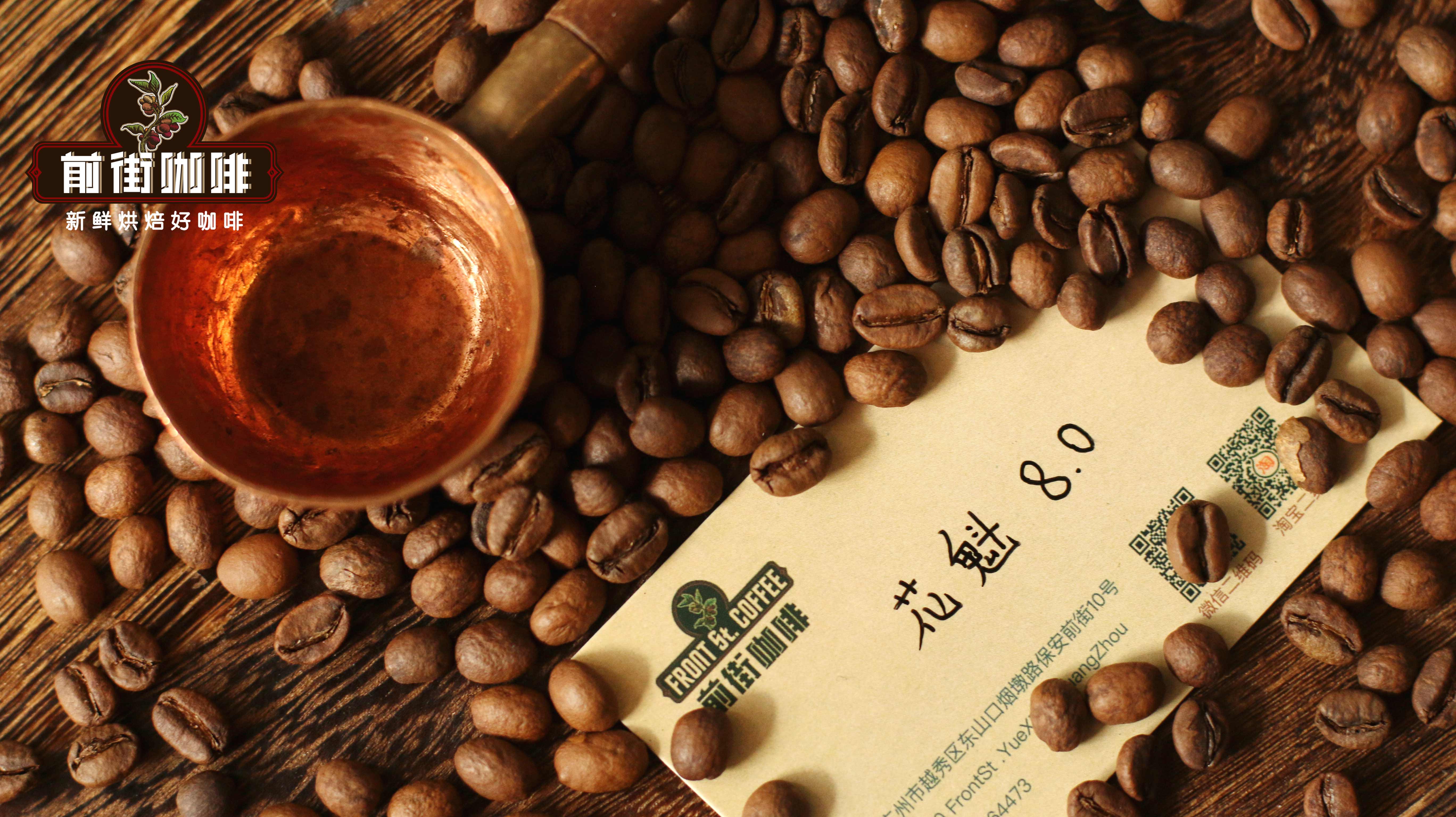
Huākuí coffee beans come from Ethiopia, the birthplace of coffee. The country boasts an extremely rich coffee gene pool, but due to the government’s efforts to protect the genetic resources of heirloom varieties, many coffee types are labeled on the market simply as “local heirloom.” Huākuí falls into this category as well. As a result, consumers can experience the most authentic and diverse expressions of coffee genetics when tasting it.
For a period of time, there was a rumor circulating online that “Huākuí is top-tier Geisha,” which is actually a common misconception. The source of this misunderstanding is related to another Chinese translation of Geisha — “艺伎” (Geisha, referring to the traditional Japanese entertainer). In fact, the Geisha (瑰夏) variety was first discovered in a forest in Ethiopia in 1931, but it did not attract much attention at the time. It wasn’t until 2004, when Panama’s Hacienda Esmeralda entered a competition with Geisha beans sourced from Costa Rica and won the Best of Panama (BOP) competition, that the variety began to gain international market attention and gradually became a star variety in many specialty coffee competitions.
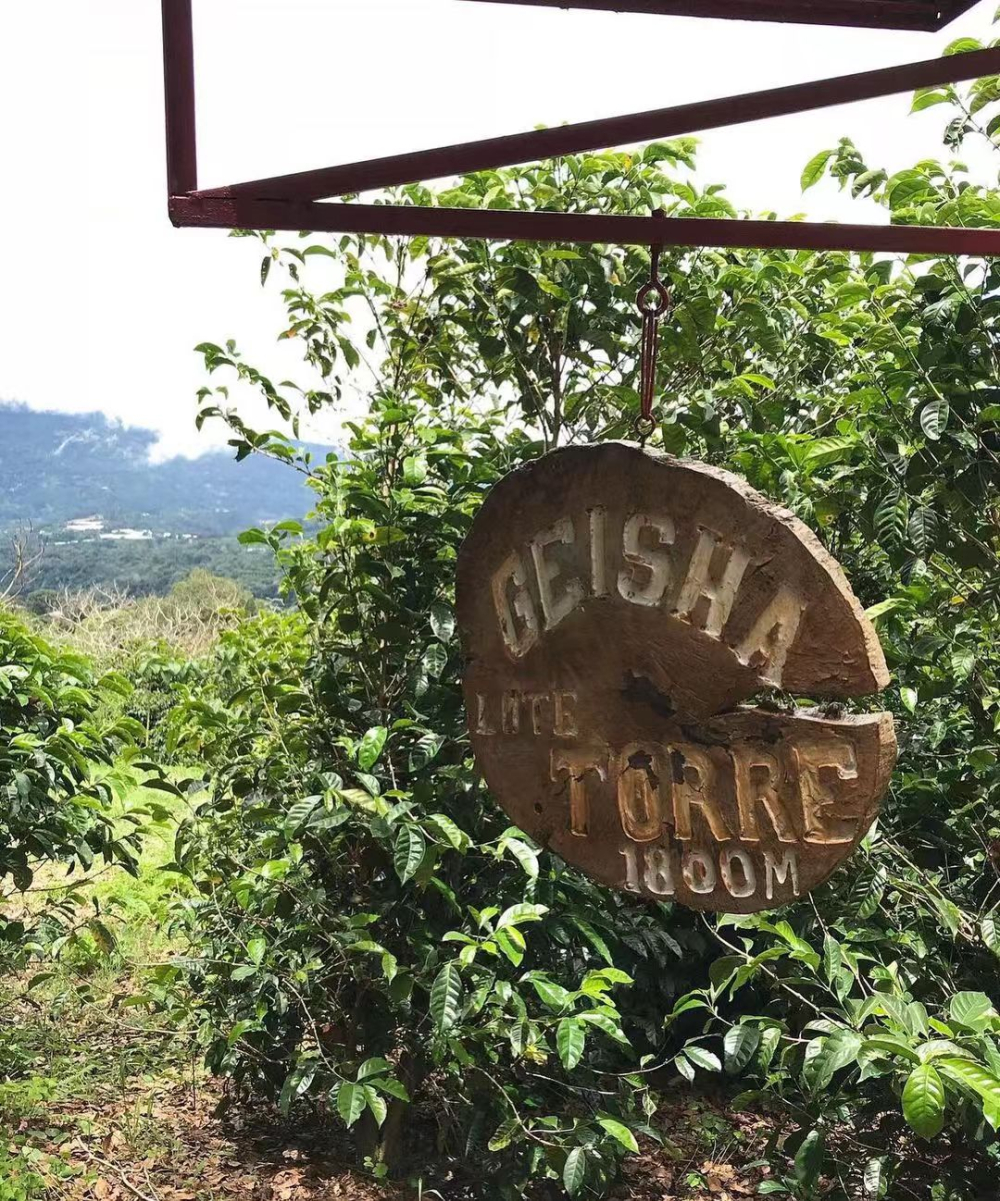
Interestingly, the word “Geisha” is the same in English as the term for the traditional Japanese entertainer. Therefore, consumers in Taiwan initially translated it directly as “艺伎” (Geisha). However, in Ethiopia, the term “Geisha” actually has a dual meaning: it refers both to a specific region in the southwestern part of the country and to the coffee variety produced there, having no direct connection to the profession of an entertainer. Thus, in 2006, when Mr. Yuan from Kaloum Coffee first introduced Panamanian Geisha to mainland China, to avoid confusion, he chose to name it “瑰夏” (Guīxià), which has since become the mainstream term.
Returning to Huākuí, this coffee that shined brightly in 2017 comes from the Hambela region within Ethiopia’s Guji zone, and was meticulously processed by the Buku Abel washing station using the natural (sun-dried) processing method. This coffee is grown from heirloom varieties and, after undergoing sun-dried fermentation, exhibits an intense strawberry flavor, high sweetness, and a creamy-smooth mouthfeel. Upon its debut, it stood out in international competitions. In the same year, during the World Brewers Cup, Li Jianfei, the Chinese runner-up, used these Huākuí coffee beans to defeat multiple Geisha varieties, ultimately securing second place. This helped Huākuí rapidly rise to fame and become recognized in the industry as one of the high-quality coffees.
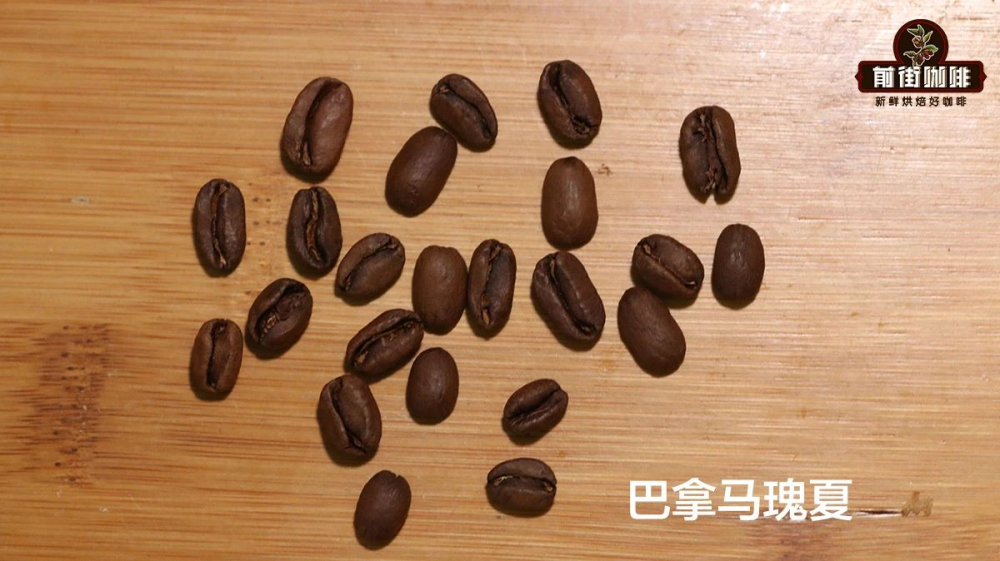
So, why do many people mistakenly believe that Huākuí is top-tier Geisha? This is related to the origin of the name “Huākuí.” In Japanese culture, a “艺伎” (Geisha) is a title for a professional performer, and the most skilled among them are honored with the title of “花魁” (Huākuí). Therefore, when naming this coffee bean — which aimed to defeat Geisha and become the focus of the market — the profound name “Huākuí” was chosen, symbolizing its top-tier status. However, as the name spread online, it gradually came to be misunderstood as “the top grade of Geisha,” or even directly regarded as a type of Geisha. In reality, the two are entirely different.
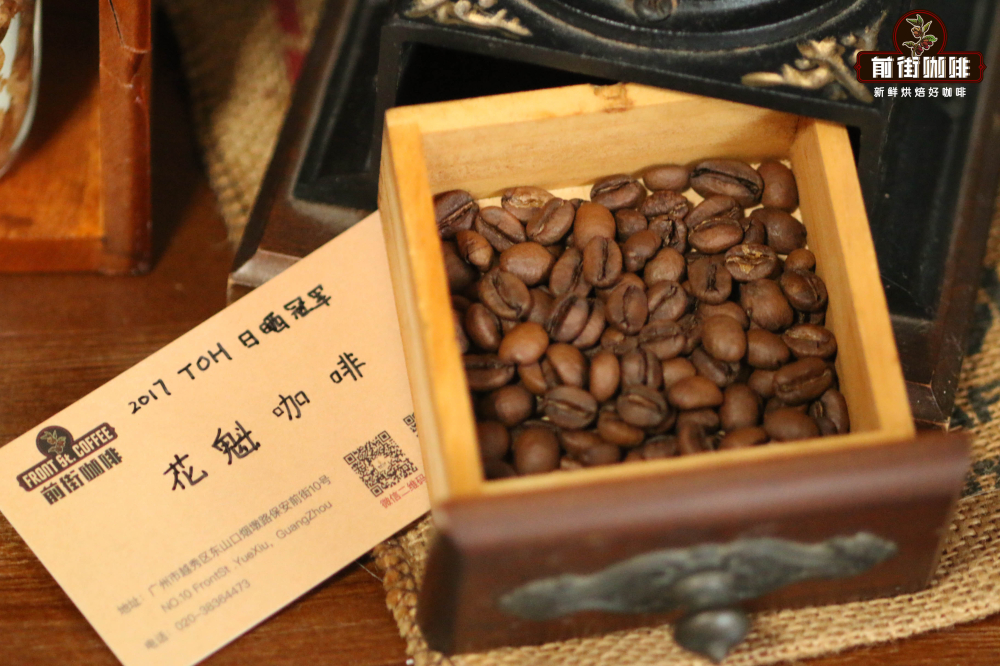
Finally, what are the actual differences in flavor between Geisha and Huākuí? Based on actual cupping experiences, high-altitude grown Geisha, regardless of the processing method used, typically exhibits pronounced floral notes, bright citrus acidity, and a tea-like mouthfeel reminiscent of oolong or Tieguanyin. Huākuí, as a naturally processed Ethiopian heirloom variety, not only retains a wealth of tropical fruit and berry aromas through the sun-dried fermentation process, but also adds intense sweetness and layered fermentation complexity. Upon tasting, one can perceive bright fruity acidity and a juice-like sweetness, with a lingering aftertaste of soft oolong tea. Overall, it presents a more layered and mellow profile.
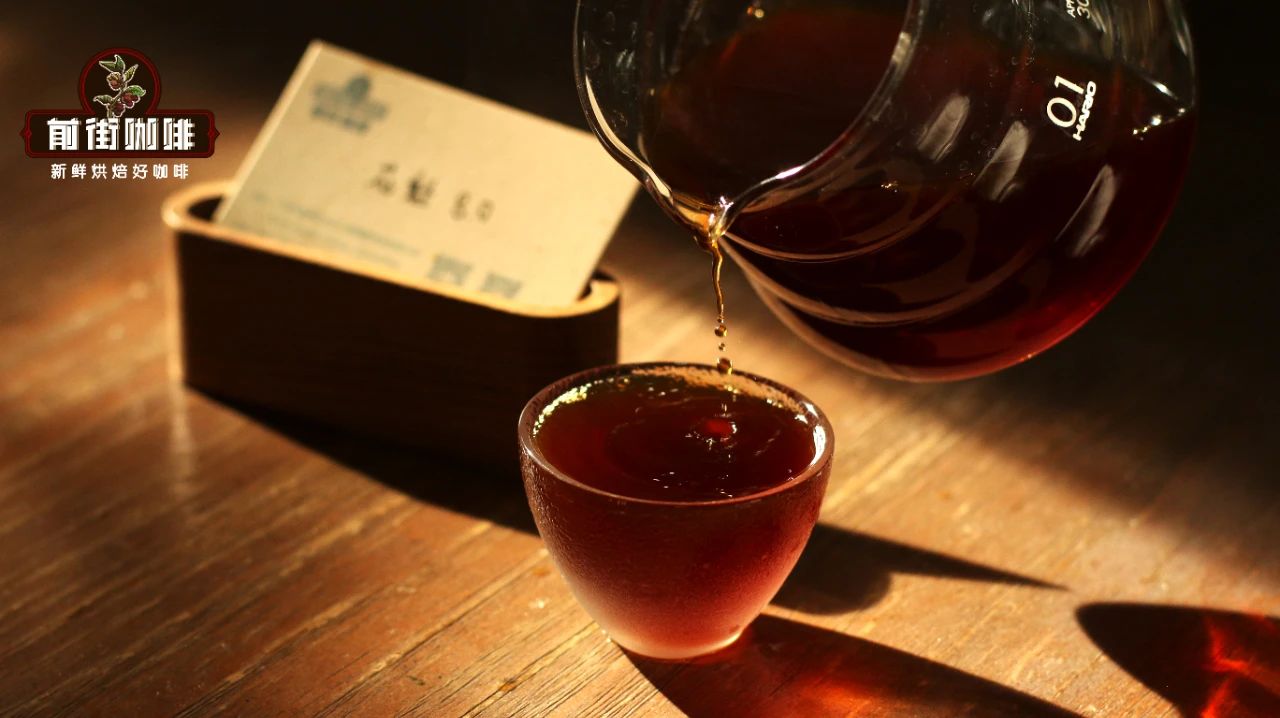
In summary, although both Geisha and Huākuí originate from Ethiopia and possess excellent flavor potential, they differ significantly in variety, processing method, and flavor characteristics. Geisha is known for its fresh floral and fruity notes along with a tea-like feel, whereas Huākuí stands out with its intense fruitiness, sweet taste, and fermentation complexity. For coffee enthusiasts who enjoy exploring different flavor profiles, these two coffees are both classic choices worthy of in-depth tasting. If you’re a fan of pour over coffee, try brewing each with a medium-light roast, water temperature of 90–94°C, fine grind size, and extraction time of 2–3 minutes to appreciate their unique charms.
The above content is compiled by CoffeeHunters, a coffee news website.

