







Introduction:Looking for a great black coffee bean for pour over but not sure where to start? This article takes an in-depth look at the representative flavor profiles of five major coffee-producing countries—Brazil, Colombia, Ethiopia, Kenya, and Indonesia’s Sumatra—and analyzes the acidity, sweetness, and body of various beans. It also provides recommended pour over parameters based on extraction characteristics. Whether you’re a beginner seeking balanced flavors or an advanced enthusiast eager to explore bright fruitiness, you’ll find high-value entry-level bean recommendations here.
Brazil is the world’s largest coffee producer, with the Red Bourbon variety from the Cerrado region being particularly representative.Its flavor profile is known for being rounded and full-bodied, with medium-bright acidity paired with a long-lasting aftertaste, offering a smooth mouthfeel without being overly sharp. These beans, due to their stable structure, are often used as base beans in blends, but when brewed solo via pour over, it’s recommended to use a medium-light roast, with water at 90–92°C and a 1:15 coffee-to-water ratio, which highlights their nutty tones and honey-like sweetness.
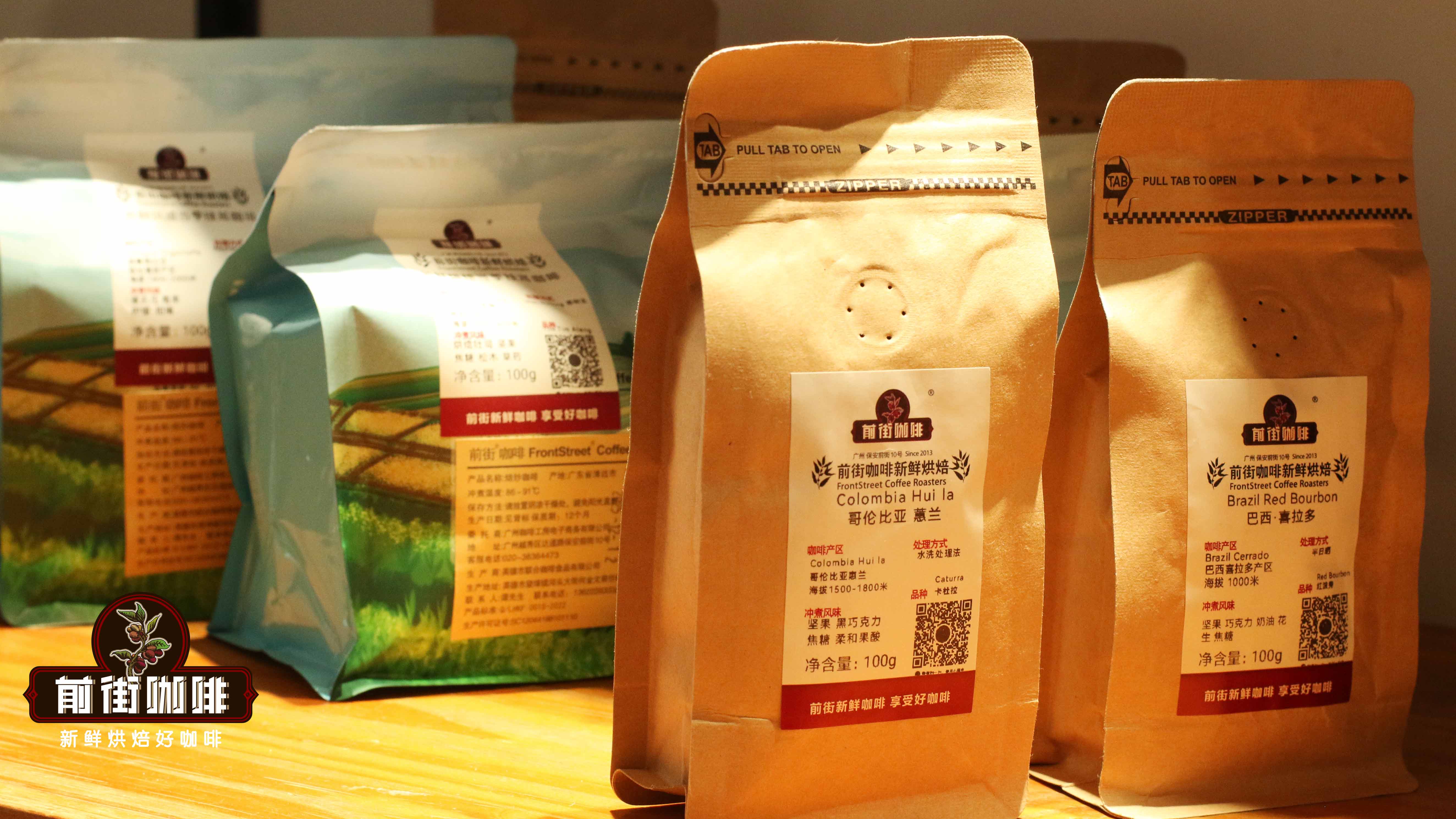
Coffee beans from Colombia’s Huila region are known for their consistent specifications, setting an industry benchmark for standardization.The green beans are light green in color and plump in size. After moderate roasting, they release a rich chocolate base, accompanied by citrusy acidity and a black sugar finish. When brewing these beans via pour over, note that their density is relatively high, so it’s recommended to extend the bloom time to 30 seconds. Use water at 93°C and a medium-fine grind to balance their heavy body with vibrant layers.
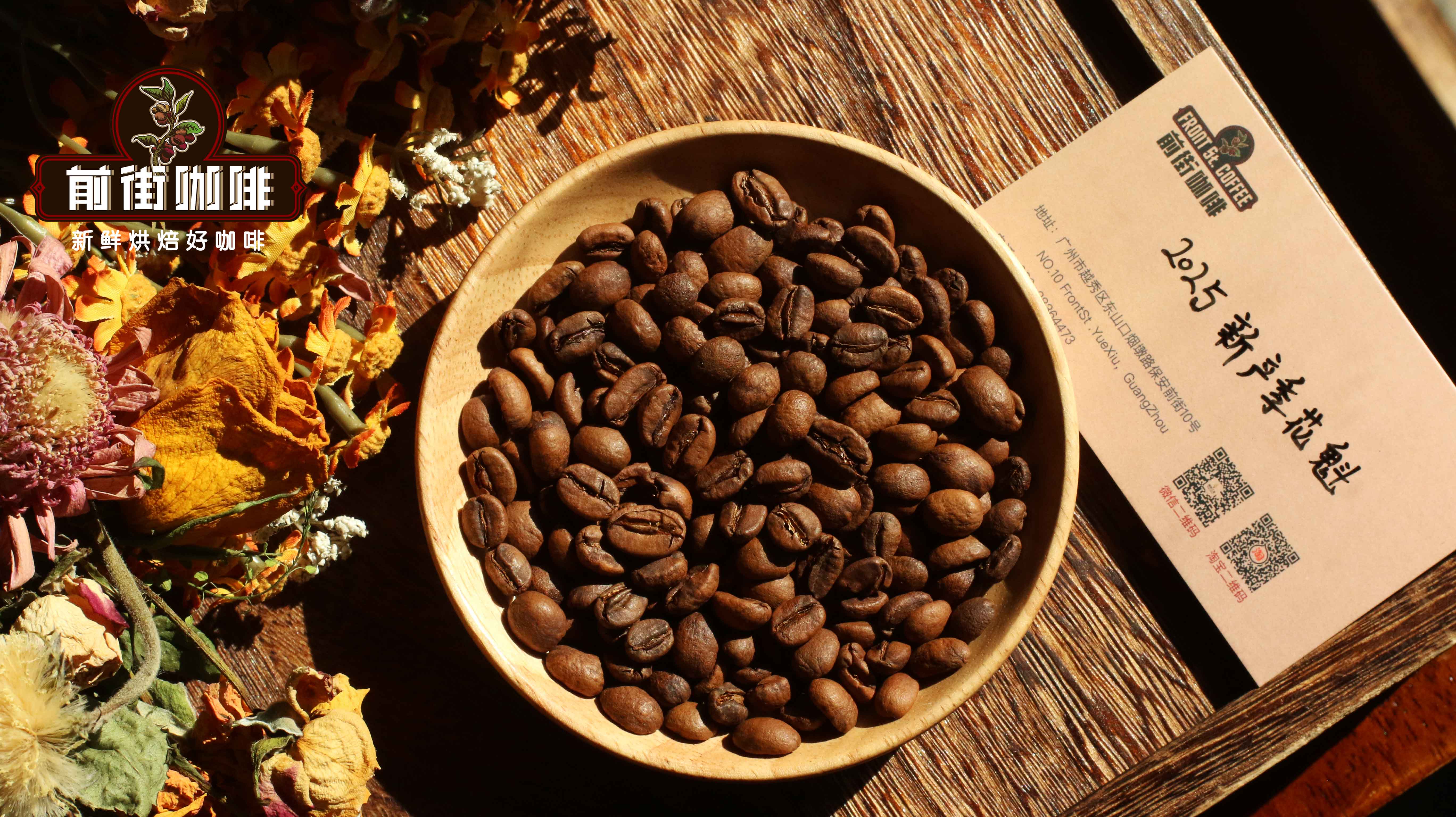
Ethiopia, as a genetic treasure trove of coffee, is home to diverse varieties from renowned regions such as Yirgacheffe.These beans typically feature bright lemony acidity, jasmine floral notes, and fruity sweetness reminiscent of blueberries, with almost no bitterness. They are especially well-suited to very light roasts to express terroir characteristics. For pour over, it’s recommended to use a V60 filter with water at 88–90°C, employing a center-pour technique to enhance the floral and fruity notes. A 1:16 coffee-to-water ratio is advised to maintain a clean finish.
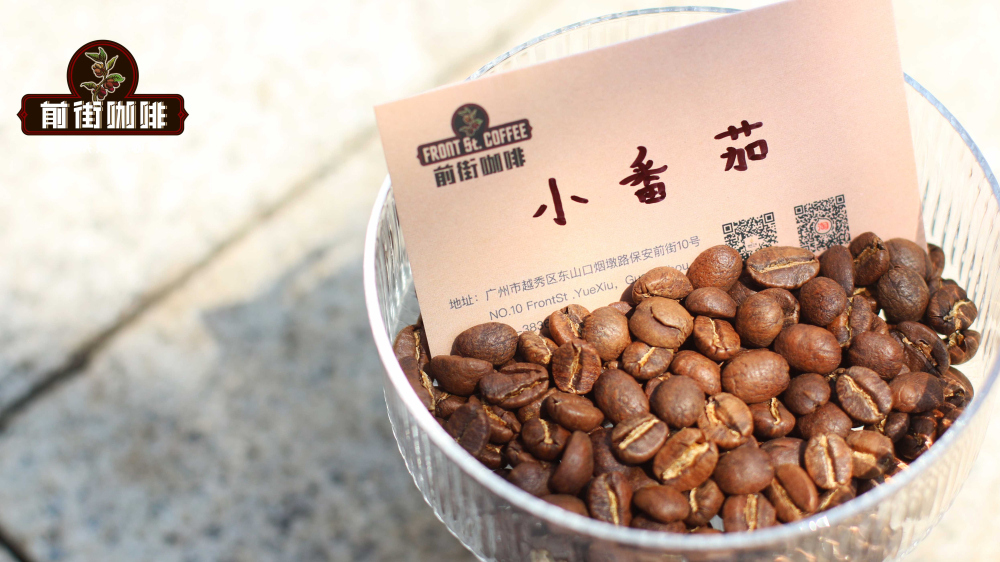
Kenya’s Thika region is famed for its unique fermentation process, producing specialty beans with a distinct tomato-like acidity.Their flavor profile includes the sweet-tartness of black plums, the juiciness of pears, and the deep aftertaste of dark plums, with a body significantly more pronounced than that of typical African beans. To fully bring out their fruity intensity when brewing, it’s recommended to use high water temperature at 94°C along with a multi-stage extraction method—start with a strong flow to quickly wet the grounds, then slow down with a fine stream. The optimal flavor window usually appears 2–4 weeks post-roast.
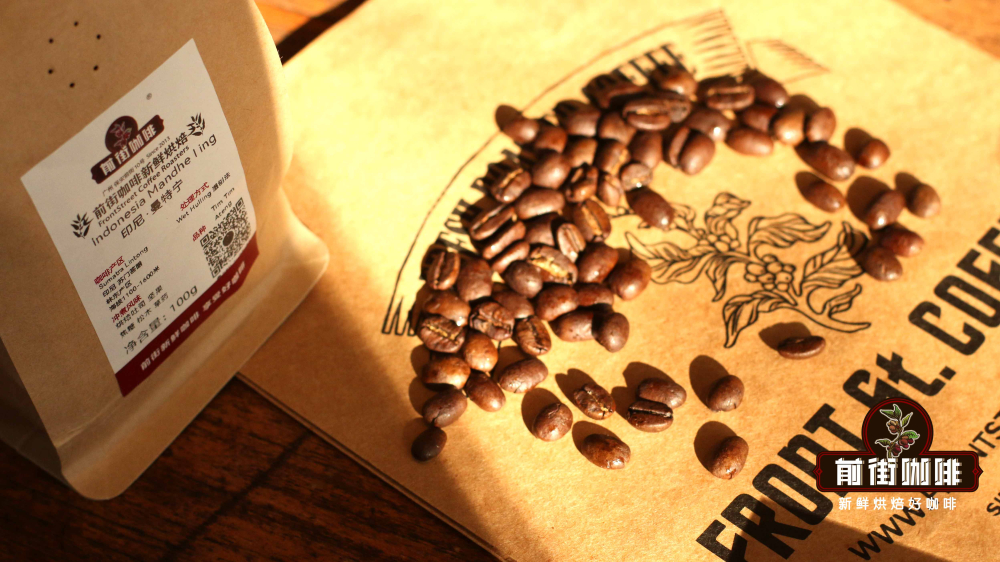
Indonesia’s Sumatra Mandheling is a classic choice for dark roast enthusiasts. Its unique island growing environment and wet-hulled processing method give the coffee a herbal and spicy foundation.After dark roasting, it transforms into rich notes of caramel, pine wood, and black chocolate, with a velvety mouthfeel. When brewing these beans via pour over, lower the water temperature to 86–88°C to avoid over-extraction and bitterness. Using a flat-bottomed filter like the Kalita Wave can better showcase its thick, enveloping body. It’s also suggested to use a more concentrated 1:14 coffee-to-water ratio to intensify the flavor.
The above content is compiled by CoffeeHunters, a coffee news website.

