







Introduction:Dark roast coffee, with its rich, bold flavors and distinctive aromas, is a favorite among many coffee enthusiasts. But do you know what truly constitutes a deep roast? From roast stages to pour over suitability, this article delves into the flavor characteristics of dark roast coffee and recommends several dark roast beans ideal for pour over, helping you easily avoid bitterness pitfalls and enjoy the layered charm of dark roasts.
As coffee culture evolves, more and more consumers are seeking "the authentic flavor of black coffee." Among the various roast styles, dark roast coffee stands out for its intense, full-bodied profile and unique smoky undertones, winning favor with many. However, to grasp the essence of dark roast coffee, one must first understand the classification of roast levels.
Coffee roasting can generally be divided into eight main stages, with each stage’s temperature control and drop timing significantly influencing the final flavor profile. From very light to very dark, each transition features unique color, aroma, and taste characteristics, anddark roast coffee typically refers to the roast range entering medium-dark or darker levels,particularly French and Italian roasts, which often highlight the coffee's intensity and depth.
Very Light Roast (Light Roast)is dropped just as first crack begins or even before it starts. The beans exhibit a light cinnamon color, with grassy notes prominent, acidity pronounced, but aroma and taste rather thin. This level is usually used for coffee variety testing and is not recommended for direct drinking.
Light Roast (Cinnamon Roast), also known as cinnamon roast, is dropped between the start and the peak of first crack. At this stage, the beans show a cinnamon hue, with bright acidity and floral-fruit notes, while grassiness has largely subsided. Suitable for pour over or cold brew, it showcases the fruitiness inherent in the coffee. Common examples include varieties with distinct floral or berry acidity, and this roast level is generally preferred by those who enjoy a bright, acidic cup.
Moving intoMedium Roast (Medium Roast), also called light-medium roast, is dropped between the peak and end of first crack. The beans at this stage appear chestnut-colored, with relatively balanced acidity and bitterness, and a mild yet clear aroma. It’s a common roast level for pour over, and can also be applied to blends, preserving the coffee’s original character while adding a certain body.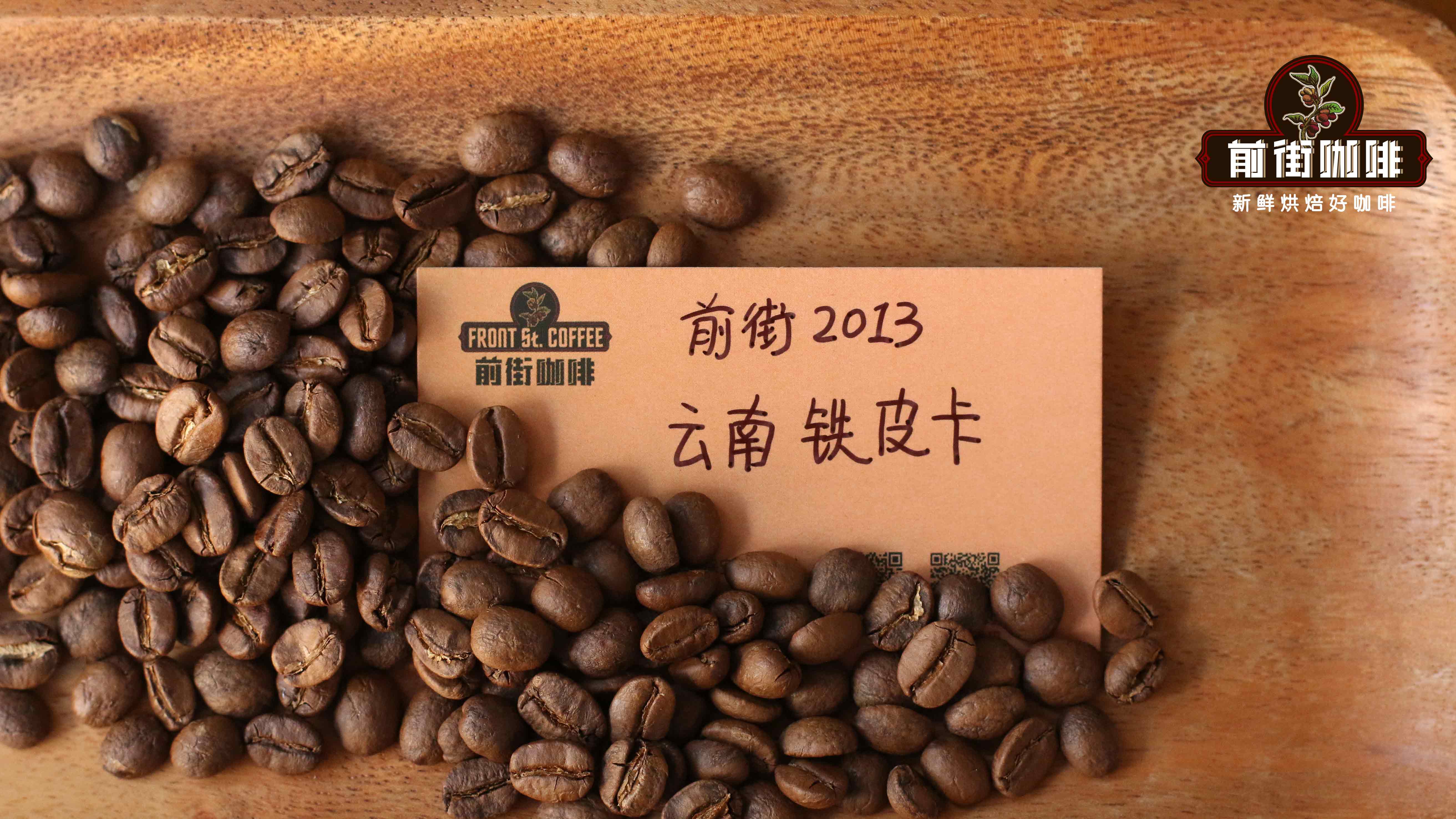
Medium-Dark Roast (High Roast), also referred to as strength roast, is dropped at the end of first crack. The beans turn light reddish-brown, caramel aromas begin to emerge, and the balance between acidity and bitterness improves, offering a richer flavor profile. This roast level is favored by many who enjoy sweetness and a smooth mouthfeel.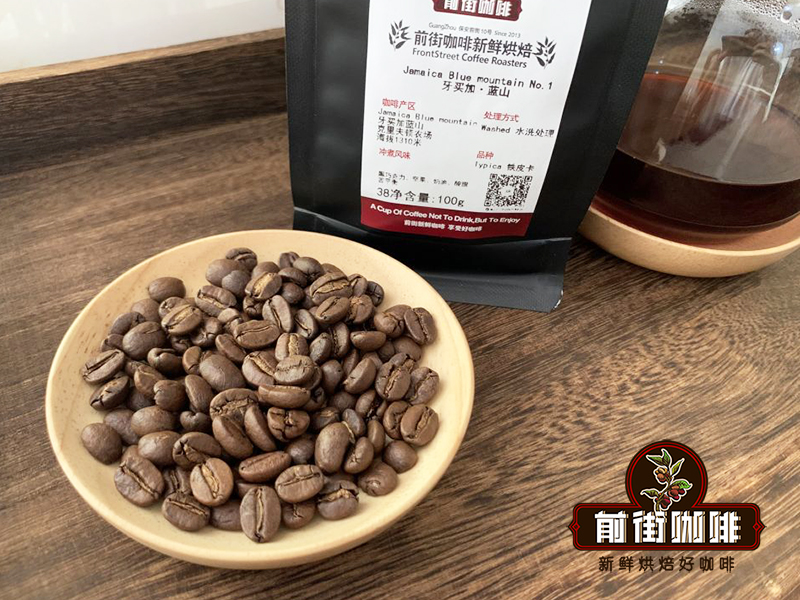
When we talk aboutdark roast coffee, we usually refer toFull City Roast (Micro Dark Roast)and beyond to medium-dark and darker roasts. Full City Roast is dropped at the beginning of second crack, with beans appearing brown, offering a full body and more noticeable bitterness, but with a sweet aftertaste. Suitable for both pour over and espresso extraction, it highlights deeper caramel and chocolate notes in the coffee.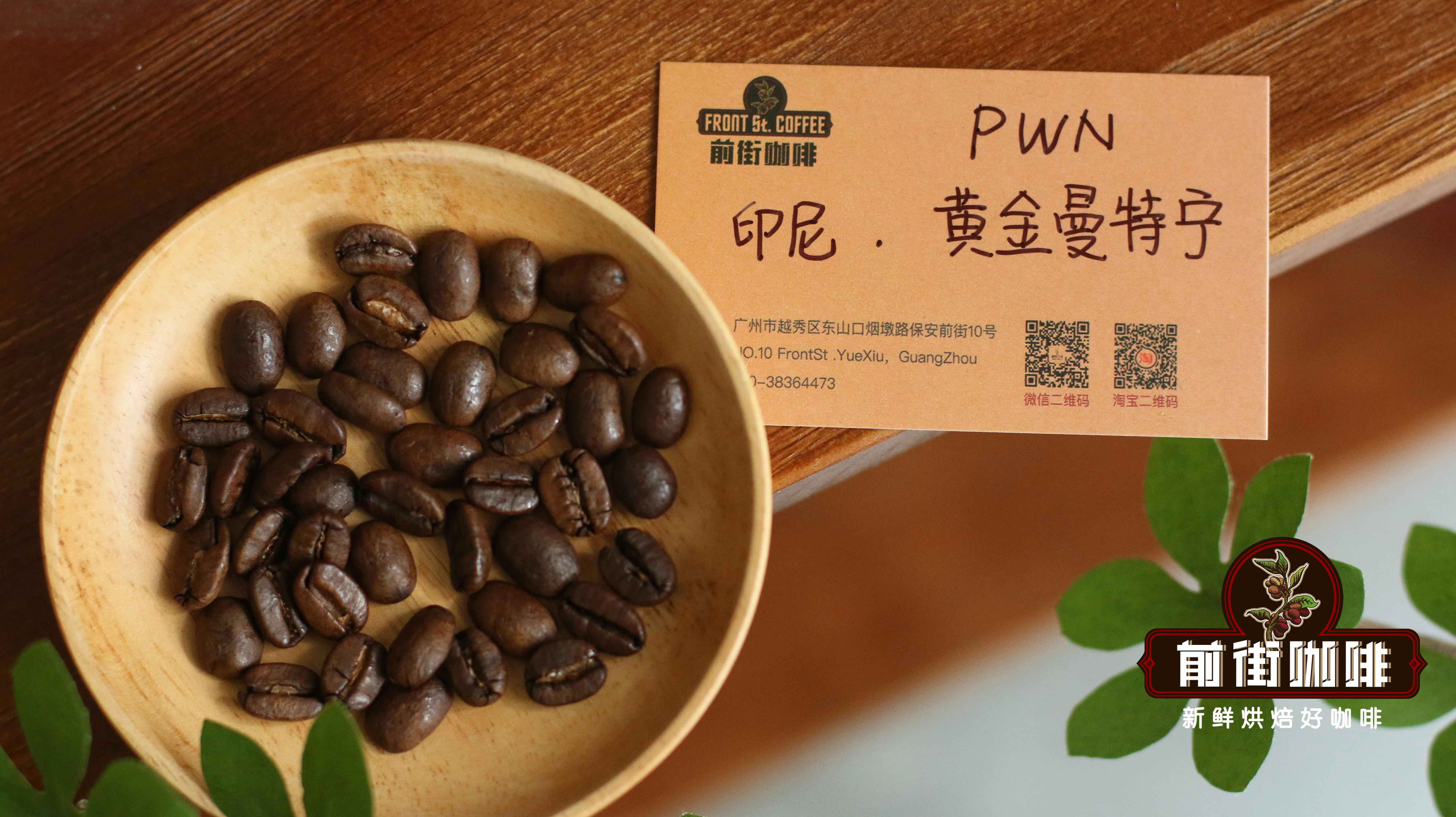
Going further intoFrench Roast (Depth Roast), the drop time is during the peak to the end of second crack. The beans turn dark brown or even blackish, acidity almost disappears, replaced by intense bitterness along with strong smoky and chocolate aromas. This is a flavor profile favored in many European regions, often used for making café au lait or Viennese-style coffee.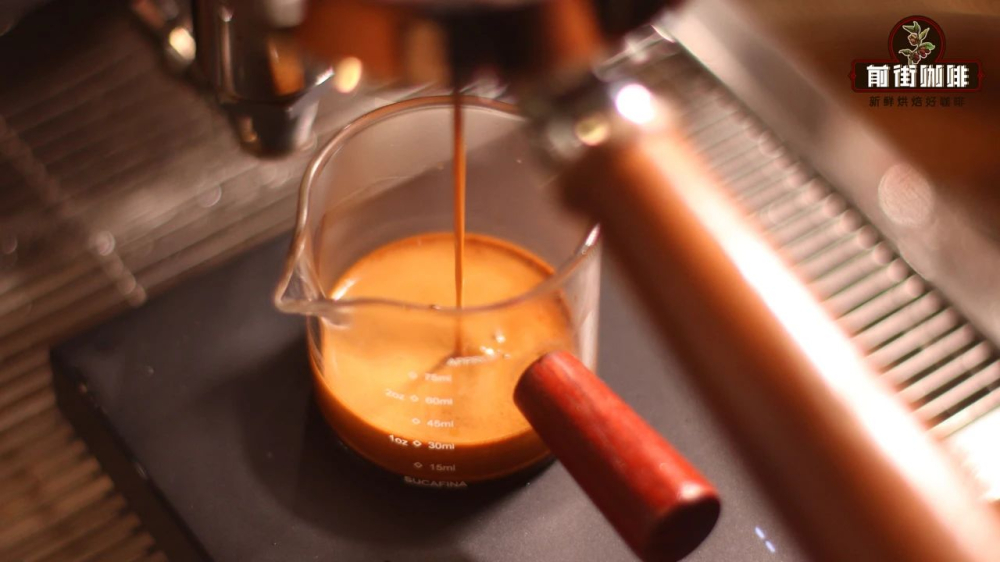
Finally, there isItalian Roast (Extreme Depth Roast), the darkest roast stage, dropped after the end of second crack until the beans turn black and develop an oily sheen. This type of coffee has an extremely intense and complex taste, dominated by bitterness, and is commonly used for making espresso, forming the base of many espresso-based drinks.
When selecting dark roast beans suitable for pour over, it is recommended to focus onthe range between micro dark roast and depth roast. These beans often strike a balance between bitterness and aroma, and are well-suited for slightly lower brewing temperatures (around 88–92°C) to bring out their richness and complexity. Avoid overly carbonized extreme dark roasts to prevent extracting unnecessary burnt bitterness.
The above content is compiled by CoffeeHunters, a coffee news website.

