







Introduction:From sweet-and-sour balance to deep, intense roastiness, coffee roast levels directly determine the direction of its flavor. This article delves into the key differences between light, medium, and dark roasts, specifically addressing a common question among pour over enthusiasts—“Is medium roast bitter?”—and providing a practical recommendation list based on flavor characteristics. Mastering roast levels and extraction essentials will help you more accurately choose coffee beans that suit your taste.
The deeper the coffee is roasted, the more the acidic compounds within the beans gradually break down, transforming into sweet aromas from caramelization, smoky tones, and pronounced bitterness. Professional roasters adjust the roasting curve based on origin characteristics and variety differences—some enhance bright citric acidity and floral notes, while others emphasize rich caramel sweetness and woody aftertastes. If you prefer a balanced flavor without strong acidity or bitterness, it’s recommended to start exploring the medium roast range.
The sweet and sour profile of coffee is closely related to the roasting stage. During the roasting process, there is a phase known as “first crack”—when the beans, having absorbed enough heat, suddenly crack and release steam. This point usually indicates that the beans have reached basic maturity. If the beans are dropped right at the beginning of the first crack, more of their natural acidity is preserved, though they may carry a grassy or underripe edge. If roasting continues until the first crack becomes dense (when a rapid series of cracking sounds occur) before stopping the heat, a medium roast with balanced sweet and sour notes can be achieved—this is also the preferred balance point for many pour over users.
In practice, medium roast can be further divided into two subtypes, identifiable by their flavor profiles: one being medium-light roast, which emphasizes the ripened fruitiness and floral-fruity characteristics; the other being medium-dark roast, which highlights nutty and caramel bases while retaining subtle layers of fruit acidity. This distinction not only affects the taste experience but is also related to the optimal brewing parameter settings.
Beans that fall under the medium-light roast category typically feature flavor notes such as ripe berries (like blackberries and blueberries), sweet raisin-like tones, tropical acidity reminiscent of passionfruit, as well as hints of fermented wine-like character and dark floral notes (such as jasmine or orange blossom). These beans tend to have higher density, so it’s recommended to use slightly higher water temperature (around 92–94°C) with a medium-coarse grind when brewing pour over, which helps to highlight their vibrant fruit acidity. Representative examples include classic high-altitude Typica varieties from Costa Rica, Caturra blends from Colombia, as well as certain lots of Mozart cultivars processed with special methods.
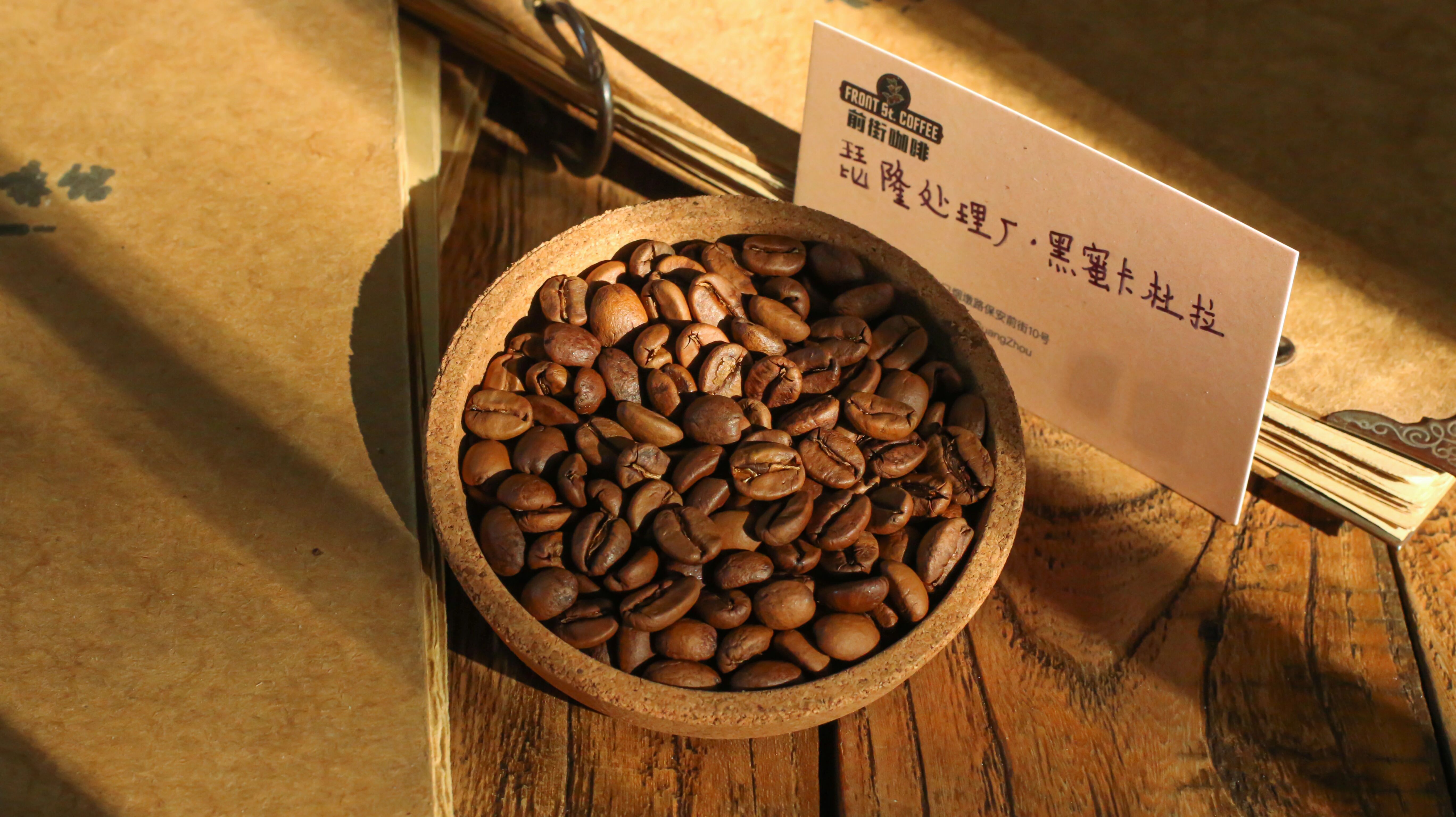
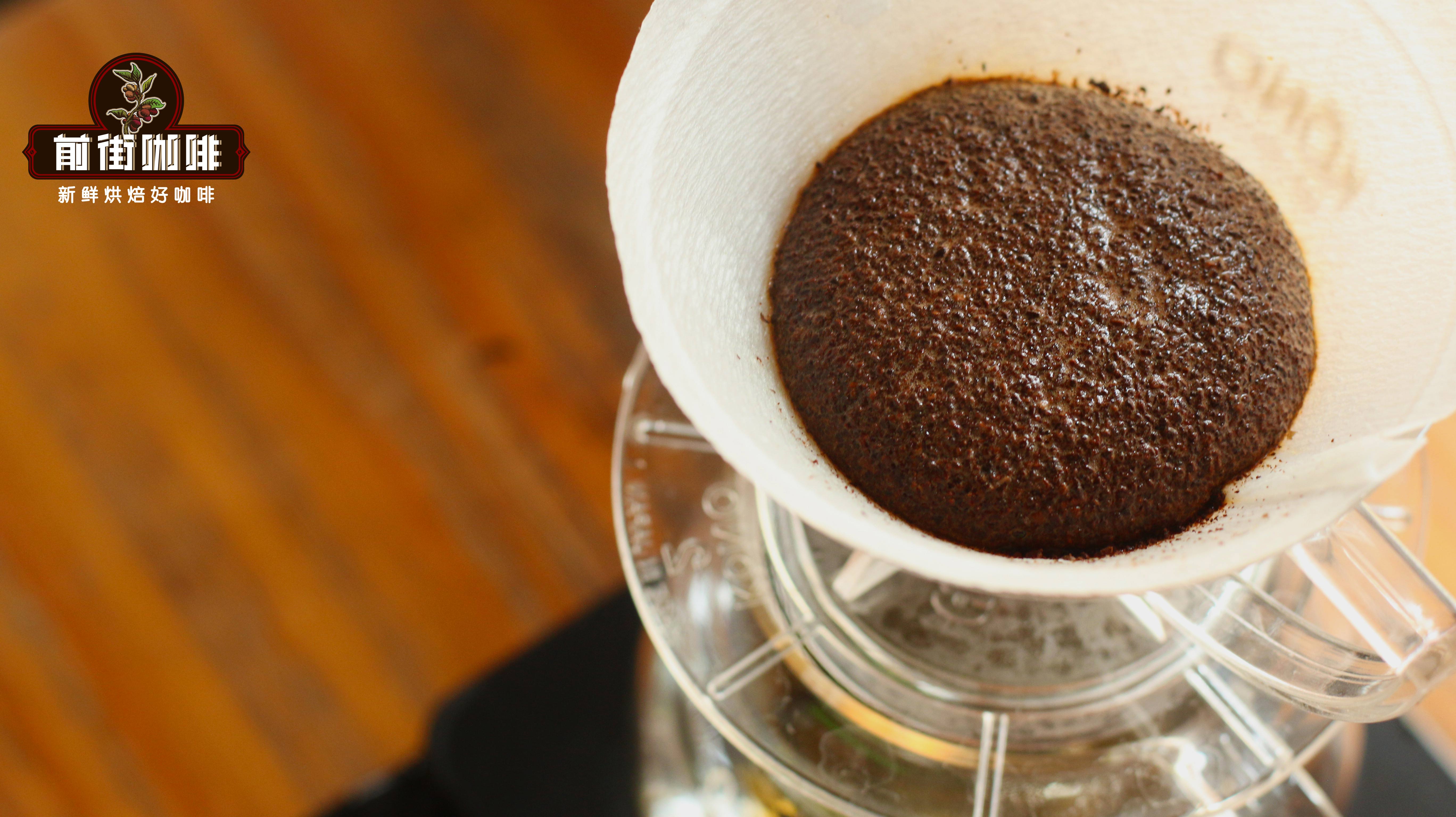
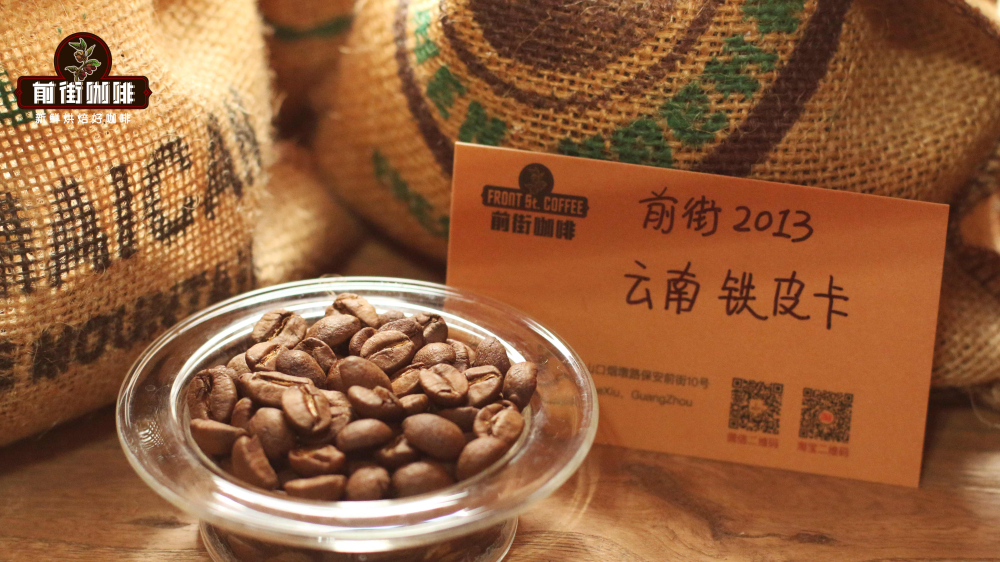
Moving into the medium-dark roast range, the dominant flavors shift toward nuts (such as macadamia and hazelnut), the richness of dark chocolate, and the sweet, smooth texture of melted caramel, paired with a soft, creamy-like aftertaste. Due to more extensive caramelization, the acidity in these beans is significantly muted but not entirely absent, making them suitable for drinkers who enjoy a full-bodied cup yet dislike strong bitterness. When brewing, you may slightly lower the water temperature to 90–92°C and opt for a slightly finer grind to fully extract soluble compounds. Common recommendations include Indonesian Golden Mandheling varieties, Brazilian highland single origins, Colombian Huila region beans, and some limited batches from Yunnan that retain traditional Typica genetics.
It’s important to note that the ideal state of “not too acidic, not too bitter” actually depends on the precise coordination between the roasting curve and brewing technique. For example, medium roast beans may still release excessive tannins and result in astringency if ground too fine or brewed at too high a temperature; conversely, under-extracted light roast beans may taste overly sharp and lack sweetness. It’s recommended that beginners start with medium roast to familiarize themselves with the basic balance of flavors, then gradually explore variations in roast levels, while keeping records of each brew’s parameters (coffee-to-water ratio, time, temperature, etc.) to build a personal preference database.
Regardless of which roast level you choose, freshness remains a key factor. It is recommended to purchase coffee beans roasted within 2–4 weeks, avoiding issues caused by long-term storage such as aroma loss. Store the beans in an opaque, airtight container in a cool, room-temperature place. If you can’t finish them in a short period, consider dividing them into smaller portions and freezing (remember to let them come to room temperature before grinding). By mastering these basic principles along with an understanding of roast levels, you’ll be able to more confidently select single-origin coffee beans that match your taste preferences.
The above content is compiled by CoffeeHunters, a coffee news website.


