








Introduction:Pour over coffee offers a richly layered flavor profile, especially the bright floral and fruity notes of lightly roasted beans, which have become increasingly popular among coffee enthusiasts. However, many beginners often only taste sharp acidity when brewing, making it difficult to perceive the intended sweetness and body. This article will delve into how to bring out the sweet and smooth flavors of light roast coffee by adjusting brewing parameters and selecting the right bean varieties, while also recommending several high-quality light roast single-origin beans suitable for beginners. These will help you get started easily and brew a memorable coffee experience.
The degree of coffee roasting directly affects its flavor expression. Light roasts typically emphasize vibrant floral and fruity aromas, but they can also highlight a single-dimensional acidity, making the coffee taste less rounded. In fact, sweetness in coffee often begins to develop early in the roasting process, peaks with increasing temperature and time, and then gradually declines. Therefore, if you want to enjoy a light roast coffee that is balanced between acidity and sweetness with layered complexity, in addition to choosing the right beans, you also need to master an appropriate brewing method.

Generally speaking, medium-roasted coffee beans exhibit the most pronounced sweetness, but the market trend favoring light roasts with prominent fruity acidity remains strong. From flavor descriptions, we can preliminarily assess a bean’s potential for sweetness. If the flavor notes are dominated by mildly acidic fruits such as raisins, candied fruit, mango, guava, or sweet orange, accompanied by keywords like fermentation, fruit sugar, or ripe aroma, these beans usually have a higher sweetness content and are worth prioritizing.

For example, if the flavor description includes honey, cantaloupe, pears, and delicate floral notes, it generally falls into the soft and sweet category, suitable for drinkers who prefer subtle and refined sweetness. Selecting coffee beans based on these clues can help us more accurately find a light roast single-origin that matches our personal taste preferences.
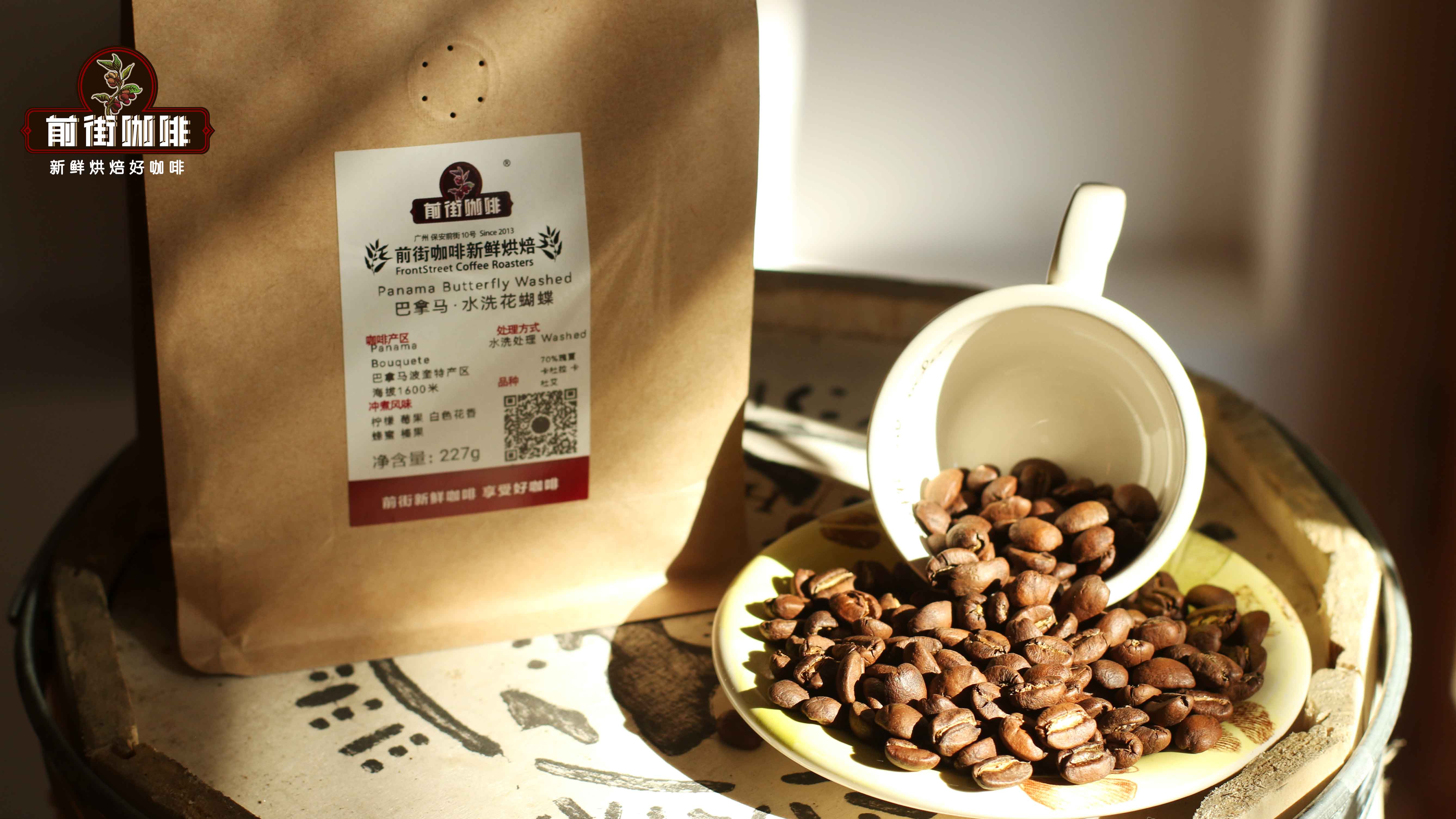
Next, we’ll use a popular light roast bean on the market as an example to demonstrate how to enhance the overall sweetness and body of coffee by adjusting brewing parameters. This particular coffee is processed using anaerobic natural methods, featuring complex and varied layers of fruitiness, along with hints of wine-like notes and fermented sweetness. To fully showcase these characteristics, it is recommended to slightly increase the water temperature, expand the coffee-to-water ratio, and adjust the pouring technique during brewing to bring out a fuller, sweeter flavor.

The practical brewing parameters are as follows: use 15 grams of coffee grounds, with a 1:16 coffee-to-water ratio, and set the grind size to a regular fine grind (such as EK43s setting 9). Use a V60 filter cone, and control the water temperature at 93°C. The water is poured in four stages: start with 30 grams for a 30-second bloom, followed by three pours of 70 grams each, for a total of 240 grams of water, completing the brew in approximately 2 minutes and 12 seconds.
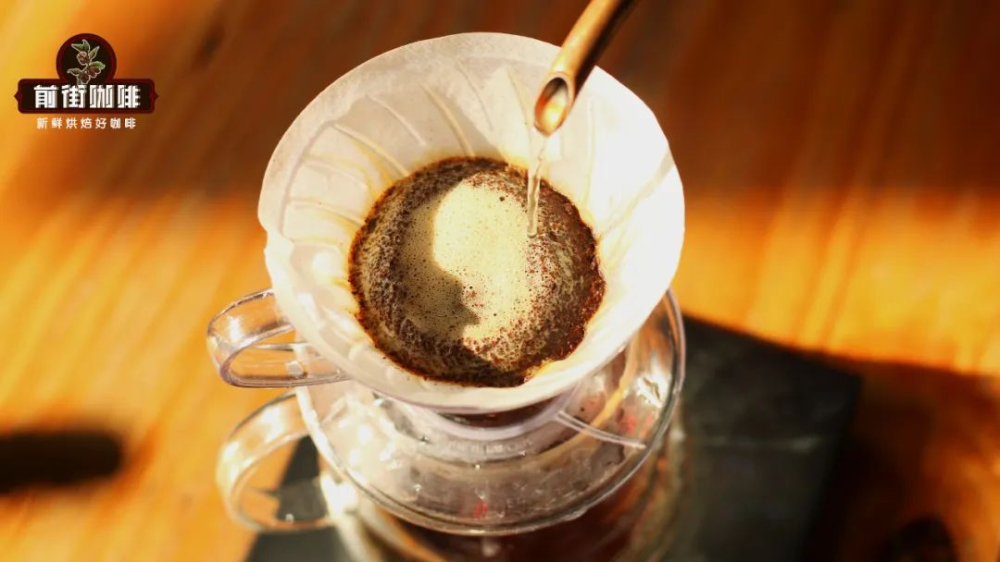
The specific process is as follows: first, pour 30 grams of hot water for the bloom to ensure all coffee grounds absorb water evenly and begin pre-extraction simultaneously; after 30 seconds, use a small stream of water at about 4 ml per second, pouring in small circles from the center clockwise to add the second 70-gram pour, aiming for the water level to reach about 3/5 of the filter cone. This helps the coffee grounds release gases and improves subsequent extraction efficiency; when the liquid level is about to drop to the bed of grounds, begin the third 70-gram pour, maintaining the same flow rate and slightly expanding the circle of pouring. This stage helps release more sweetness compounds; the final 70-gram pour is similarly executed, with attention to controlling the water flow to avoid disrupting the coffee bed structure, which could lead to uneven extraction.
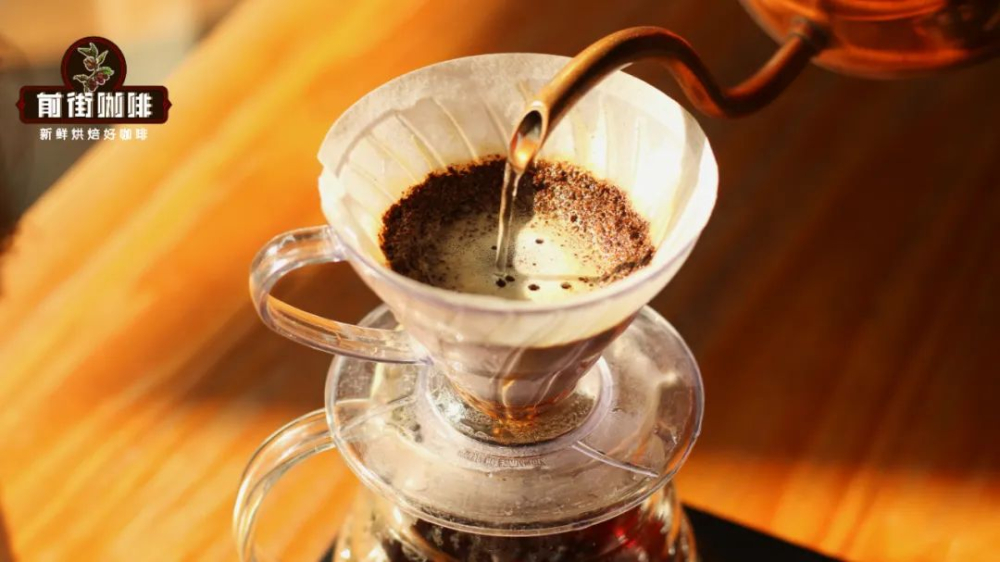
Through this segmented pouring strategy, not only is the overall contact time of the coffee extended, but it also helps balance the acidity-sweetness ratio and enhances the body. When tasting, this coffee immediately presents a distinct, clean sweetness, with flavors of passionfruit, grape, blueberry jam, and apricot. Compared to the traditional three-pour method, the acidity is softer, the body is fuller, and the aftertaste is long-lasting with a sweet finish. Even as the coffee cools, the sweetness remains pronounced, accompanied by subtle floral notes, making the overall performance quite outstanding.

In summary, to highlight the sweetness when brewing light roast coffee, the key lies in a comprehensive approach that includes bean selection, grind size, water temperature control, and pouring techniques. With careful adjustments, even beginners can easily brew delicious coffee with balanced acidity and sweetness and rich layers of flavor, enjoying the endless pleasures of pour over brewing.

The above content is compiled by CoffeeHunters, a coffee news website.


