







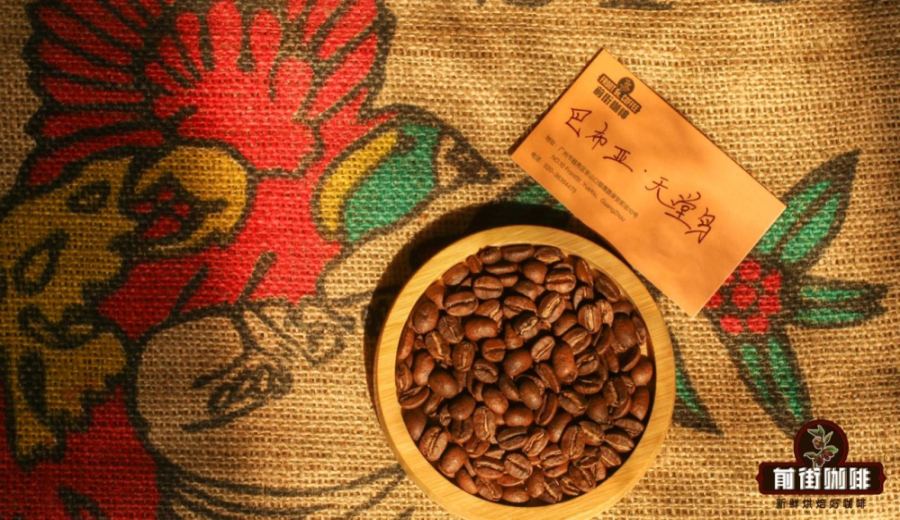
Introduction:Acidity is an important element that influences the flavor of coffee, but many people mistakenly believe that acidity equals bad taste. In fact, acidity is closely related to roast level and regional processing methods. Moderate acidity can enhance the complexity and freshness of coffee. This article delves into the sources and roles of acidity, and recommends several low-acid, well-balanced single-origin beans for pour over based on roast levels, helping you find your ideal cup of coffee.
The acidity in coffee is different from what we commonly refer to as pH value; it refers to the brightness of acidity on the flavor level and is one of the key components that shape the overall flavor profile of coffee. Along with body, aroma, sweetness, bitterness, and aftertaste, it contributes to the character of a cup. Many people, when first trying light roast coffee, are often put off by its noticeable acidity. However, acidity is actually one of the important indicators of coffee quality—the key lies in whether the acidity is balanced and pleasant.
Generally speaking,the lighter the roast, the more pronounced the acidity; whereas the darker the roast, the more the acidity is suppressed by caramelization reactions, giving way to more bitterness and sweetness. This is why many people prefer medium-dark or dark roast coffees. However, acidity isn't solely about being "sharp"—moderate fruit acids can bring freshness, brightness, and vibrancy, making the coffee's profile richer. Types of acidity include citric acid, malic acid, lactic acid, and acetic acid, among others. These compounds form the complex flavor map of coffee.
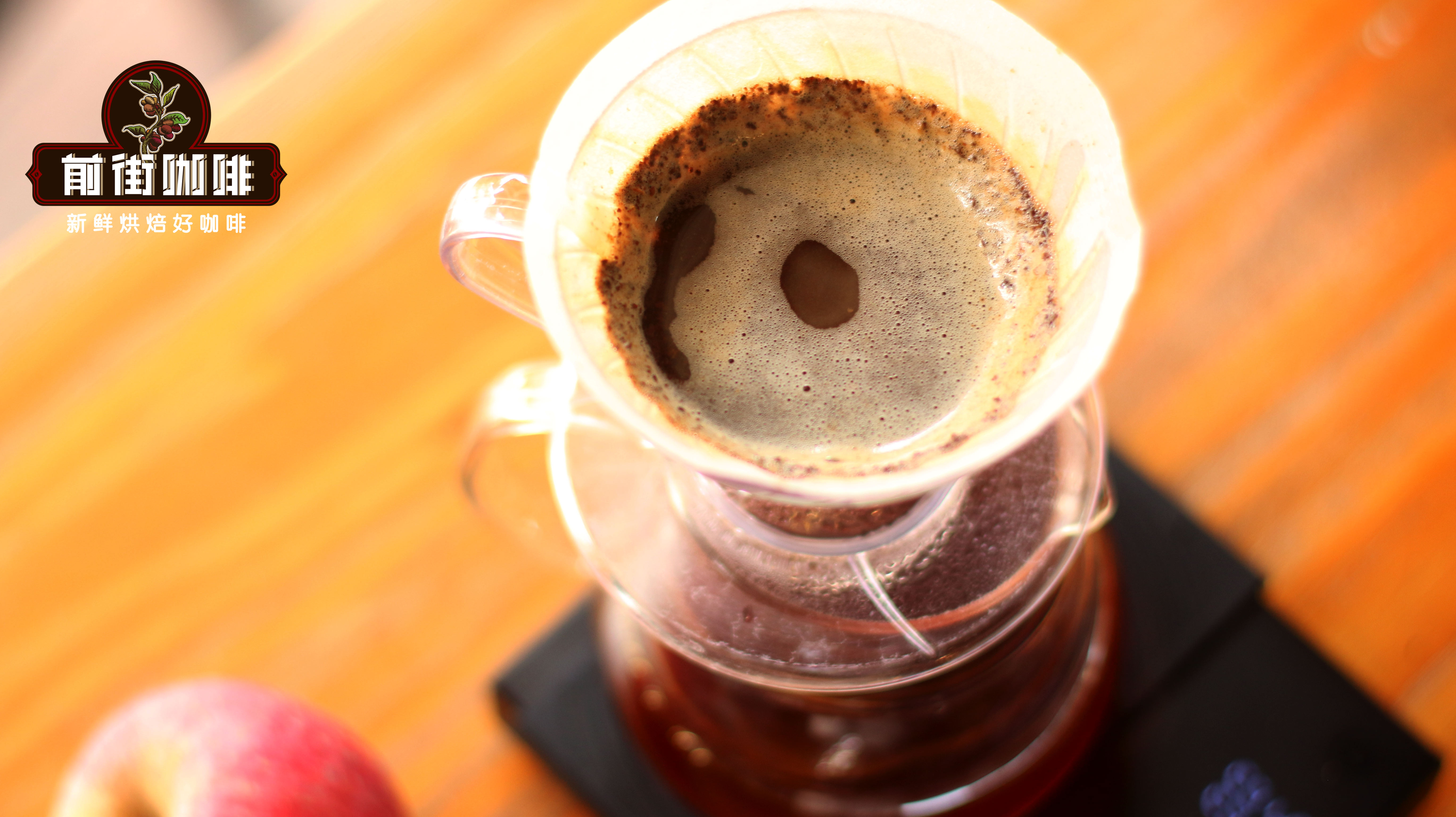
Acidity plays a finishing touch role in specialty coffee. If a cup of coffee has no acidity at all, it often comes across as dull, monotonous, and lacking vitality. For example, coffees from certain regions naturally exhibit varying degrees of acidity brightness due to differences in altitude, variety, and processing methods. Understanding these variations helps us more accurately choose beans that match our personal taste preferences.
If you prefer low-acid coffee, it’s recommended to start withmedium to dark roastbeans, as the longer roasting time gradually transforms the acidity while releasing more warm flavors such as caramel, nuts, and chocolate—ideal for those who enjoy a fuller-bodied taste. Additionally, coffee from different regions, influenced by climate, soil, and variety characteristics, also shows varying acidity profiles. For instance, Central and South American beans often feature clear fruity acidity, while Southeast Asian beans tend to show herbal, spicy, and low-acid traits.
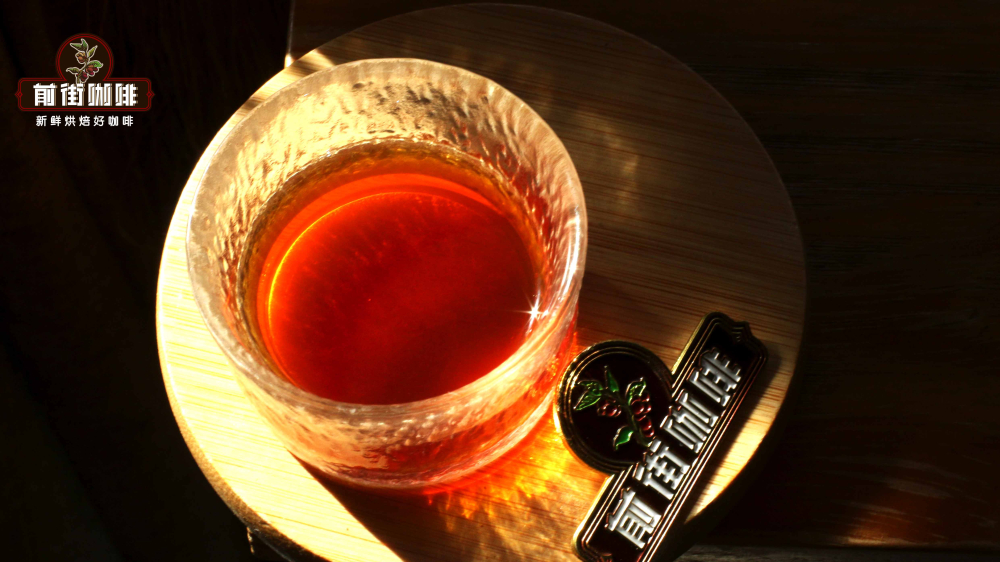
Here are several selected coffee beans that are suitable for pour over, offer balanced flavor, and have low acidity. Each comes with different roast levels and processing methods, catering to various types of coffee enthusiasts:
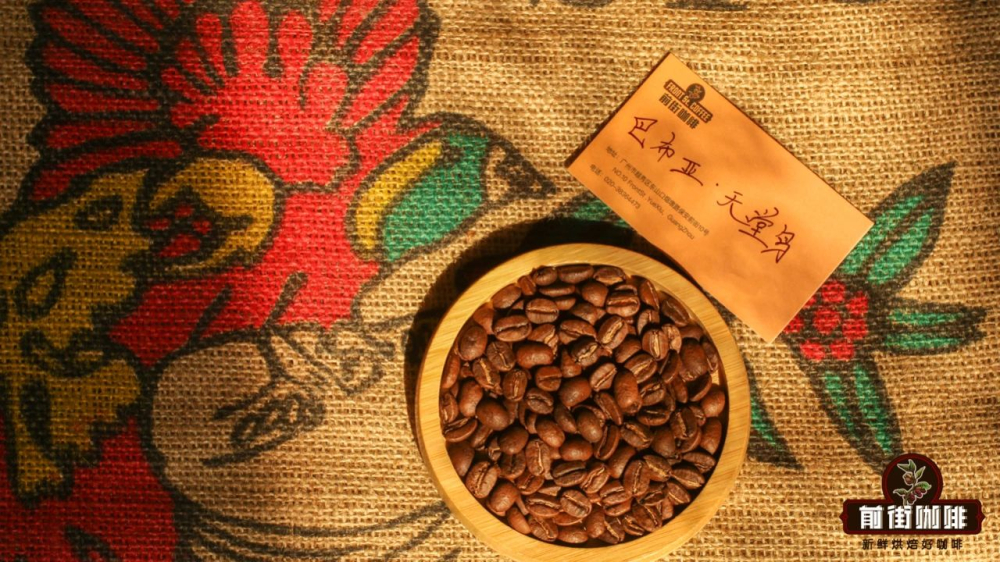
1. PWN Bird of Paradise (Papua New Guinea):
Made from the traditional Typica variety, known for its elegant and clean flavor profile. Although Typica has low yield and is susceptible to disease, its beans are slender and the flavor is distinct. This offering, roasted to a light-to-medium level, showcases gentle acidity and balanced taste, perfect for those who enjoy subtle flavors.
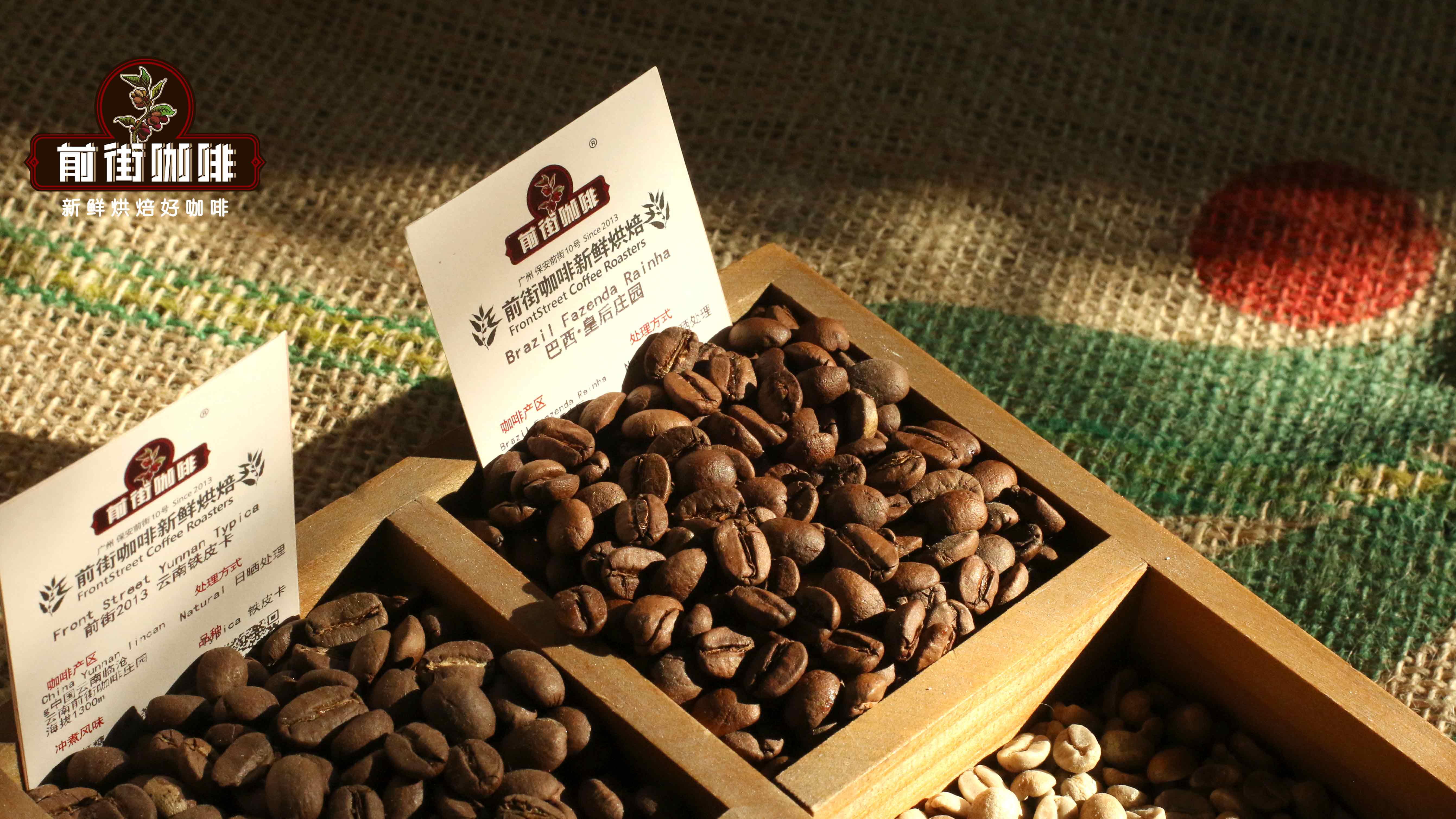
2. Brazilian Queen Estate (Yellow Bourbon):
Sourced from high-altitude regions, this Yellow Bourbon variety features high density and rich sugar content. Roasted to a medium-dark level, it enhances body and sweetness, with mild and unobtrusive acidity. Suitable for pour over, moka pot, or even espresso machines, it’s a solid choice for those new to low-acid coffee.
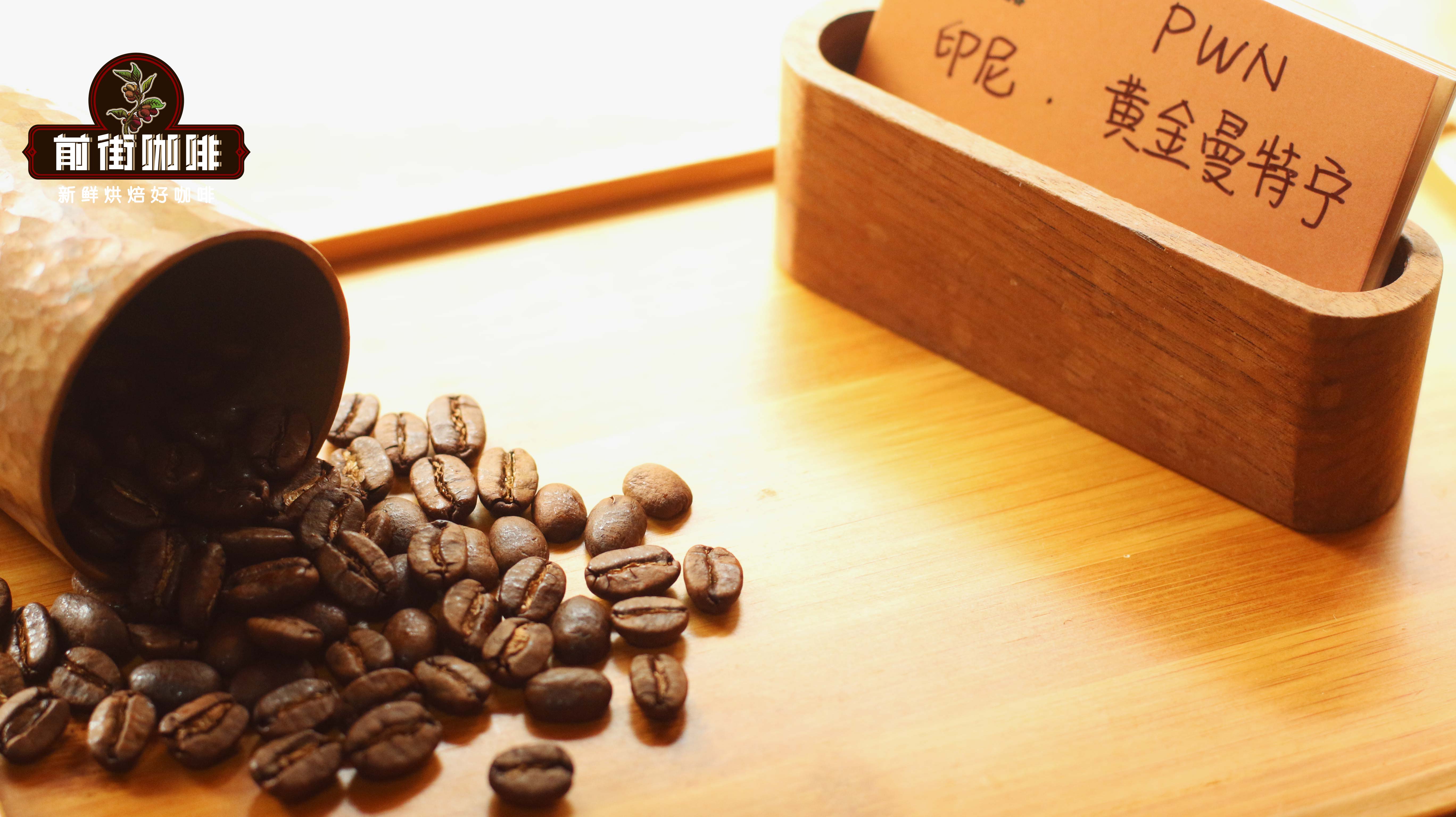
3. PWN Golden Mandheling (Indonesia):
A classic representation of dark roast, emphasizing spice, herbaceous notes, and a full body. The beans undergo three rounds of mechanical and hand sorting to remove defects, resulting in a cleaner taste and pronounced sweetness. The dark roast effectively suppresses excessive acidity, delivering a rich and smooth flavor profile—ideal for those who prefer bold tastes.
4. Yunnan Typica (Yunnan, China):
Made from the ancient Typica variety and processed using the natural (sun-dried) method, it highlights natural fermented aromas and a silky mouthfeel. Medium roast emphasizes nutty, chocolatey, and black tea notes, suiting those seeking balance and a smooth, mellow cup. The acidity is soft, with a lingering hint of brown sugar in the aftertaste.

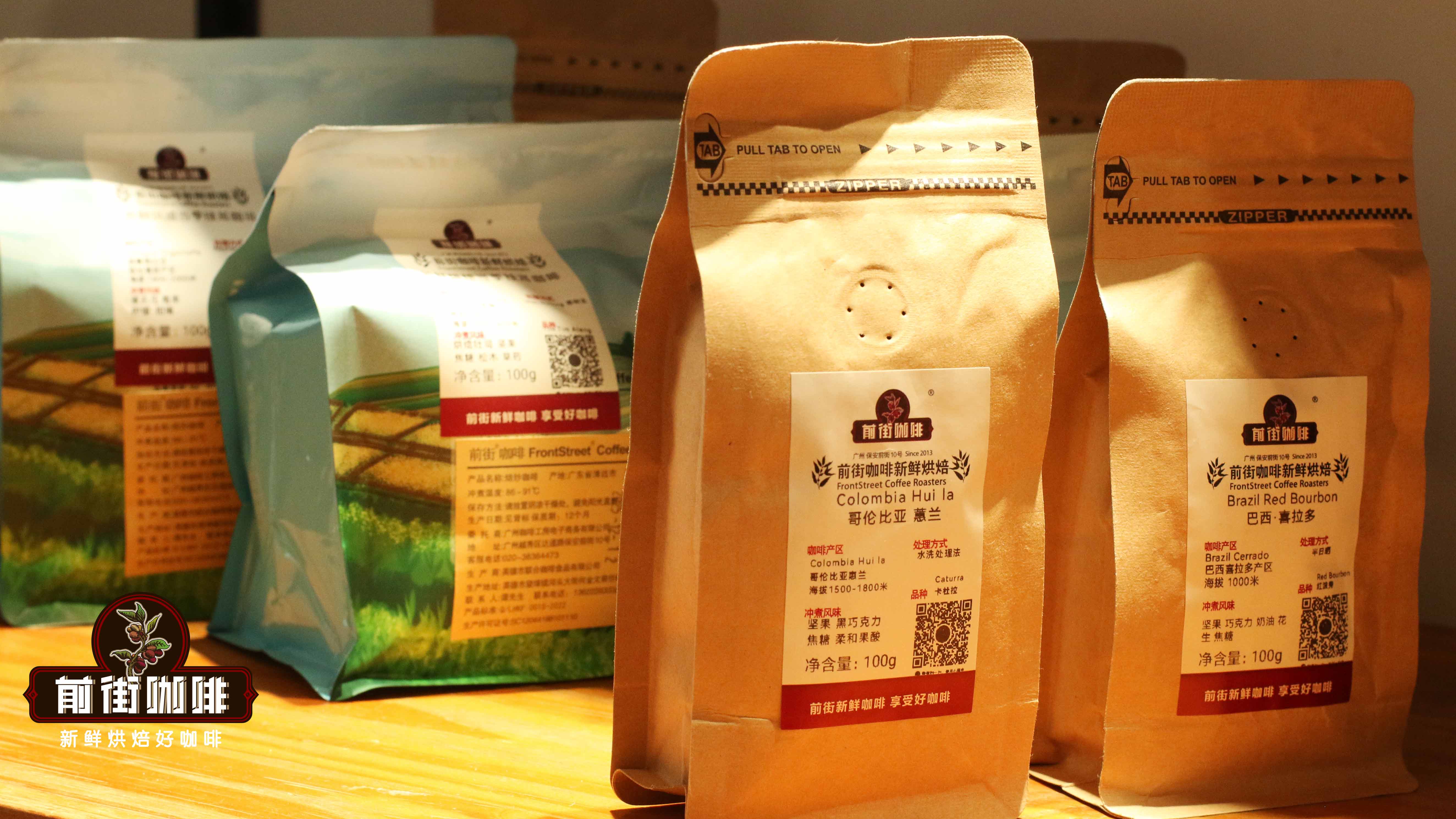
5. Colombian Huila (Washed Process):
The washed process gives the coffee a clean and bright flavor profile. Medium-dark roast brings out sweet notes like creamy chocolate, caramel, and cookies, with low acidity and clear layers. It’s perfect for those who enjoy stable, warm flavors and is also a popular choice for both pour over and espresso drinks.
The above content is compiled by CoffeeHunters, a coffee news website.


