







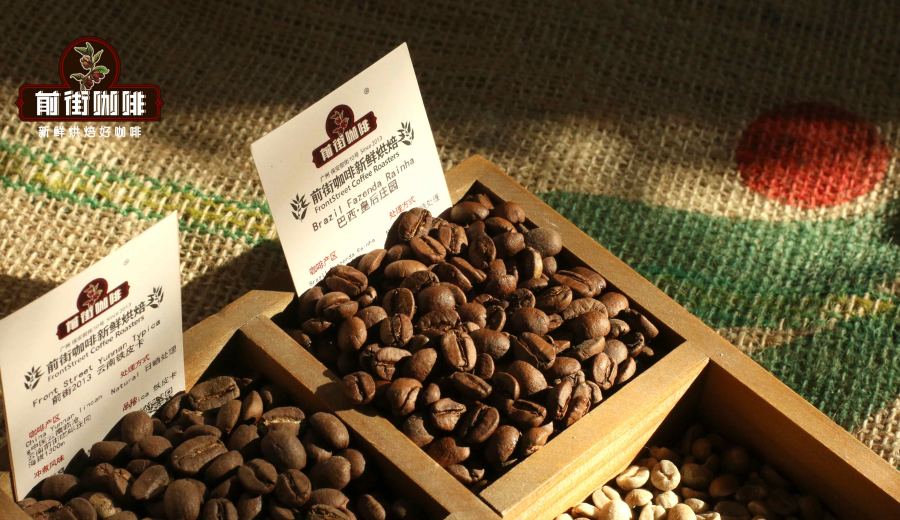
Introduction:Looking for a pour over coffee with a rich body, low acidity, and flavors of cocoa or dark chocolate? This article selects 6 classic single-origin beans from different regions, covering renowned coffee origins such as Brazil, Colombia, and Indonesia. It provides a detailed analysis of their roast levels, processing methods, flavor profiles, and recommended brewing parameters, helping you easily avoid overly acidic beans and find your perfect match in deep, bold flavors.
The charm of pour over coffee lies in its ability to clearly showcase the terroir and processing details of each origin. However, many beginners shy away due to a fear of sourness. In reality, by choosing the right origin and roast level, you can enjoy beans that are low in acidity, rich in body, and feature deep cocoa or dark chocolate notes. Below are six single-origin coffees that are flavor-stable, ideal for pour over, and almost entirely free of acidity, along with practical flavor descriptions and brewing suggestions.
Brazilian Queen Estate Yellow BourbonThis is a rare variety grown at high altitudes, with high density and abundant sugar accumulation, making it well-suited for medium to dark roasts that highlight a rich caramel base and gentle sweetness. Even when lightly roasted, this coffee rarely exhibits noticeable acidity.Image reference: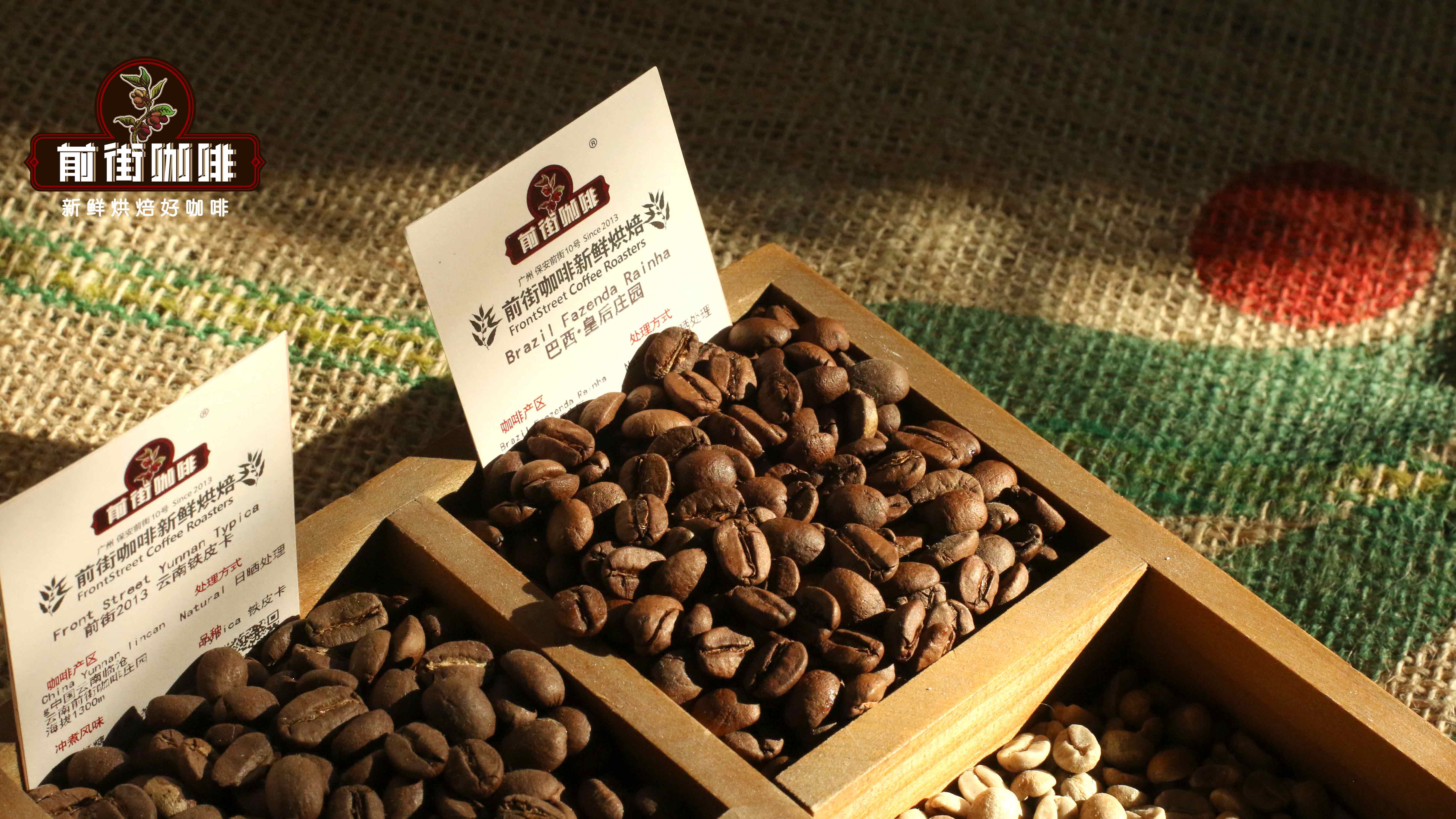 , its aroma is dominated by nuts and creamy chocolate, with a hint of caramel sweetness and a warm, bread-yeast-like finish.
Fromthe Caturra variety of Colombia’s Huila region, processed using the washed method, resulting in a clean and bright flavor profile. With a medium to dark roast, its flavor leans towarddark chocolate, cream, roasted nuts, and cocoa, making it ideal for brewers who prefer bold yet low-acid tastes.Image reference: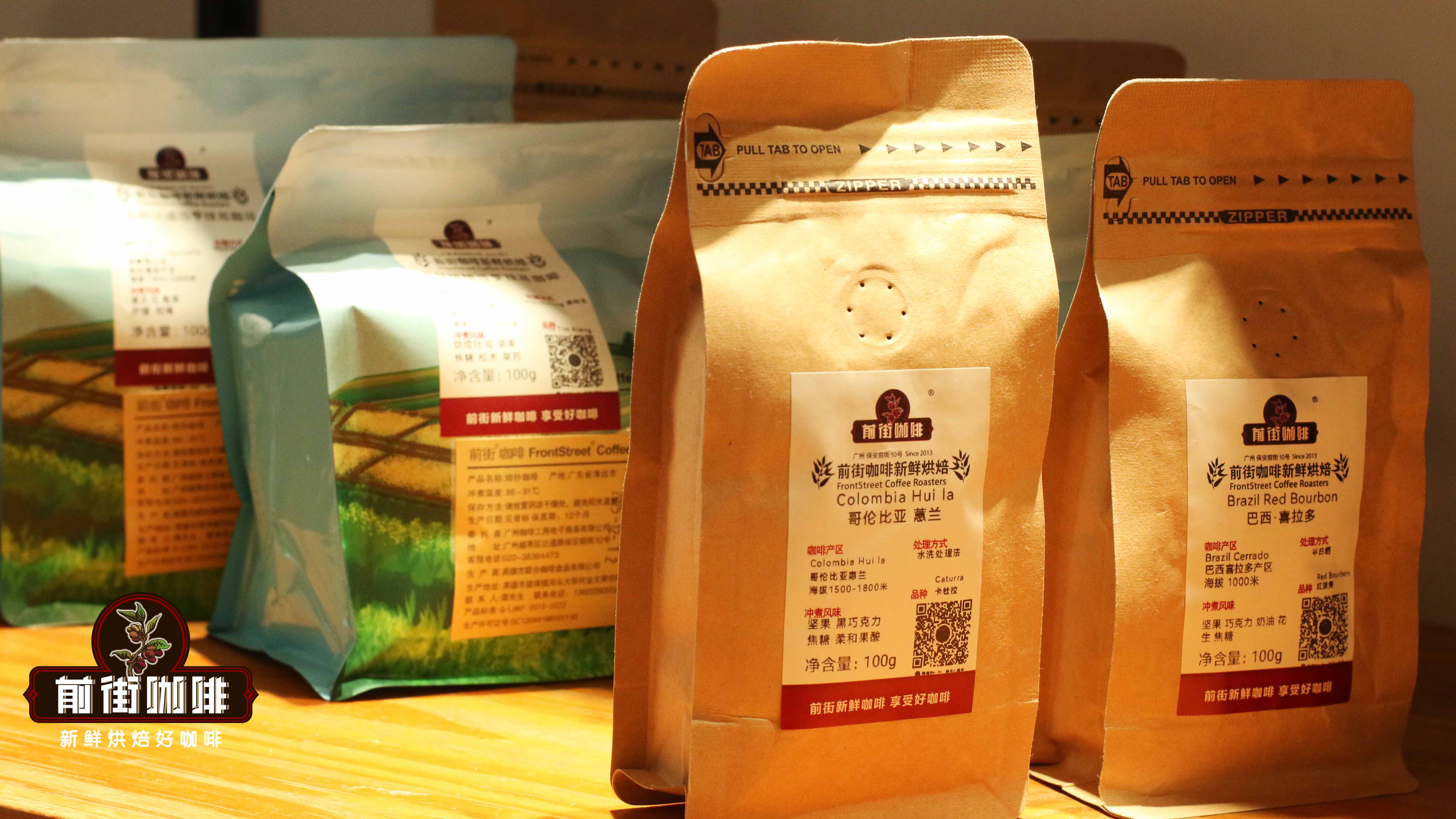 , recommended grind size is medium-fine (about the size of refined sugar by Chinese standards), with water temperature controlled at 90–92°C to emphasize its creamy texture and chocolate aftertaste.
Indonesia’s Sumatra PWN Golden Mandheling, rigorously hand-sorted multiple times to remove defective beans, and processed via the wet-hulled method, which gives it low acidity and a rich, full-bodied character. A dark roast perfectly brings out itsnutty, toast, pine, and caramellayers, often regarded as one of the representatives of Mandheling quality.Image reference: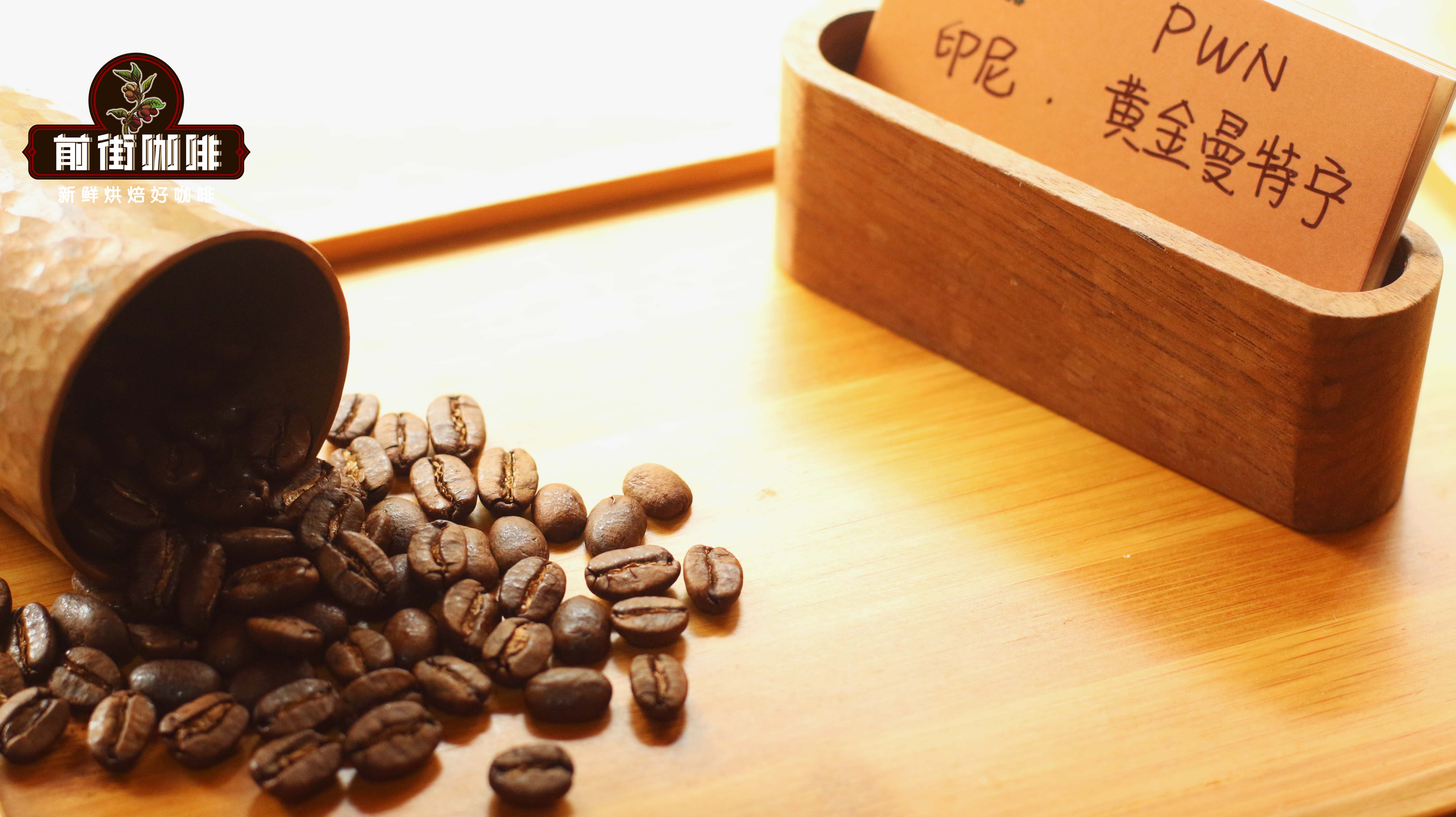 , recommended to use a medium-coarse grind (about the coarseness of sea salt), with slightly lower water temperature (88–90°C) to prevent over-extraction and bitterness.
Papua New Guinea’sBird of Paradise coffeeis grown at high altitudes between 1600–1800 meters, using traditional washed processing. The beans are shaped distinctly pointed, characteristic of the Typica variety. Its flavor is refreshing and layered, not intense in dark chocolate but offering high balance and clean acidity, suitable for those who prefer subtle, mild richness.Image reference: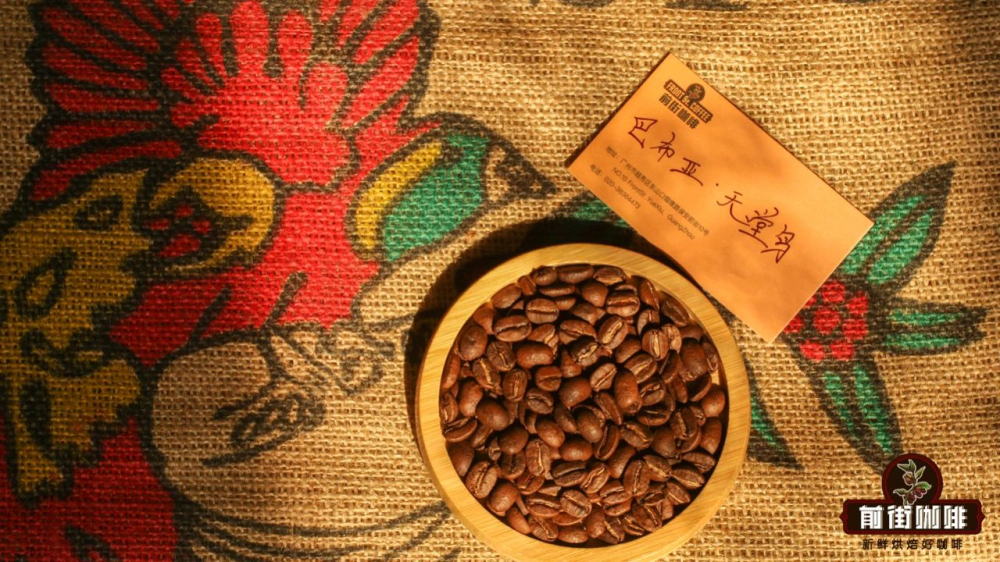 , recommended light to medium roast, with water temperature at 90–91°C to bring out mild floral notes and honey sweetness.
If you prefer pronounced cocoa and nutty characteristics,Brazilian Cerrado Red Bourbonis a great choice. This bean is processed using the honey method, retaining moderate sweetness and fruity notes while showcasing richnutty, creamy, peanut, and caramelflavors.Image reference: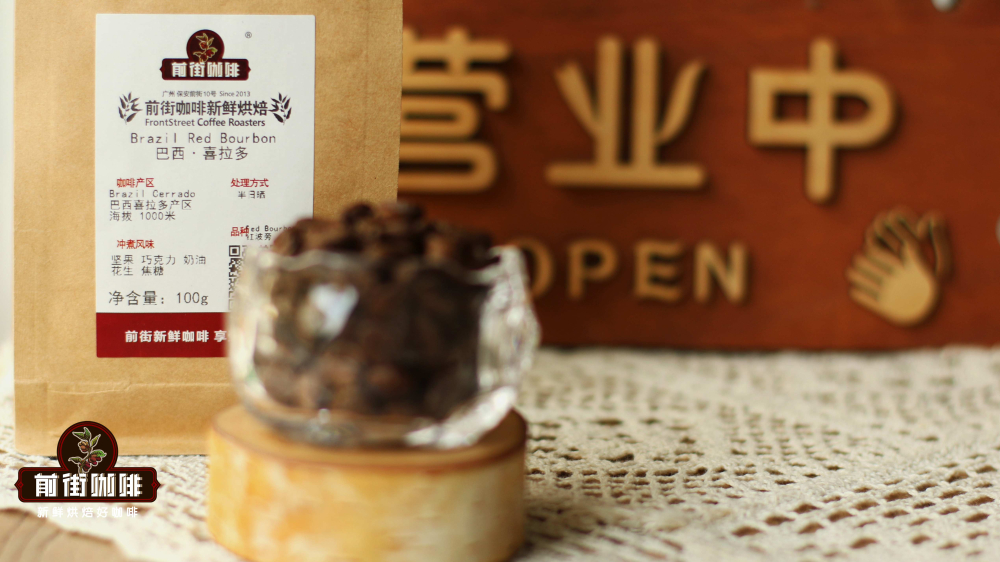 , a medium to dark roast enhances its chocolate base, making it suitable for both single-origin pour over and as a blend base for espresso. Recommended grind is medium-fine, brewed at 91–93°C.
Besides single-origin beans, if you’d like a blend of diverse flavors in one cup, try theclassic three-country blend (Brazil, Indonesia, Vietnam), featuring a dark roast that delivers rich, bold flavors and delicate crema, perfect for making Americano or latte.Image reference: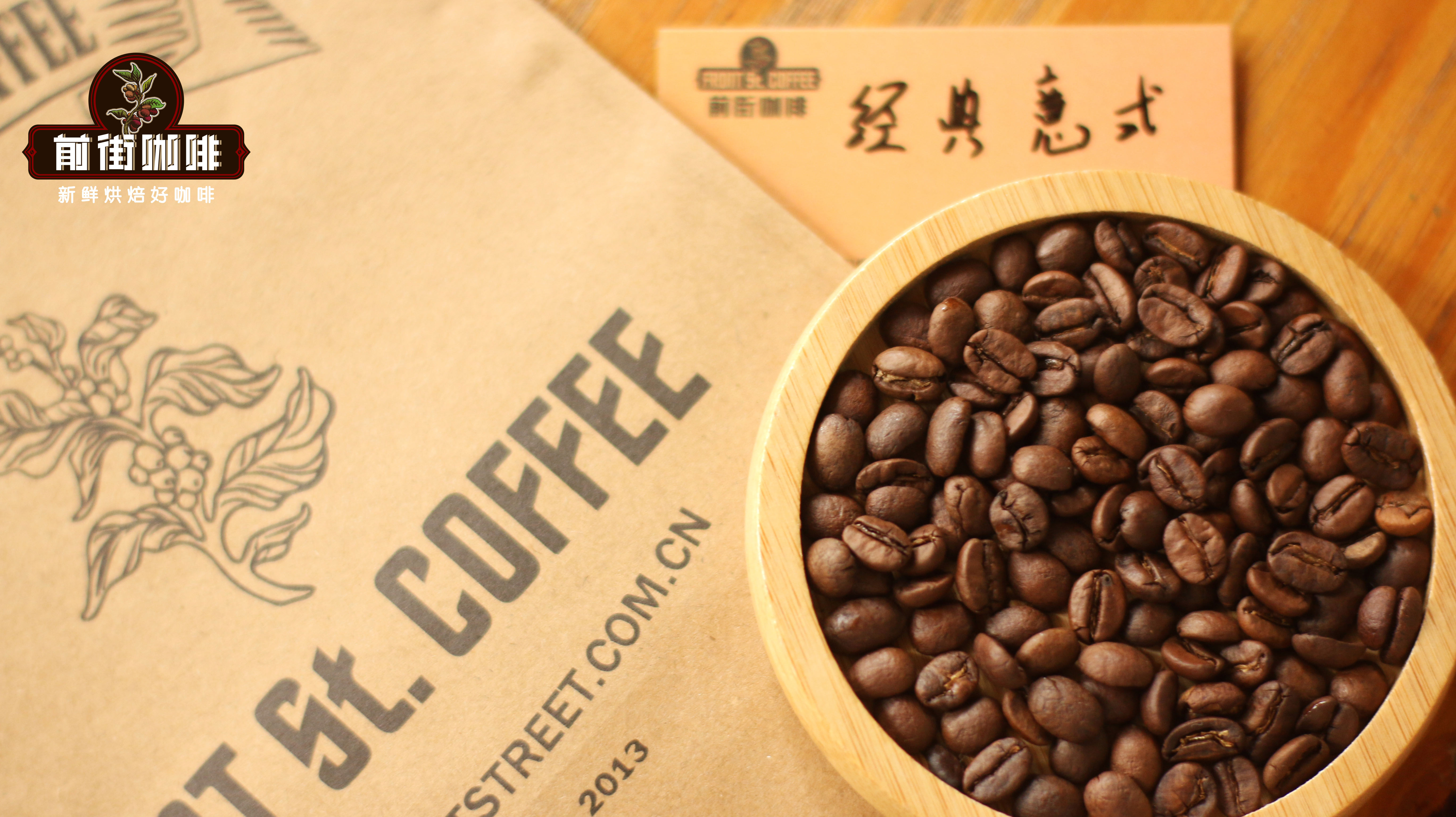 , this blend emphasizes dark chocolate, nuts, and toasted grain notes, with balanced flavors and no noticeable acidity—making it a solid choice for beginners. Recommended grind is medium-coarse, brewed around 90°C, and pairs well with milk for a smooth mouthfeel.
In summary, choosing high-altitude, medium to dark roasted beans, processed via washed or wet-hulled methods, usually helps reduce acidity and highlights warm, comforting notes such as cocoa, dark chocolate, and nuts. By controlling grind size and water temperature appropriately, you can easily brew a rich, full-bodied coffee with almost no sourness for an excellent cupping experience.
The above content is compiled by CoffeeHunters, a coffee news website.

