








Introduction:This article delves into the unique flavor profiles of coffee-growing regions across Africa, Asia, the Americas, and island nations—from bright citrus notes to rich chocolate tones—helping you understand how different roast levels influence flavor. For pour over beginners, we provide a practical guide to recommended beans at light, medium, and dark roast levels, along with typical processing methods and brewing tips for beans from each origin, aiding you in finding a balanced daily drinker that suits your taste preferences for acidity, sweetness, and bitterness.
The regional differences in coffee flavors are a key factor in selecting the right beans for pour over. The world’s major coffee-producing regions can be divided into Africa, Asia, the Americas, and several island nations. Each area, due to variations in climate, altitude, and processing methods, produces distinctly different flavor profiles. With an understanding of these characteristics, whether you’re a fan of light roasts with vibrant fruit acidity or a supporter of bold, full-bodied dark roasts, you’ll be able to more precisely choose pour over beans that match your personal taste.
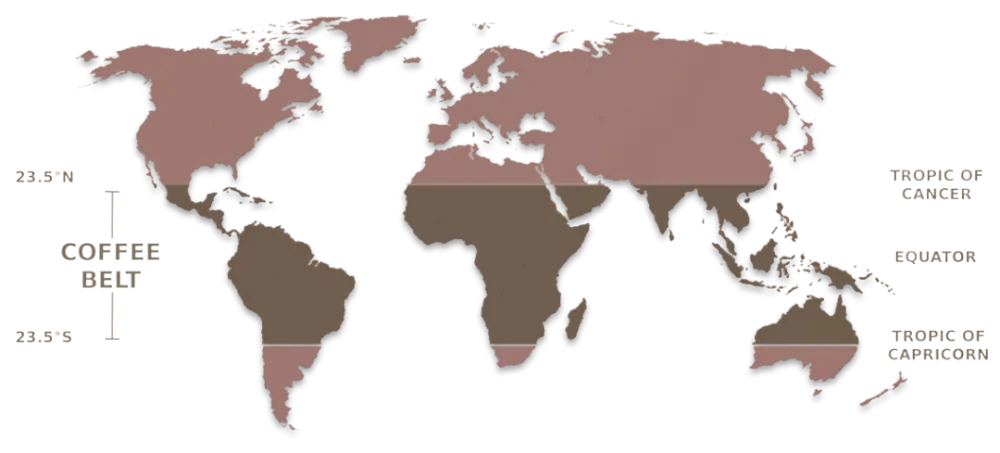
African beans are renowned for their intense floral and fruity characteristics, with Ethiopia and Kenya being the most representative. Coffees from this region generally feature bright acidity and a diverse array of aromatic layers, with relatively mild bitterness, making them ideal for brewers who enjoy lively and dynamic flavors. It’s worth noting,light roasting preserves more of the beans' original flavors, while overly dark roasting can easily mask their delicate fruit nuances. If you enjoy a refreshing experience akin to sipping freshly pressed juice, African-origin beans are an excellent choice for starting your pour over journey.
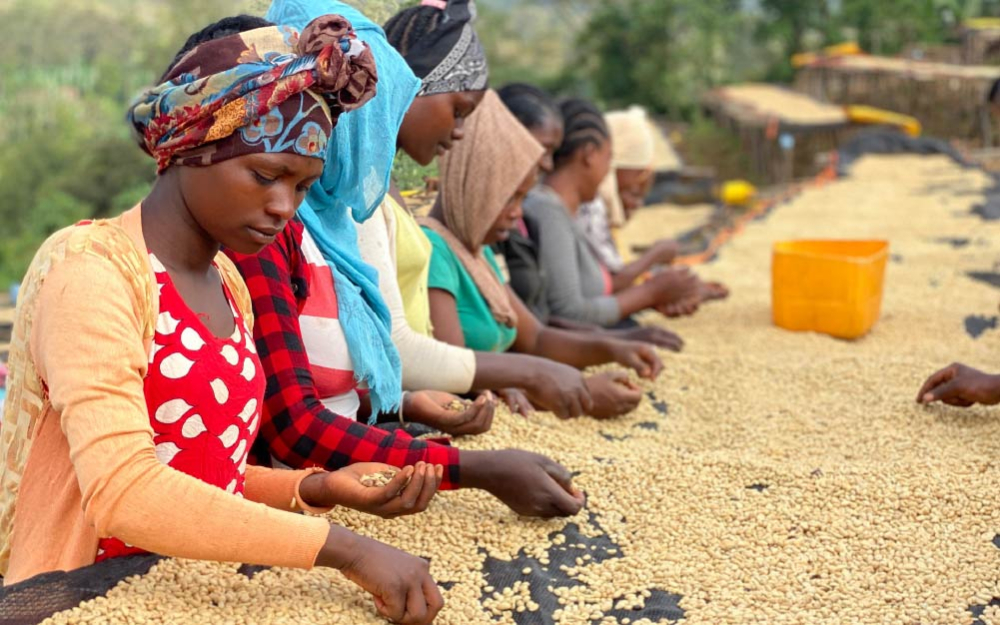
Ethiopia, considered the holy land of specialty coffee, often showcases a varied aromatic theater in its beans—from pure white jasmine and citrus to sun-dried green tea notes, all of which are classic expressions of the country. Kenyan beans, on the other hand, are distinguished by their intense berry acidity and solid body, with a unique composite flavor of "black plum and dark plum" derived from the tight structure conferred by high-altitude cultivation. Observing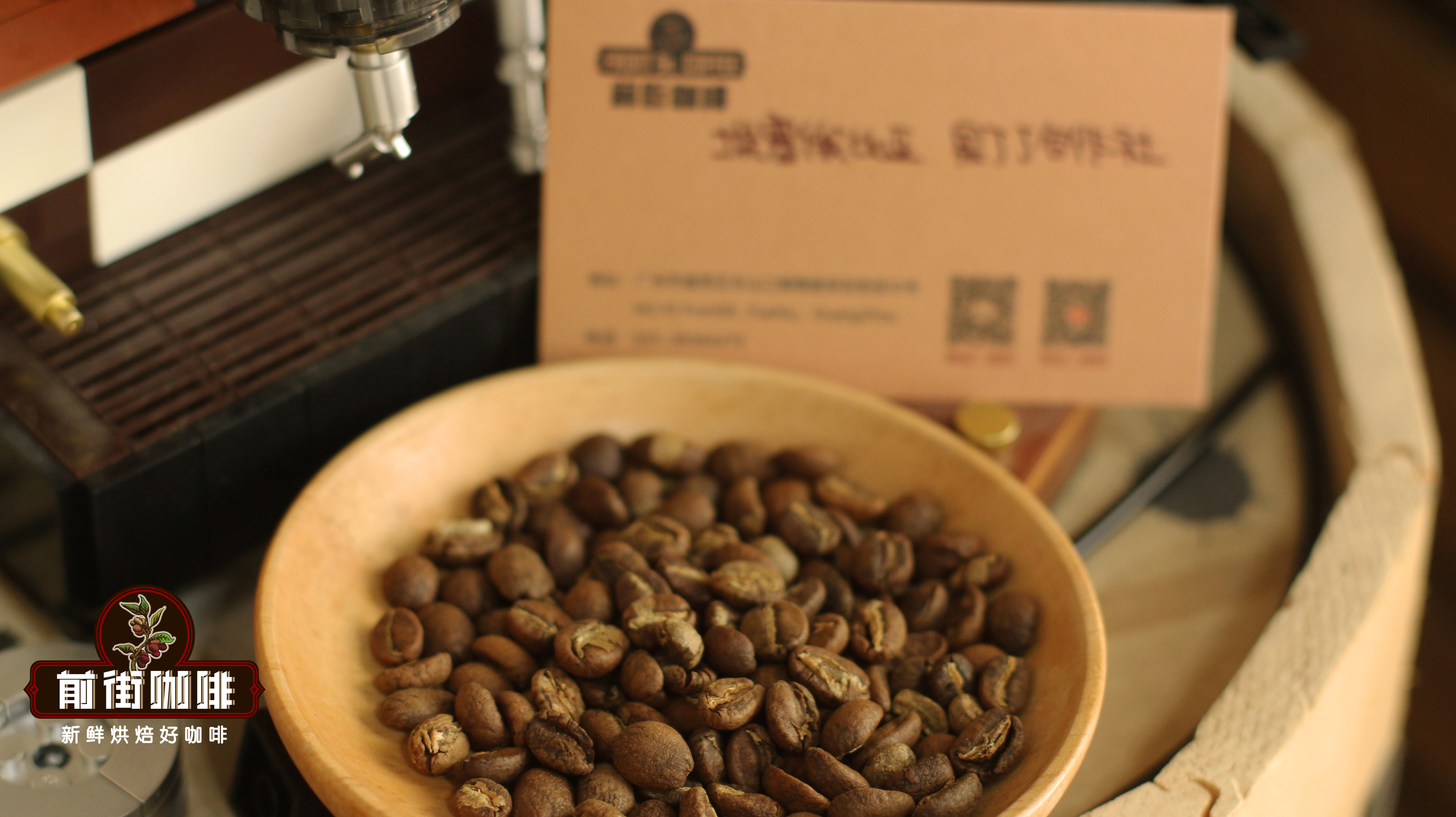 you’ll notice that such beans emit vibrant fruity aromas even when ground, hinting that they are suitable for extraction with relatively high water temperatures (around 92–94°C) to bring out their rich complexity.
Asian-origin coffees take a different extreme: emphasizing a heavy body and low acidity, they create an experience akin to drinking a well-aged beverage. Indonesian Mandheling is known for its rich caramel aroma and spicy notes,with medium to dark roasting or dark roasting enhancing its creamy texture. Meanwhile, Blue Mountain No. 1, hailed as the “King of Coffee,” demonstrates a rare and exquisite balance of acidity, sweetness, and bitterness, with its nutty and toffee-like finish that can only be fully revealed through precise medium-light roasting (around 88–90°C). Observing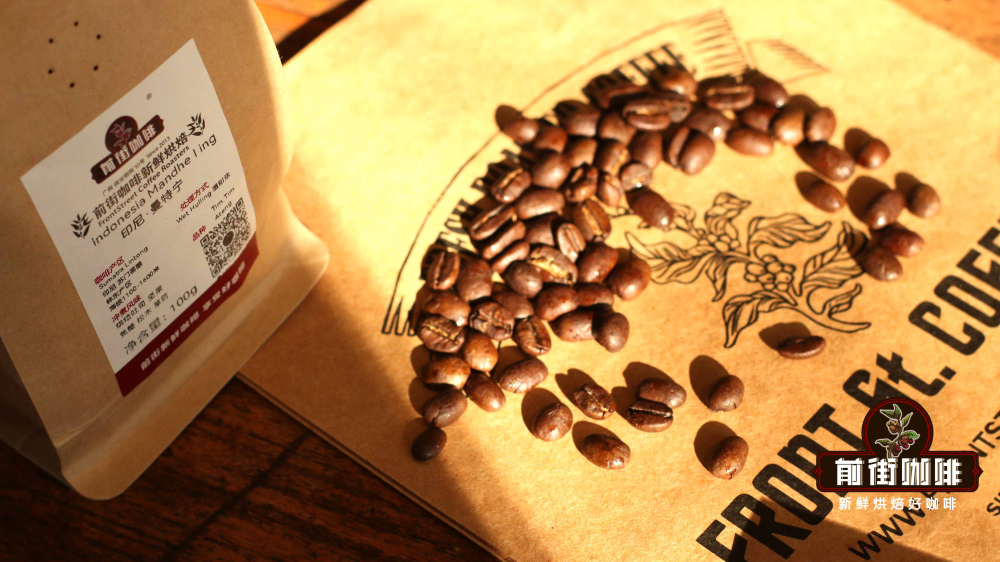 and
 you may notice that such beans typically have a denser grain structure, so it’s advisable to use a finer grind to extend extraction time.
The Americas region can be considered the master of balanced flavors, offering a wide variety of pour over possibilities from Panama’s Geisha to Brazil’s nutty-chocolate profiles. Panama’s Emerald Water Decaf Geisha is famed for its jasmine floral notes and melon finish, with its honey-like sweetness resulting from meticulous washed processing and high-altitude cultivation. Colombian Huila exhibits classic cocoa and nutty notes, making it suitable either as a single origin or as a base for blends. Observing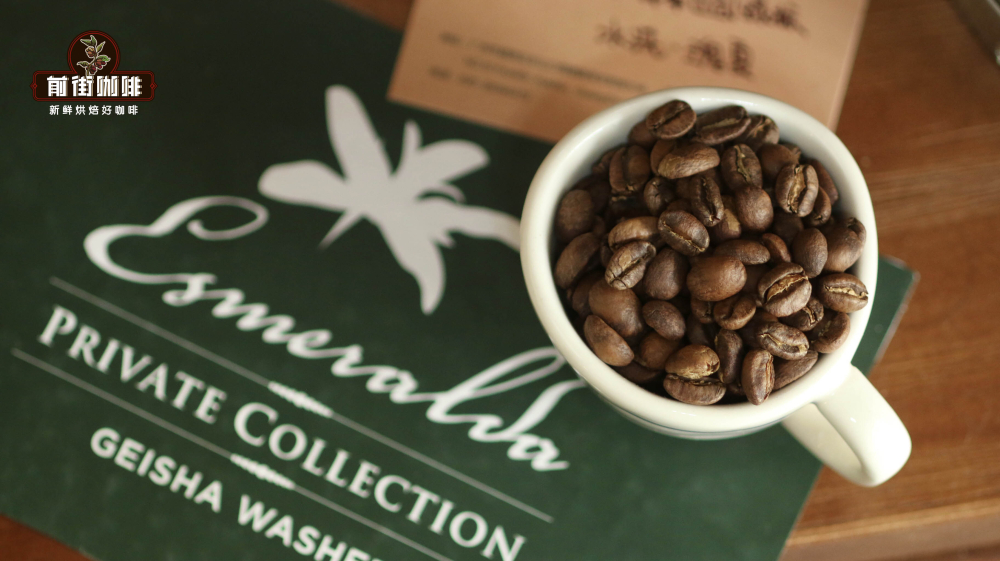 and
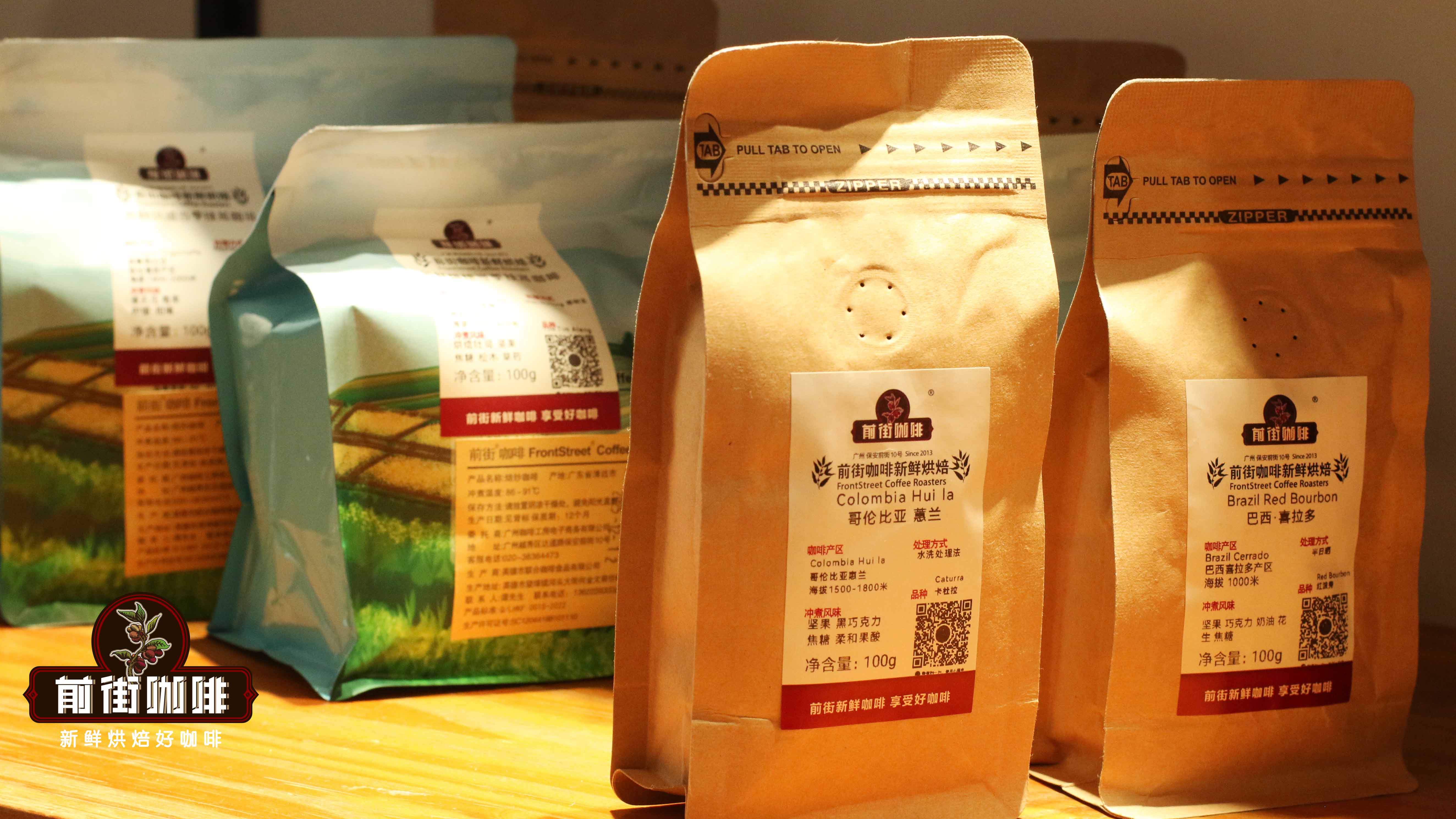 you’ll find that such beans have a medium density, fitting within the operational range of most pour over devices. Brazilian Red Bourbon is prized for its low acidity and creamy nuttiness, with its stable performance making it a staple bean for many coffee shops in Europe and America.
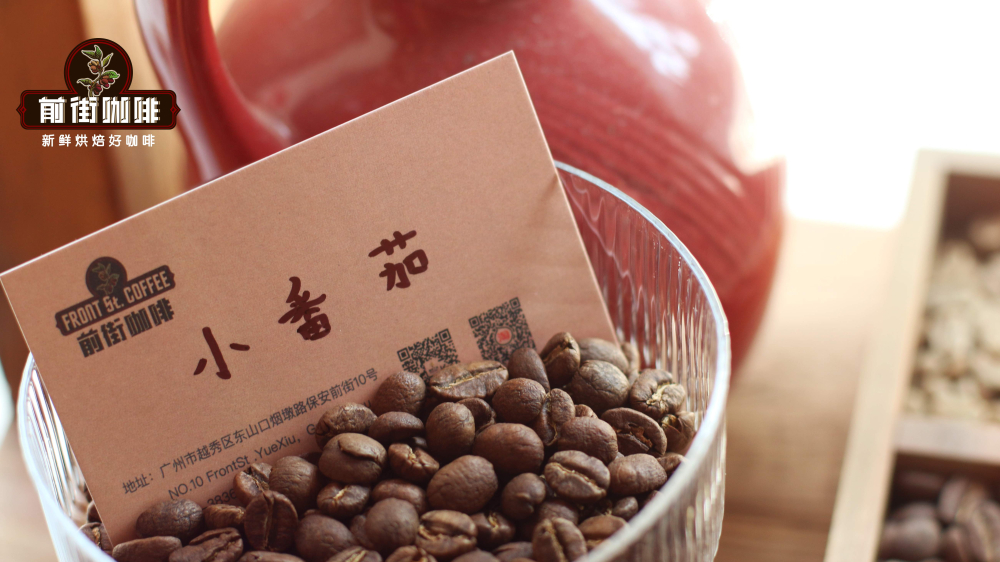
Costa Rica and Honduras, where honey processing is popular, add unique colors to the Americas region. Costa Rica’s Blackberry Coffee Beans, processed with a honey method that retains a large amount of mucilage, impart pronounced fermented aromas and berry notes; it’s recommended to use a higher coffee-to-water ratio (such as 1:15) to balance the sweetness. Honduran washed beans, meanwhile, offer gentle fruit and toffee aftertastes. Though not as thick-bodied as Asian beans, their moderate acidity-sweetness ratio makes them a reliable choice for everyday drinking. Observing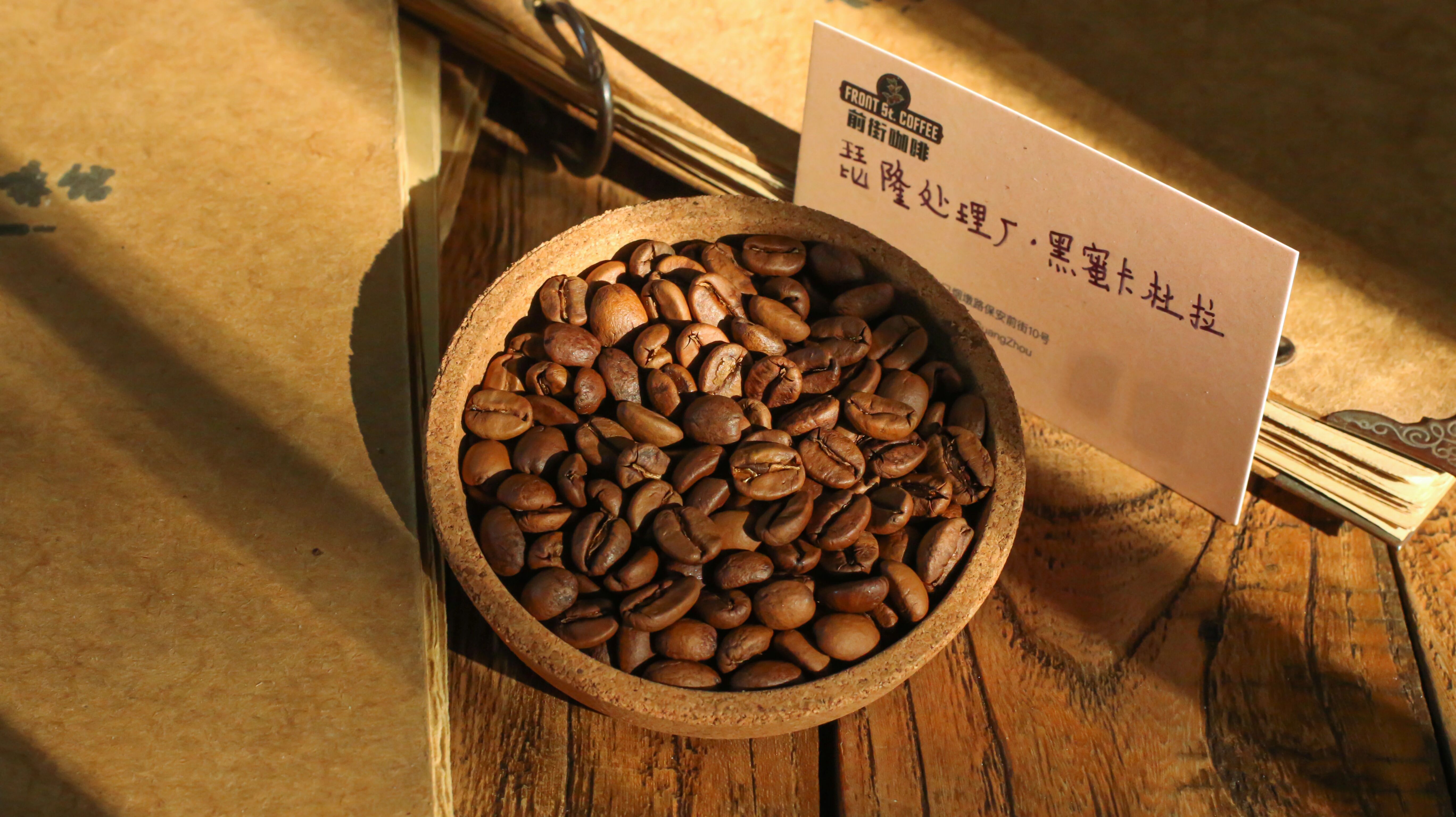 and
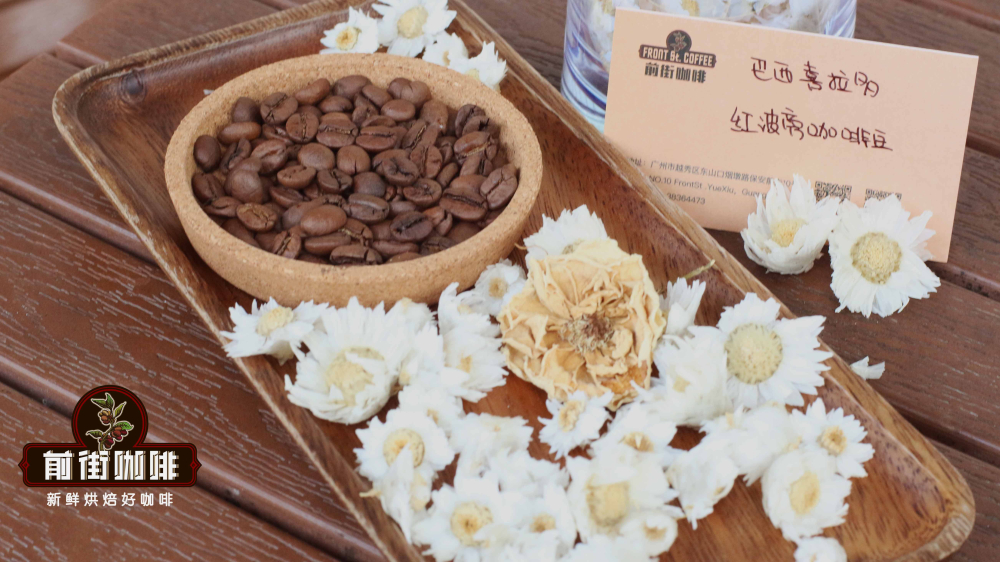 you’ll notice that such beans usually have a lower defect rate, making them suitable for beginners practicing their pour over techniques.
Island coffees such as those from Hawaii and Papua New Guinea hold a distinctive place with their unique regional flavors. Hawaiian coffee, with its maltose-like sweetness and light body, suits those who prefer milder-tasting brews; while Papua New Guinea’s Paradise Bird, often dubbed the “Little Blue Mountain,” exhibits cocoa and white chocolate notes along with subtle spice layers. These beans generally require lower roast levels to preserve the distinctive fresh flavors of island coffees. Observingand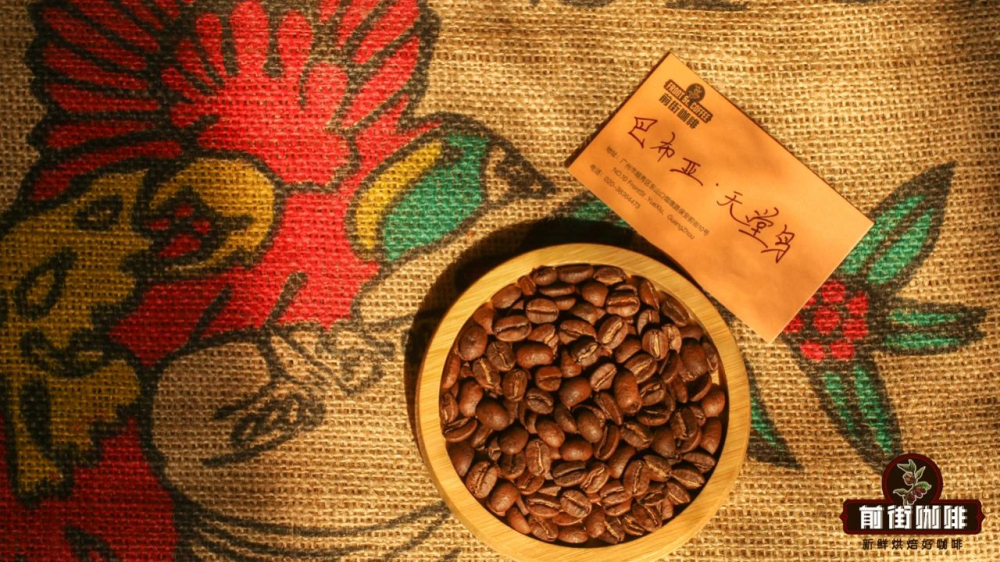 you’ll find that their beans often display light green to light blue hues, indicating a relatively light roast degree.
The above content is compiled by CoffeeHunters, a coffee news website.

