







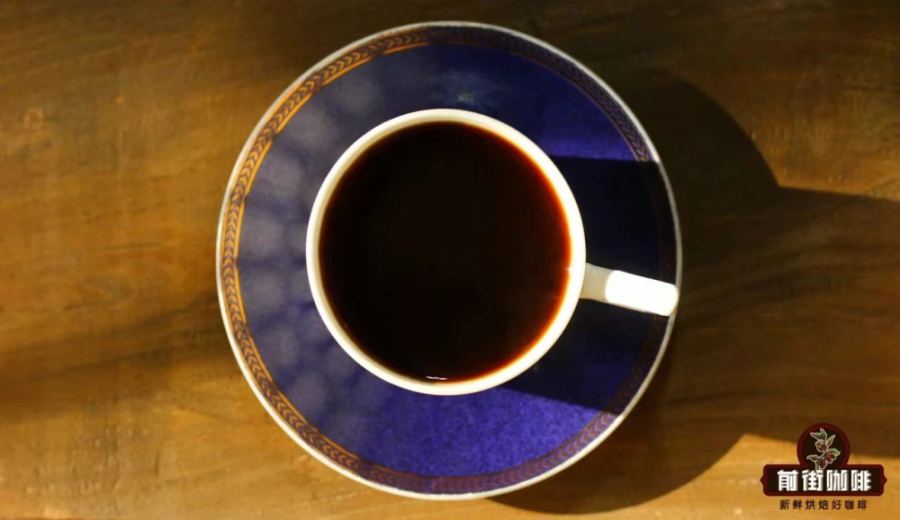
Introduction:Looking for a low-acid, full-bodied coffee bean suitable for dark roast pour over? Indonesia’s PWN Golden Mandheling is the top choice for many coffee enthusiasts. This article delves into the flavor profile, selection process, and roasting characteristics of this classic Mandheling, while offering professional-grade pour over recommendations to help you fully bring out its rich notes of nuts, caramel, and spices—allowing you to experience the deep richness of dark roast coffee.
When it comes to coffee beans that are low in acidity yet layered with complexity, many people immediately think of Golden Mandheling from Sumatra, Indonesia. This classic dark roast coffee is renowned for its distinctive sticky rice, malt, and woody tones. When brewed with hot water, it releases intense aromas of caramel and pine, and offers an exceptionally low acidity. Instead, it presents a smooth spiciness and pronounced sweetness on the palate, leaving a lasting impression.
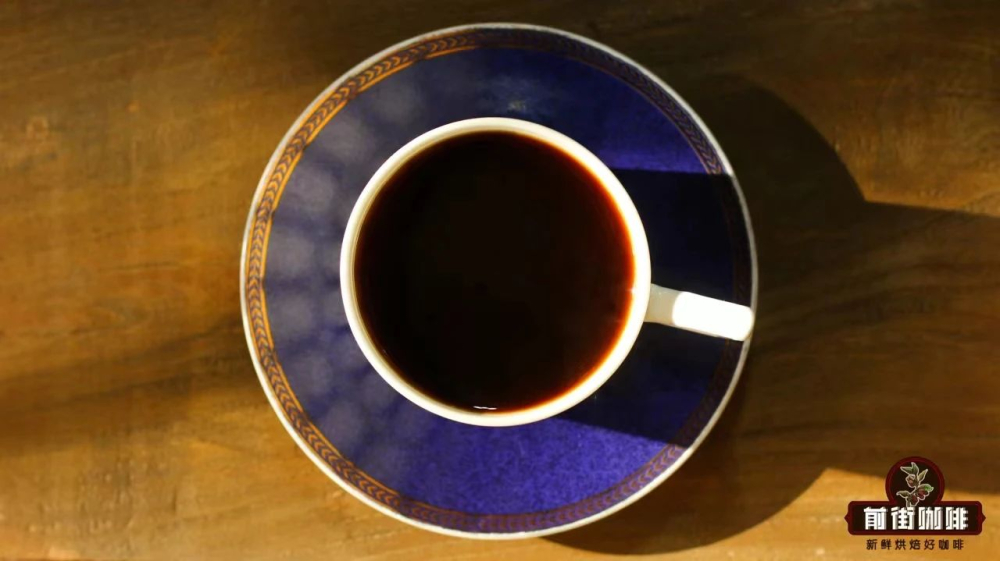
Golden Mandheling is produced by the well-known Indonesian coffee company Pawani Coffee Company, abbreviated as PWN, which also holds the trademark for the name. The brand is extremely particular about product quality, carefully selecting premium Mandheling green beans from surrounding growing regions and subjecting them to three rounds of manual sorting and one round of mechanical screening. This ensures that each bean is uniform in appearance with an extremely low defect rate, resulting in a cleaner, clearer cup profile and more defined flavor after roasting.
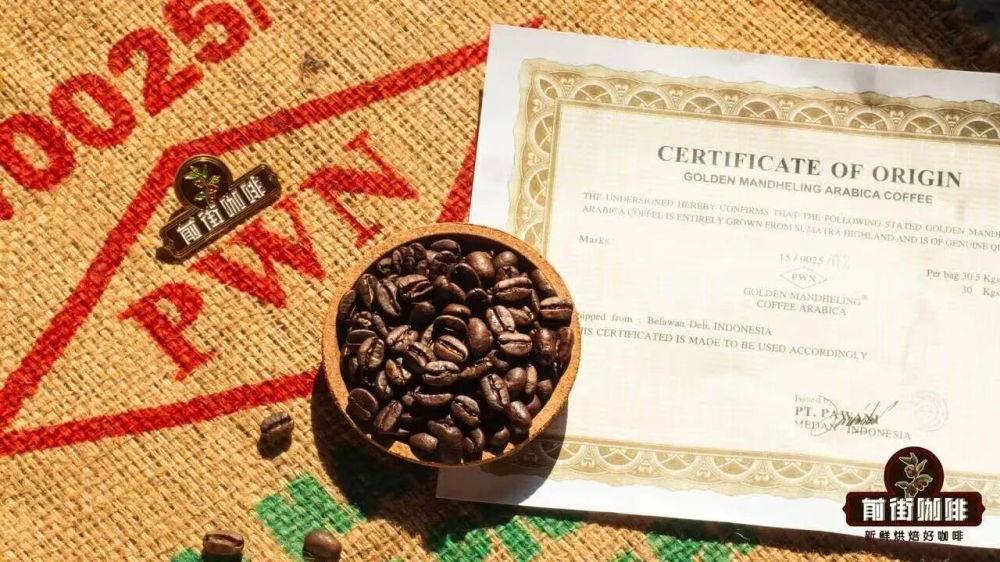
On the market, many Indonesian beans labeled as “Golden Mandheling” are actually just ordinary Mandheling beans of larger size masquerading as the real thing. This is one reason why the item seems both rare and ubiquitous at the same time. Consumers should pay attention to whether the packaging bears the official PWN logo and certification to ensure they are purchasing the genuine product.
Indonesia’s coffee grading system is primarily based on the number of defective beans, supplemented by bean size. The highest grade is G1, which requires no more than 11 defective beans in a 300-gram sample and must meet strict standards such as a moisture content of 12.5% or lower and an impurity rate of less than 0.5%. A supplier-provided Lintong Mandheling, for instance, falls under the G1 grade, using the wet-hulled method and exhibiting the typical flavors of Indonesian Mandheling.
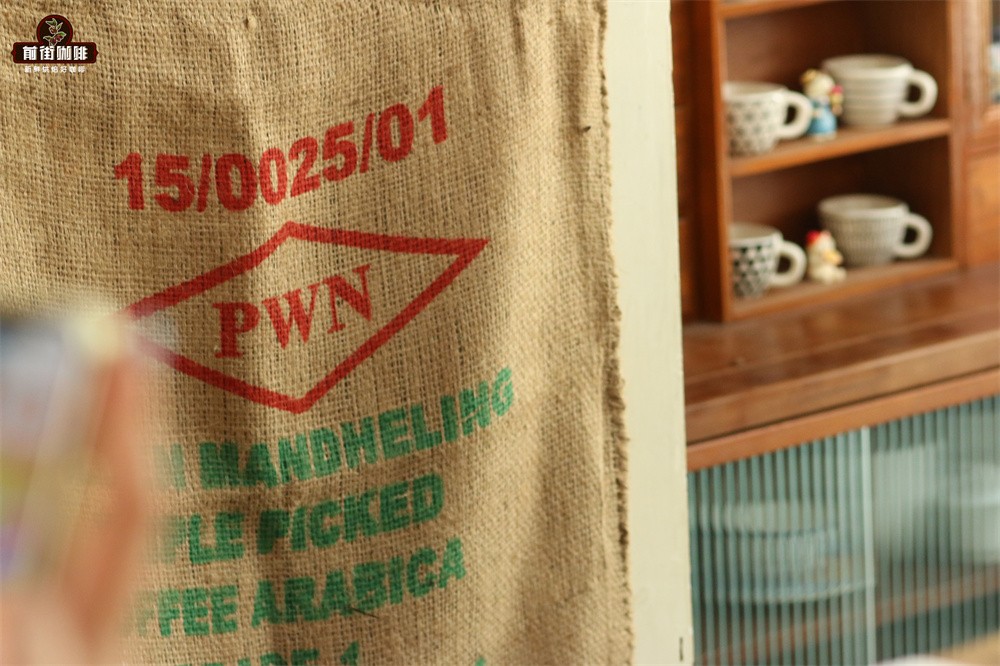
In comparison, the Golden Mandheling produced by PWN is of an even higher grade—not only are the beans all 18 mesh size or larger with a deep green color and uniform shape, but they also come with original PWN jute sacks and certification documents. Cupping tests have shown that this rigorously selected Golden Mandheling has almost none of the earthy or off-flavors commonly found in traditional Mandheling, instead showcasing a purer, brighter sweetness with a more stable flavor structure.
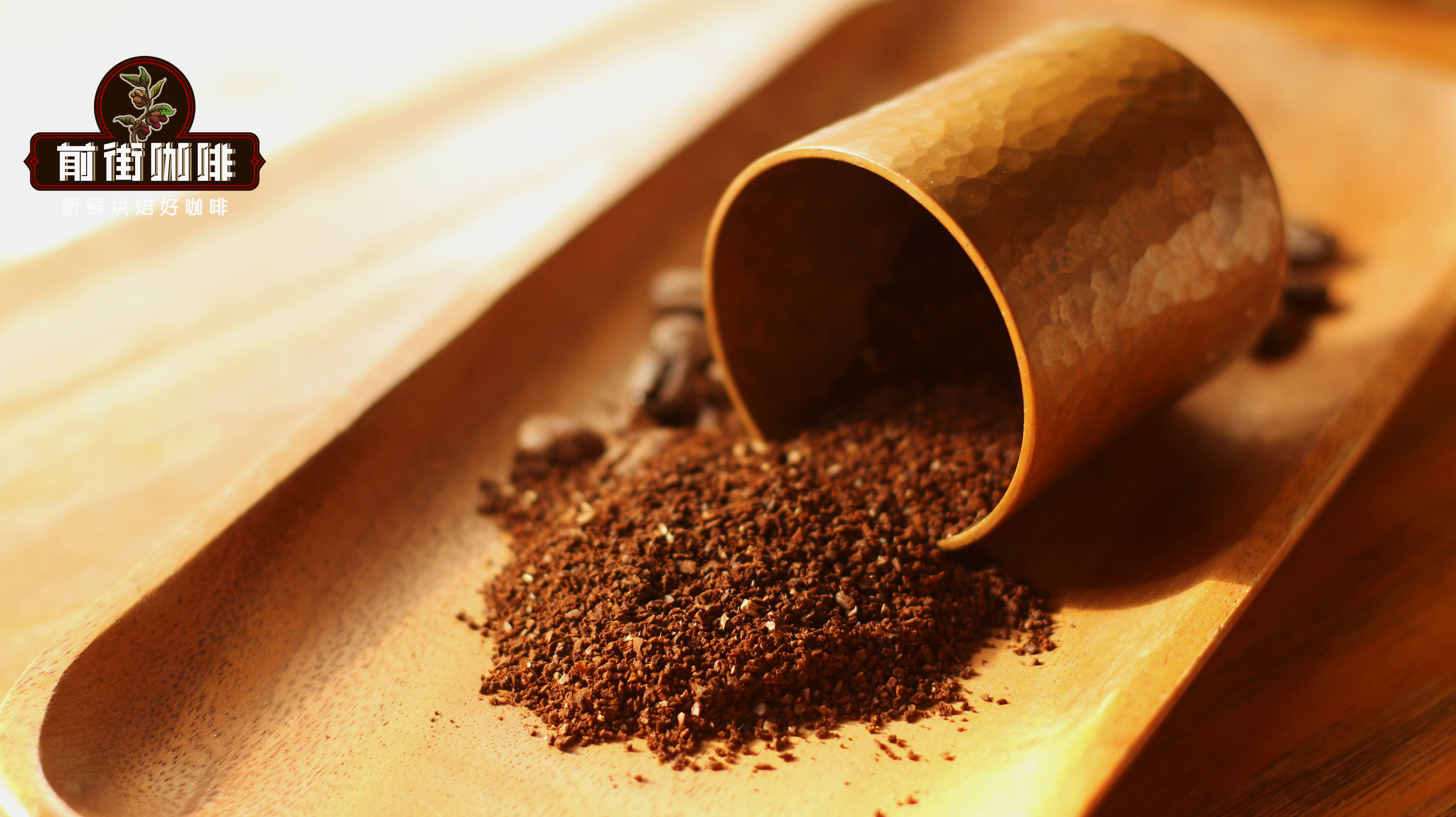
Given the characteristics of this dark roast bean, it is recommended to use a Kono filter for pour over brewing to fully highlight its rich body. The Kono filter has relatively few ribs, concentrated mainly at the bottom, allowing the filter paper to fit tightly and effectively control airflow while extending the contact time between water and coffee grounds. This enhances extraction efficiency and boosts the body and fullness of the cup. It is recommended to use water at approximately 88°C, with a medium-fine grind (around 70–75% through a #20 sieve), 15 grams of coffee, and a brew ratio of 1:15.
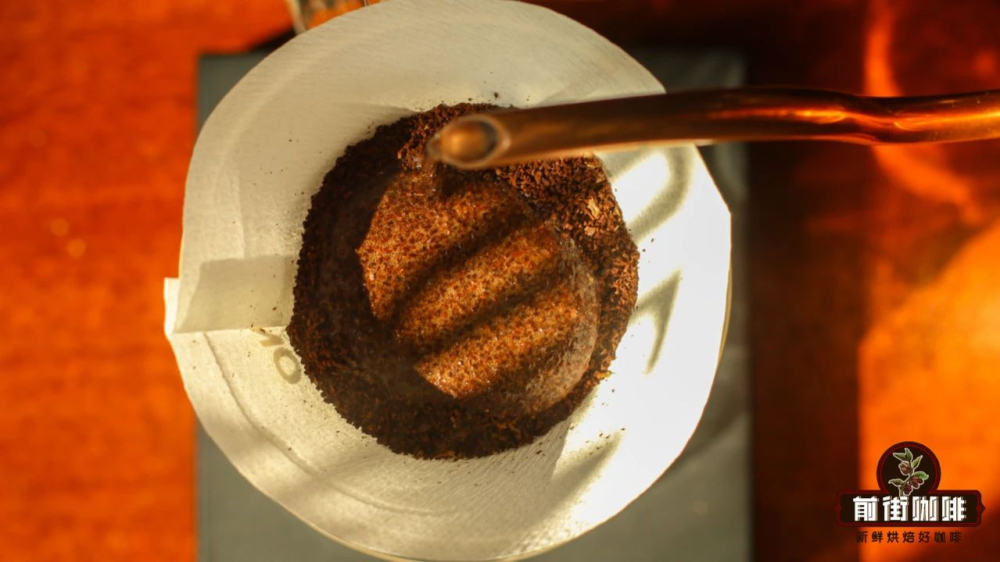
In practice, a three-stage pouring method is recommended: begin with a 30-second bloom using 30 grams of water, followed by a slow circular pour to reach 125 grams for the first pour; once the water level drops slightly and is about to expose the coffee bed, pour again up to 225 grams before stopping, then let the filter drip naturally. The total brew time should be controlled between 2 minutes 5 seconds and 2 minutes 15 seconds to help balance the flavors and intensity.
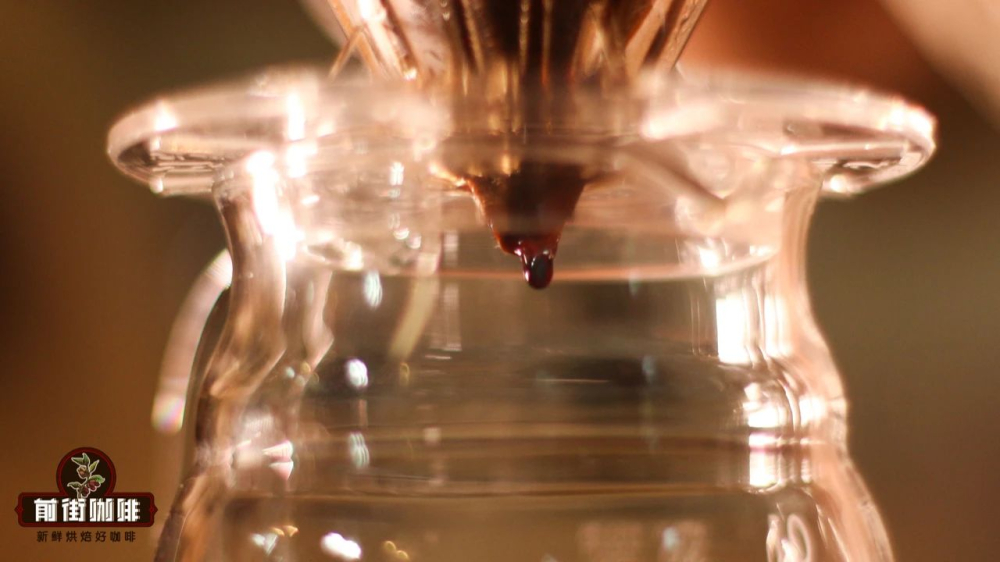
The final brew typically showcases a harmonious blend of spices, herbs, and nuts, combined with a rich finish of caramel and chocolate. The cup is full-bodied with a long-lasting aftertaste, making it highly suitable for those who enjoy dark roast coffee but wish to avoid overly sharp acidity. It is an excellent value choice for both beginners and experienced pour over enthusiasts.
The above content is compiled by CoffeeHunters, a coffee news website.

