







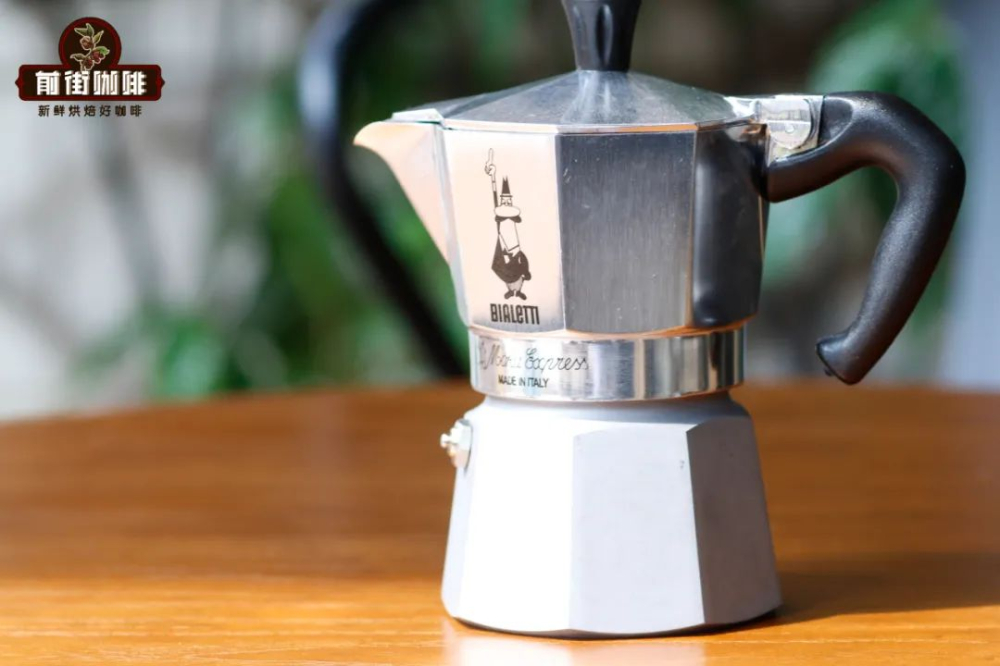
Introduction:Want to know how to use a Moka pot to make coffee at home that closely resembles espresso? This article dives deep into the working principle, historical evolution, and practical characteristics of the Moka pot, and compares it with semi-automatic espresso machines in terms of pressure, flavor, and usage scenarios. Whether you're new to coffee or a enthusiast looking for a high cost-performance home brewing solution, you'll find key selection tips and practical advice here.
The Moka pot, this classic coffee brewing device originating from Italy, is not only a common kitchen item in many homes but also a cultural icon in the hearts of coffee lovers worldwide. In the era before semi-automatic espresso machines became widespread, it was the primary tool Italians used to brew their daily espresso. Even today, with the rise of specialty coffee trends, the Moka pot still enjoys a loyal following thanks to its simple operation and unique aroma.
Compared to modern high-pressure semi-automatic espresso machines, the Moka pot operates at significantly lower pressure, so the coffee crema it produces is usually thinner. However, this doesn’t stop it from being an ideal choice for quickly achieving Italian-style coffee flavors at home. Its compact size, intuitive operation, and relatively affordable price ensure it remains a staple in home brewing setups.
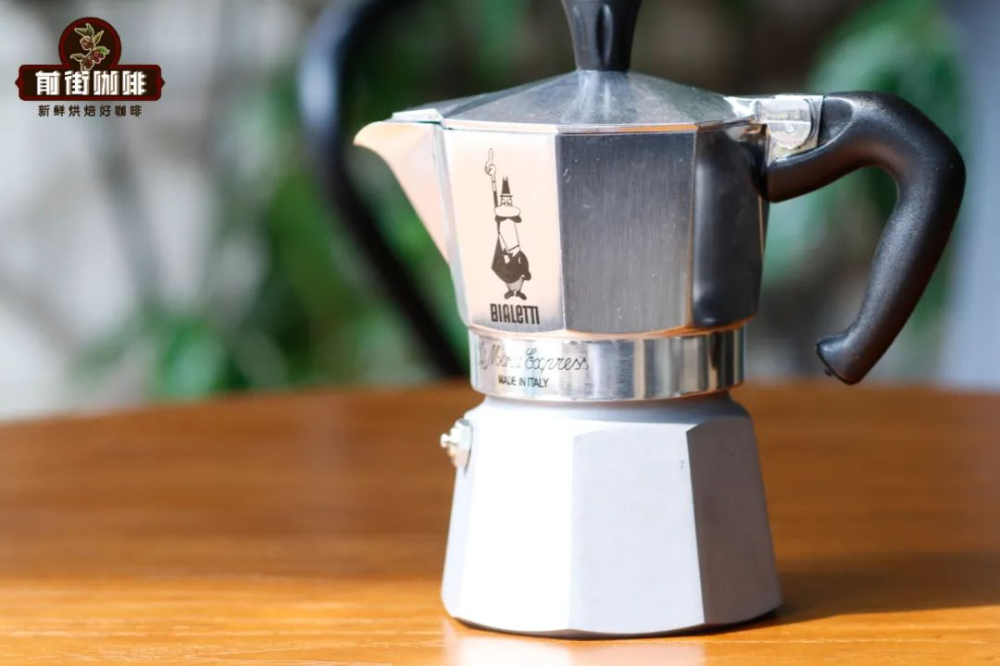
When talking about the origins of the Moka pot, we must mention the Italian aluminum product designer Alfonso Bialetti. In 1933, he combined aluminum welding technology with the need for coffee brewing to create this groundbreaking coffee appliance. The Bialetti brand is still family-run, headquartered in Brescia, Lombardy, Italy. Initially, the Moka pot’s sales were modest, but after WWII, his son Renato Bialetti took over and, through branding and marketing strategies, made it a household staple in Italy. To date, nearly 280 million Moka pots have been sold worldwide.
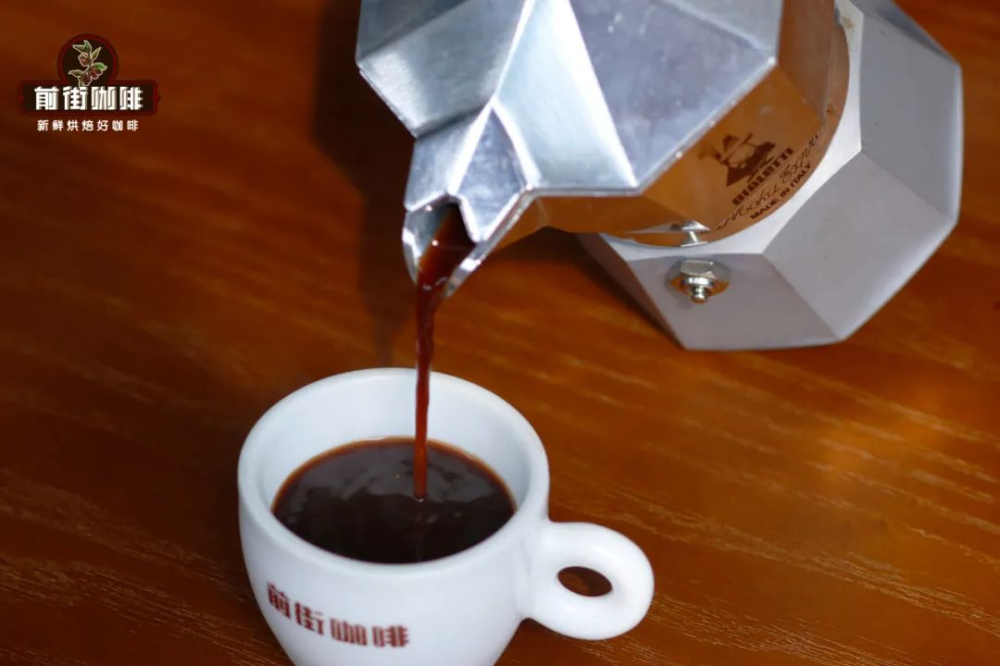
The structure of the Moka pot is divided into two parts: the lower chamber holds water and is heated. As the water boils and generates steam pressure, it pushes the hot water up through a filter filled with ground coffee in the middle, and finally collects as a rich coffee liquid in the upper chamber. This method of using steam pressure (about 1–2 bar) to extract coffee, though not as high as the 9 bar pressure of modern semi-automatic espresso machines, can still deliver the distinctive concentrated flavors typical of Italian espresso.
Looking back at the history of the espresso machine, its earliest prototype can be traced back to the 1885 Paris Exposition, where Loysel showcased a steam-powered coffee machine. Although it failed to achieve the high production capacity it claimed, it laid the foundation for later extraction technologies. By 1906, Luigi Bezzera proposed a commercial coffee machine design that used a portafilter and handle to load coffee grounds for on-demand brewing, successfully obtaining a patent—this also became one of the prototypes of the modern espresso machine.
In 1961, the FAEMA E61 system, jointly developed by Italian and Spanish teams, marked a major milestone in coffee machine development. This system used an electric pump to provide stable pressure and employed heat exchange technology to maintain consistent brewing water temperature. These innovations inspired the designs of most professional coffee machines that followed. Later features such as dual boilers, multi-boilers, and variable pressure control all stem from the core concepts of the E61.
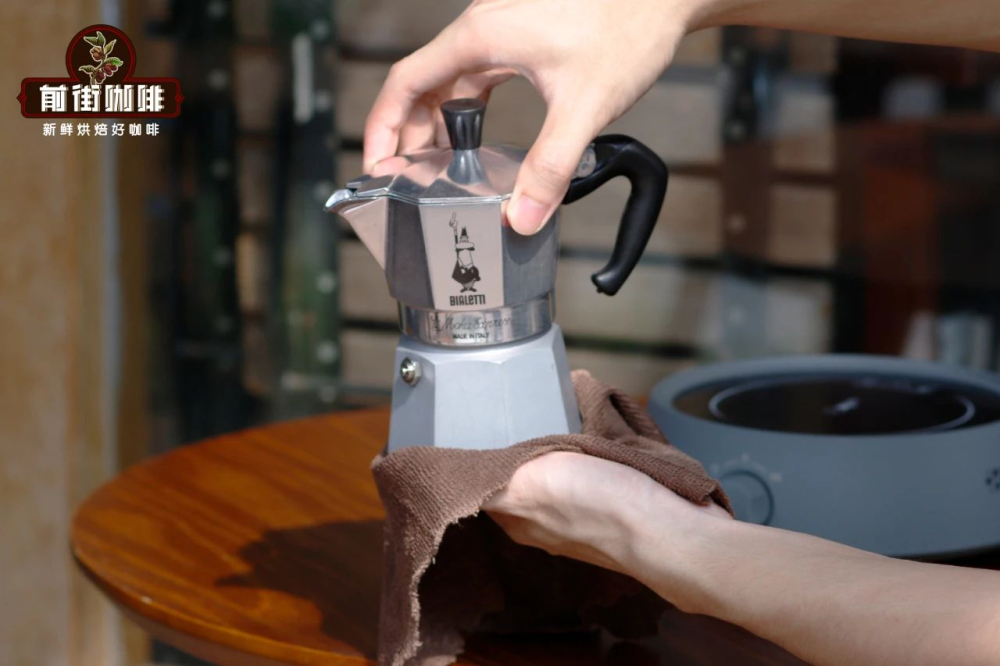
Compared to semi-automatic espresso machines, the Moka pot is better suited for home or personal use. Semi-automatic machines are typically used in professional coffee shops, featuring stable extraction systems and high-pressure conditions that can more fully extract coffee crema and delicate flavors. They also require users to have certain operational skills and maintenance capabilities. In contrast, the Moka pot is known for being simple, portable, and easy to use—with no complicated setup needed, just control over flame intensity and grind size to get started quickly.
So, what are the flavor differences between coffee made with a Moka pot and a semi-automatic espresso machine? Due to the lower pressure of the Moka pot, the resulting coffee usually has less crema and a slightly lighter body, yet it still retains distinct coffee aromas and moderate intensity. On the other hand, the semi-automatic espresso machine, under high-pressure extraction, can bring out richer crema and layered flavors, making it ideal for users seeking a complete flavor experience.

If you’re considering purchasing a coffee brewing device, it’s recommended to choose based on your needs: if you have a generous budget, are interested in learning professional coffee techniques, and want to replicate café-level extraction at home, then investing in a semi-automatic espresso machine is a worthwhile choice. But if you simply want to enjoy espresso-style coffee occasionally without the higher cost, the Moka pot is undoubtedly a more cost-effective entry option, allowing you to brew authentic Italian coffee at home with simple equipment.
In summary, the Moka pot not only carries the historical essence of Italian coffee culture but also continues to shine in modern households due to its simplicity and unique flavors. No matter which brewing device you choose, understanding its principles and characteristics will help you better master brewing flavors and enjoy the pleasure of making coffee at home.
The above content is compiled by CoffeeHunters, a coffee news website.


