







Introduction:As a classic form of pour over coffee, drip brewing stands out for its simplicity and pure flavor, yet it is often mistakenly equated with espresso. This article delves into the principles of drip extraction, key differences from espresso, and offers practical pour over parameters and bean selection tips to help readers master this widely loved home and office brewing method from scratch.
The world of coffee is wonderfully diverse, ranging from American black coffee to Italian espresso, and the skillful pour over technique. Among these, "drip coffee" is often regarded as synonymous with pour over, but it actually refers to a category of brewing methods that use gravity to guide hot water through coffee grounds, encompassing various forms such as pour over and filter cone brewing. These techniques are especially popular in home and office settings due to their simple equipment and intuitive operation.
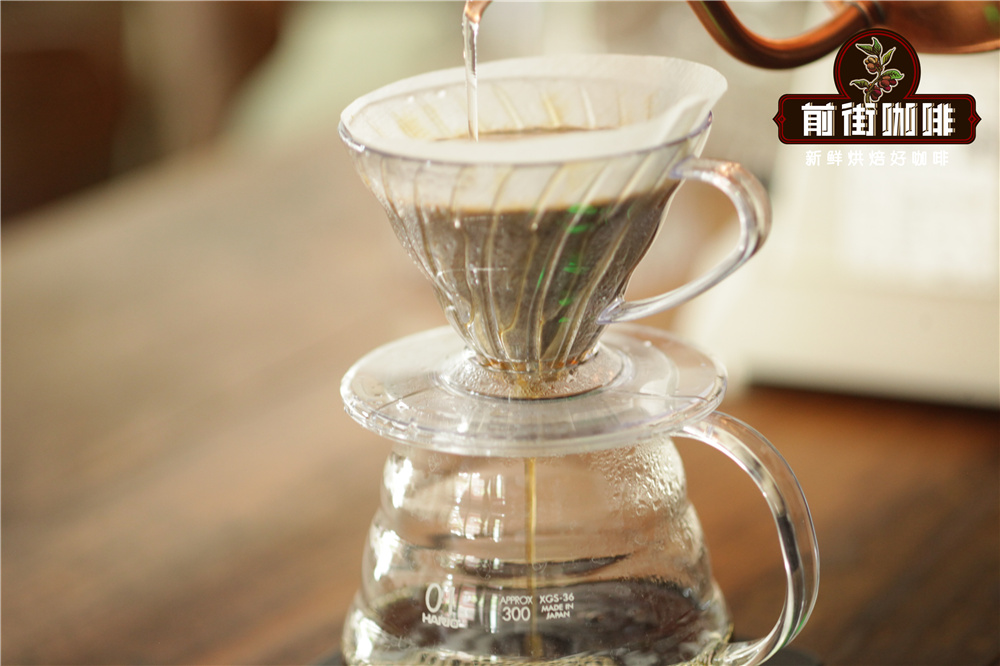
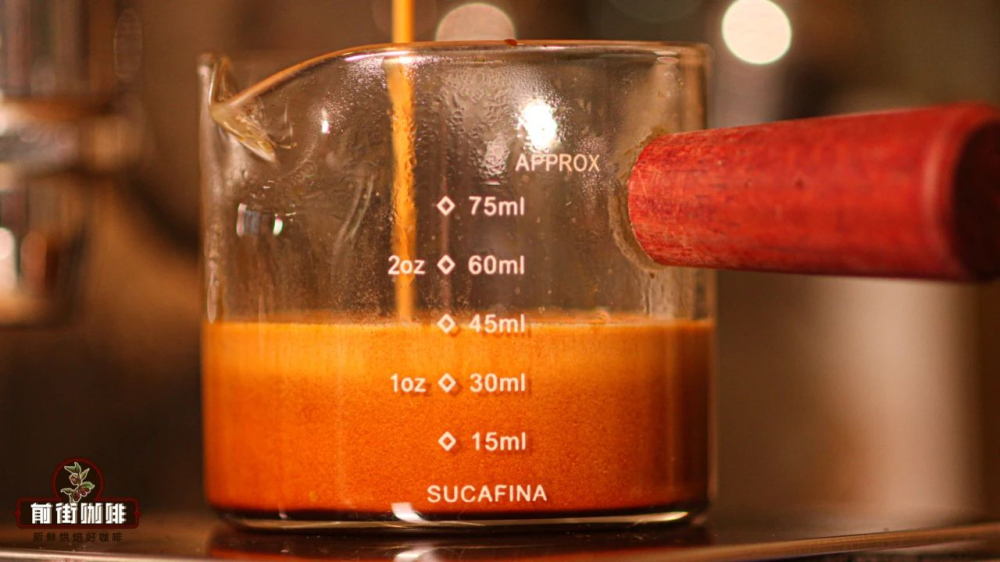
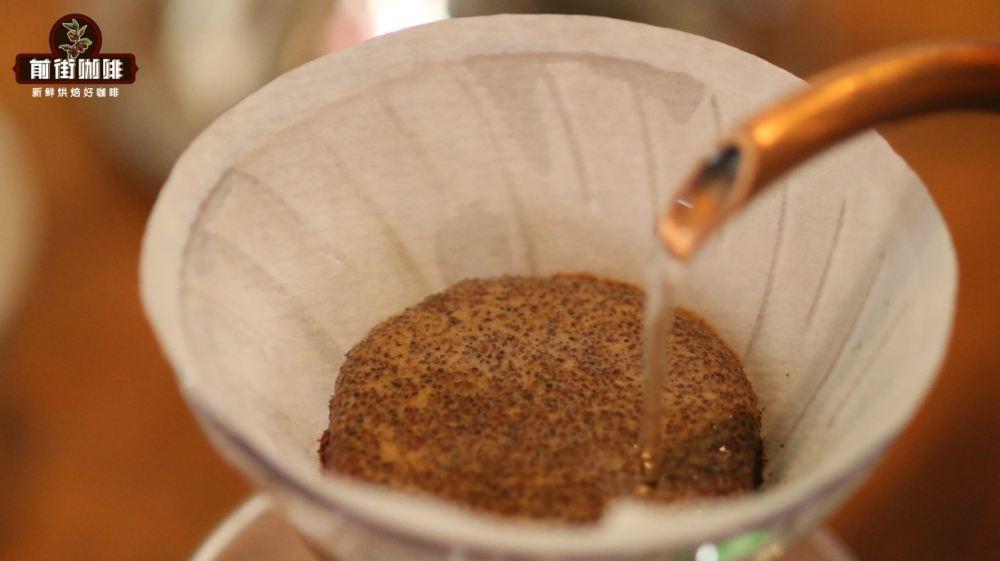
The Core Principle of Drip CoffeeIt involves placing ground coffee in a filter (such as a filter cone or drip pot) and slowly pouring hot water over it. Gravity then naturally allows the brewed coffee to drip through. Compared to espresso machines that extract under high pressure (15–20 bar) for a short duration, drip brewing requires no external pressure—relying solely on hot water penetrating the coffee bed to gradually release flavor compounds.
Modern drip techniques can be traced back to the filtration systems invented in Germany, with common products like Melitta filters and filter pots originating from this tradition. Operationally, simply place moderately ground coffee in a funnel, evenly pour hot water (ideally at 88°C to 92°C), and wait for the coffee to drip through the paper. Note that some electric drip machines may suffer from insufficient heating power, leading to lower water temperatures that can reduce extraction efficiency and result in unnecessary sourness or astringency.
As the representative of drip brewing,pour over coffee can precisely highlight the unique flavor layers of single-origin beans, especially showcasing the fruit acidity and floral notes of medium to dark roasts. Compared to the high concentration and layered characteristics of espresso, drip coffee delivers a more balanced and smooth mouthfeel. Without the pressure interference, coffee oils and aromatic compounds are fully preserved, resulting in a longer-lasting flavor.
The differences between drip and espresso are not only in brewing methods but also reflected in usage scenarios and bean selection. Espresso must be consumed within ten seconds of extraction to maintain its intense flavor and is often used as a base for milk-based drinks like lattes and cappuccinos. Drip coffee, on the other hand, is meant for savoring, whether in large or small cups. Moreover, espresso is limited to specific roast levels and blends, while drip brewing is far more versatile—almost any coffee bean can be used.
In terms of brewing parameters,for light roasts (such as Ethiopian Yirgacheffe), a water temperature of 91°C and medium-fine grind (80% passing through a #20 sieve)are recommended to bring out bright fruit acids and floral notes;for medium-dark roasts (such as Indonesian Mandheling), an 88°C water temperature and slightly coarser grind (75% passing through a #20 sieve)help enhance a rich mouthfeel and chocolatey tones. Excessively high temperatures can lead to over-extraction and bitterness, while too low may cause under-extraction and sharp acidity.
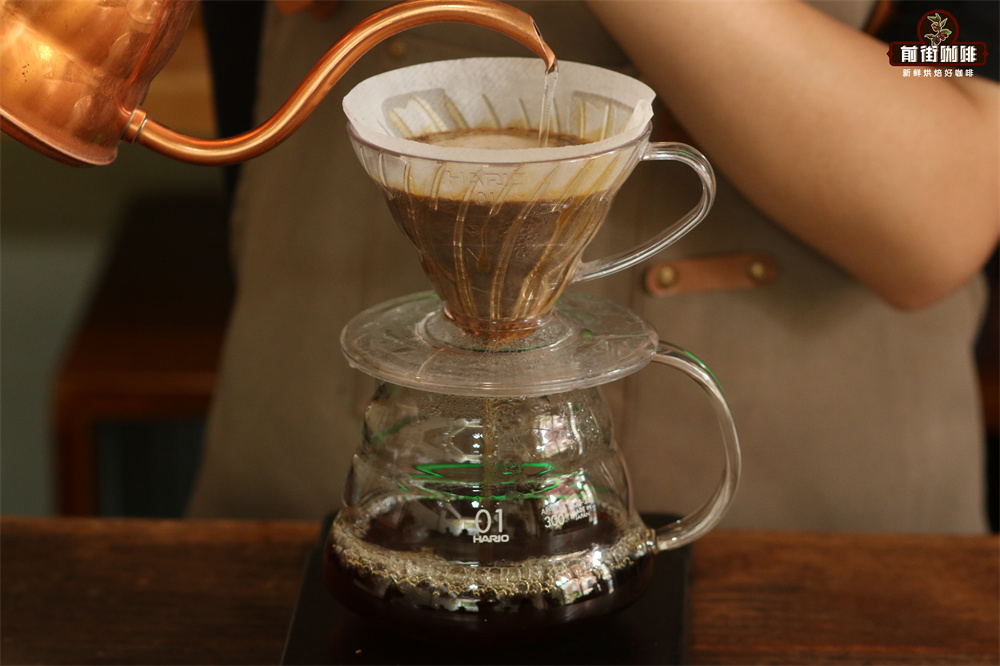
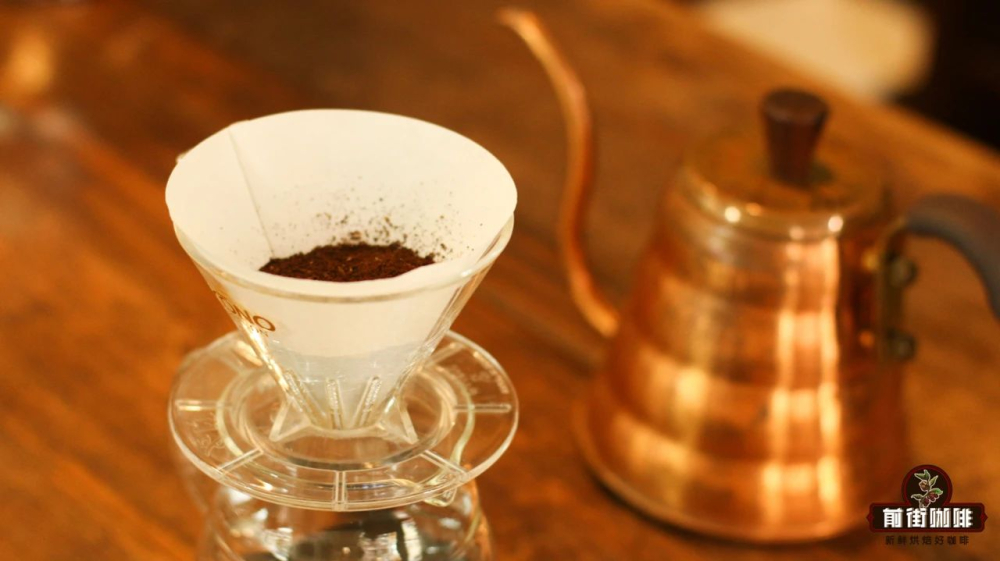
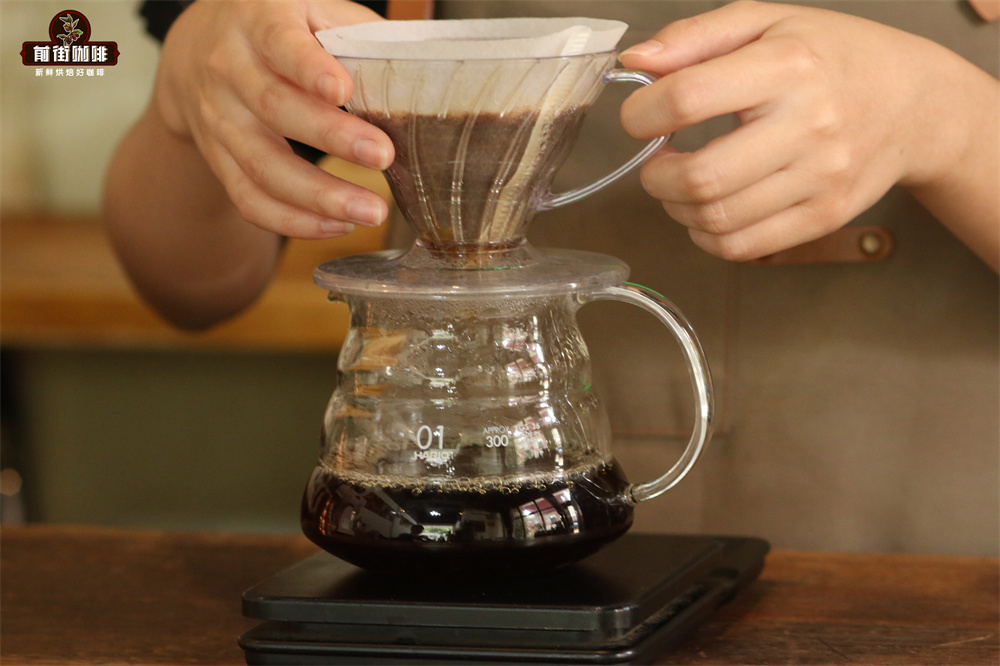
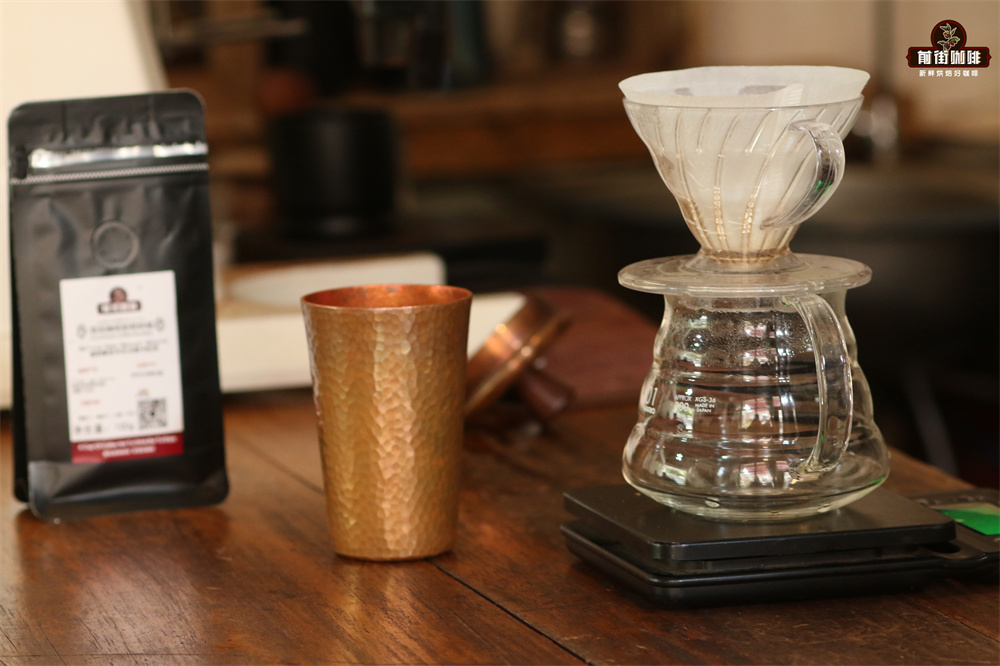
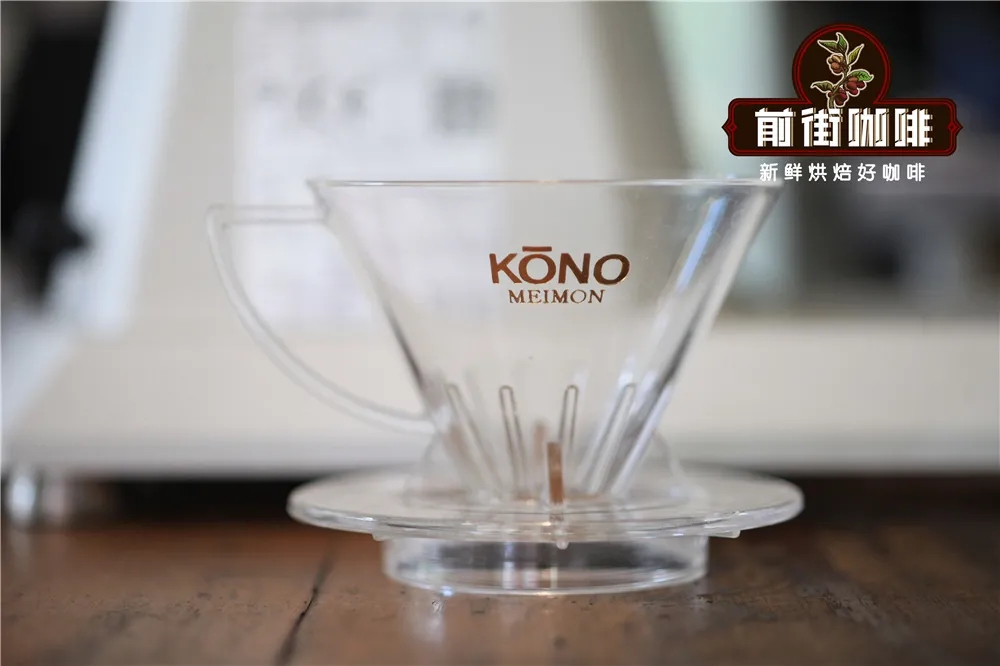
In practice, variables in manual drip brewing are numerous, including pour speed, height, and pulse strategies. For example, the classic V60 filter cone, with its spiral ribs, promotes even water flow and is ideal for beans with pronounced acidity and aroma. The KONO cone, with shorter ribs, extends the coffee grounds’ contact time with water, making it better suited for extracting the full body of medium-dark roasts. Users can adjust powder-to-water ratios (commonly 1:15), bloom water volume (about twice the coffee weight), and total brew time (ideally within 2 minutes) based on personal taste preferences.
Notably,the choice between paper filters and metal mesh also affects the final flavor. Paper filters effectively trap fine particles for a cleaner taste, but may absorb some aromatic oils. Metal filters retain more micro-grounds, adding body and richness, though they allow a bit of sediment. It's a matter of personal preference without absolute superiority.
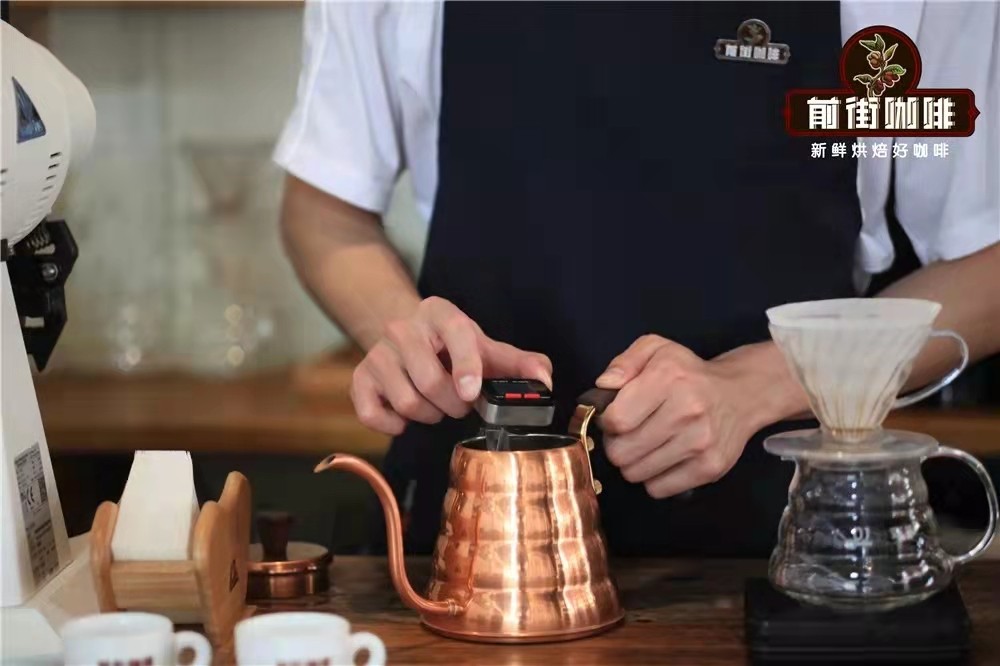
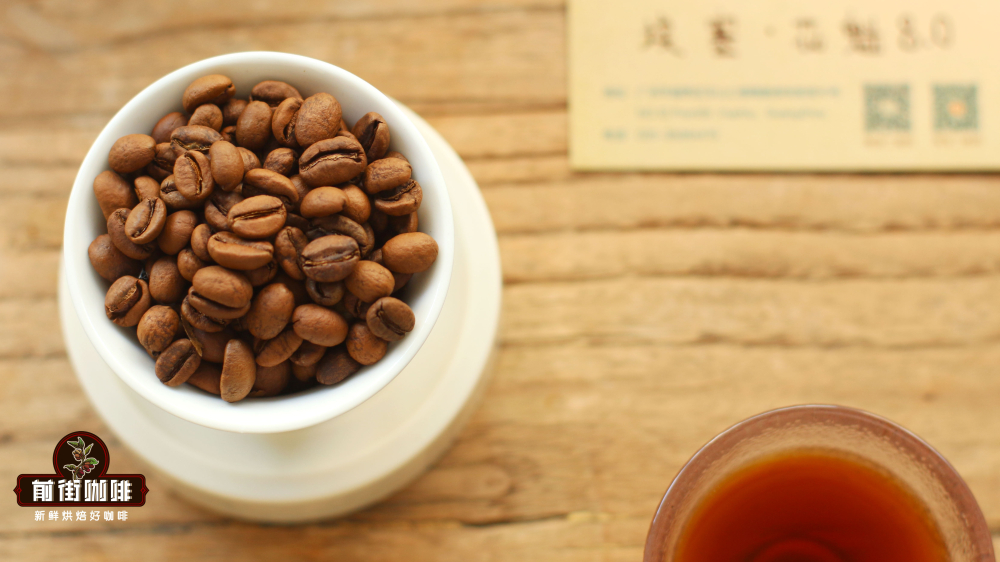
For beginners, starting with a stable and easy-to-control pour over system is advisable—such as using a gooseneck kettle for precise pouring, selecting freshly roasted whole beans (best flavor within five days post-roast), and following basic steps: preheat equipment, evenly pour water for blooming, and execute segmented brewing. For instance, one brand’s recommended Ethiopian Huakui coffee, with a light roast and medium-fine grind, employs a three-stage pour (30g bloom → 125g → 225g) completed in 1 minute 59 seconds, delivering rich floral notes and honey-like sweetness. Meanwhile, Indonesian Mandheling, using a KONO cone, 88°C water, and coarse grind, showcases herbal and chocolate tones.
No matter which drip method you choose,the freshness of the coffee beans is always key. The degassing period after roasting (about 4–7 days) allows carbon dioxide to naturally release, reaching peak flavor. If buying pre-ground coffee, use it as soon as possible to preserve aroma. Mastering these basics ensures that even at home, you can brew drip coffee with a quality close to the professional level.
The above content is compiled by CoffeeHunters, a coffee news website.


