








Introduction:Struggling to brew rich, crema-covered espresso with your moka pot? This article provides a detailed breakdown of moka pot operation steps, suitable coffee bean types, grind size guidelines, and practical heat control and extraction techniques. It will help you progress from beginner to expert and brew a balanced, full-flavored moka pot coffee.
The moka pot is a common household item for many coffee enthusiasts—not only is it compact and easy to use, but it also allows you to easily brew espresso-like coffee at home. However, achieving coffee with delicate crema and distinct flavor layers involves knowledge in bean selection, grinding, and heat control. This article will guide you through the essential tips for using a moka pot, helping you get started quickly and brew professional-grade coffee.

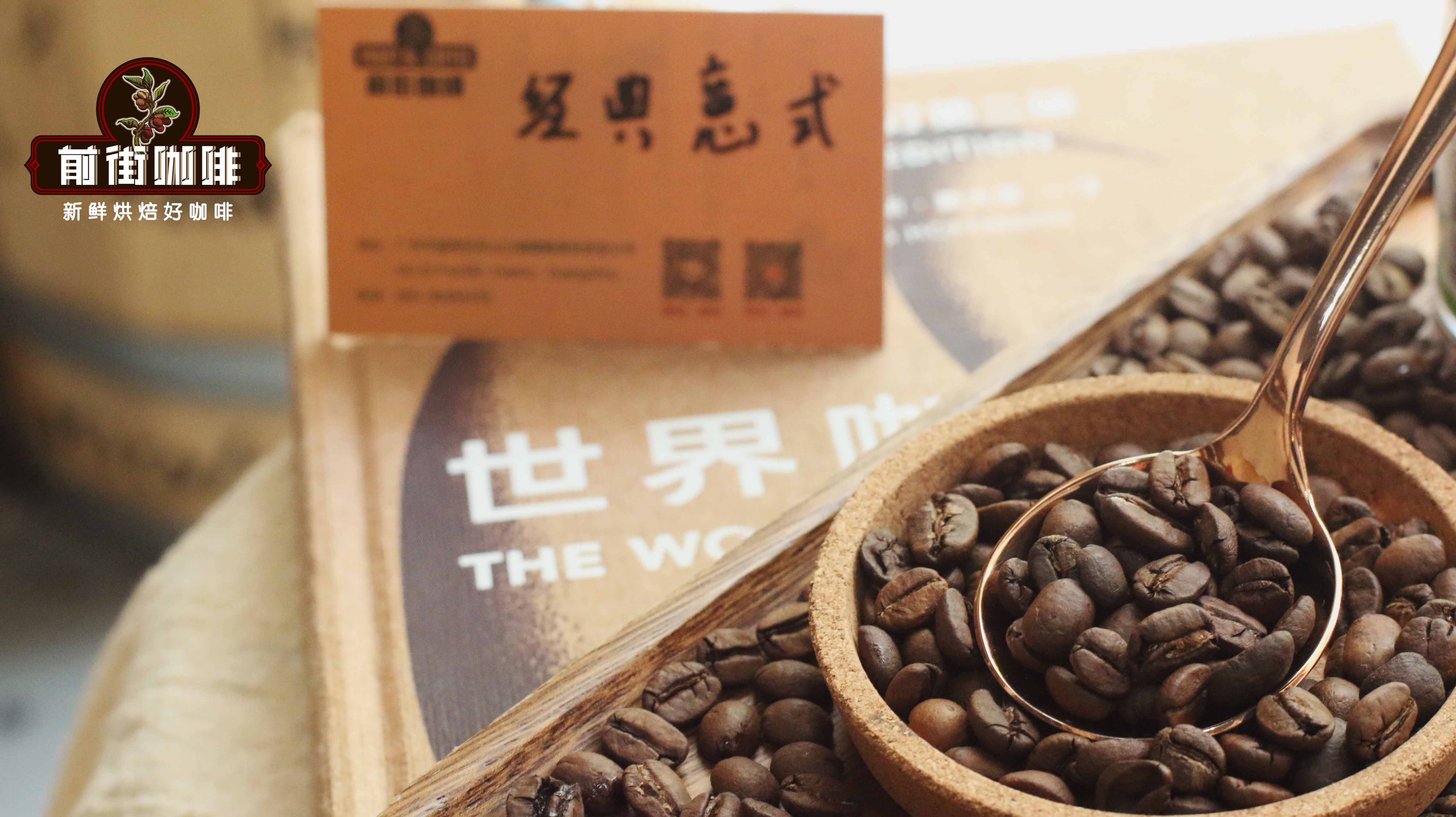
To brew coffee rich in crema using a moka pot, choosing the right coffee beans is crucial. Coffee crema mainly comes from carbon dioxide released during the roasting process, and medium to dark roasted beans usually contain more gases, which can form a fine and long-lasting crema layer during extraction. Therefore, it is recommended to use medium to dark roasted beans—these not only have intense flavors but also facilitate crema release.
If you want a stable and full-flavored extraction, you can choose a blend made from beans sourced from multiple regions. For example, blends combining Brazilian, Indonesian, and Vietnamese beans can showcase both caramel sweetness and rich spice notes. These blends are suitable not only for pure espresso but also for pairing with milk or making Americano. Such blends typically offer balanced acidity, sweetness, and bitterness, and help form a thick crema layer.
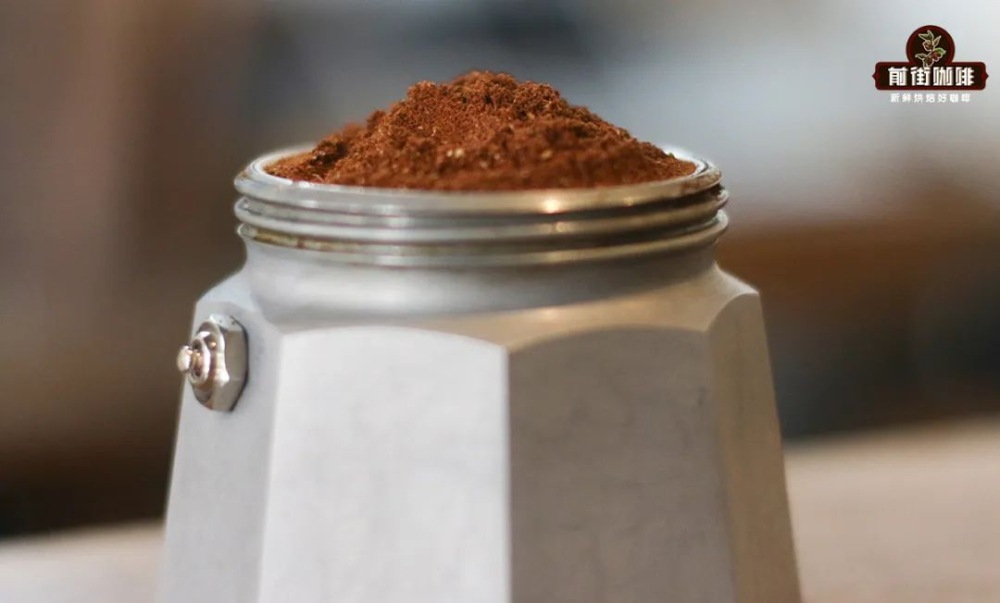
When it comes to grind size, this is a common challenge for beginners. The ideal coffee grind for a moka pot should be between 0.3 to 0.55 mm—slightly coarser than the grind used for standard espresso machines. If the grind is too fine, it can restrict water flow, increase extraction pressure, leading to over-extraction and even safety risks due to excessive pressure. Conversely, if the grind is too coarse, water passes through too quickly, resulting in under-extraction and weak coffee flavor. It’s recommended to adjust your grinder to a texture close to fine salt—when rubbed between your fingers, you should feel fine but distinct particles. This grind size helps achieve the optimal extraction balance.
Before you start brewing, prepare the following materials: freshly ground coffee (preferably ground just before brewing to preserve optimal flavor), water, the moka pot itself, and a heating tool such as an electric stove or open flame. If using an open flame, be sure to pay attention to safety to avoid overheating or tilting that may cause uneven heating.
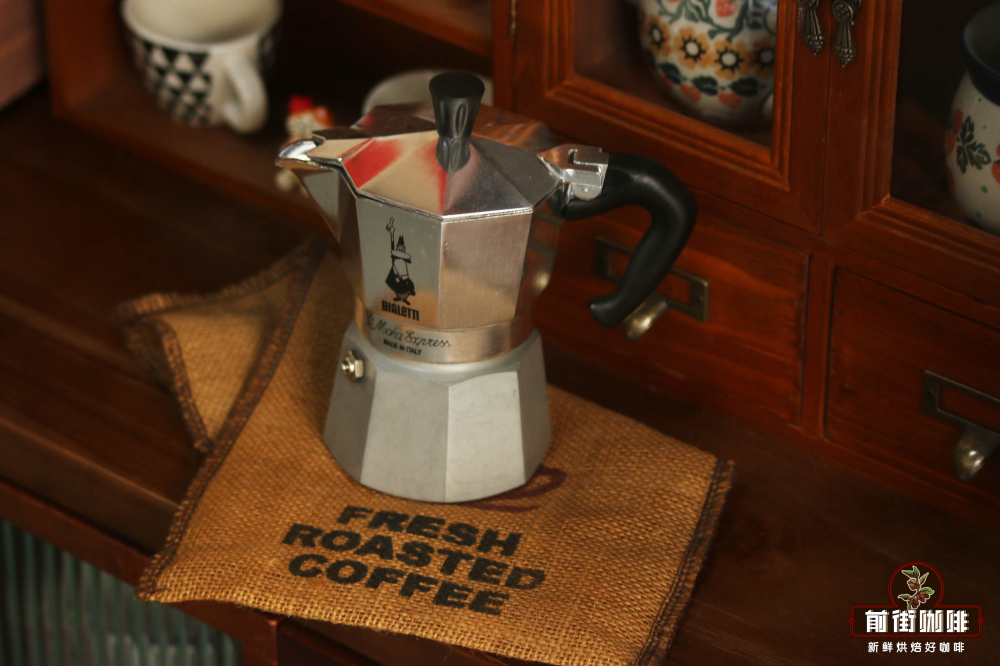
Next are the detailed steps for using a moka pot:
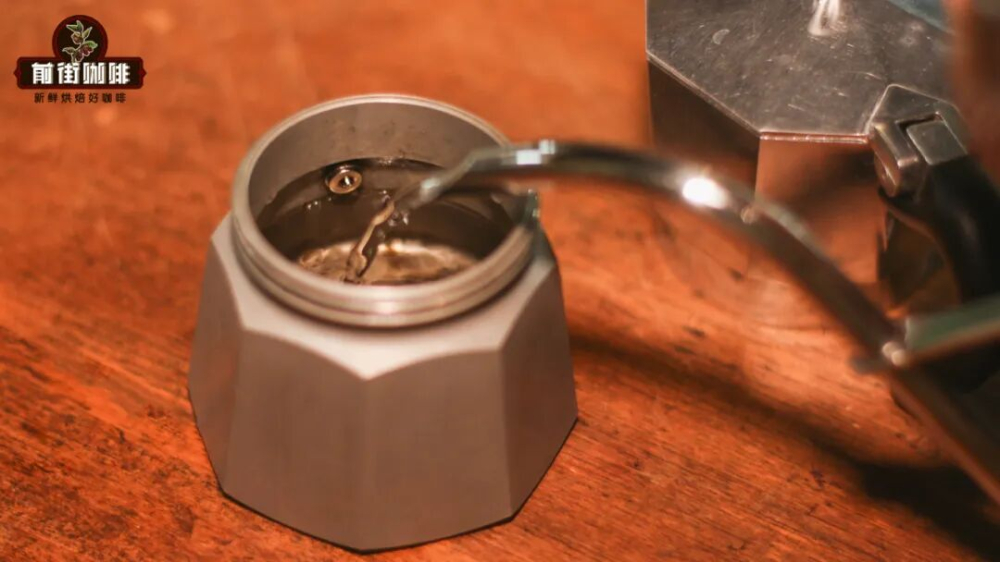
1. Add Water: It’s recommended to use hot water to shorten heating time. For a double single-valve moka pot, about 130ml of hot water is sufficient. Pour the water into the lower chamber, keeping the water level below the safety valve to prevent excessive steam pressure.
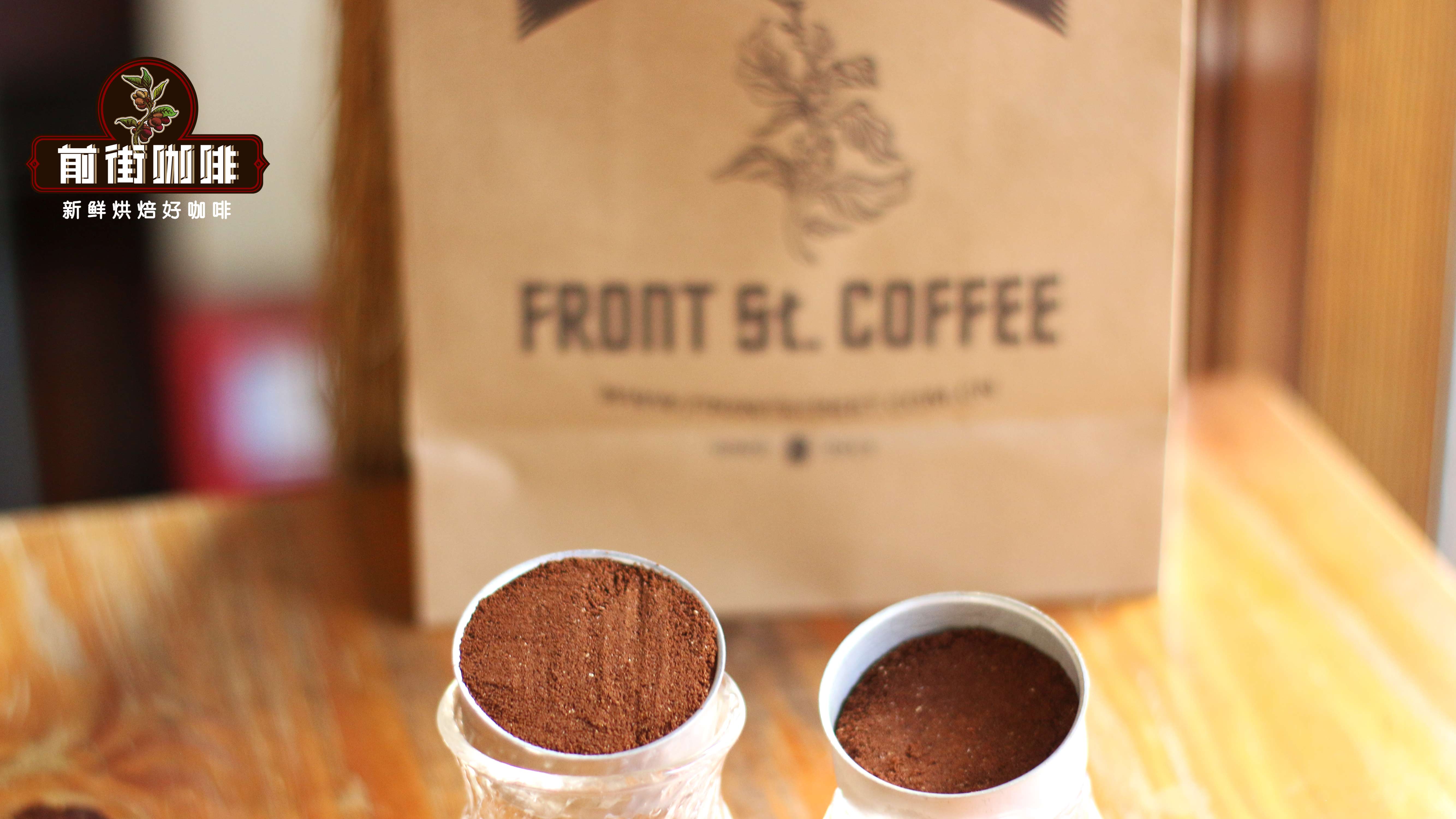
2. Fill Coffee Grounds: Add about 18g of coffee grounds into the filter basket and gently level the surface. After filling, you can lightly tap the basket to allow the coffee grounds to settle naturally and fill gaps, reducing channeling. Note that if the coffee is too fine, do not tamp it down to avoid creating excessive resistance.
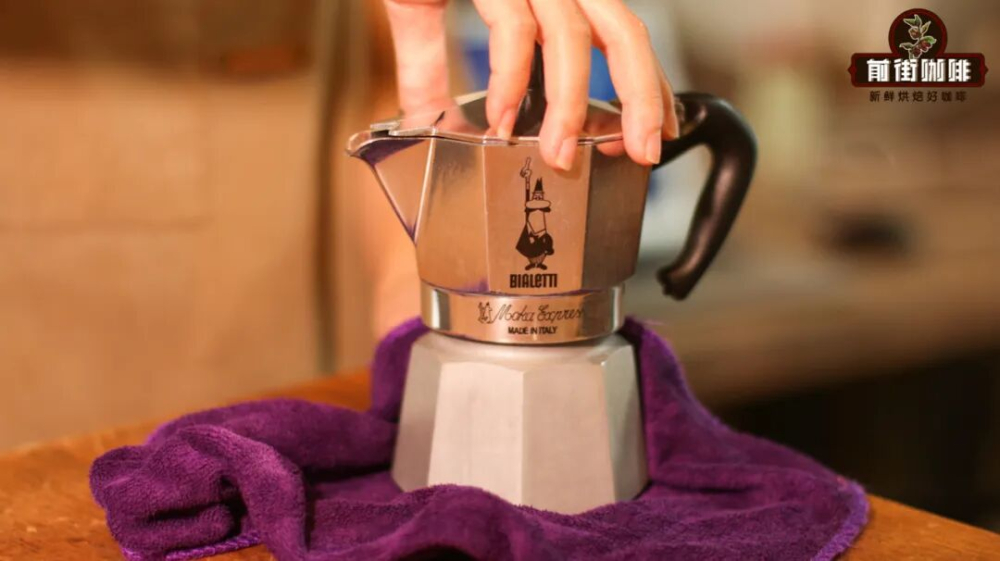
3. Assemble the Moka Pot: Screw the upper and lower chambers together tightly. If using hot water, it’s advisable to use a cloth for insulation to avoid burns.
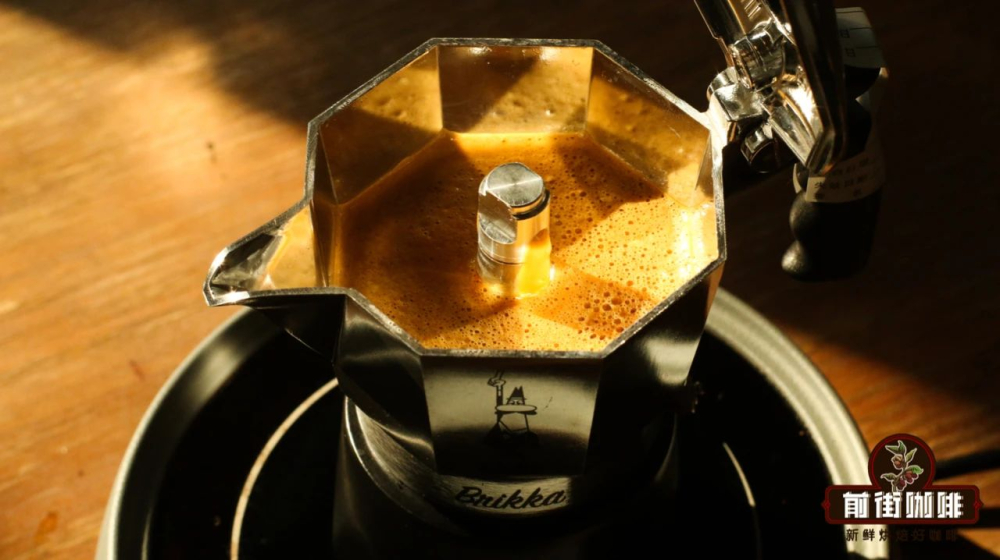
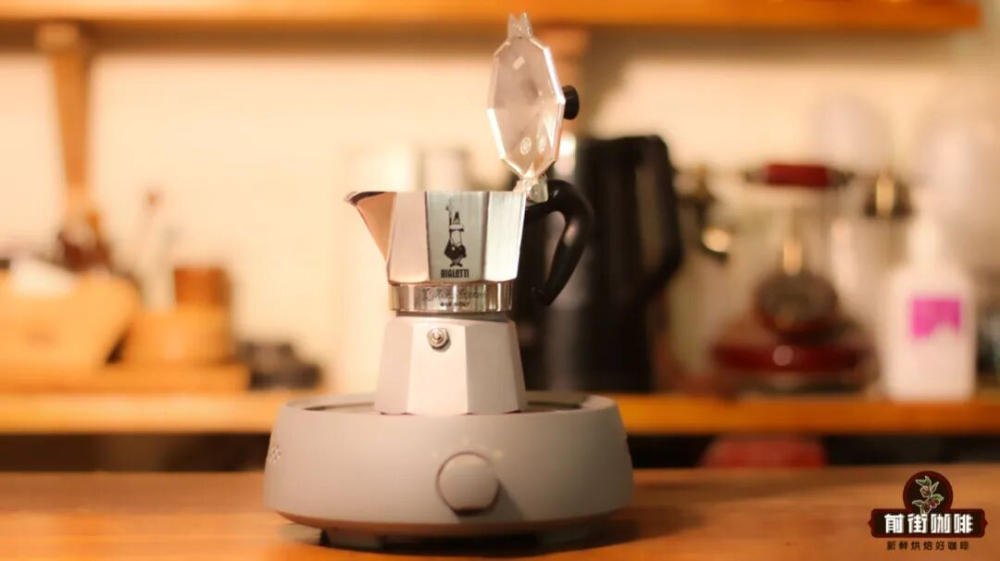
4. Start Heating: Place the moka pot on the heat source and heat over medium to high heat. Observe the pot—when you hear a distinct hissing sound, it means the water has begun turning into steam and is about to push the coffee upward.
5. Adjust Heat: When the coffee is about to start flowing out, immediately reduce the heat. Maintaining low to medium heat helps stabilize the extraction pressure, preventing over-extraction due to excessive pressure, which could affect the final flavor balance.
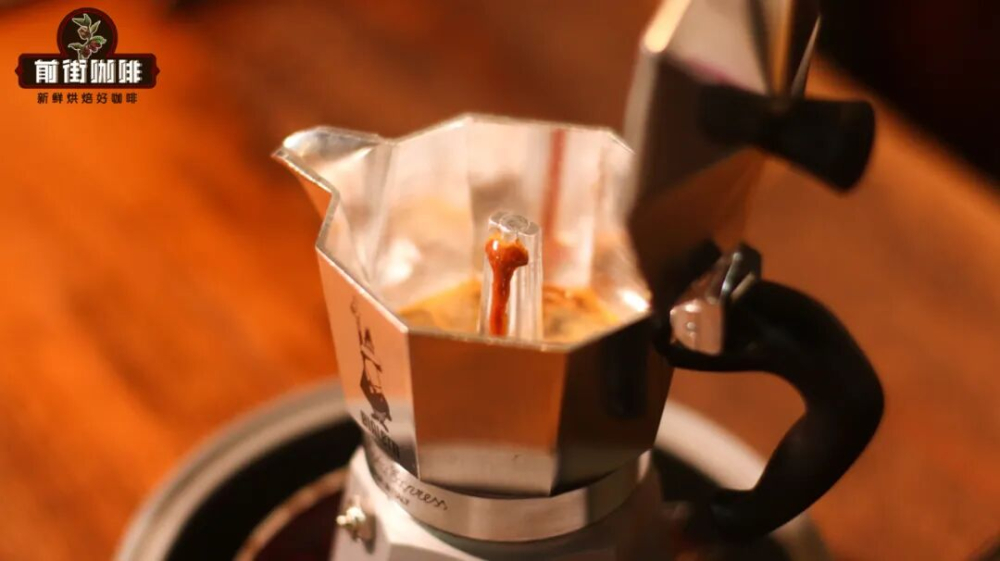
6. Stop Heating: Once about half of the coffee has flowed out, turn off the heat. The remaining heat inside the pot will fully extract the rest of the coffee, avoiding over-extraction.
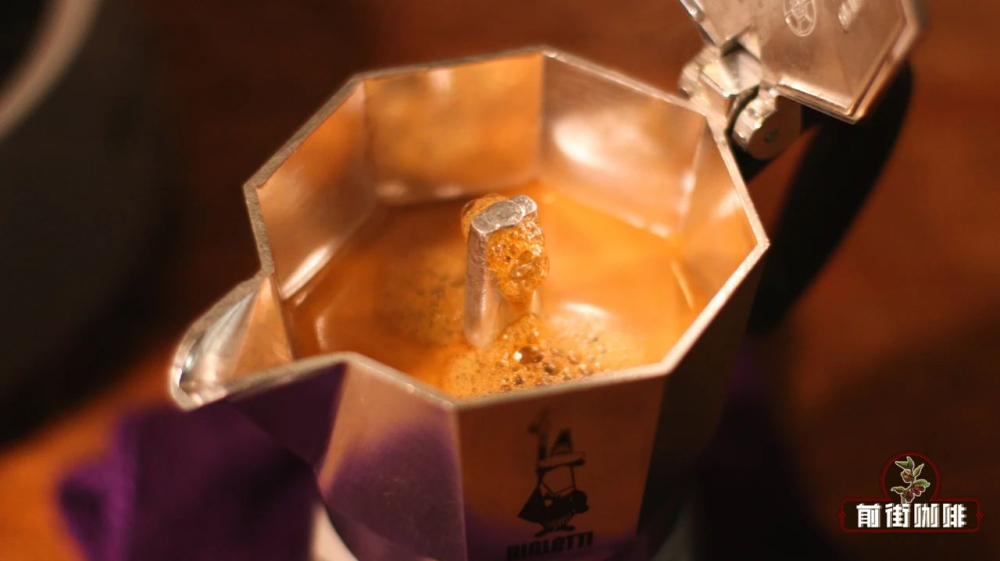
7. Taste and Adjust: After pouring the coffee, taste it immediately. If the flavor is overly bitter or burnt, it may be due to too long an extraction time or excessive heat—next time, turn off the heat sooner. If the taste is too acidic or unpleasantly sharp, it may be because the grind is too coarse or the extraction is insufficient—you can adjust the grind size or extend the extraction time. Through multiple attempts, you’ll be able to find your ideal extraction parameters.

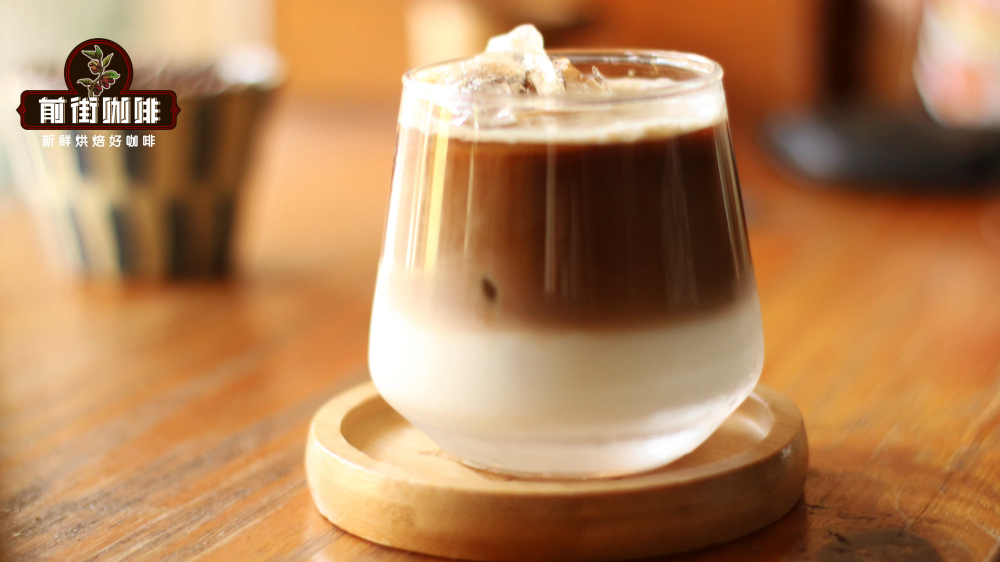
Moka pot espresso can be enjoyed in various ways based on personal preference. The most classic way is to drink it straight to enjoy the rich, pure coffee flavor. You can also dilute it with water to make an Americano, perfect for those who prefer a lighter taste. Adding hot milk at 60–65°C turns it into a rich and creamy latte. You can even mix it with sweetened condensed milk and ice to create a uniquely flavored Vietnamese-style iced coffee. No matter how you enjoy it, the moka pot showcases its versatile charm.

The above content is compiled by CoffeeHunters, a coffee news website.


