








Introduction:When brewing coffee with a moka pot, the way you fill the coffee grounds, the grind size, and the heat control are all critical factors that affect the success of the extraction. This article delves into whether tamping is necessary when filling a moka pot, the optimal grind size, common extraction failures such as no coffee flowing or a sudden gush, and offers practical adjustment suggestions along with safety tips to help you consistently brew rich, aromatic coffee with a good crema.
When using a moka pot to extract coffee, many people have questions about the grind size of the coffee grounds and how to fill them — for example, how fine should the coffee be? Do you need to tamp it like you would with an espresso machine? These details directly impact both the extraction quality and safety. This article will provide a detailed breakdown of moka pot filling techniques, common issues, their causes, and solutions.
What is the ideal grind size for moka pot coffee?
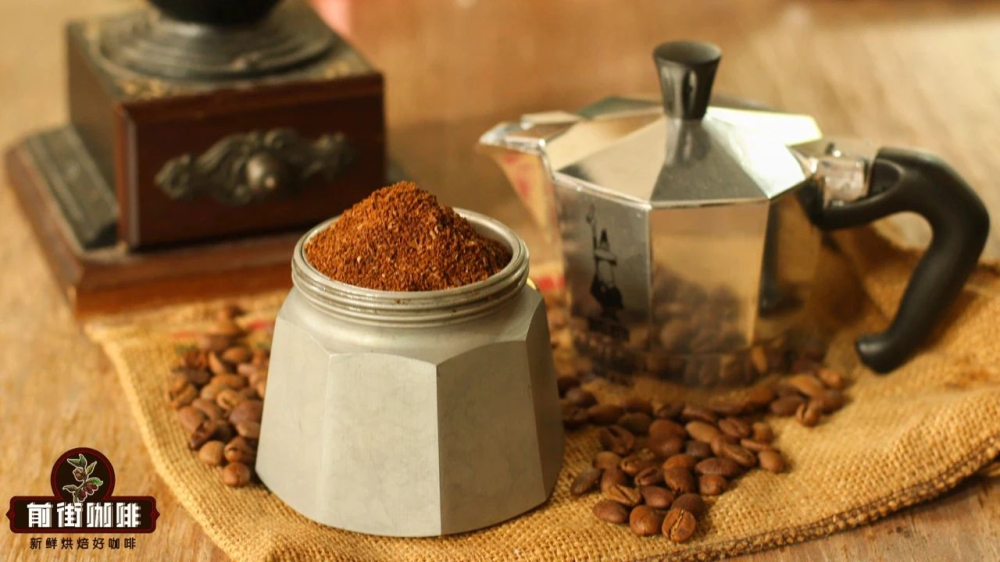
The moka pot is recommended to use a medium-fine coffee grind, with particle size roughly between 0.3 - 0.55mm. By feel, it’s neither as coarse as sugar nor as fine as the powder used in espresso machines. You can confirm this by purchasing a specialized particle size measuring tool, or adjust through a few practical attempts — typically, 3 to 5 tries will help you get the hang of it. If the grind is too coarse, water passes through too quickly, resulting in under-extracted coffee, and the liquid may shoot out rapidly or even resemble a fountain. If the grind is too fine, water flow is restricted, pressure inside the pot builds up, and you might only hear the water boiling without any coffee coming out — in which case, turn off the heat immediately. Always prioritize safety to avoid burns.
Do you need to tamp when filling a moka pot?
Generally speaking, when filling a moka pottamping is not necessary. If the tamping pressure is not properly controlled, the coffee grounds can become overly compacted, obstructing water flow. This not only affects extraction but may also create dangerously high internal pressure. Some users worry that not tamping could lead to channeling, where coffee liquid squirts out through gaps between the coffee layers. However, as long as the filling method is correct, this issue can be effectively avoided.
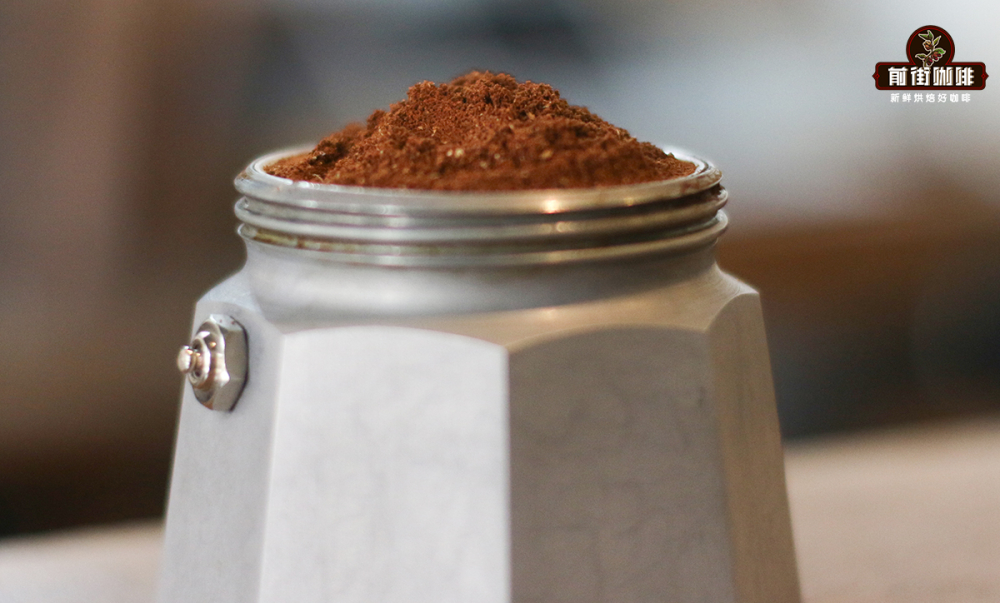
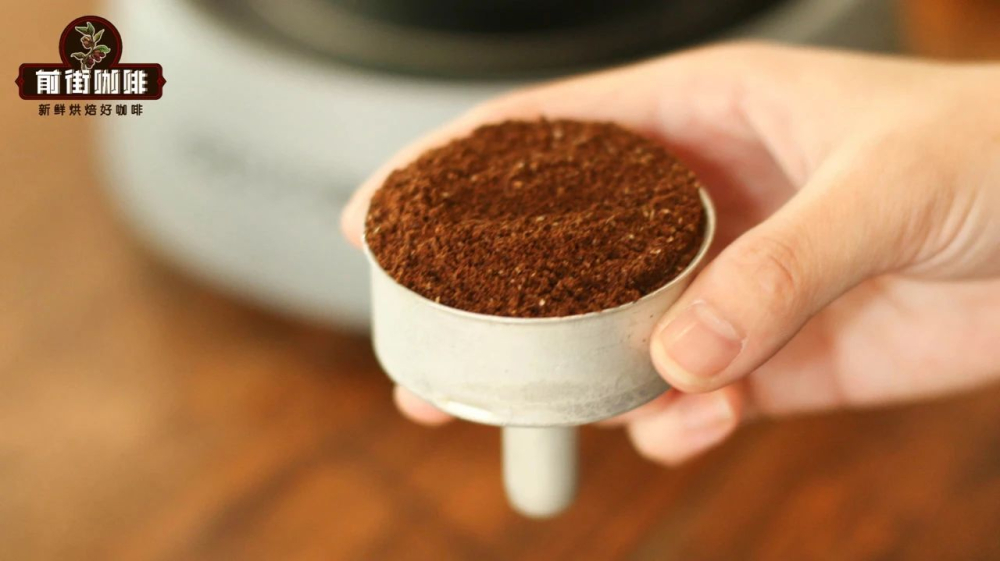
The recommended filling method is: gently pour the coffee grounds into the filter basket by hand, without pressing or leveling them down, leaving the grounds in a loose state and forming a small mound slightly higher in the center. The upper chamber’s filter lid is already slightly convex by design, so there’s no need to press it flat. Then align the upper and lower chambers vertically and screw them together tightly. During this process, make sure toclean any coffee grounds left on the threadsto ensure a proper seal. This filling approach helps maintain the structural integrity of the coffee grounds post-extraction while also extracting more coffee oils.
Why is the coffee not coming out?
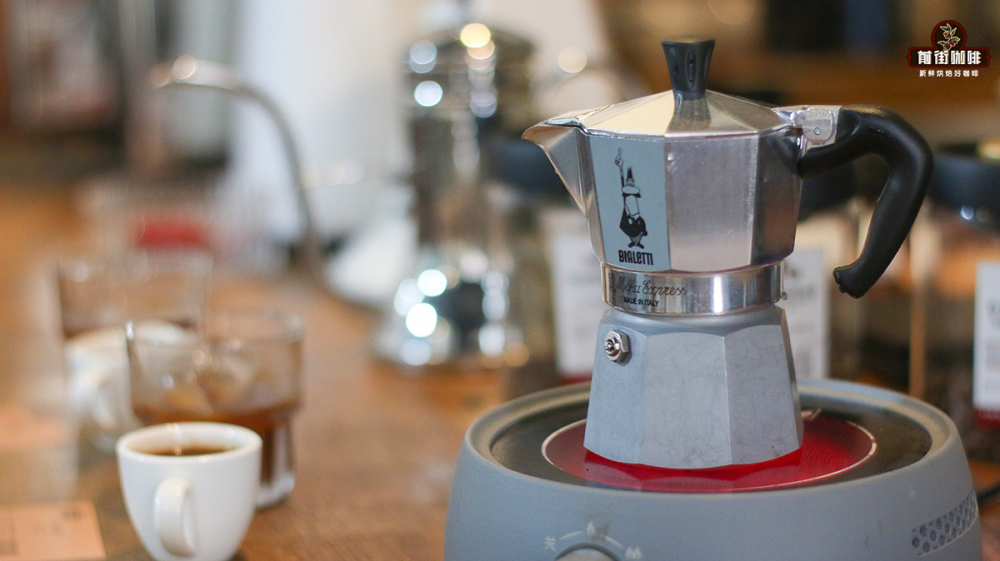
If after heating the moka pot for some time, the water has boiled but no coffee liquid comes out, it’s usually because the coffee is packed too tightly or ground too finely, preventing water from passing through the coffee bed. Both scenarios can cause the pressure inside the lower chamber to rise rapidly, negatively affecting extraction and potentially damaging the moka pot. In such cases, immediately turn off the heat and stop heating. It’s advisable to replace the coffee grounds and try again, while also checking if you smell any burning — a sign of overheating.
What causes the coffee to gush out? How to prevent it?
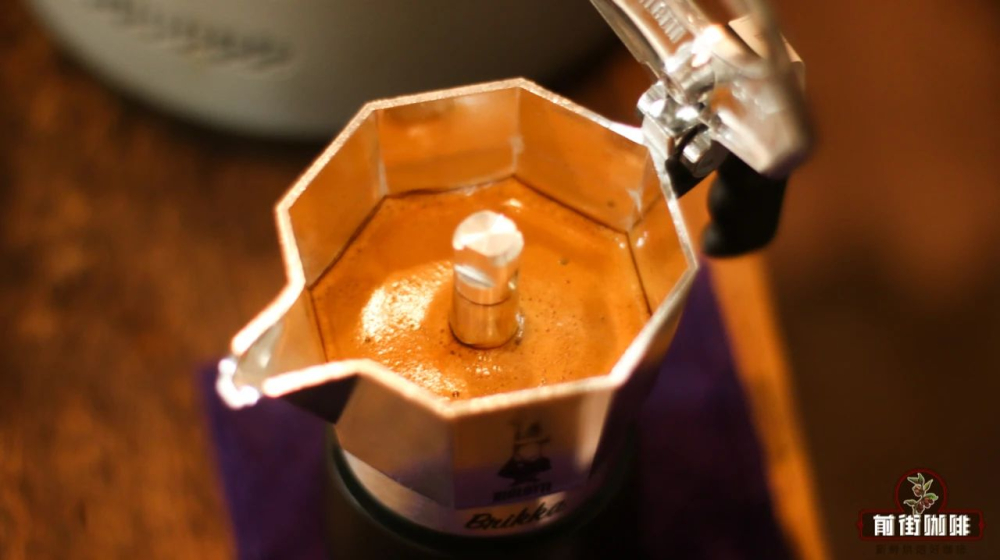
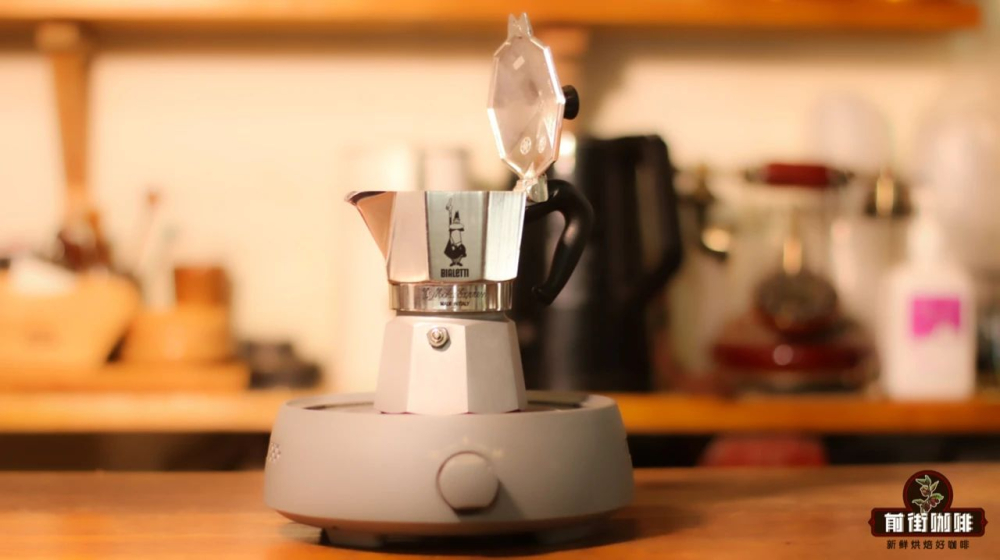
Sudden gushing of coffee is one of the most common problems moka pot users encounter, often resulting from an imbalance of internal pressure. Possible causes include too high heat, overly fine coffee grind, too much coffee, or water level in the lower chamber exceeding the safe mark. When adding water, do not fill above the standard water level line in the lower chamber, and keep it at least 0.5 cm below the pressure relief valve. The pressure relief valve is a safety device designed to prevent dangers caused by excessive pressure. If water covers this valve, its protective function may be compromised, increasing the risk of explosion.
What impact does grind size — too coarse or too fine — have?
The coffee grind needed for a moka pot is slightly coarser than that for an espresso machine, but much finer than for pour over. If the grind is too coarse, water contact time with the coffee is too short, possibly leading to under-extraction, resulting in a weak-tasting coffee. The reduced resistance may also cause the water to flow too fast, increasing the risk of splashing and burns. It is recommended to use a grind similar to setting 3 - 3.5 on an EK-43s grinder — slightly finer than granulated sugar — to achieve a better balance in extraction.
Why doesn’t my moka pot coffee have crema?
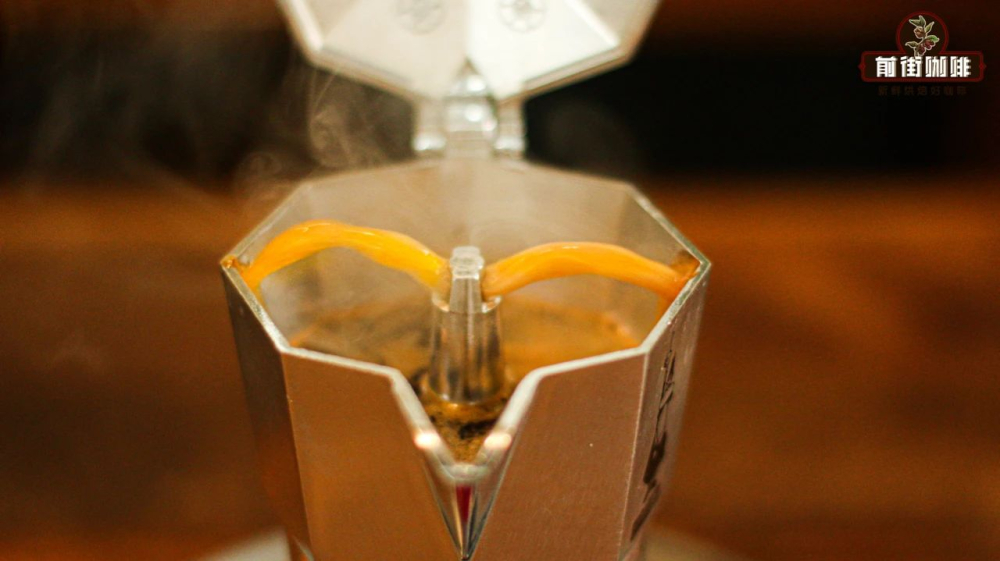
The moka pot is a pressure-based extraction method and can produce a certain degree of coffee crema, but the richness of the crema is closely related to the roast level and freshness of the coffee beans. Generally,medium to dark roasted coffee beansare more likely to release a rich layer of crema under high temperature and pressure. If using light roast beans, due to their harder texture, a finer grind is needed to improve extraction. However, under high pressure and temperature, this can easily lead to over-extraction and sourness, which is not conducive to a good crema presentation.
Why does the coffee taste strongly burnt and bitter?
Unlike professional espresso machines that have evenly distributed filters and spout designs, the moka pot relies on a single thin tube in the center for water outlet. If the coffee grind is too fine or the fill amount is too high, it can easily cause blockage in the center. The coffee liquid then only flows from the looser areas around the edge of the filter basket. In this case, the coffee grounds in the center of the basket may become overly extracted and dry, while the surrounding areas continue to be flushed by hot water, resulting in some coffee being over-extracted and some under-extracted, ultimately producing a burnt, bitter, and unpleasant taste.
The above content is compiled by CoffeeHunters, a coffee news website.


