








Introduction:Although the moka pot may seem simple, it is a great helper for many households in making espresso. This article provides a detailed breakdown of the moka pot’s extraction principle, operation steps, and teaches you how to use it to make a rich moka pot latte. From basic setup to common issues, it guides you step-by-step through the usage tips of this classic device, allowing you to enjoy a professional-level coffee experience at home.
In today’s era where pour over, siphon, and high-end espresso machines are prevalent, the moka pot is often misunderstood as an outdated and difficult-to-use tool. However, with the increasing popularity of home espresso equipment, more and more coffee enthusiasts are rediscovering the charm of the moka pot. This classic device not only has a simple structure but also delivers an espresso flavor close to that of a professional machine at a relatively low cost.

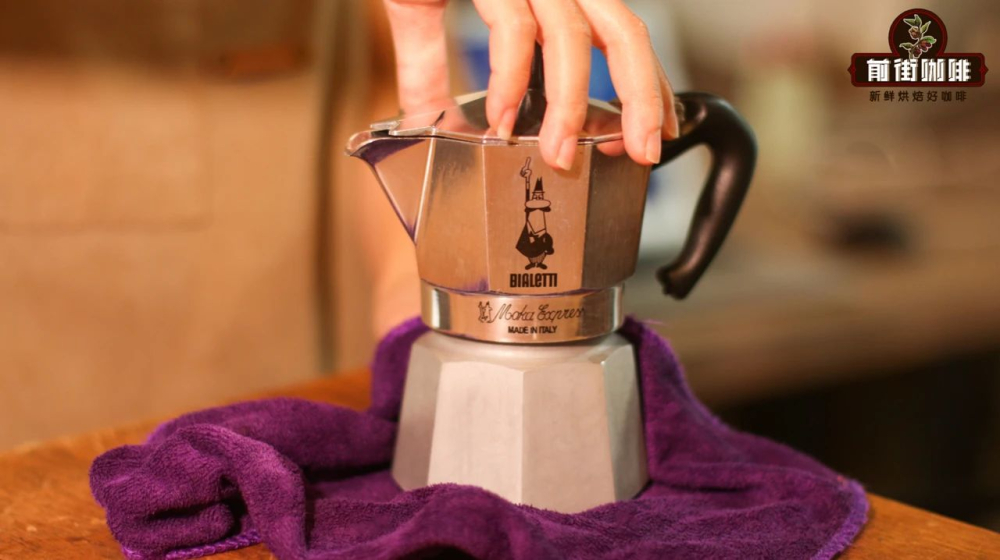
The moka pot mainly consists of three parts: the lower chamber that holds water, the middle filter basket that holds the coffee grounds, and the upper chamber that collects the brewed coffee. When heated, the water in the lower chamber boils under heat and generates pressure, which pushes the water up through the central metal tube, passing through the coffee grounds layer, and finally collects in the upper chamber as espresso. This extraction method using steam pressure is the key to the moka pot’s ability to produce strong coffee.
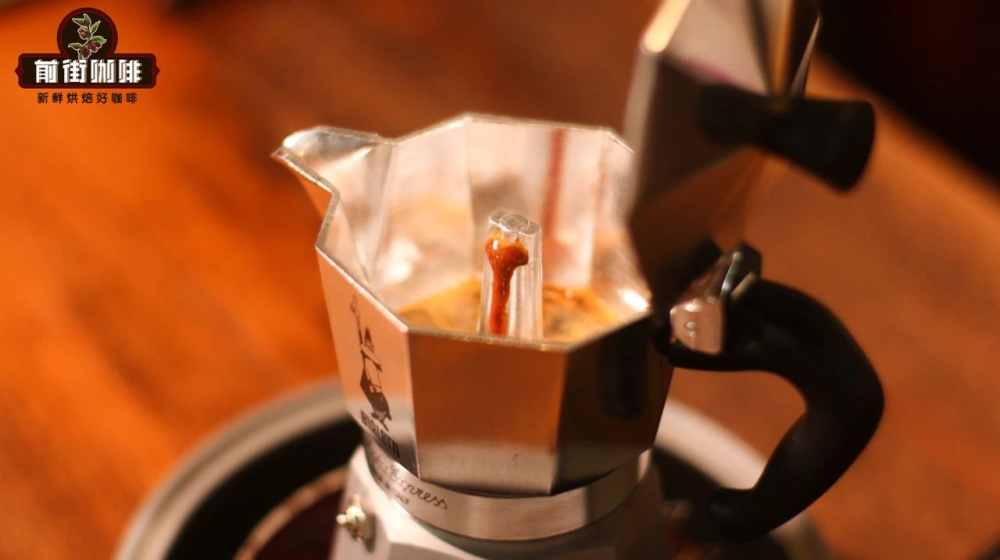
It is worth noting that the coffee directly brewed by the moka pot usually has a higher concentration, and drinking it straight may result in an overly intense taste with less noticeable aroma. It is recommended to adjust it to your personal taste by adding an appropriate amount of hot water to make a moka pot Americano, or mix it with fresh milk to make a moka pot latte. This not only softens the intensity but also highlights the unique aromatic characteristics of the coffee beans.
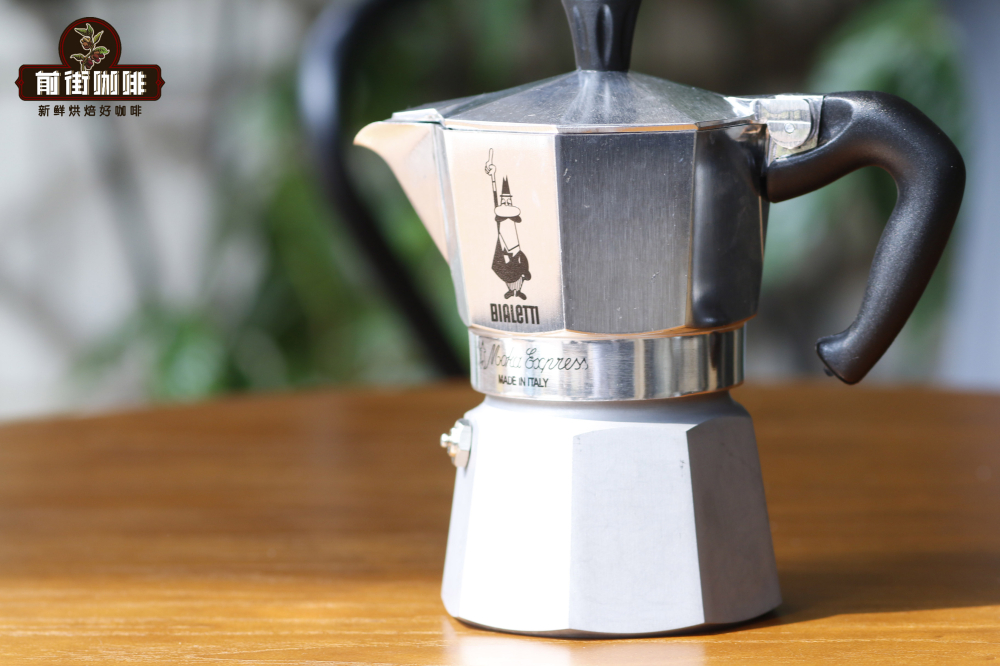
One of the reasons the moka pot was not widely adopted in the past is that its level of professionalism is not as high as that of expensive espresso machines, and early consumers mostly preferred professional-grade equipment. However, as the coffee enthusiast community has expanded, many people have begun to favor this affordable and intuitive home brewing device. Although the moka pot cannot fully replicate the crema richness and extreme espresso effect of professional machines, achieving about 60–70% of the performance of a professional machine with a budget of just a few hundred yuan is indeed a highly cost-effective choice.
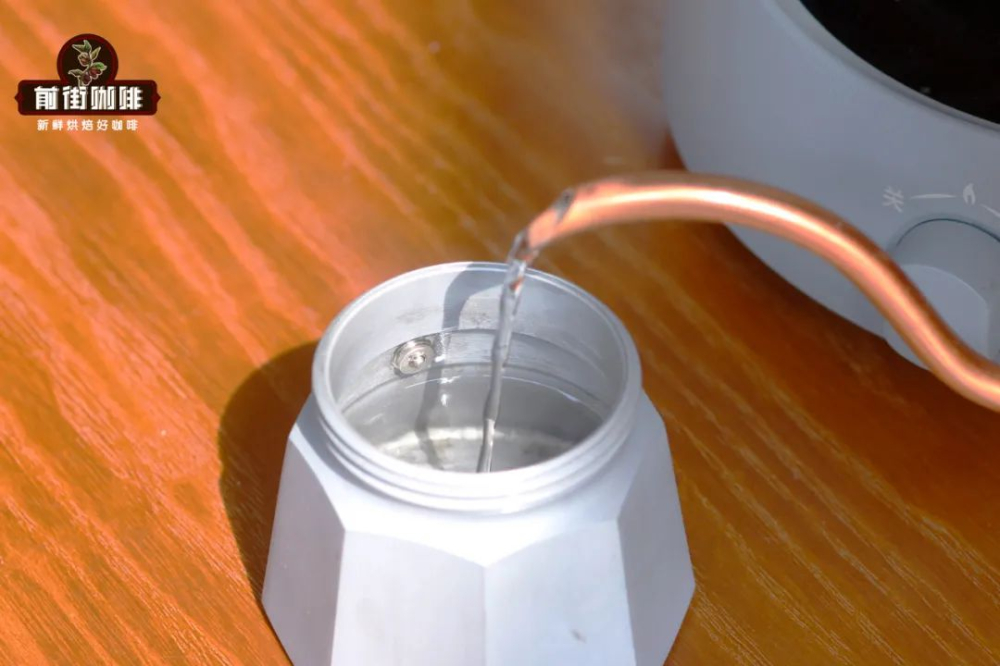
If you want to make a milk coffee with a moka pot, start by adding cold water to the lower chamber (to avoid scalding your hands with overly hot water). After placing the filter basket into the lower chamber, gently press the edge of the basket with your finger and fill it with coffee grounds, slightly heaping them into a small mound to ensure the coffee bed is even and compact. Then attach the upper chamber and tighten it, completing the assembly.
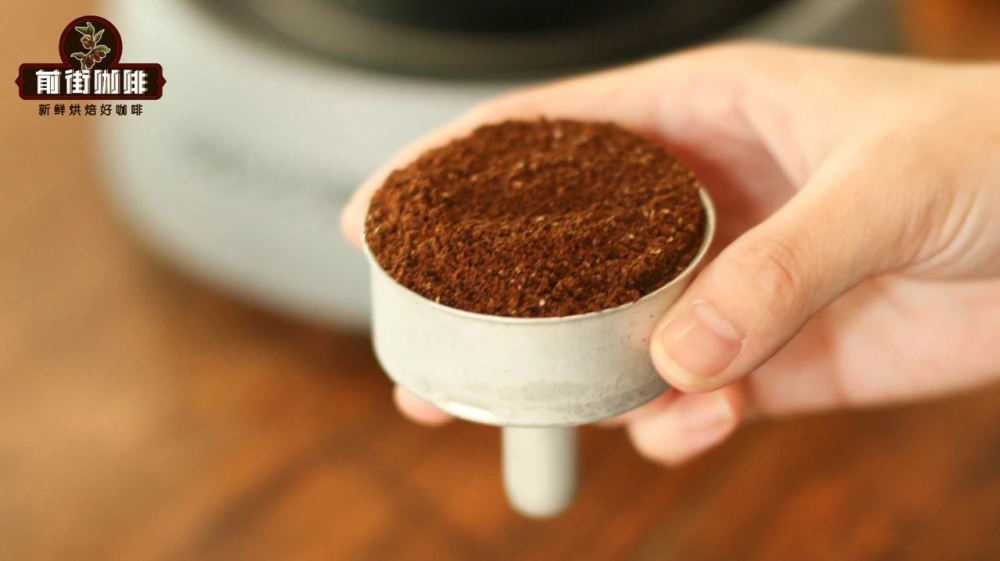
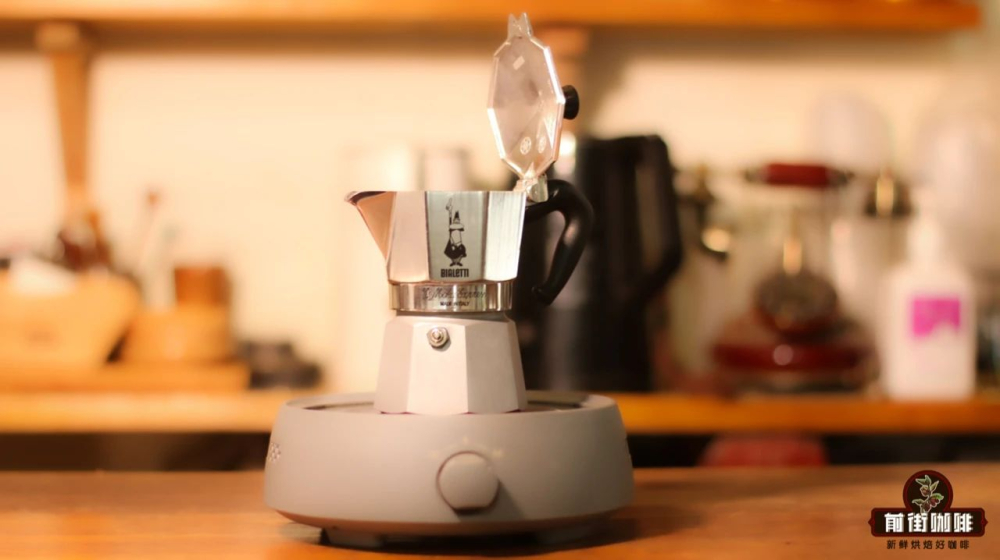
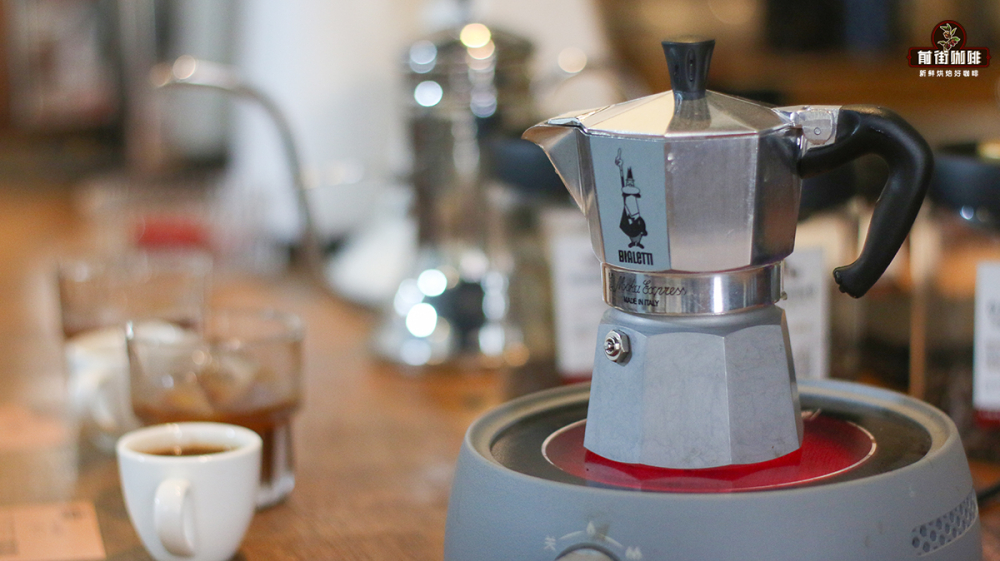
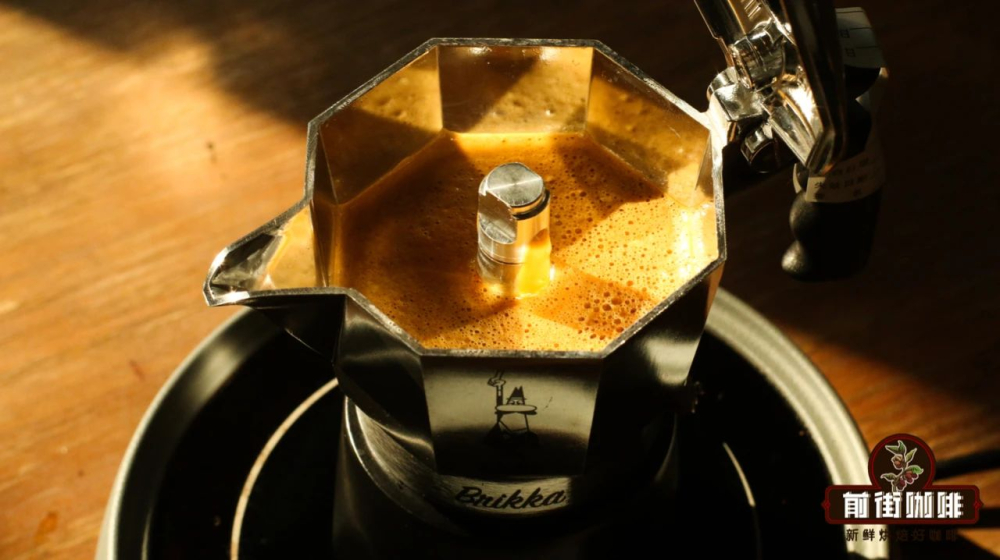
It is recommended to use an electric ceramic stove or gas stove for heating. When you hear a distinct “wuu wuu” sound, it indicates that the coffee liquid has started to be pushed out under pressure. At this point, you should immediately turn off the heat and let the remaining pressure push the final bit of coffee into the upper chamber. The freshly brewed moka pot coffee usually has a layer of golden crema on the surface, but this crema will dissipate quickly. It is recommended to mix it with milk promptly to preserve the best flavor.

When making latte art, you can use a French press to heat about 200ml of fresh milk and froth it. After evenly blending the milk foam with the coffee, you can start creating your design. It is worth noting that compared to pure espresso, moka pot coffee has a lower crema content, which may slightly affect the presentation of complex latte art patterns. However, simple patterns like pressed textures or hearts can still be successfully achieved.

When using a moka pot, there are several key details to pay special attention to. The water level in the lower chamber must never exceed the safety valve position, as this may affect the function of the safety valve and increase the risk of explosion. Observing the flow rate of the coffee is also important: if the coffee sprays out, it may indicate that the heat is too high or the water temperature is too elevated; if the flow rate is too slow or even stops, you may need to increase the heat. Additionally, since the extraction volume per brew relies on experience, beginners are advised to stay focused to avoid over-extraction, which can lead to bitter flavors.
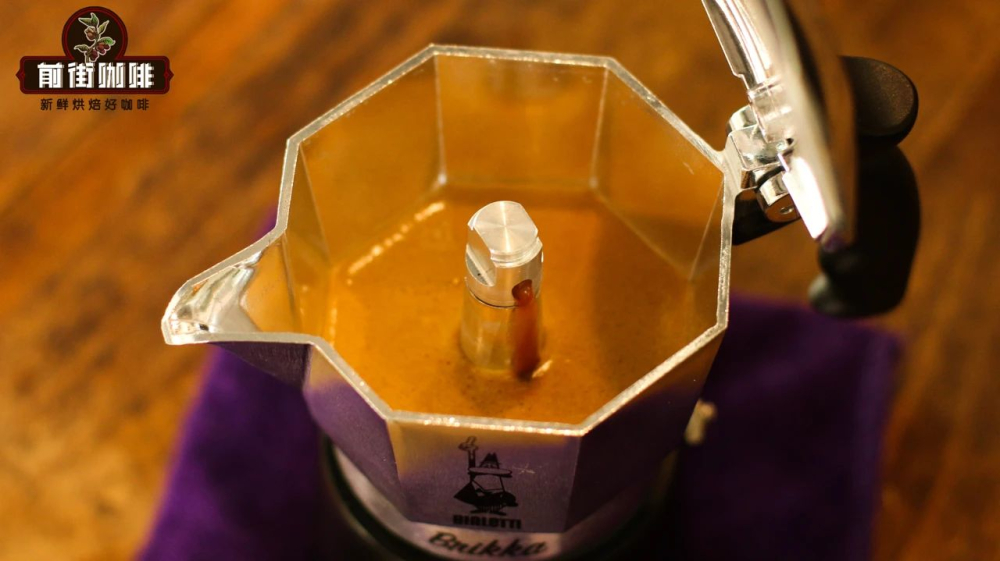
If you want to achieve espresso with a rich crema layer, it is recommended to use freshly roasted medium to dark roast coffee beans. The deeper the roast level, the more pronounced the caramelization reaction inside the beans, which can release more aromatic gases under pressure. It is especially important to note that once coffee beans are ground, their flavor deteriorates rapidly. Therefore, it is recommended to grind them right before use and prioritize freshly roasted beans within five days of the roast date to achieve the best extraction results.
The above content is compiled by CoffeeHunters, a coffee news website.


