








Introduction:Want to brew rich, crema-filled espresso with a moka pot? This article dives deep into the brewing parameters of the moka pot—including the best types of coffee beans, optimal grind size, coffee packing method, coffee-to-water ratio, and when to turn off the heat—helping you master every detail so you can easily brew Italian-style espresso at home.
The moka pot is arguably one of the most convenient and cost-effective tools for making espresso at home. For coffee enthusiasts who love espresso but haven’t yet invested in a semi-automatic espresso machine, it’s a great entry-level option. Though operating a moka pot is intuitive and many Italian housewives can use it skillfully, achieving an ideal flavor still requires mastering several key parameters. Next, we’ll explain how to adjust settings correctly to brew coffee that’s rich in crema and full-bodied.
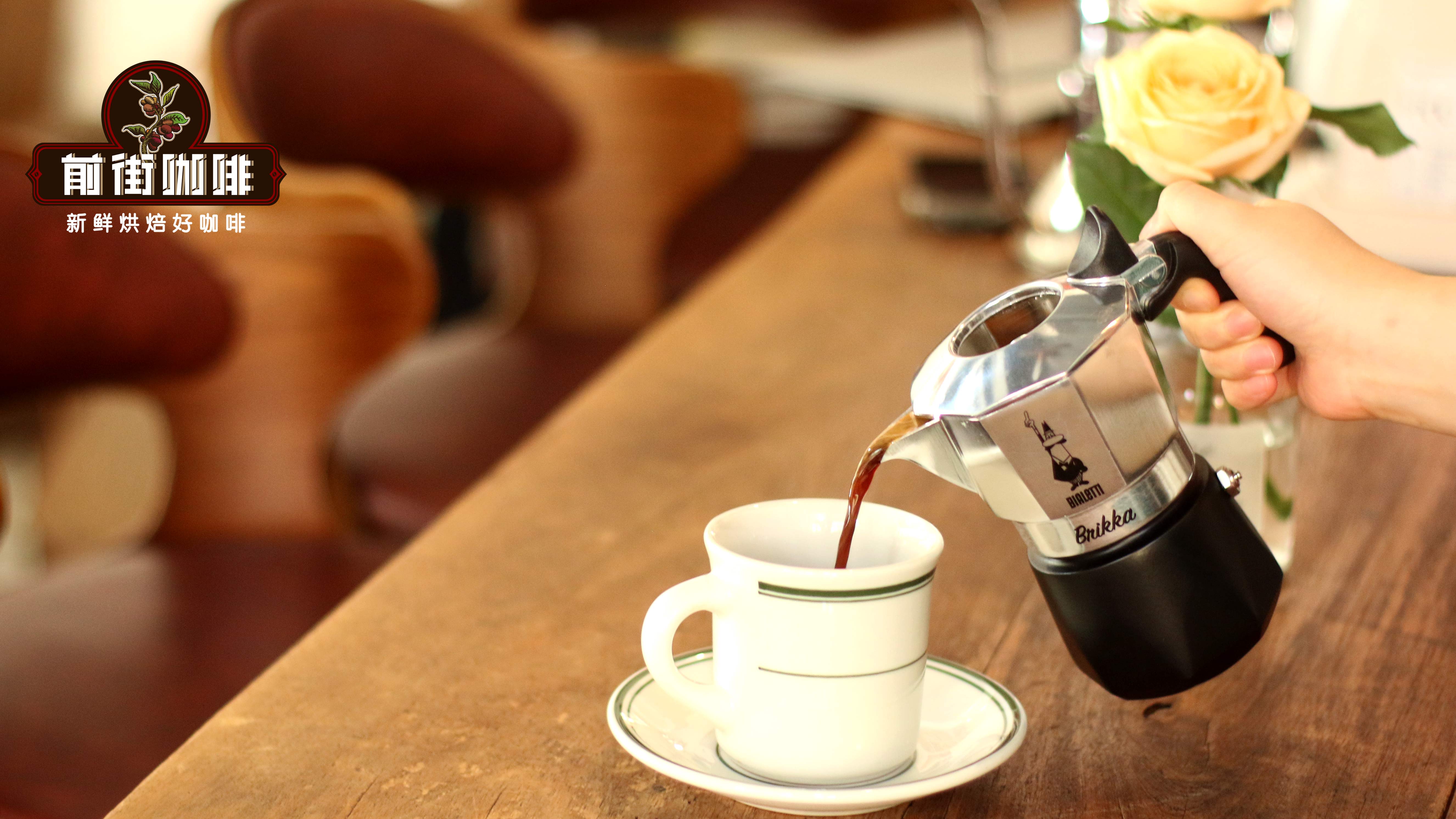
Let’s first talk about choosing coffee beans. Many coffee beginners get caught up in origin, variety, and roast level, but for the moka pot,choosing a medium to dark roast and freshly roasted coffee beanis the most important. Many Italian brands also offer coffee blends specifically designed for moka pots, showing that the appropriate roast level is the key. If you have no particular preference, selecting a medium to dark roast blend or espresso blend usually yields coffee with a rich body and delicate crema.

A moka pot consists of an upper chamber, a filter basket, and a lower chamber. It uses the steam pressure generated by heating the lower chamber to push water through the coffee grounds and extract coffee liquid. This process is similar to the pressure extraction of an espresso machine, but because the equipment is simpler, more attention needs to be paid to the details of extraction. Once you understand how it works, you can adjust various variables to improve brew quality.
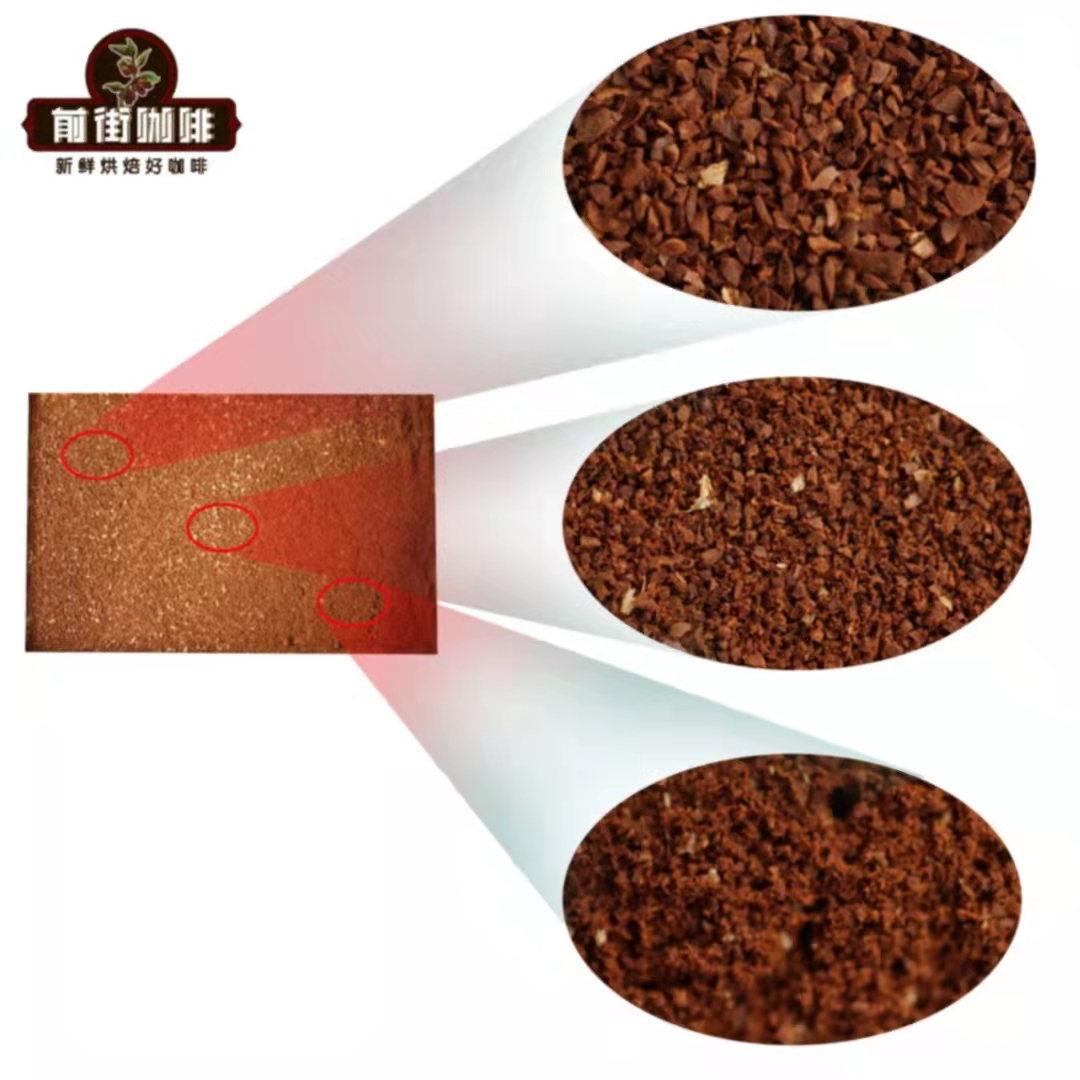
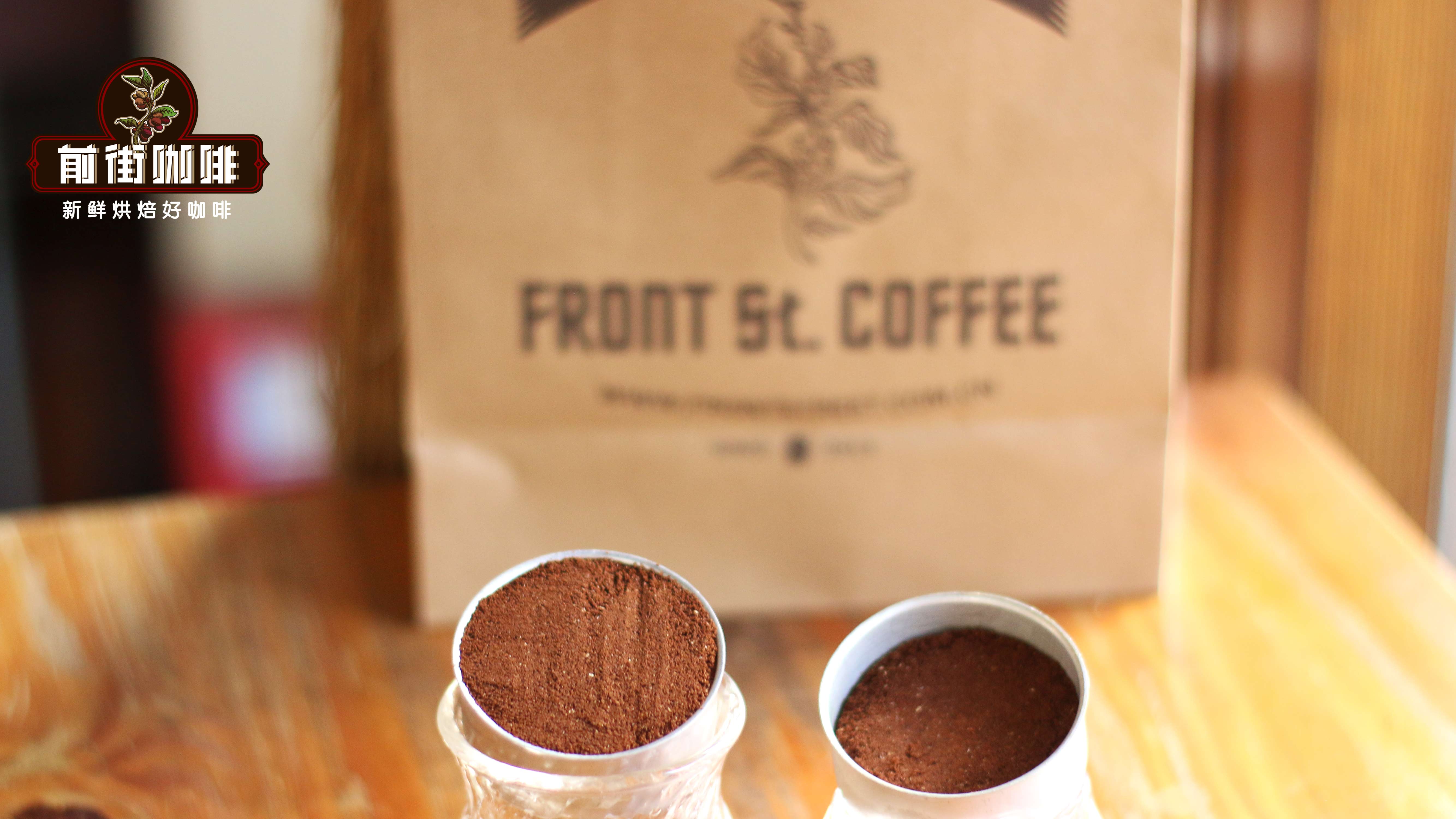
To brew coffee with crema and balanced flavor,the grind size of the coffee beans should be between 0.3 and 0.55 millimeters—about the coarseness of fine sugar or sea salt. Grinding too coarse will cause water to pass through too quickly, possibly leading to splattering or under-extraction; grinding too fine may cause clogging, resulting in over-extraction and excessive pressure. If you don’t have a grinder, try making small adjustments multiple times to find the most suitable grind for your moka pot—usually 3 to 5 tests will help you figure it out. A reminder: pre-ground coffee will significantly reduce aroma and crema performance, so it’s recommended to grind fresh just before brewing for the best flavor.
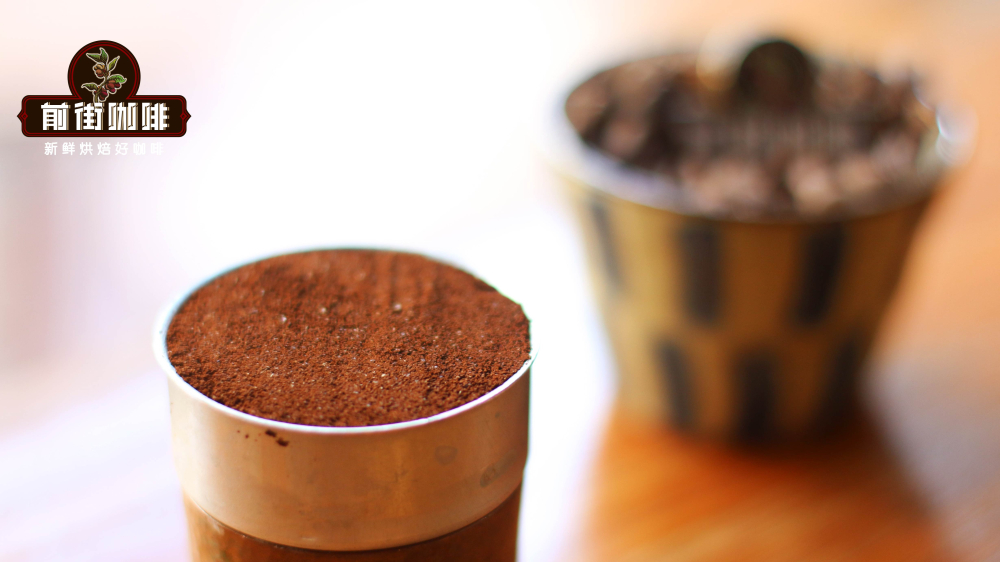
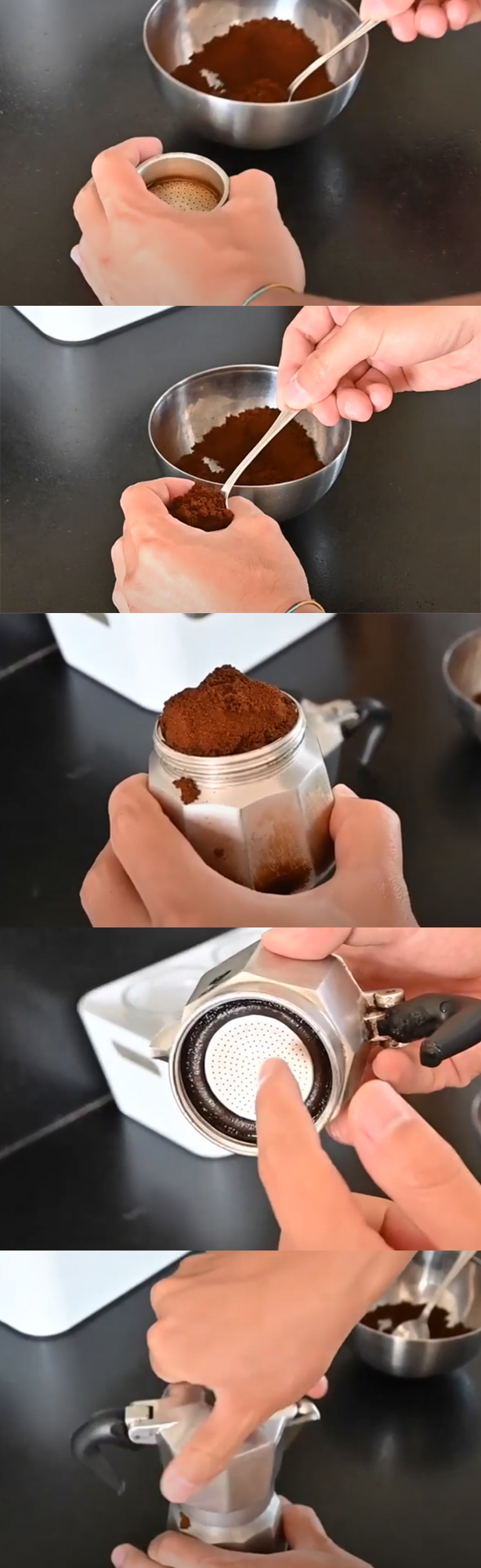
The way you fill the coffee grounds also affects the extraction result. It’s recommended to loosely pile the coffee grounds in the basket—after adding them, do not tamp them down, let the coffee bed form a slight mound in the center, like a small hill, without leveling it off. This is because the filter lid on the upper chamber is also slightly convex, and moderate looseness allows water pressure to evenly penetrate the coffee grounds. After filling, remember to clean any coffee grounds left on the threads to avoid affecting the seal. This method helps stabilize the coffee puck structure and contributes to extracting fuller crema.
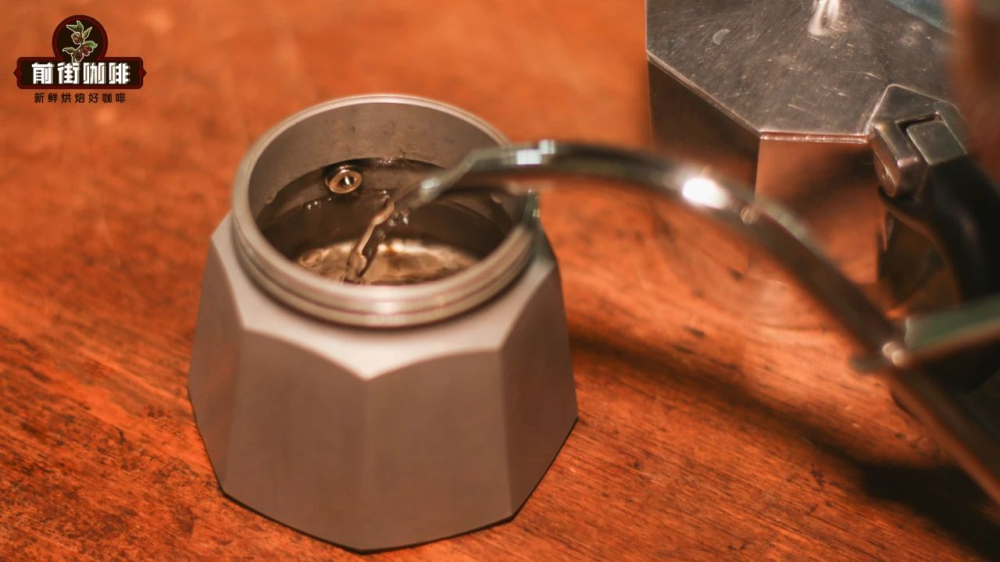
Regarding water control, it’s generally recommended to keep the water level about 0.5 cm below the safety valve, which corresponds to roughly 100 grams of water. If using 20 grams of coffee, the coffee-to-water ratio is about 1:5. If you only want to make half a cup, reduce the coffee to 15 grams and add water to about 1 cm below the valve—that’s around 60 grams of water. Do not use too little water, as insufficient coffee could cause splattering when boiling. Also, it’s recommended to use hot water rather than cold water, as it shortens brewing time and avoids over-soaking that can lead to bitterness.
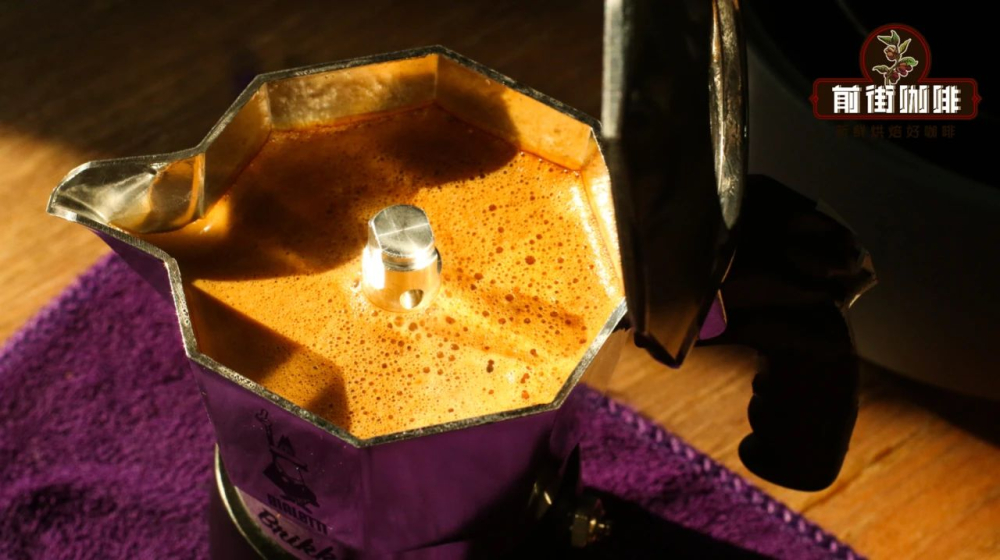
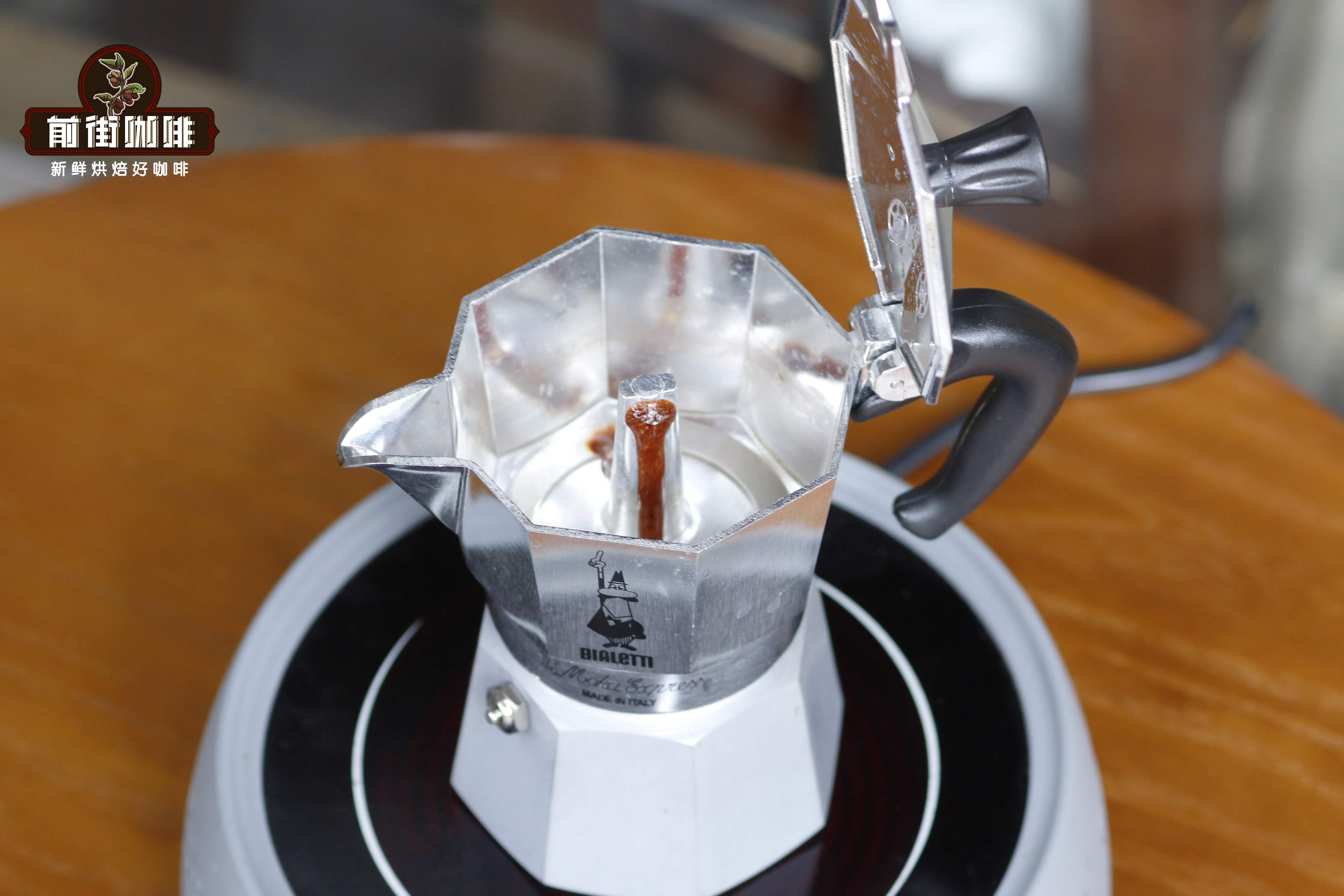
Finally, about when to turn off the heat: when the moka pot is heated over medium heat and you hear a “wuu wuu wuu” steam sound, you can open the lid to observe. Once you see the first drop or jet of coffee start to come out, it’s time to turn off the heat. If you wait until a lot of coffee flows out or there’s intense boiling, you might end up with a burnt taste. Safe heating is also important—the moka pot’s exterior is mostly metal and gets extremely hot, so it’s recommended to use a wet cloth for insulation to avoid burns. If you hear the pressure sound but no coffee is coming out, the spout might be blocked—be sure to turn off the heat immediately to prevent dangerous pressure buildup.

The above content is compiled by CoffeeHunters, a coffee news website.


