







Introduction:Many coffee enthusiasts who are new to using a moka pot often wonder how to choose the correct grind size for their coffee. This article delves into the differences in brewing principles between a moka pot, espresso machines, and drip coffee makers, and provides a detailed reference range and adjustment suggestions for moka pot grind size. It aims to help readers master the brewing techniques of a moka pot and make a beverage that closely resembles the flavor of espresso.
Many coffee lovers are impressed by the espresso produced by espresso machines — not only is the crema rich, but latte art adds an artistic touch. However, the high price of these machines can be a barrier. In comparison, the moka pot, which is affordable and easy to use, has become the first choice for many beginners. That said, many newcomers, after purchasing a moka pot, often wonder: “Is coffee made with a moka pot the same as espresso?”
In fact, although a moka pot can produce strong coffee, due to its equipment structure and pressure limitations, it does not produce true espresso. Espresso machines typically extract coffee under about 9 bars of high pressure, using extremely fine coffee grounds (about 0.05 to 0.1 mm), resulting in a thick, flavorful coffee liquid. This high pressure allows a large amount of carbon dioxide in the coffee to be released, forming the golden crema (coffee oils). However, a moka pot relies on steam pressure generated by heating, which is far below 9 bars, and thus cannot achieve the same extraction effect.

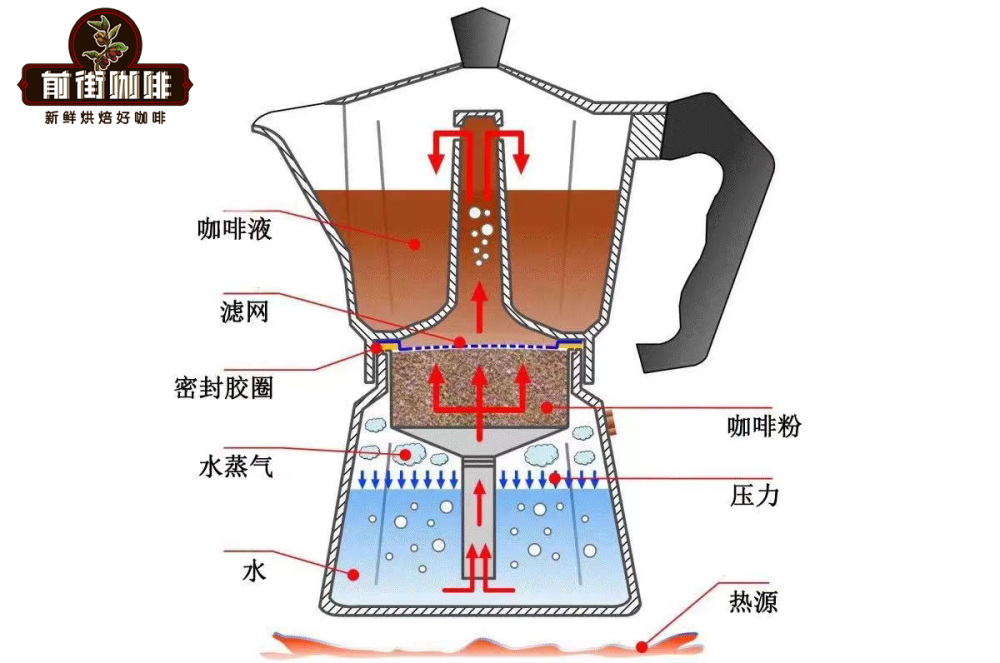
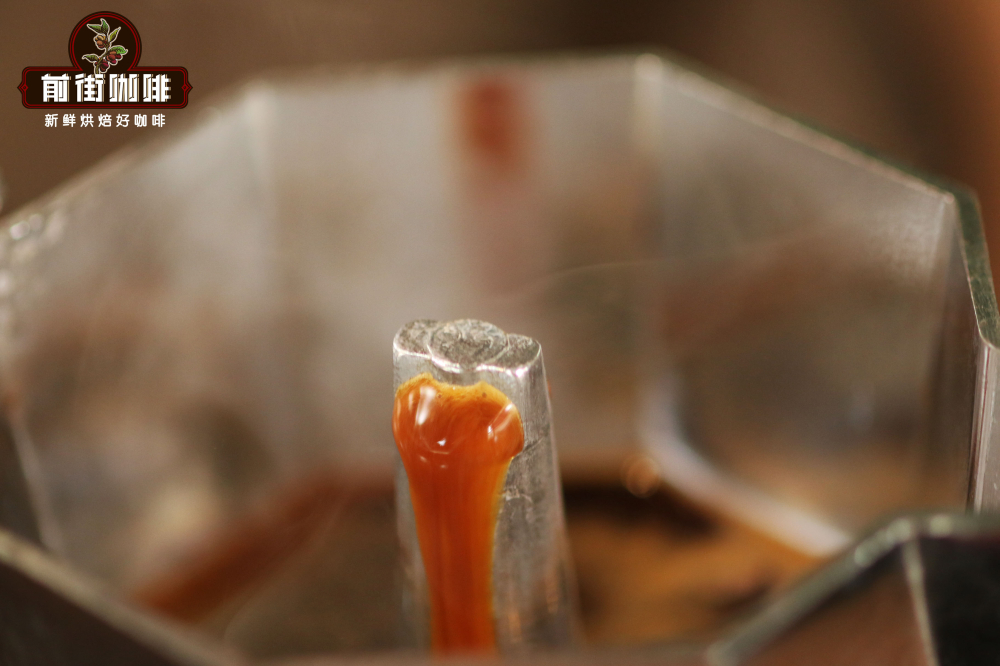
The moka pot mainly consists of a lower chamber, a filter basket, and an upper chamber, connected by a metal tube in the middle. When heated, the water in the lower chamber turns into steam, which pushes the water through the layer of coffee grounds in the middle, eventually flowing into the top chamber. Although it cannot completely replicate the espresso brewing environment, by adjusting the grind size of the coffee, you can still improve the extraction quality and achieve a taste closer to that of espresso.
It is generally recommended that when using a moka pot, the grind size of the coffee should be controlled between approximately 0.3 to 0.55 millimeters. This is finer than the coarse grind used for pour over coffee (about 1.0 mm or more), but slightly coarser than the very fine grind used for standard espresso. This grind size allows water to pass through the coffee grounds with appropriate resistance, balancing flow rate and extraction efficiency.
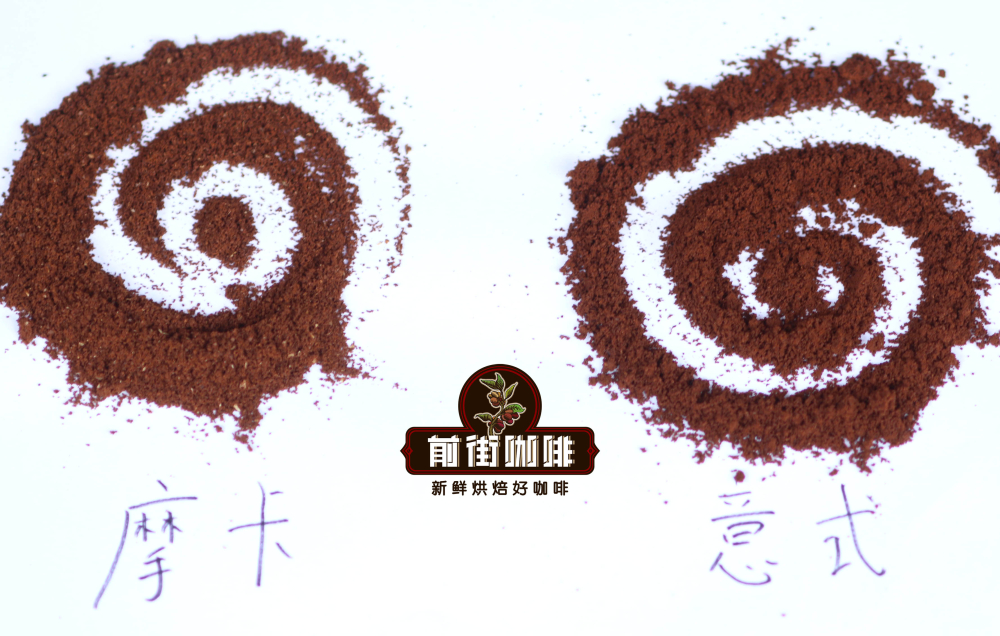
Since it is difficult to accurately judge particle size with the naked eye, two methods can assist: one is to purchase pre-ground coffee specifically designed for moka pots as a reference; the other is to use professional particle size sieves or measuring scales for comparison. Additionally, adjustments can be made through actual brewing observations: if the coffee flows out too quickly in a stream, it indicates the grind may be too coarse and needs to be ground finer; if you hear a muffled “woo woo” sound after heating but the coffee does not come out for a while, the grind may be too fine and should be adjusted coarser to avoid over-extraction or clogging.
Additionally, safety details should be noted when using a moka pot. The lower chamber usually has a pressure relief valve to release excess steam pressure, so the water level should never exceed the position of the relief valve to avoid danger caused by excessive pressure. Moreover, most moka pots are made of aluminum alloy, so avoid using cleaning agents that contain strong alkalis or abrasive components when cleaning. It is recommended to gently scrub with warm water and a neutral detergent to maintain the durability and hygiene of the pot.
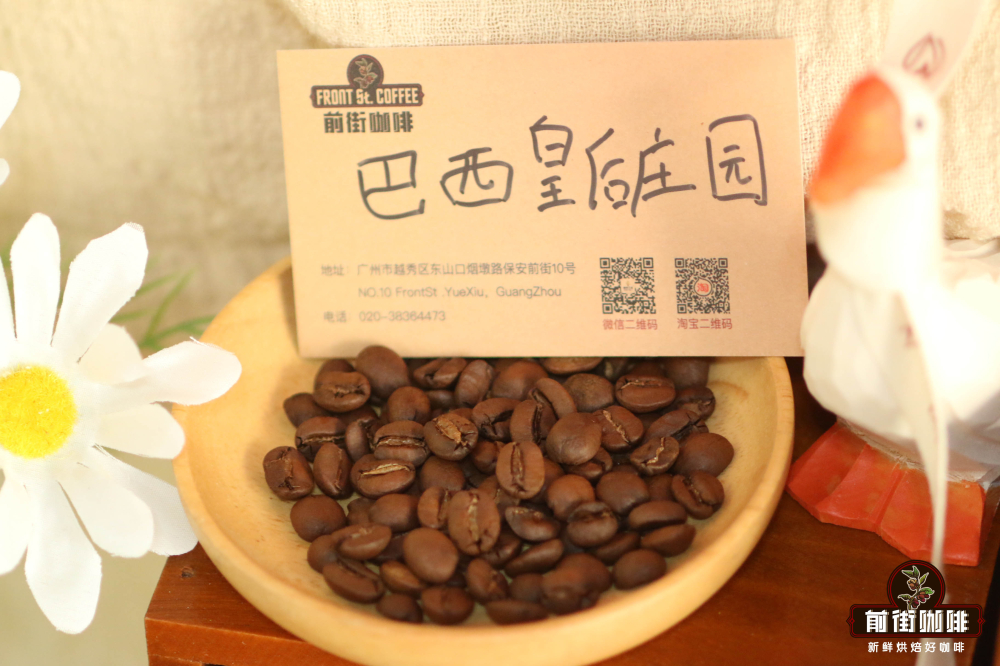
As for coffee bean selection, since the moka pot’s brewing environment tends toward high concentration and near-high pressure, it is recommended to choose medium to dark roast or dark roast coffee beans, which help bring out a rich and aromatic taste. For example, Indonesian Golden Mandheling or sun-dried beans grown at high altitudes in Brazil can showcase rich caramel, nutty, and chocolatey notes that complement the extraction characteristics of a moka pot.

In summary, although a moka pot cannot fully replicate the extraction effect of an espresso machine, by mastering the correct grind size (approximately 0.3–0.55 mm), appropriate coffee-to-water ratio, and operational details, you can still enjoy a rich and espresso-like cup of coffee. With continuous experimentation and adjustments, even beginners can quickly get the hang of it and appreciate the unique charm of the moka pot.

The above content is compiled by CoffeeHunters, a coffee news website.


