








Introduction:Want to recreate café-quality espresso at home but limited by equipment budget? The moka pot has become a popular choice thanks to its affordable price and rich flavor. This article provides an in-depth analysis of the moka pot’s operating principle, its core differences from pour over coffee, a detailed look at its pros and cons for making Americano, and answers questions about electromagnetic stove compatibility. It also offers practical tips such as grind size control and water level settings to help you safely extract a distinctive, richly crema-ed espresso.
As an essential beverage in modern life, many people crave the unique bold flavors of café coffee at home. While professional espresso machines can achieve precise extraction, their high prices and complex operation deter many enthusiasts. In this case, the moka pot—affordable and capable of producing rich coffee liquid—becomes a practical choice for home coffee lovers.

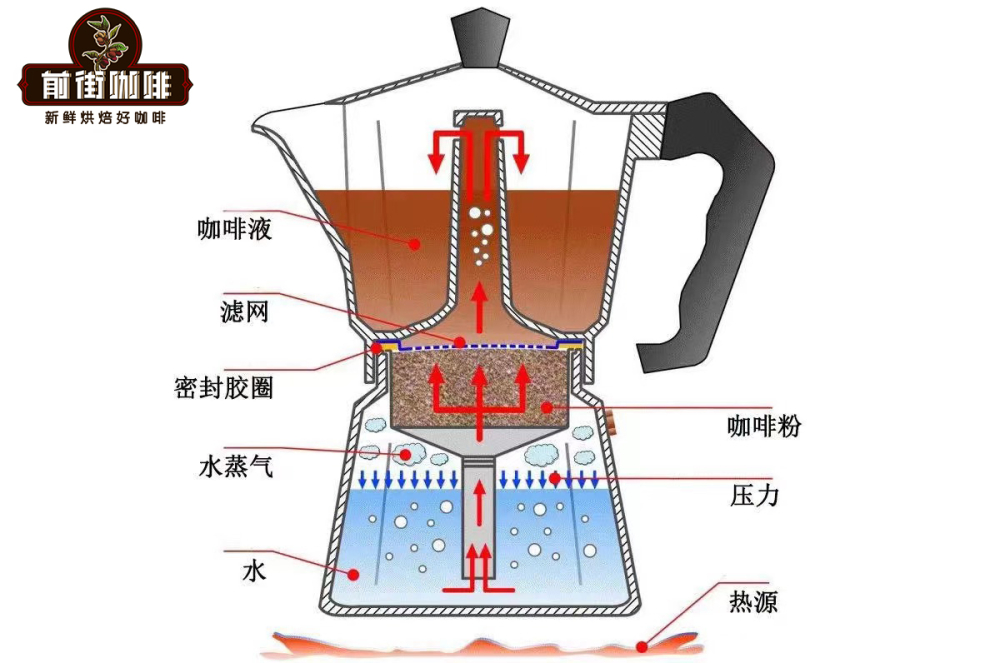
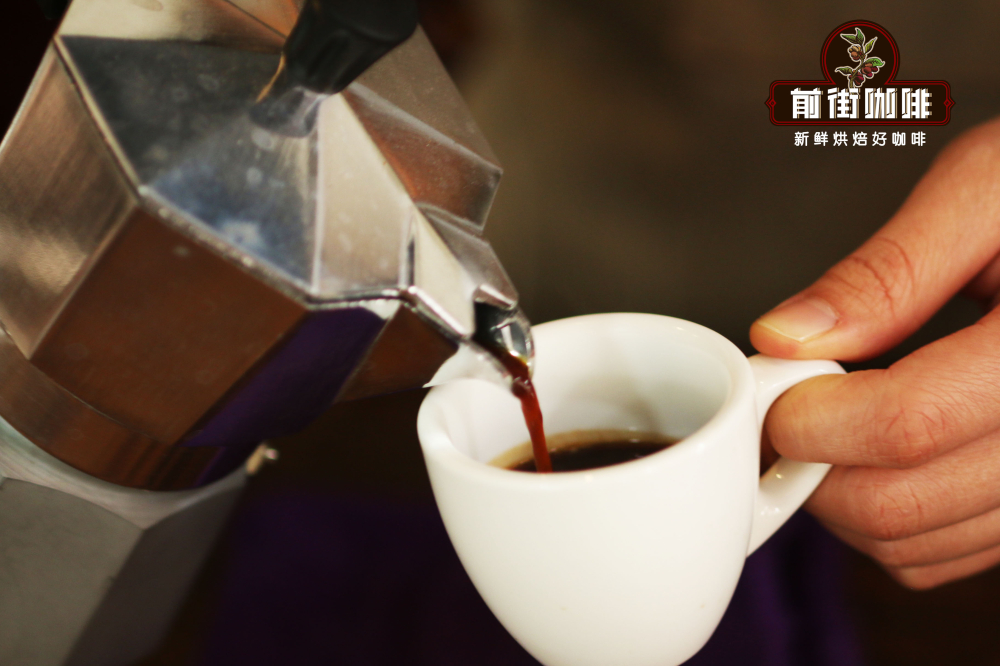
This coffee brewing device, born in the 1930s, drew its design inspiration from the structure of a washing machine. Improved and invented by Italian engineer Alfonso Bialetti, the moka pot uses heat from the lower chamber to generate steam pressure, pushing hot water through a fine coffee grounds compartment in the middle and upward, eventually yielding a crema-topped espresso from the top chamber. Though its working pressure doesn’t reach the 9 bar of professional machines, the approximate 1.5 bar pressure still delivers a richer taste than ordinary drip coffee.
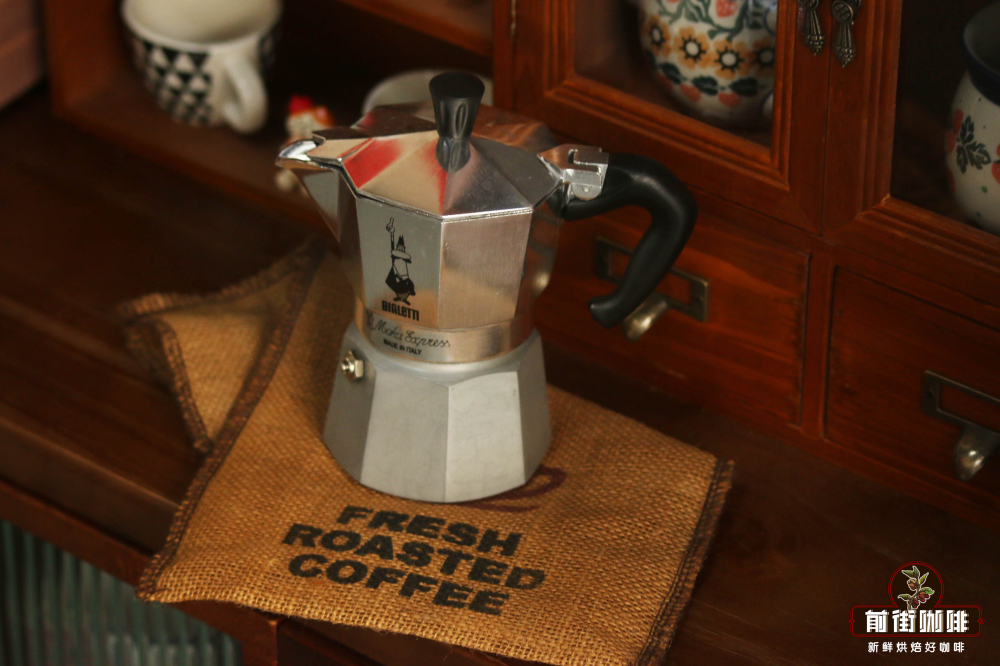
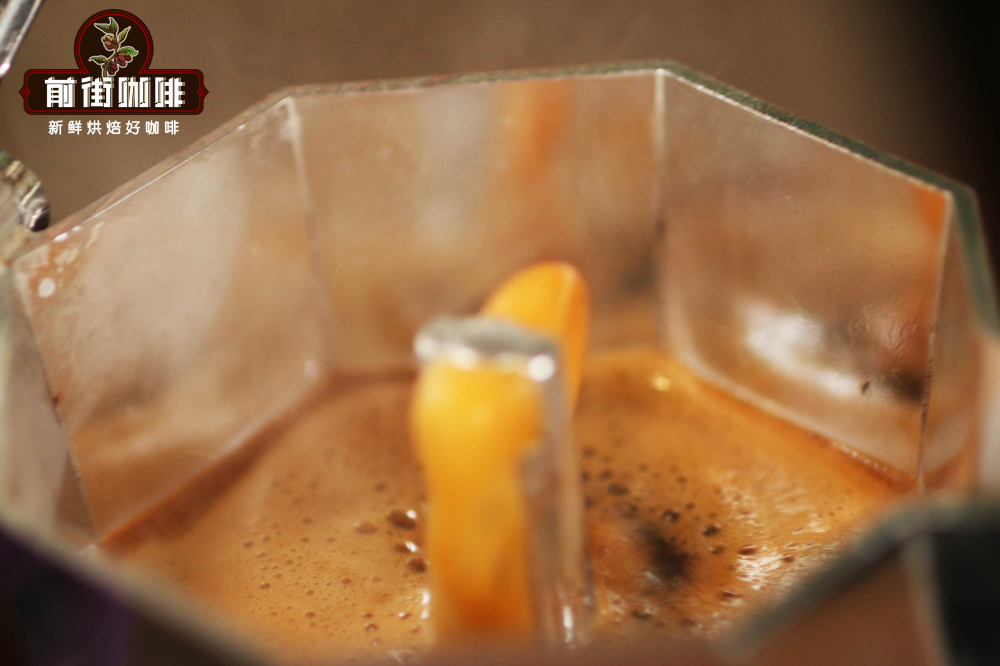
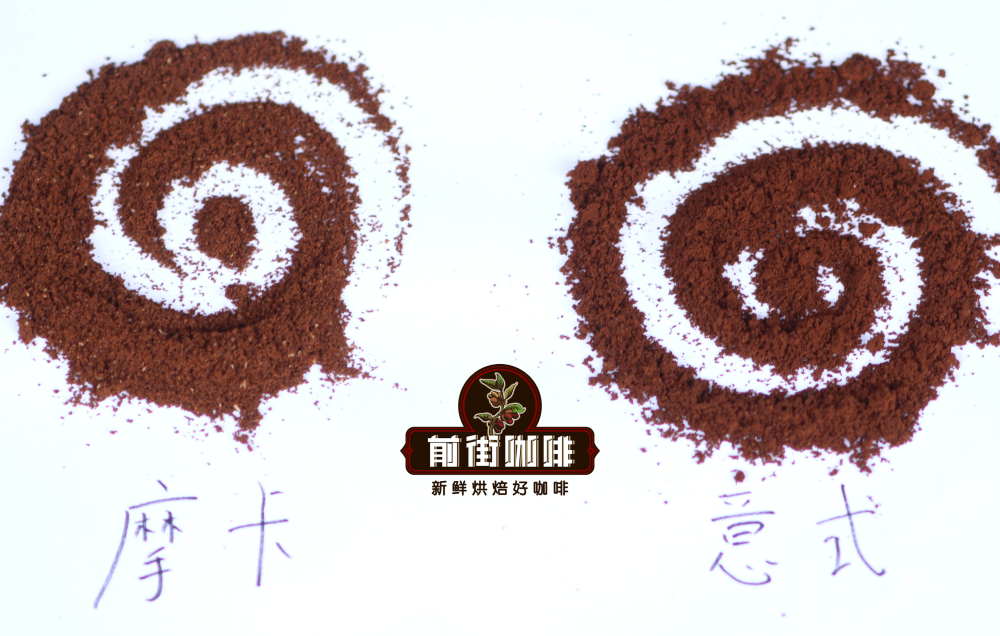
To operate, follow these steps in order: add an appropriate amount of hot water to the lower chamber (water level should be 0.5 cm below the safety valve), fill the filter basket with 0.3–0.55 mm finely ground coffee and level it evenly, assemble the upper and lower chambers and tighten them securely, then heat over medium heat until a continuous “whistling” sound is heard, after which you turn off the heat. Special attention should be paid: if the coffee gushes out too quickly, it indicates the grind is too coarse; if no liquid flows out for a long time, immediately cut off the power to prevent safety hazards.
Compared with pour over coffee, the key difference in the moka pot lies in the extraction method: pour over relies on 90–95°C hot water dripping through gravity, emphasizing clean, bright fruit acidity and layered flavors; whereas the moka pot uses pressurized extraction to fully bring out the coffee’s caramel, chocolate, and other bold flavors. Although its crema isn’t as velvety as that from professional espresso machines, it still has a unique mouthfeel and coating quality.
When making Americano, it is recommended to mix the moka pot’s concentrated espresso with hot water in a 1:3 ratio. The advantage of this method is that it allows you to quickly produce a large quantity of coffee while saving coffee beans, but the downside is that the diluted crema sensation is reduced, and the flavor intensity is lower than that of directly brewed Americano. Note that using dark roasted beans can better balance the taste after dilution.
Regarding coffee bean selection, dark roasted blends (such as those containing Honduran Sherry and natural Red Cherry beans) can highlight the moka pot’s bold characteristics, with particularly noticeable notes of vanilla cream and wine-like aromas. For those who prefer single-origin beans, Brazilian natural Yellow Bourbon is a good choice—this variety, grown at altitudes of 1400–1950 meters and processed with thick mucilage under sun drying, offers a balance of caramel sweetness and nutty undertones.

In terms of electromagnetic stove compatibility, the moka pot can be used but with two considerations: prioritize a moka pot with a flat-bottomed aluminum alloy or cast iron body to ensure full contact with the electromagnetic stove’s heating area; it is recommended to set the heat to medium-low (about 1200–1500W) to avoid localized overheating that could cause deformation of the pot or loss of pressure control. Always monitor during use to prevent the risk of burning dry.

In summary, although the moka pot cannot fully replicate the 9 bar high-pressure extraction of professional espresso machines, its convenience and relatively rich flavor still make it an excellent choice for home-brewed specialty espresso. By mastering the correct grind size control (it is recommended to use a moka pot-specific grinder for adjustment), water level management, and heat regulation, you can stably brew high-quality coffee rich in crema.
The above content is compiled by CoffeeHunters, a coffee news website.


